

Maintaining a high quality of life as we age is the primary goal of modern longevity science. While we often focus on cardiovascular health or diet, there is a silent biological reality that demands our immediate attention: sarcopenia. After the age of 30, the human body begins a natural decline in muscle mass, losing approximately 3% to 8% every decade. As we cross the threshold into our 50s and beyond, this process accelerates, threatening our mobility, metabolic health, and independence.
However, the narrative that aging must be synonymous with frailty is outdated. According to fitness expert Jacob Siwicki—founder of Siwicki Fitness and a former top-ranked Equinox instructor—the solution does not require a gym membership to a heavy-duty powerlifting facility. By integrating intentional, low-impact resistance training into your daily routine, you can effectively reverse the clock, reclaim your strength, and ensure your later years are defined by vitality rather than limitation.
The Biological Imperative: Why Muscle Matters
The decline in muscle mass after 55 is more than just a cosmetic concern; it is a clinical health issue. Muscle tissue is metabolically active, meaning it helps regulate blood sugar, supports bone density, and maintains the joint stability necessary for daily tasks like walking, lifting groceries, or getting out of a chair.
When we lose muscle, we lose the "armor" that protects our skeletal structure. This loss leads to a higher risk of falls, a slower metabolism, and a decrease in the functional independence that allows for an active lifestyle. Fortunately, the body remains responsive to stimulus well into our later years. By engaging in targeted resistance training, you can signal to your body that muscle maintenance is a priority, effectively signaling a "rebuild" phase.
Expert Insight: Rethinking Resistance Training
Jacob Siwicki, whose credentials include NCSF and AFAA certifications and a background as a collegiate athlete at Dartmouth, emphasizes that the barrier to entry for strength training is lower than most people assume.
"You do not need a heavy barbell or a room full of machines," Siwicki explains. "A chair, a pair of dumbbells, and a little space can get the job done. That makes the workout easier to start and easier to stay consistent with."
For those who may not have access to professional-grade fitness equipment, Siwicki suggests practical alternatives. "If you don’t have dumbbells readily available, feel free to start out with water bottles or household jugs filled with water or sand. The goal is to provide consistent, manageable resistance to the muscles."
The Core Four: Essential Movements for Longevity
To combat age-related muscle loss, Siwicki recommends four foundational movements. These exercises are compound, meaning they involve multiple joints and muscle groups, ensuring a high "return on investment" for the time you spend exercising.
1. The Squat: Foundation of Lower Body Strength
The squat is perhaps the most important functional movement for aging adults. It mimics the act of sitting down and standing up—a movement essential for maintaining independence.
- Why it works: Squats target the quadriceps, hamstrings, and glutes, while also engaging the core for stability.
- Execution: Using a chair for safety, stand with feet shoulder-width apart. Lower your hips back and down as if aiming for the chair, keeping your chest lifted and weight in your heels. Pause briefly, then drive through your heels to return to a standing position.
2. The Deadlift: Protecting the Posterior Chain
Often feared due to its association with heavy powerlifting, the deadlift, when done correctly, is the ultimate exercise for back and hamstring health.
- Why it works: It strengthens the entire posterior chain, which is essential for posture and preventing lower back pain.
- Execution: Start with your feet hip-width apart, holding a pair of dumbbells in front of your thighs. With a slight bend in your knees, hinge at the hips, pushing them backward while keeping your back flat. Lower the weights toward your shins until you feel a stretch in your hamstrings, then engage your glutes to stand back up.
3. The Chest Press: Upper Body Push Power
Upper body strength is critical for everyday tasks like reaching for items on high shelves or pushing doors.
- Why it works: The chest press builds the pectoral muscles, shoulders, and triceps.
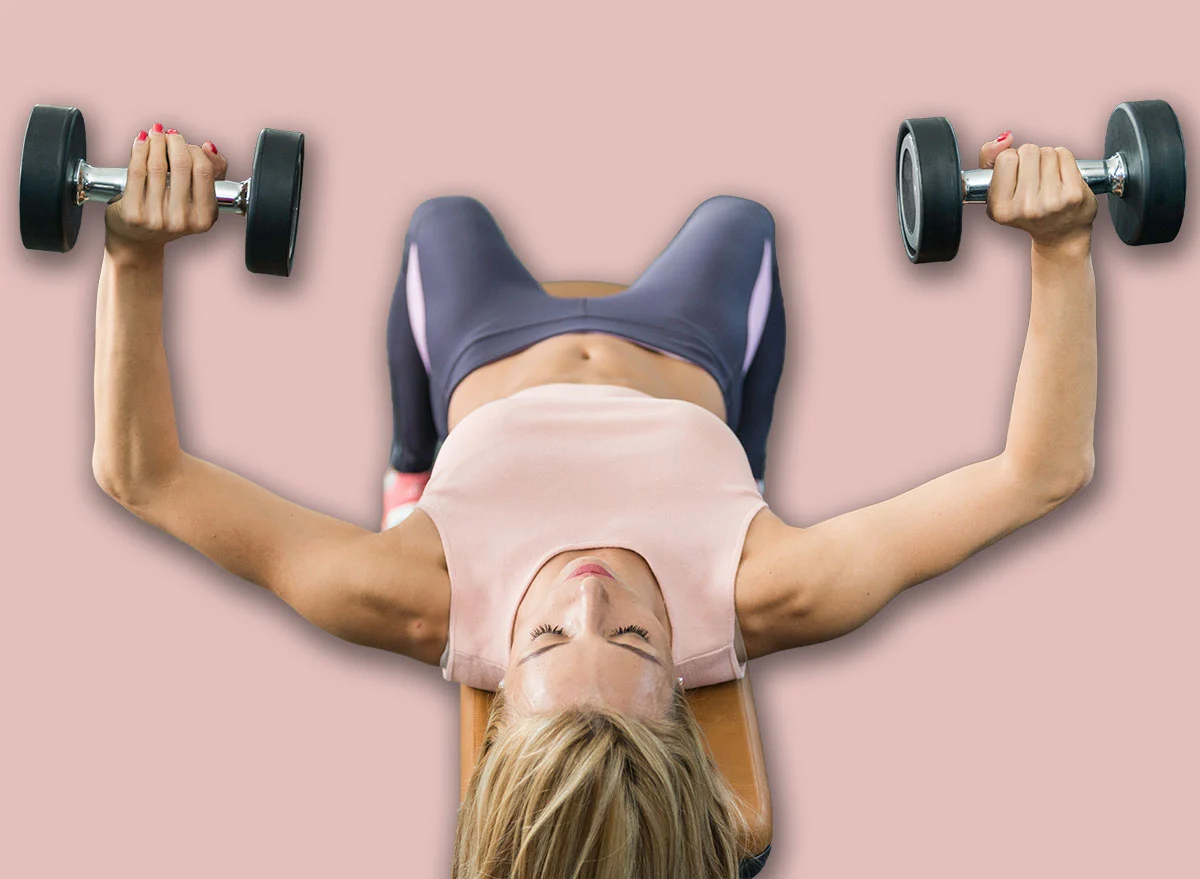
- Execution: Lie on a bench or the floor with knees bent. Hold a dumbbell in each hand at chest level, elbows out at a 45-degree angle. Push the weights upward toward the ceiling until your arms are fully extended, then slowly lower them back to the starting position.
4. The Row: Correcting Modern Posture
Between desk work and smartphone usage, many adults suffer from "rounded shoulders." The row is the antidote to this modern postural decline.
- Why it works: It targets the lats, rhomboids, and rear deltoids, pulling the shoulders back and strengthening the upper back.
- Execution: Lean forward slightly at the hips, keeping your back flat. Hold the dumbbells with arms hanging toward the floor. Pull the weights toward your hip pockets, squeezing your shoulder blades together at the top of the movement. Lower slowly to maintain tension.
Supporting Data: The Science of Aging and Muscle
Research from the National Institutes of Health and other longevity studies consistently show that resistance training is one of the most effective non-pharmaceutical interventions for health span.
Studies indicate that individuals who engage in regular resistance training show improved mitochondrial function, better insulin sensitivity, and reduced systemic inflammation. Furthermore, for those over 55, the neurological benefits—improved coordination and balance—are just as significant as the physical changes. When the muscles are strong, the brain receives better feedback regarding spatial awareness, drastically reducing the risk of accidental injuries.
Implications for a Healthy Future
Adopting this "minimalist but intentional" approach to fitness has profound implications for how we age. It shifts the focus from "working out to look good" to "training to function well."
By dedicating just 20 to 30 minutes a few times a week to these four movements, the average person over 55 can stop the acceleration of muscle loss and potentially reverse it. This is not about training for a marathon or a bodybuilding show; it is about ensuring that you can travel, play with your grandchildren, and maintain your household without assistance for decades to come.
Chronology of Progress: What to Expect
- Weeks 1–4 (The Adaptation Phase): Focus on form, not weight. Your body is waking up its neuromuscular pathways. You may feel slight soreness as your muscles adjust to the new stimulus.
- Weeks 5–12 (The Strengthening Phase): As your form becomes second nature, begin to slowly increase the resistance. You will notice that daily movements—like climbing stairs or carrying groceries—begin to feel significantly lighter.
- Months 3 and Beyond (The Maintenance Phase): At this point, the routine becomes a lifestyle. The focus shifts to consistency. You are now actively fighting sarcopenia and building a "strength reserve" that will serve you throughout your later years.
Conclusion: Take the First Step
The most common mistake people make is waiting for the "perfect time" to start a fitness program. As Siwicki’s approach demonstrates, the best time to start is today, using the tools you already have in your home.
Whether you are 55 or 75, your muscles remain a dynamic, adaptive system. By prioritizing these four essential movements, you are making a long-term investment in your independence. You don’t need to be an athlete to start—you just need to be willing to move. Your future self will thank you for the strength you build today.
