

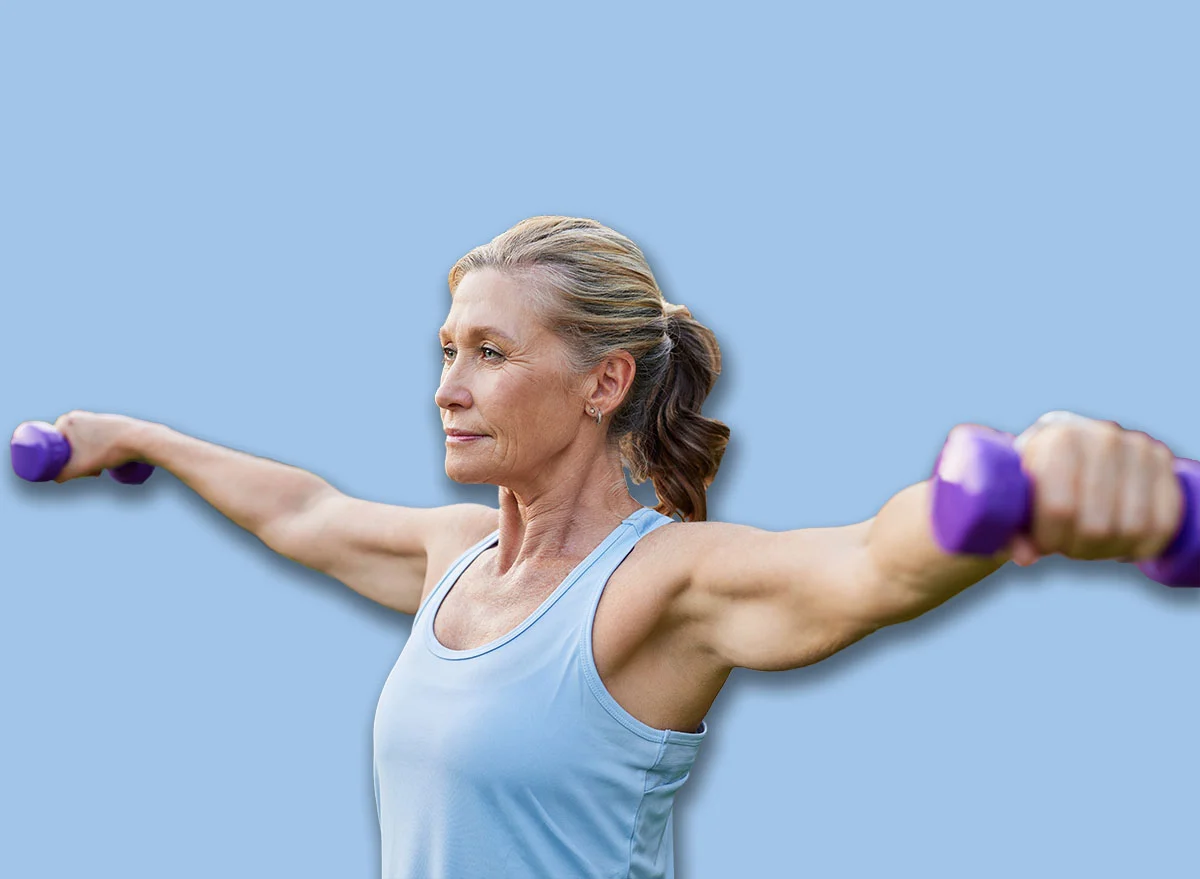
As we navigate the later chapters of life, the focus of fitness often shifts. While cardiovascular health and flexibility remain cornerstones of longevity, there is an often-overlooked pillar that dictates our daily quality of life: functional upper-body strength. Whether you are reaching into a high cabinet for a glass, lifting a bag of groceries, or engaging in a weekend game of golf or tennis, your arms are the primary tools of your independence.
However, the biological reality of aging presents a formidable challenge. Experts warn that without intentional intervention, the very muscle mass required for these daily tasks begins to slip away. By understanding the science of muscle loss and adopting targeted, expert-recommended training routines, adults over 55 can not only maintain their strength but reclaim a level of vitality that keeps them active for decades to come.
The Biological Reality: Understanding Sarcopenia
The decline of muscle mass, medically known as sarcopenia, is a silent process that begins long before we reach our senior years. Research indicates that after the age of 30, adults naturally lose between 3% and 8% of their muscle mass every decade. As we cross the 55-year threshold, this rate of atrophy often accelerates if left unchecked.
This decline is not merely aesthetic; it is a functional crisis. Muscle strength is intrinsically linked to bone density, joint stability, and metabolic health. When arm strength wanes, the burden of movement shifts to joints and ligaments, increasing the risk of injury during mundane tasks. The "yes" that most adults answer when asked if they struggle with daily lifting is a symptom of this systemic decline. Fortunately, the human body remains remarkably adaptive, and strength training serves as the most effective antidote to the aging process.
Expert Insight: Functional Training for the Modern Senior
Nikkii Behrens, a renowned nutritionist, sleep specialist, and founder of Rare Street Pilates, advocates for a paradigm shift in how those over 55 approach the gym. According to Behrens, the goal shouldn’t be isolation-heavy bodybuilding, but rather "functional, real-world strength."
"After 55, I would focus less on complicated or highly isolated exercises and more on movements that build useful, functional upper-body strength while also challenging posture, grip, and stability," Behrens explains. "These moves can all be performed standing with light dumbbells or resistance bands, and the resistance can be progressed gradually."
By focusing on compound movements, seniors can ensure that their muscles work in concert, mirroring the way they interact with their environment at home and in the community.
The Six Pillars of Upper-Body Longevity
To combat muscle loss effectively, Behrens recommends the following six standing exercises. These movements are designed to be accessible, scalable, and highly effective for maintaining the range of motion and power necessary for an active lifestyle.
1. Bicep Curls: The Foundation of Daily Lifting
The bicep curl is more than a classic bodybuilding move; it is a fundamental movement pattern for everyday life. Whether you are carrying groceries, lifting a toddler, or moving a piece of furniture, the biceps act as the primary movers.
- The Technique: Stand tall with a dumbbell in each hand, palms facing forward. Keep your elbows tucked close to your ribs. Slowly curl the weights toward your shoulders, squeezing the bicep at the top, then lower with control.
- The Benefit: By strengthening the biceps, you reduce the strain on your forearms and wrists, allowing for a stronger grip and better endurance during daily chores.
2. Standing Overhead Presses: Empowering High-Shelf Access
Reaching into a high cupboard or placing an object on a top shelf is one of the first movements to become difficult as shoulder mobility and strength decline.
- The Technique: Start with weights at shoulder height, elbows bent. Press the weights upward until your arms are fully extended overhead, then slowly return to the starting position.
- The Benefit: Beyond the shoulders and triceps, this move requires significant engagement from the core. It trains the body to stabilize the spine while moving weight, which is essential for preventing back injuries during overhead tasks.
3. Standing Bent-Over Rows: Correcting the "Forward Slump"
Modern life, characterized by long periods of sitting and screen use, pulls the shoulders forward and rounds the back. Bent-over rows are the corrective counter-movement.
- The Technique: Hinge forward at the hips with a flat back, holding weights. Pull the weights toward your hip crease, squeezing your shoulder blades together.
- The Benefit: This strengthens the upper back and rear deltoids, which are crucial for maintaining an upright, healthy posture. It balances the muscles that are chronically overstretched by our sedentary habits.
4. Lateral Raises: Controlled Range of Motion
Shoulder stability is essential for everything from throwing a ball to putting on a coat. Lateral raises isolate the middle deltoid, improving the strength of the shoulder joint through its full range of motion.
- The Technique: Stand with feet shoulder-width apart. Raise your arms out to the sides until they are parallel to the floor, then lower them slowly.
- The Benefit: Behrens emphasizes that heavy weight is unnecessary here. The focus is on control and isolation, which helps stabilize the shoulder girdle and prevents the common "frozen shoulder" issues that plague many older adults.
5. Standing Overhead Tricep Extensions: Pushing Power
The triceps are the back-of-the-arm muscles responsible for all "pushing" motions. If your triceps are weak, your ability to get up from a chair or push a heavy door open becomes compromised.
- The Technique: Hold one dumbbell with both hands, lifting it over your head. Keep your elbows close to your ears as you lower the weight behind your head, then extend your arms upward.
- The Benefit: For those with limited shoulder mobility, Behrens suggests a modification: using a resistance band for a triceps push-down. This provides the same muscular benefit with less stress on the joint capsule.
6. Resistance Band Pull-Aparts: The Posture Protector
Often overlooked, the resistance band pull-apart is perhaps the most effective exercise for long-term shoulder health.
- The Technique: Hold a resistance band in front of you with both hands. Keeping your arms straight, pull the band apart until it touches your chest, focusing on the squeeze between your shoulder blades.
- The Benefit: This move is a "posture reset." It targets the muscles that support the shoulder blades, which is critical for preventing the "hunchback" appearance often associated with aging.
Implications for Longevity and Independence
The decision to incorporate these six movements into your weekly routine has implications that extend far beyond the gym floor. Research consistently shows that resistance training improves bone mineral density, reducing the risk of osteoporosis-related fractures. Furthermore, by maintaining muscle mass, seniors boost their basal metabolic rate, helping to manage body composition and reduce the risk of type 2 diabetes.
However, the most profound implication is psychological. The confidence that comes from knowing your body can handle the demands of your environment is a key factor in maintaining an active social life. When you no longer fear the physical exertion of travel, gardening, or playing with grandchildren, you remain engaged with the world.
Conclusion: A Call to Consistency
It is important to note that these exercises are not a "quick fix." They are a maintenance program for the human machine. Consistency, not intensity, is the goal. By dedicating even 20 to 30 minutes twice a week to these movements, individuals over 55 can successfully buffer the effects of aging, keeping their bodies as capable and resilient as their minds.
As you embark on this journey, remember the advice of experts like Nikkii Behrens: start light, prioritize form, and listen to your body. Your arms are the tools with which you navigate your life—investing in them is the best way to ensure you can continue to reach for whatever comes next.
