

By Jeremy Rellosa
October 8, 2026
The ballroom was transformed into a shimmering echo of the 1980s, complete with neon accents, synthesizers pulsating through the air, and the unmistakable spirit of a generation that has seen the world change faster than the blink of an eye. This was not a high-school gymnasium, but the New Jewish Home on Manhattan’s Upper West Side. Here, the residents, many of whom have spent nearly a century witnessing the evolution of New York City, traded their daily routines for the magic of a senior prom.
Organized by the community-service powerhouse New York Cares, the event served as a poignant reminder that the desire for connection, celebration, and glamour does not diminish with age. As the disco lights spun, the residents weren’t just "seniors" in a care facility; they were dancers, storytellers, and keepers of history, draped in their finest for a night of intergenerational joy.
The Main Event: Bridging Generations Through Dance
The atmosphere inside the New Jewish Home was electric. For many residents, the evening was a trip back to a simpler, albeit more structured, era of courtship and music. The event was meticulously curated to evoke the 1980s—a decade defined by bold fashion and iconic pop culture—but the stories shared by the attendees spanned much further back, stretching into the mid-20th century and beyond.
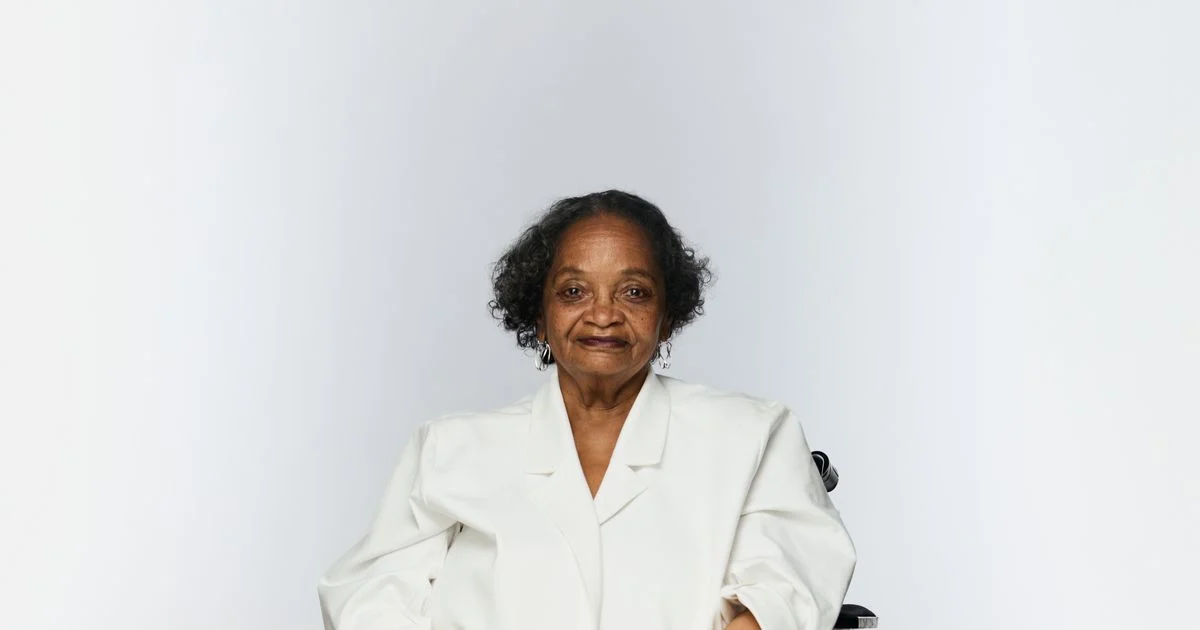
Alva Kaalund, a retired actress and literacy-program manager, stood out as a centerpiece of the evening. Dressed with the poise of a woman who spent her life gracing the stages of the Apollo and Carnegie Hall, Kaalund reflected on the nature of prom itself. "My first boyfriend left me high and dry just before it, and another guy took me," she recalled with a laugh that suggested the sting had long since faded. "It’s still embarrassing, but my parents asked his parents."
Her memories of that original prom night at the Waldorf Astoria—a night of "sophisticated" dresses and the smooth crooning of Johnny Mathis—offered a stark, elegant contrast to the upbeat, neon-infused energy of the current celebration. It served as a reminder that while the music may change from the big-band sounds of the 1940s to the synth-pop of the 1980s, the human desire to dress up, show up, and be seen remains constant.
Chronology of a Lifetime: From the Apollo to the Dance Floor
To understand the weight of the evening, one must look at the lives represented on the dance floor. These residents are not merely observers of history; they are its architects.
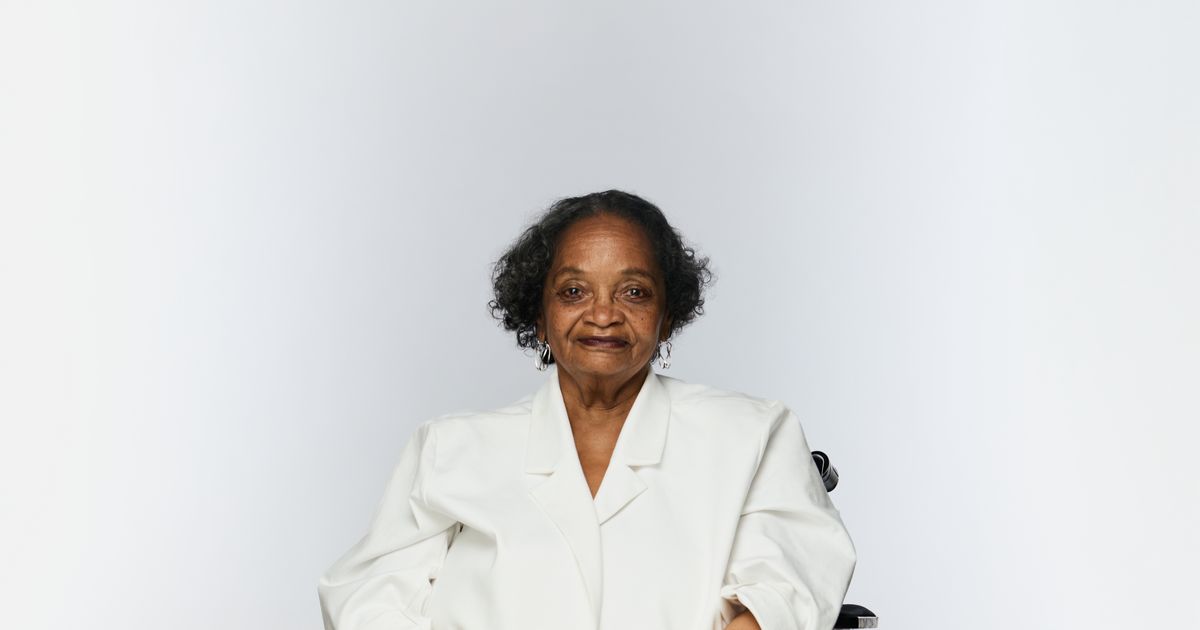
- The Performative Past: Alva Kaalund’s career is a testament to the cultural vibrancy of New York. Her work at the Apollo—a venue that has served as the heartbeat of African American culture—involved "militant poetry" set to African drums. She describes a time when audiences were shocked, then moved, by the raw power of the spoken word.
- The Working Class Foundation: Other residents, such as John Radice, a former restaurant worker, brought the rhythm of the city’s service industry to the dance floor. Radice, who spent his working years in the bustling Italian eateries of the mid-century, found himself transported by the music. "Sinatra’s playing right now," he noted, mid-waltz. "Can I go back to the dance floor to listen to that record?"
- The Witness to Progress: The longest-serving "historians" in the room were perhaps best represented by Lilian Hall, who is approaching her 103rd birthday. Her perspective is one of profound transition. Having lived through the horse-and-buggy era, she now finds herself contemplating the rise of artificial intelligence with a mix of awe and trepidation. "Everything is going to be automatic," she said. "It’s scary because during my time, I remember the horse and buggy."
Supporting Data: The Importance of Social Engagement for Seniors
The Senior Prom is more than just a party; it is a vital intervention against the epidemic of loneliness that often plagues the elderly. Research from the AARP and the National Institute on Aging suggests that social isolation in seniors is linked to higher risks of cardiovascular disease, depression, and cognitive decline.
Events like this, facilitated by New York Cares, provide a structured environment for social interaction, which is a key metric in the "Successful Aging" framework. By creating an atmosphere of celebration—rather than just clinical care—the New Jewish Home allows residents to reclaim their identities outside of their medical status.
Furthermore, the data on "intergenerational connection" is clear: when younger volunteers from New York Cares interact with seniors, both groups benefit. The volunteers gain perspective and historical context, while the residents experience a boost in self-esteem and a reduction in depressive symptoms. The dance floor becomes a space for the exchange of social capital, where a 103-year-old’s wisdom is traded for the energy of a younger generation.
Official Responses and Institutional Vision
The New Jewish Home has long championed a model of care that prioritizes dignity and community integration. Representatives from the facility noted that the "Look Book" approach—which focuses on the personal style, history, and individual flair of residents—is essential to their mission.
"We want our residents to be seen as the vibrant individuals they are," said a spokesperson for the facility. "When you ask someone about their prom night, you aren’t asking them about their medical history. You are asking them about their joys, their heartbreaks, and their fashion choices. That shift in perspective is transformative."
New York Cares, which mobilizes thousands of volunteers across the five boroughs, views these events as essential infrastructure for the city. By organizing these "lifestyle" events, they ensure that the elderly remain connected to the cultural pulse of New York City, proving that one is never too old to participate in the "Look Book" culture of the metropolis.
Implications: The Future of Aging in New York
As the city continues to age, the model of senior living is undergoing a necessary pivot. The "senior prom" is a microcosmic example of a larger trend: the movement toward "lifestyle-integrated care."

The Shift Toward Experiential Care
The success of this event suggests that the future of senior care lies in experiential programming. It is no longer enough to provide food and medicine; institutions must provide opportunities for self-expression. From bingo nights and modern interpretations of classic games like Uno—which residents like Mary Holmes are quick to adapt to, even with new rules—to full-scale dance events, the goal is to keep the mind engaged and the spirit active.
Navigating the Digital Divide
However, the evening also highlighted a growing divide. As Lilian Hall pointed out, the rapid pace of technological change creates a sense of alienation for those who grew up in a world of physical, manual labor and analog social structures. The challenge for future care providers is to bridge this gap, using technology not as a replacement for human interaction, but as a tool to facilitate it.
Preserving the Legacy
The residents of the New Jewish Home are a bridge to a New York that is rapidly disappearing. Their stories—of the Copacabana, of the Apollo, of the transition from horses to high-speed automation—are the city’s oral history. By giving them a platform to share these stories during a night of celebration, the community is not only honoring their past but enriching the present.
As the final notes of the night faded and the neon lights were dimmed, the residents returned to their rooms, but the atmosphere in the halls remained shifted. They had been reminded of their roles as dancers, as stars of their own "Look Books," and as integral parts of a city that—despite its constant, frantic reinvention—still knows how to throw a party for those who built it.
The Senior Prom was a testament to a simple truth: life, at any age, is meant to be lived with a bit of glitz, a touch of music, and the company of those who share your story.
