


By Automotive Intelligence Desk
As we move deeper into the final quarter of 2026, the automotive industry finds itself at a profound crossroads. From the shifting consumer preferences in North America to the regulatory tightening in Europe and the geopolitical maneuvering of Japanese manufacturers in Southeast Asia, the global landscape is changing rapidly. This morning, we break down the most critical headlines shaping the industry, offering a comprehensive look at the market dynamics that will dictate the road ahead.
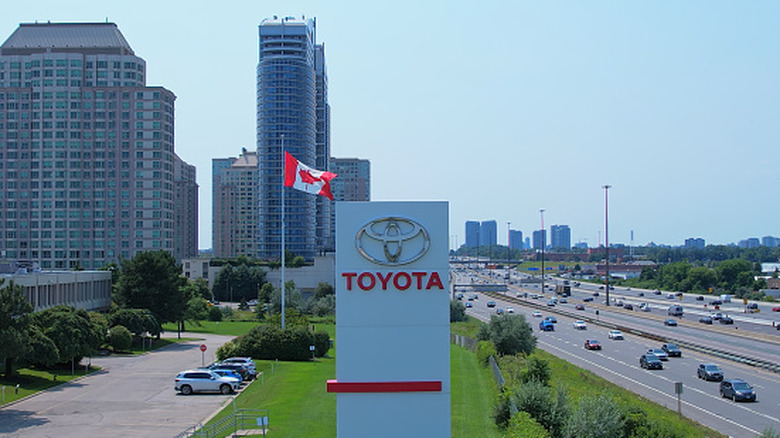
1st Gear: The Canadian Shift Toward European Automotive Standards
For decades, the Canadian automotive market has been inextricably linked to the United States. Due to proximity, trade agreements, and shared infrastructure, the Canadian driver has historically been offered the same high-consumption, truck-heavy portfolio as their American neighbors. However, a significant cultural and economic pivot is underway.

A Departure from the American Model
According to a recent study commissioned by the think tank Clean Energy Canada and conducted by Abacus Data, the North American status quo is losing its appeal. The survey, which polled nearly 2,800 Canadian adults, revealed that 47% of respondents now prefer a vehicle market that mirrors the European model—defined by a higher density of compact, efficient, and electric vehicles (EVs). In stark contrast, only 21% of participants indicated a preference for continued alignment with the U.S. market.
Economic and Political Drivers
This desire for change is not merely aesthetic. Canada is currently grappling with persistent affordability issues, exacerbated by volatile tariffs and strained North American supply chain logistics. As the Canadian government explores the possibility of associate membership in the European Union, there is a growing sentiment that the European approach to urban mobility—prioritizing space-efficient design and electrification—aligns better with Canadian environmental goals and urban planning needs than the oversized, gasoline-reliant vehicles dominating the U.S. landscape.
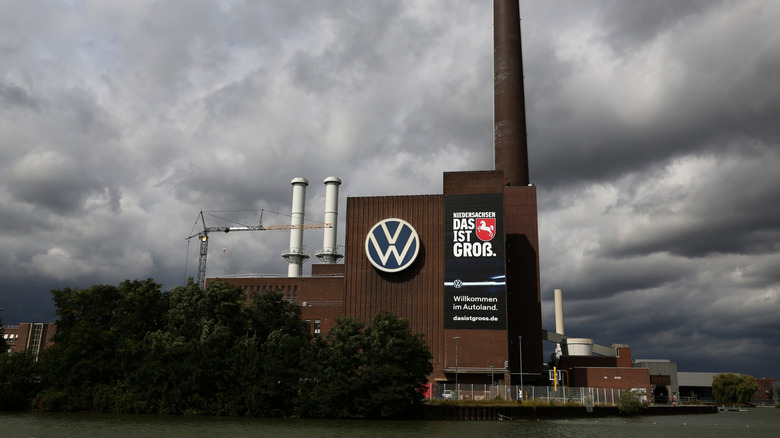
2nd Gear: Volkswagen Faces Regulatory Scrutiny over Disclosure
In Germany, the automotive giant Volkswagen is navigating a turbulent fiscal period, complicated by a $1.3 million (€1.2 million) fine levied by the Federal Financial Supervisory Authority (BaFin). The fine underscores the tension between corporate cost-cutting measures and the legal requirements of financial transparency.

The Compliance Failure
BaFin’s ruling, delivered on Friday, centers on Volkswagen’s failure to provide timely, "ad hoc" disclosures to investors. The regulator noted that during the 2023 financial year, Volkswagen’s performance forecasts significantly exceeded market expectations. Under German financial law, such market-moving information must be released through a specific, immediate channel to ensure all investors have equal access to information.
Volkswagen, however, opted to communicate this data via a general press release. While the company maintains that a press release constitutes a public disclosure, regulators viewed the move as an attempt to control the narrative without meeting the legal standard for "ad hoc" financial announcements.
Broader Implications for VW
This fine comes at a time when Volkswagen is already under intense pressure to restructure. With plans to eliminate approximately 50,000 jobs and reduce its vehicle lineup by 50% to combat rising competition from Chinese manufacturers and the burden of U.S. tariffs, the company’s internal compliance culture is being heavily scrutinized. The incident serves as a cautionary tale: as legacy automakers attempt to shrink their way back to profitability, the margin for error in administrative and legal compliance remains razor-thin.
3rd Gear: Honda’s Strategic Pivot in Southeast Asia
The automotive industry is observing a fascinating evolution in product strategy at Honda. While the company’s Ridgeline has enjoyed a loyal following in North America, critics have long argued that its unibody architecture disqualifies it from the "true truck" category. Honda appears to be listening, though they are choosing to address the segment in a market far removed from the U.S.
The Mitsubishi Triton Partnership
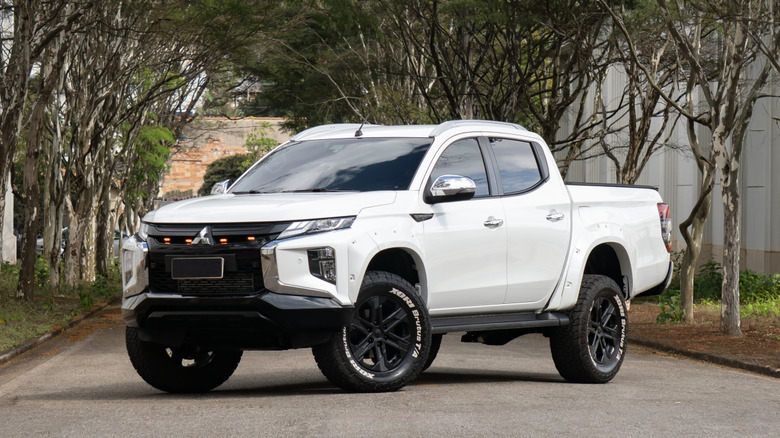
Reports emerging from Tokyo suggest that Honda is planning to enter the body-on-frame truck market in Southeast Asia by rebadging the Mitsubishi Triton. This move is largely seen as a defensive strategy to mitigate declining sales in China, a market that has historically been a profit center for the manufacturer.
By leveraging Mitsubishi’s established platform, Honda can bypass the massive R&D costs associated with developing a new, heavy-duty truck from scratch. If the reports are accurate, the vehicle could see a release as early as 2028. While a Honda spokesperson in Tokyo has officially declined to comment, the industry consensus is that this is a necessary hedge against Honda’s dwindling footprint in the Chinese market.
4th Gear: Tesla’s Shanghai Factory and the Export Engine
Despite a challenging year for the electric vehicle (EV) sector in the United States, Tesla’s Shanghai Gigafactory continues to operate as a vital, if not essential, pillar of the company’s global strategy.
Export-Driven Growth
According to data from the China Passenger Car Association, Tesla’s China-made vehicle sales in September 2026 reached 95,366 units, a notable increase from the 90,812 units recorded in the same period last year. This marks the 11th consecutive month of year-over-year growth.
Crucially, the success of the Shanghai facility is increasingly dependent on the export market. With demand for the Model 3 and Model Y cooling domestically in China—prompting Tesla to offer significant incentives—the factory is effectively buoyed by demand from Europe, the Asia-Pacific region, and, increasingly, Canada.
Future Risks
Tesla is on track for a growth-positive year in 2026, but market analysts warn that the company’s reliance on the Shanghai factory for global exports is a double-edged sword. Any shifts in international trade policy, particularly regarding tariffs on Chinese-made vehicles, could rapidly alter the company’s profit margins. Furthermore, the volatility of the EV market in the U.S., combined with shifting public perception surrounding the company’s leadership, makes the 2027 outlook for Tesla particularly difficult to forecast.
Implications: The Road Ahead
The headlines of October 9, 2026, paint a picture of an industry in transition. Three distinct themes emerge:
- Market Decoupling: Canada’s desire for a European-style vehicle market suggests that the "North American standard" is no longer a monolith. As consumers in colder, more urbanized regions demand smaller, electrified options, manufacturers will be forced to diversify their offerings, potentially creating a wider gap between Canadian and American showroom floors.
- Regulatory Rigor: The fine against Volkswagen illustrates that as legacy automakers struggle with declining sales and massive restructuring, regulatory bodies like BaFin are increasingly intolerant of "shortcut" communications. Transparency, even in lean times, remains a legal mandate.
- Regional Pragmatism: The rumored Honda-Mitsubishi partnership highlights a shift toward pragmatic alliances. In the face of a slowing Chinese economy, major manufacturers are looking to regional partnerships to maintain volume, opting for rebadging over expensive, independent development.
Data Summary
| Metric | Status | Trend |
|---|---|---|
| Canadian EV Preference | 47% Support | Upward |
| Volkswagen Compliance Fine | $1.3 Million | High Scrutiny |
| Tesla Shanghai Exports | 95,366 Units | 11-Month Growth |
As the automotive sector enters the final stretch of 2026, the winners will be those who can balance the need for rapid cost-cutting with the demands of an increasingly sophisticated, environmentally conscious, and globally connected consumer base. The era of the "one-size-fits-all" car market is clearly fading into the rearview mirror.
