

It is mid-autumn in New York City, a time when the streets are typically awash in the frenetic, trend-chasing energy of the fashion capital. Yet, if one looks closely at the sidewalk style in SoHo or the West Village, a distinct shift is occurring. The silhouettes are softening, the color palettes are grounding, and the general air of "trying too hard" is being replaced by an effortless, almost nonchalant sophistication. For many, this seasonal transition hasn’t been inspired by the latest runway spectacles, but rather by the enduring, quiet confidence of Parisian style.
As a fashion observer, I have found myself inexplicably drawn to the French aesthetic. Whether it is the subtle influence of Parisian color trends or the practical, understated elegance of flat-shoe trends currently favored by the women of the Marais, the allure is undeniable. I have never received more compliments on my wardrobe than I have since I began pivoting toward this European sensibility. This led me to a necessary introspection: What exactly makes this style so inherently "French," and why does it feel so refreshing in the current fashion climate? The answer, I discovered, lies in the basics—specifically, the anti-trend.
The Philosophy of the Anti-Trend
In an era of micro-trends and "core" aesthetics that rise and fall within the span of a single TikTok cycle, the French approach to style is a radical act of resistance. The Parisian wardrobe is not built on the foundation of what is "new" or "viral," but rather on a curated collection of workhorse items that defy the passage of time. These are the anti-trend pieces—garments that remain relevant year after year, season after season.
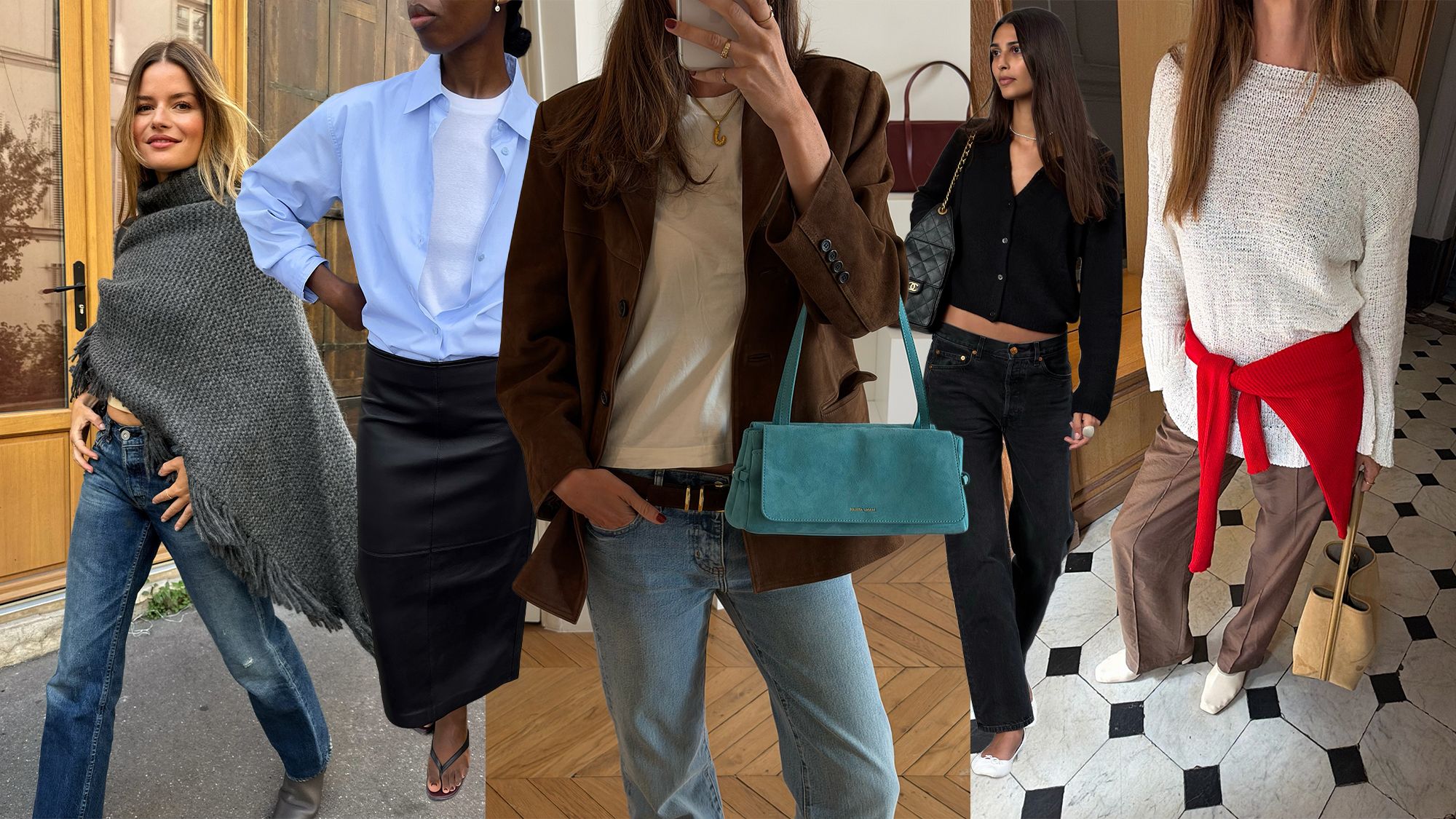
When we speak of the "anti-trend," we are referring to items that possess structural integrity and stylistic longevity. A crewneck cardigan, a leather column skirt, or a perfectly cut blazer are not designed to be discarded. They are designed to serve, to be styled in infinite combinations, and to provide the wearer with a sense of sartorial ease. This is the secret to the French look: it is a rejection of the disposable in favor of the essential. By investing in these staples, one finds that the daily anxiety of "what to wear" vanishes, replaced by a reliable rotation that feels both polished and deeply personal.
Chronology of a Style Movement
The fascination with French style is, of course, nothing new. It is a lineage that traces back to the mid-20th century, influenced by icons like Françoise Hardy, Jane Birkin, and later, the editors and stylists who defined the "French Girl" archetype in the early 2000s. However, the current iteration we are seeing in 2026 differs from its predecessors.
In the 2010s, the "French Girl" look was often heavily stylized, bordering on a costume of stripes and berets. Today’s movement is more nuanced. It is rooted in a post-pandemic desire for longevity. Following the supply chain disruptions of the early 2020s and the rising awareness regarding sustainable consumption, fashion consumers have pivoted toward "investment dressing."
By 2024, the "quiet luxury" movement began to bridge the gap between American excess and European minimalism. By the fall of 2026, this has matured into a full-blown adoption of the Parisian anti-trend. This shift is characterized by a move away from logo-heavy pieces toward textures, silhouettes, and fabrics—suede, leather, cashmere, and high-quality denim—that speak for themselves without the need for branding.
The 6 Essential Anti-Trend Items for Fall 2026
To understand how to master this aesthetic, one must look at the specific items that constitute the modern Parisian uniform. These six pieces form the backbone of a functional, chic wardrobe.
1. The Suede Blazer
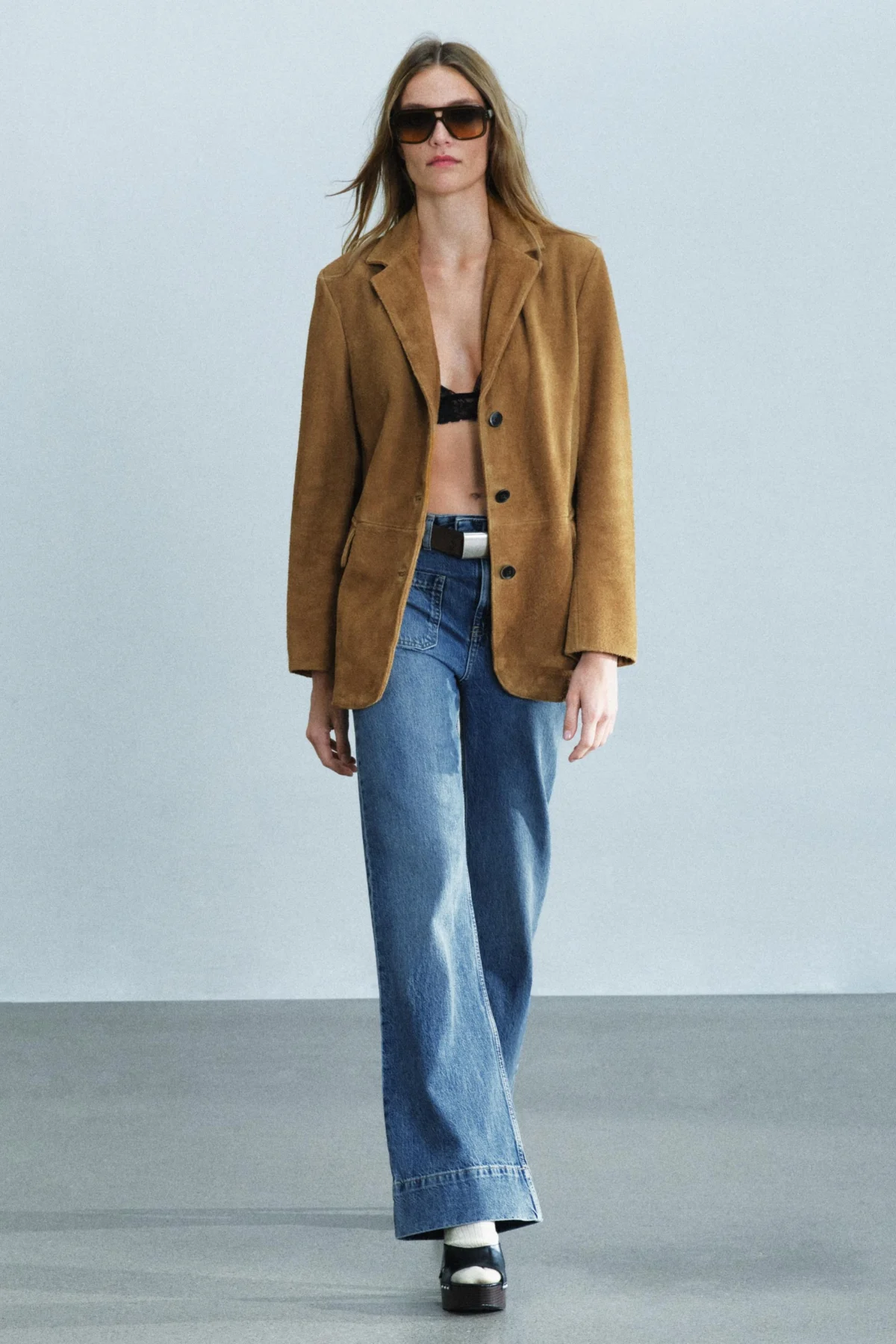
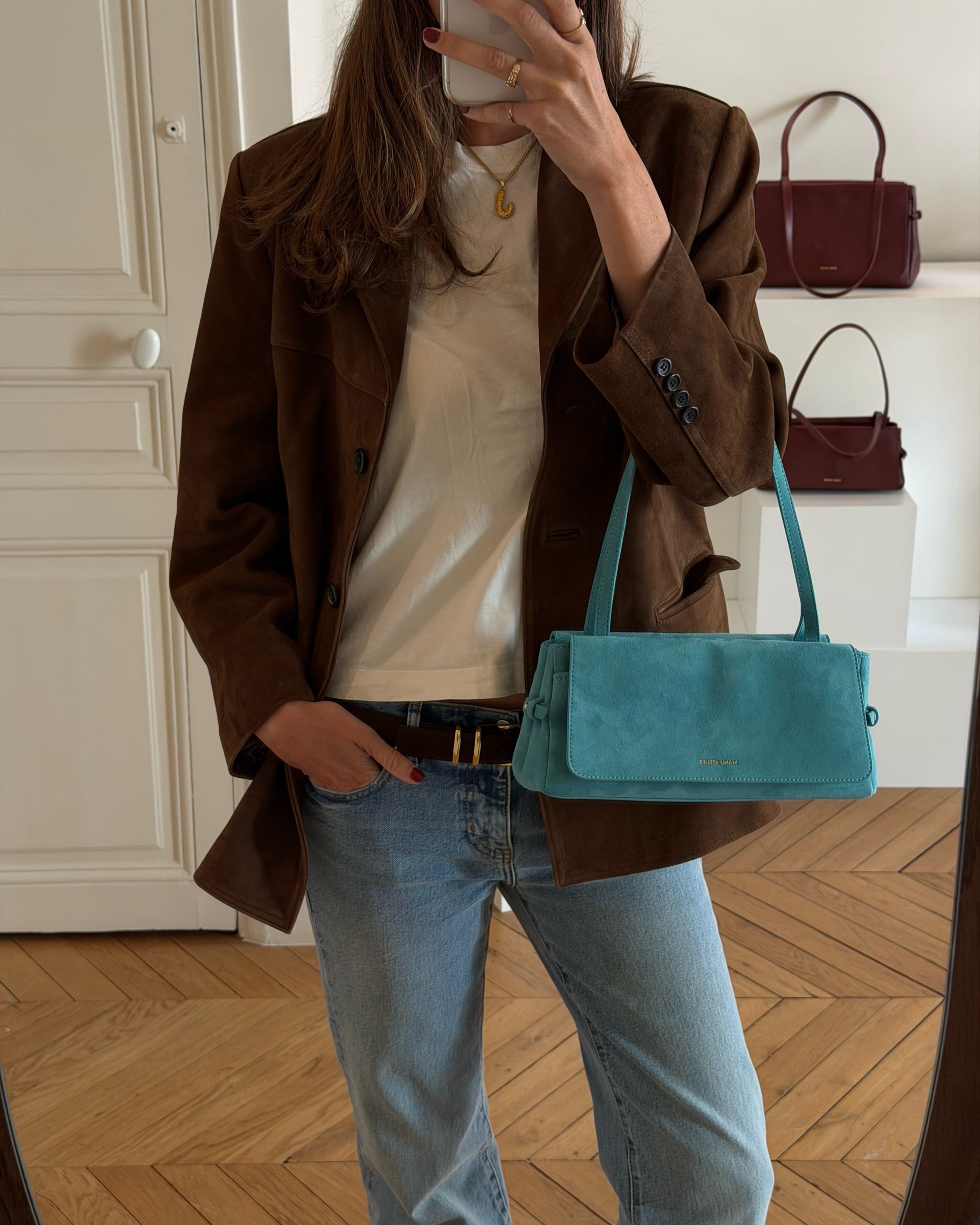
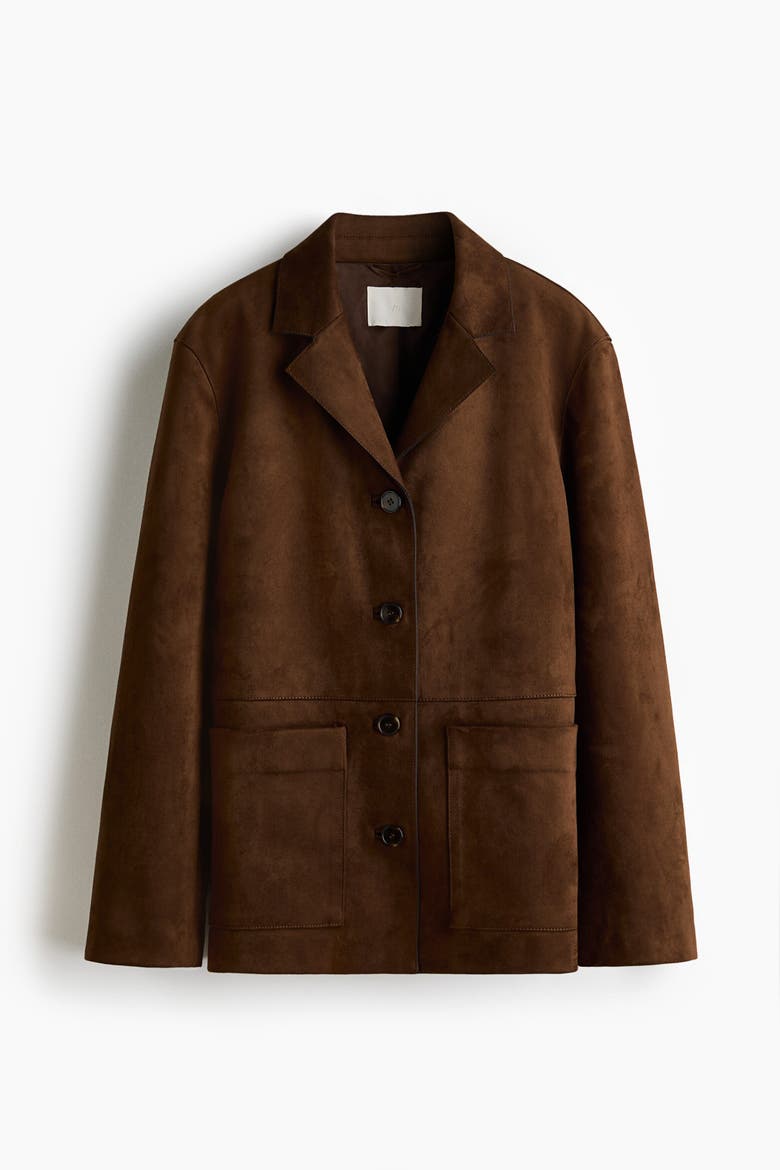
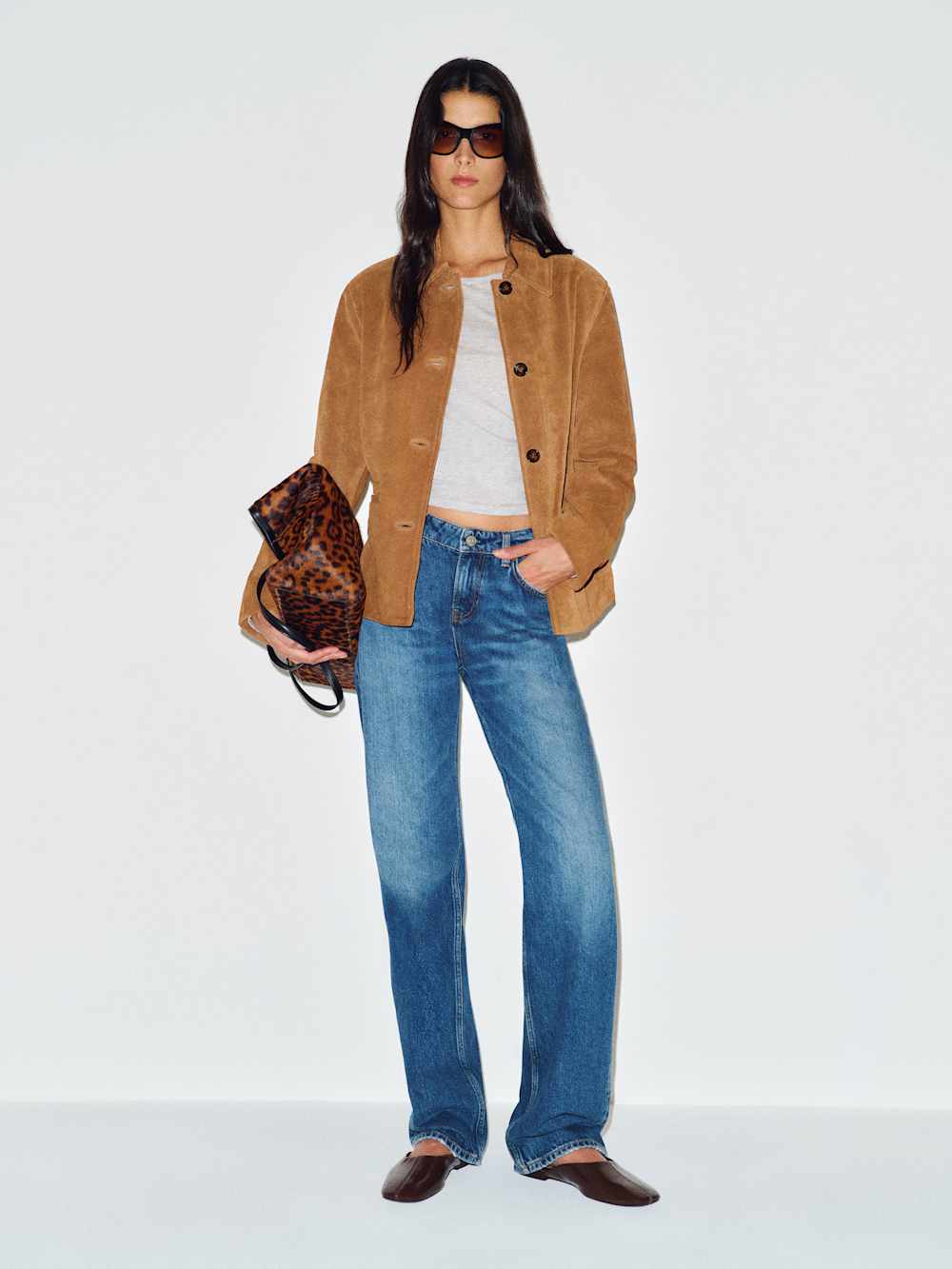
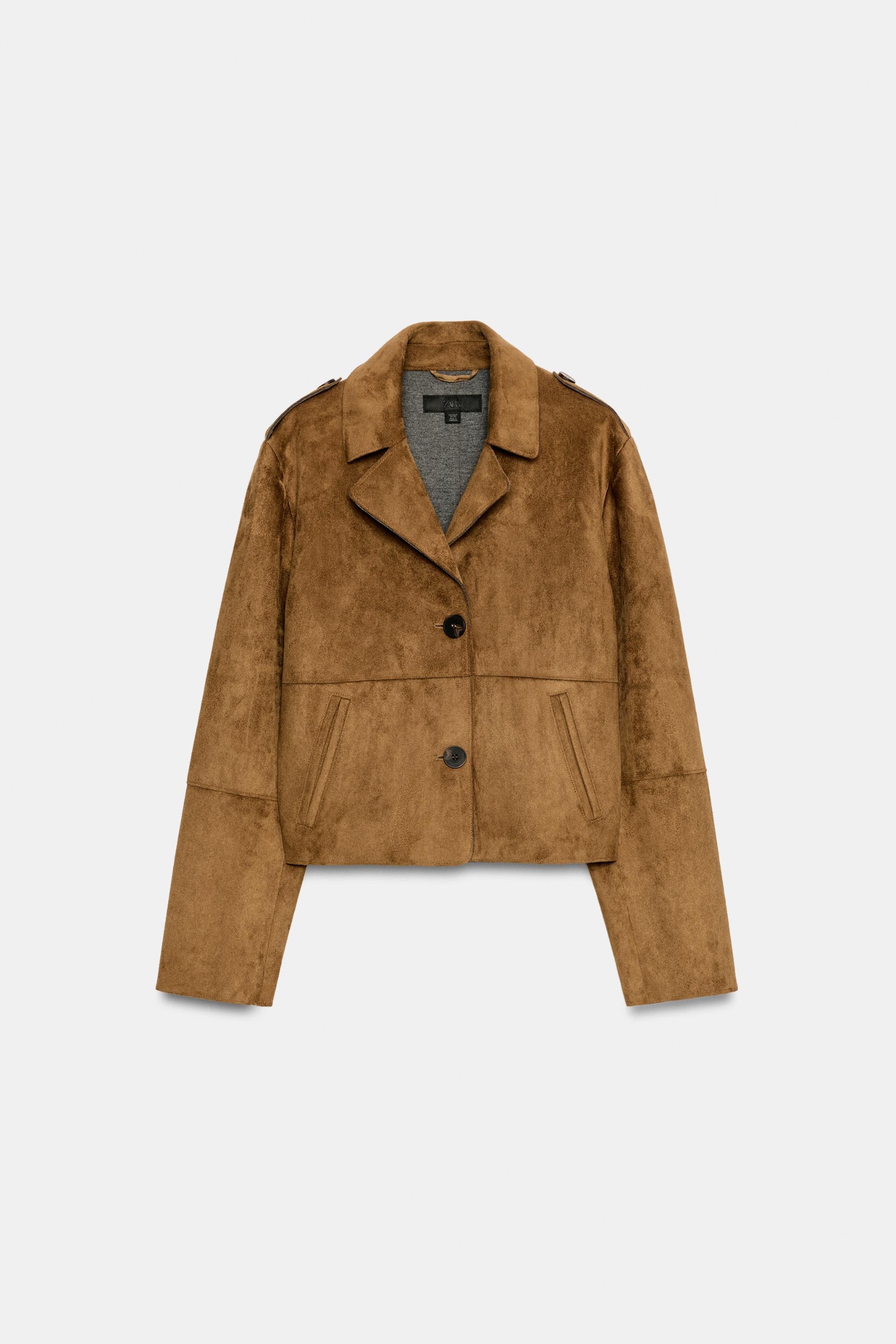
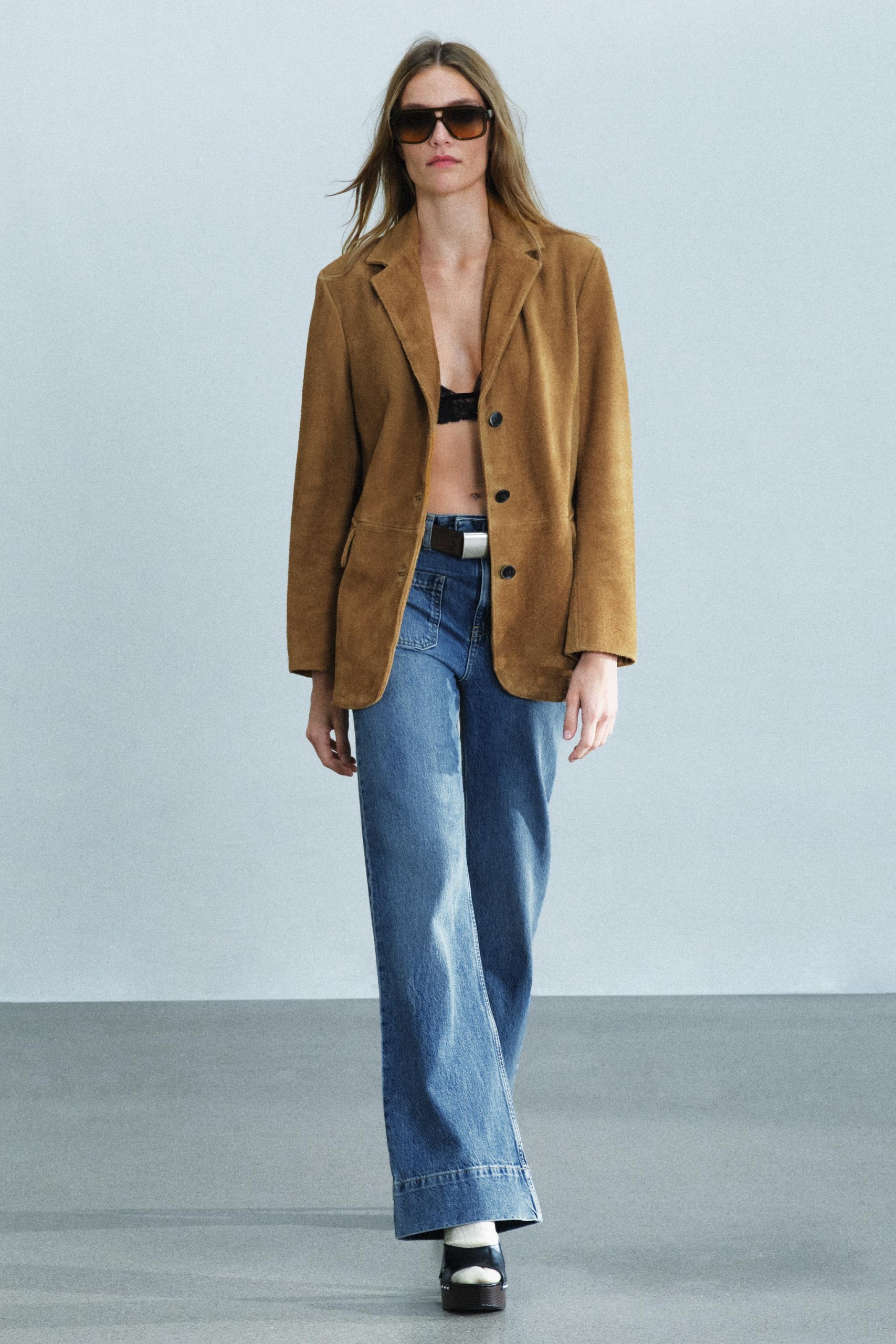
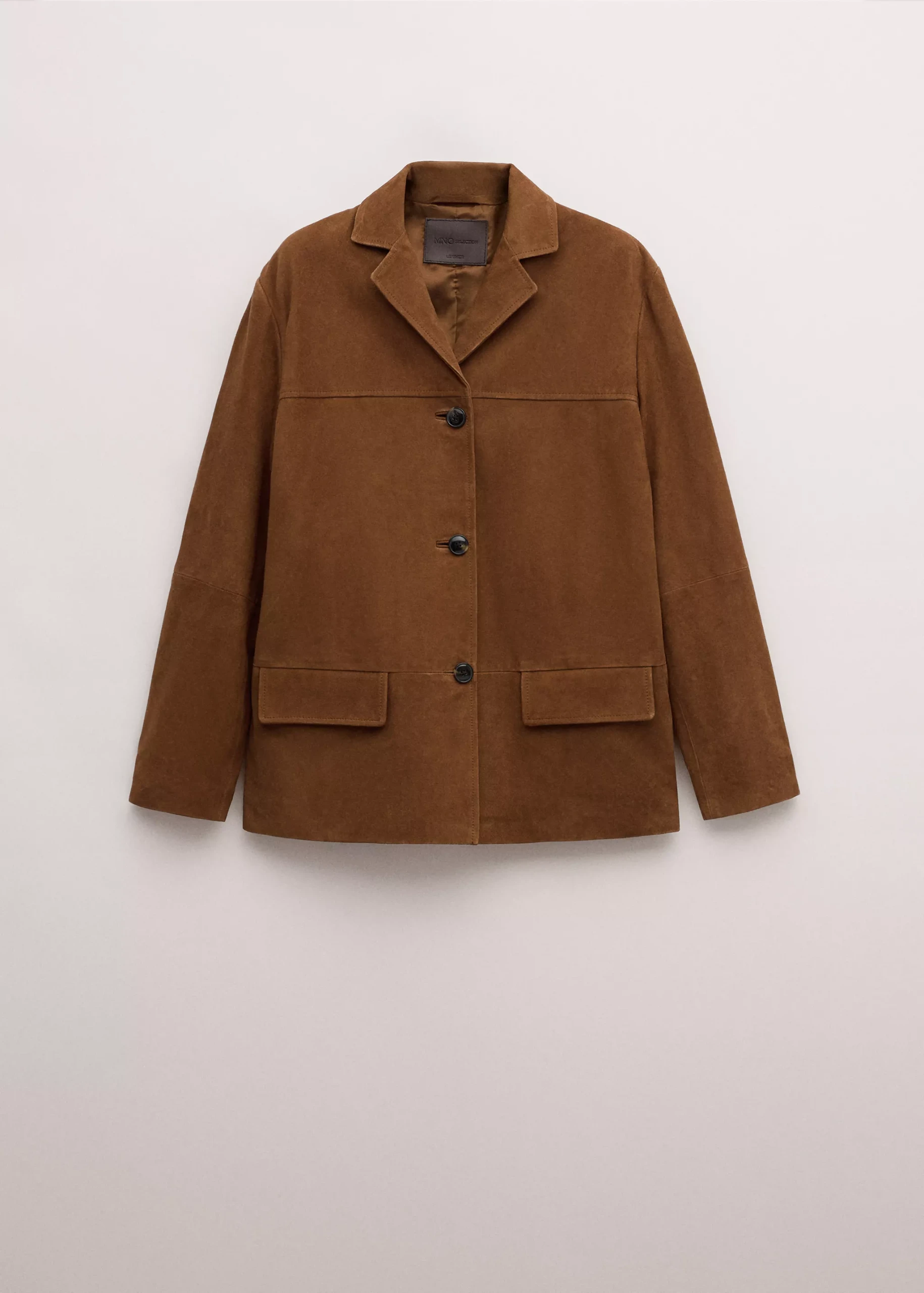
The suede blazer is the ultimate expression of tactile luxury. Unlike the stiff wool blazers often found in professional wardrobes, a suede version offers a relaxed, lived-in texture that feels inherently sophisticated. It is a piece that transitions seamlessly from day to night—paired with a white T-shirt and jeans for a coffee run, or draped over a silk slip dress for an evening event. It provides the "sharpness" of a structured jacket without the rigidity, making it a low-effort staple that delivers immediate polish.
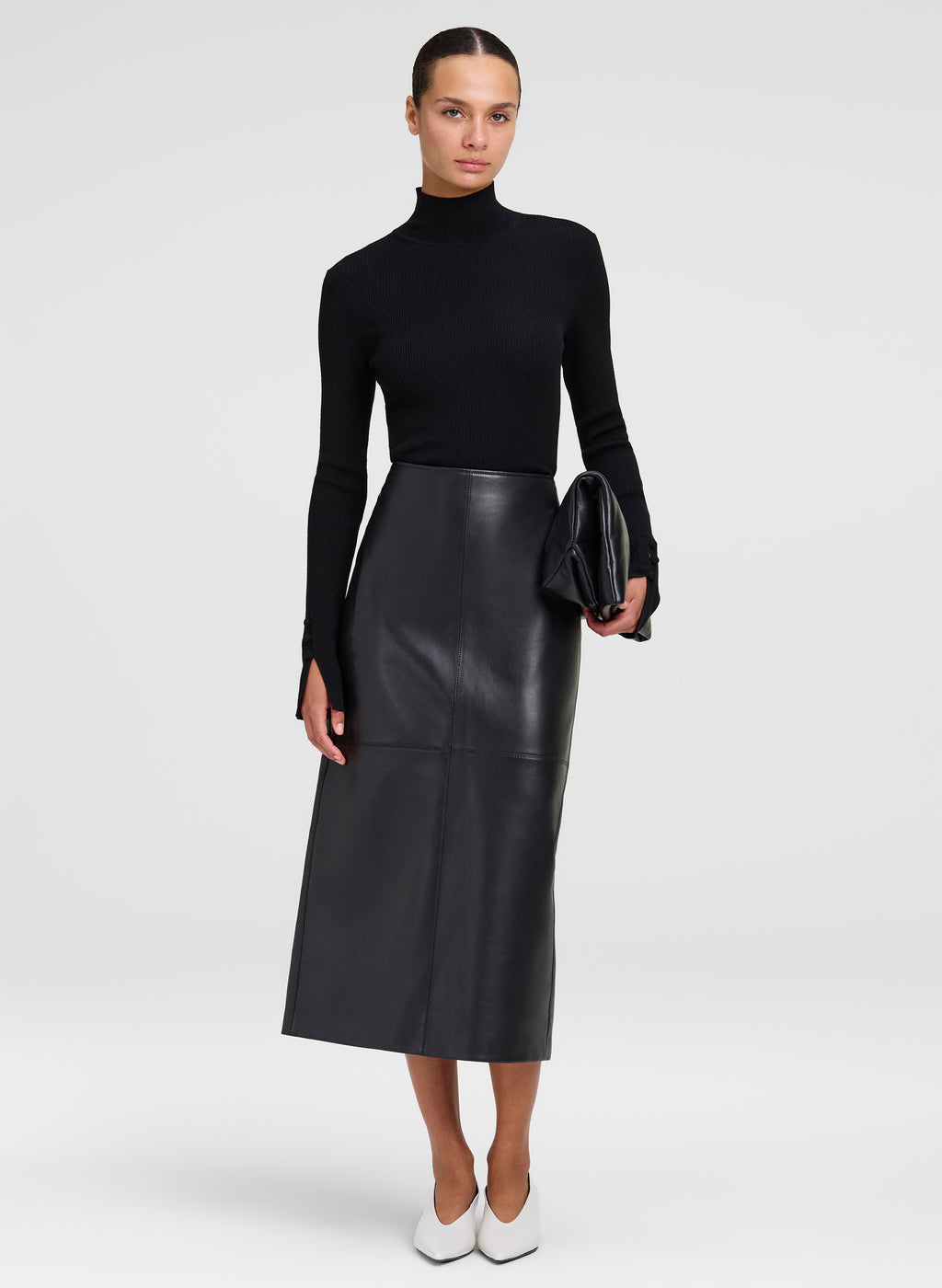
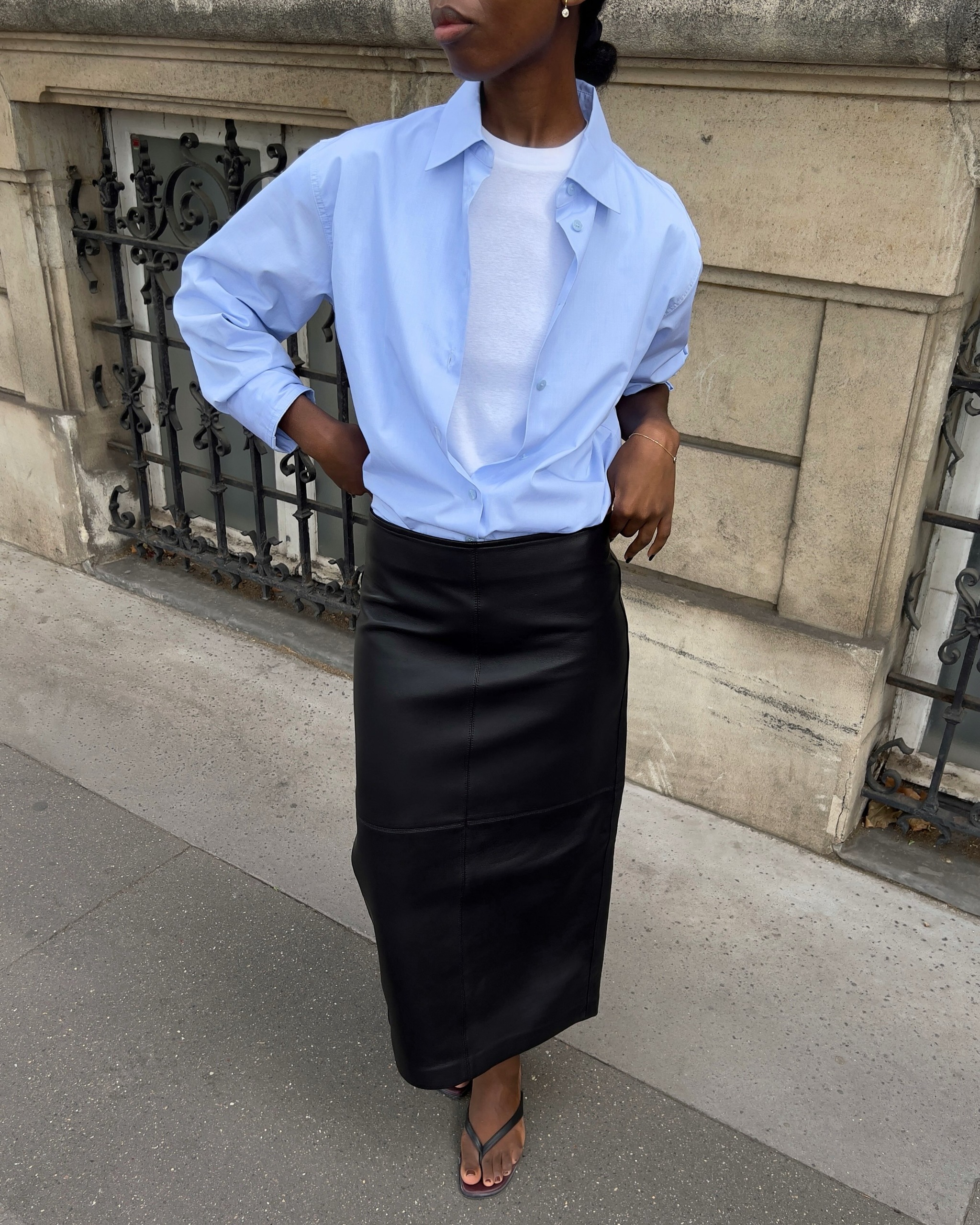
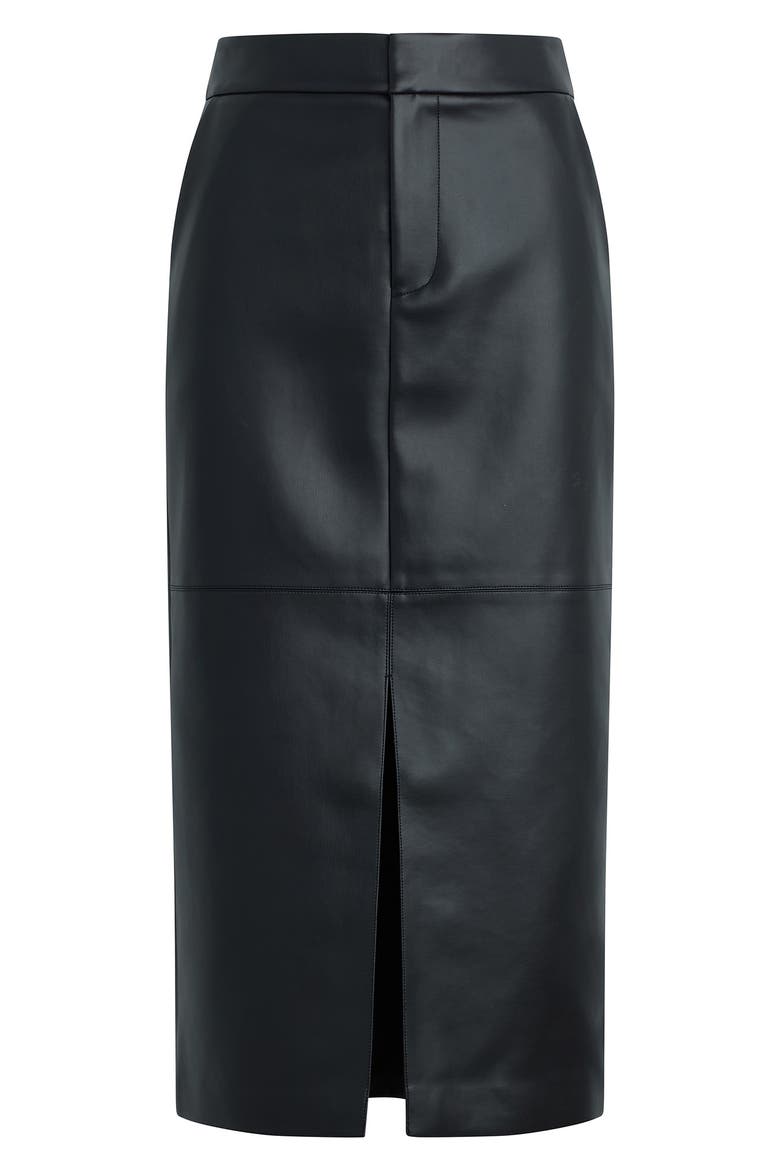
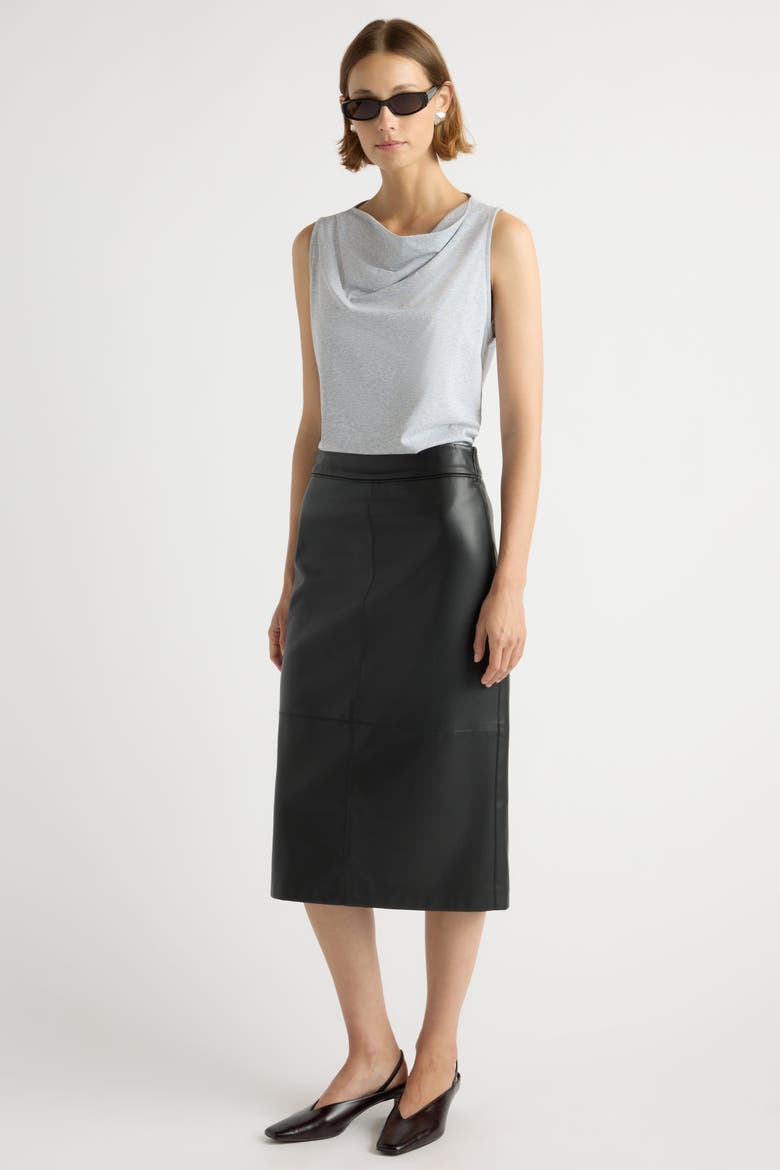
2. The Leather Column Skirt
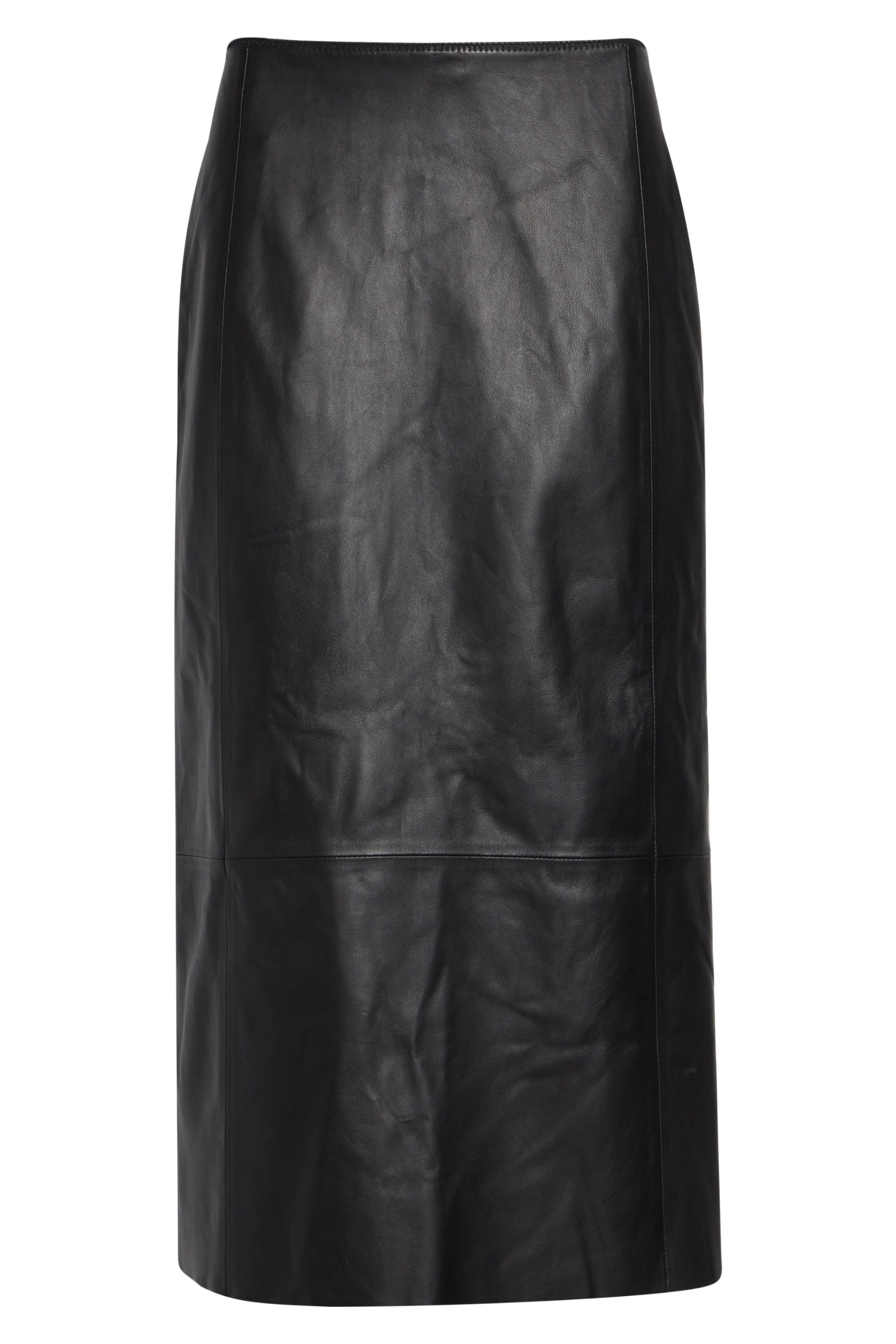
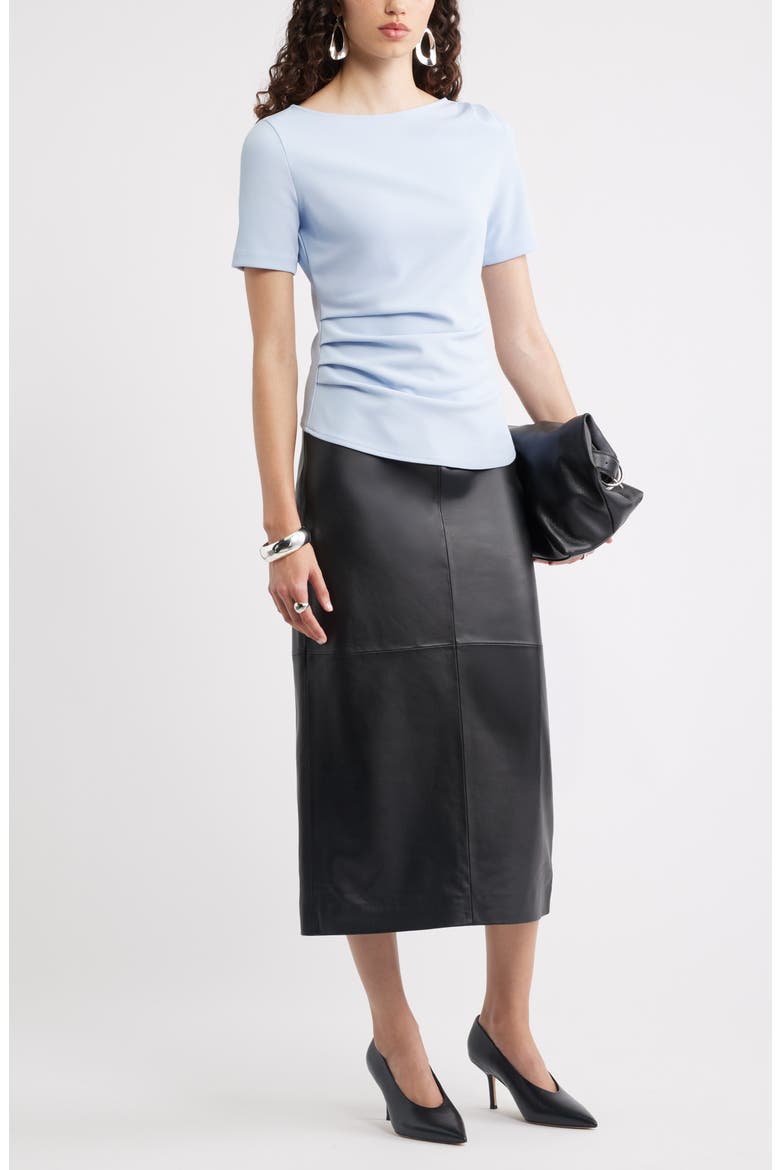
If there is one item that has redefined the silhouette of the season, it is the leather column skirt. Its clean, vertical lines create a flattering, elongated shape that feels both modern and timeless. Brands like A.L.C. have championed this look, and industry leaders, including those in the highest echelons of fashion publishing, have identified it as a foundational piece. It is versatile enough to be worn with a chunky knit for a casual daytime look or a slim-fitting bodysuit for a more structured aesthetic.
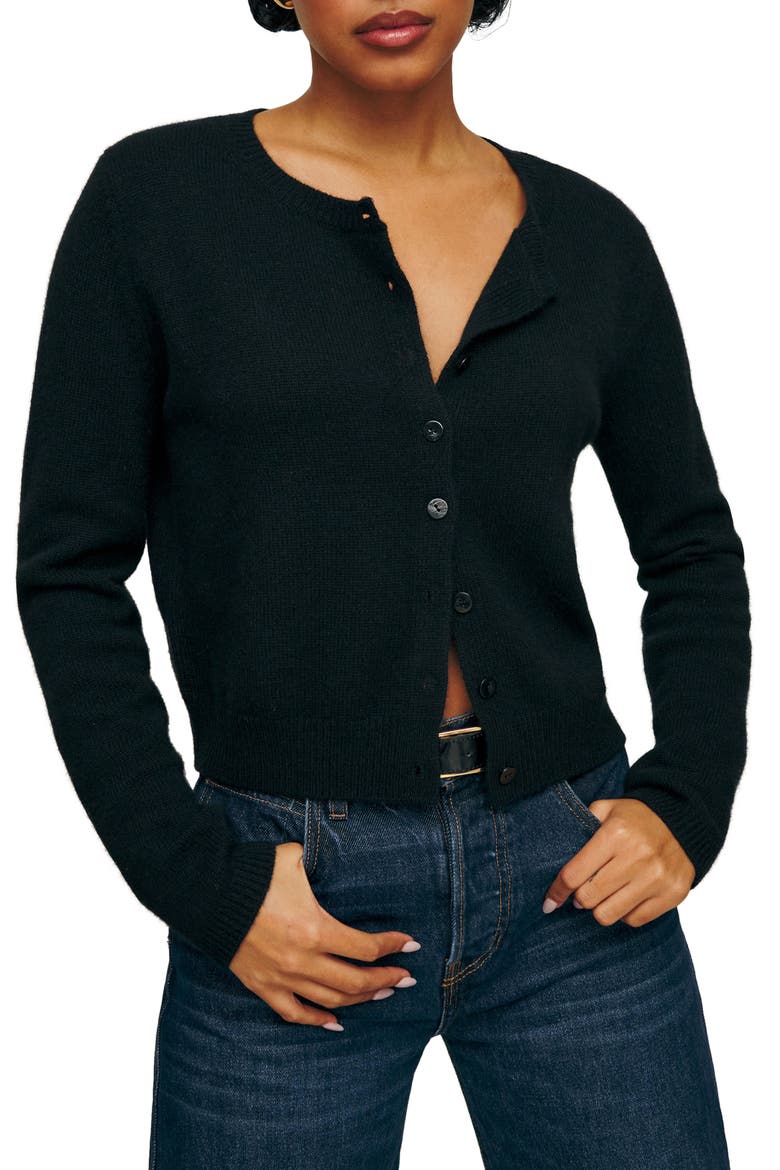
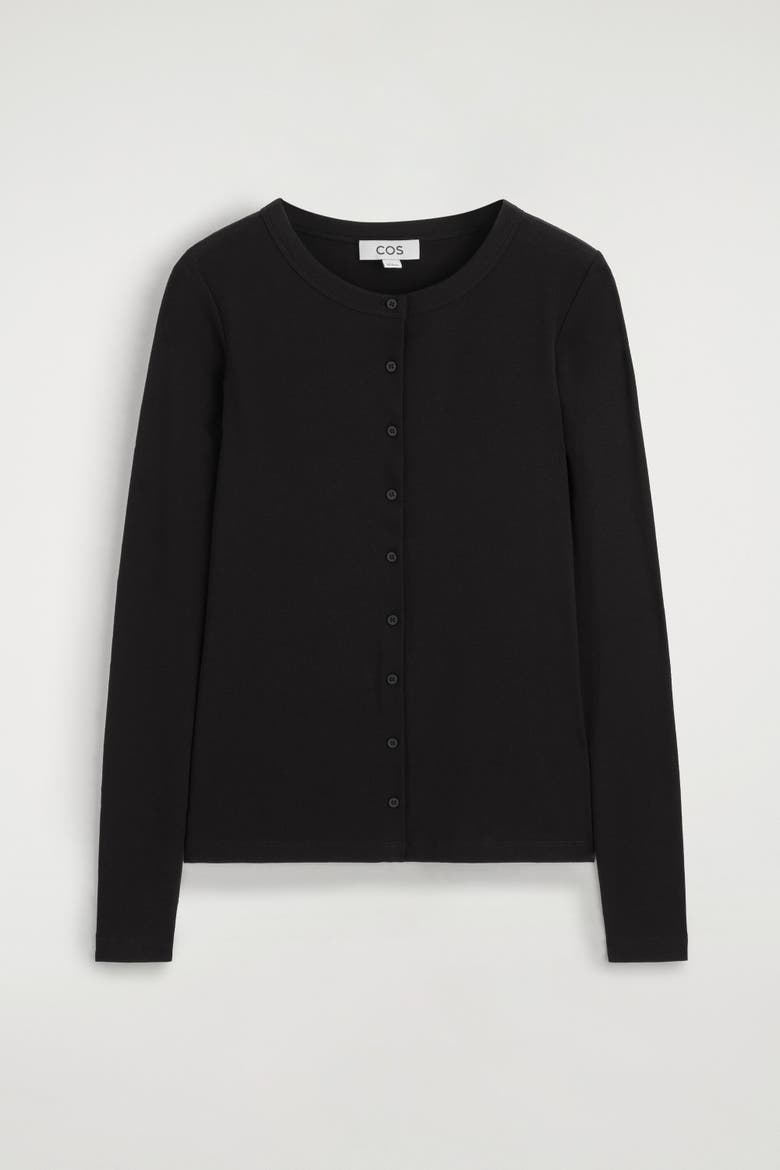
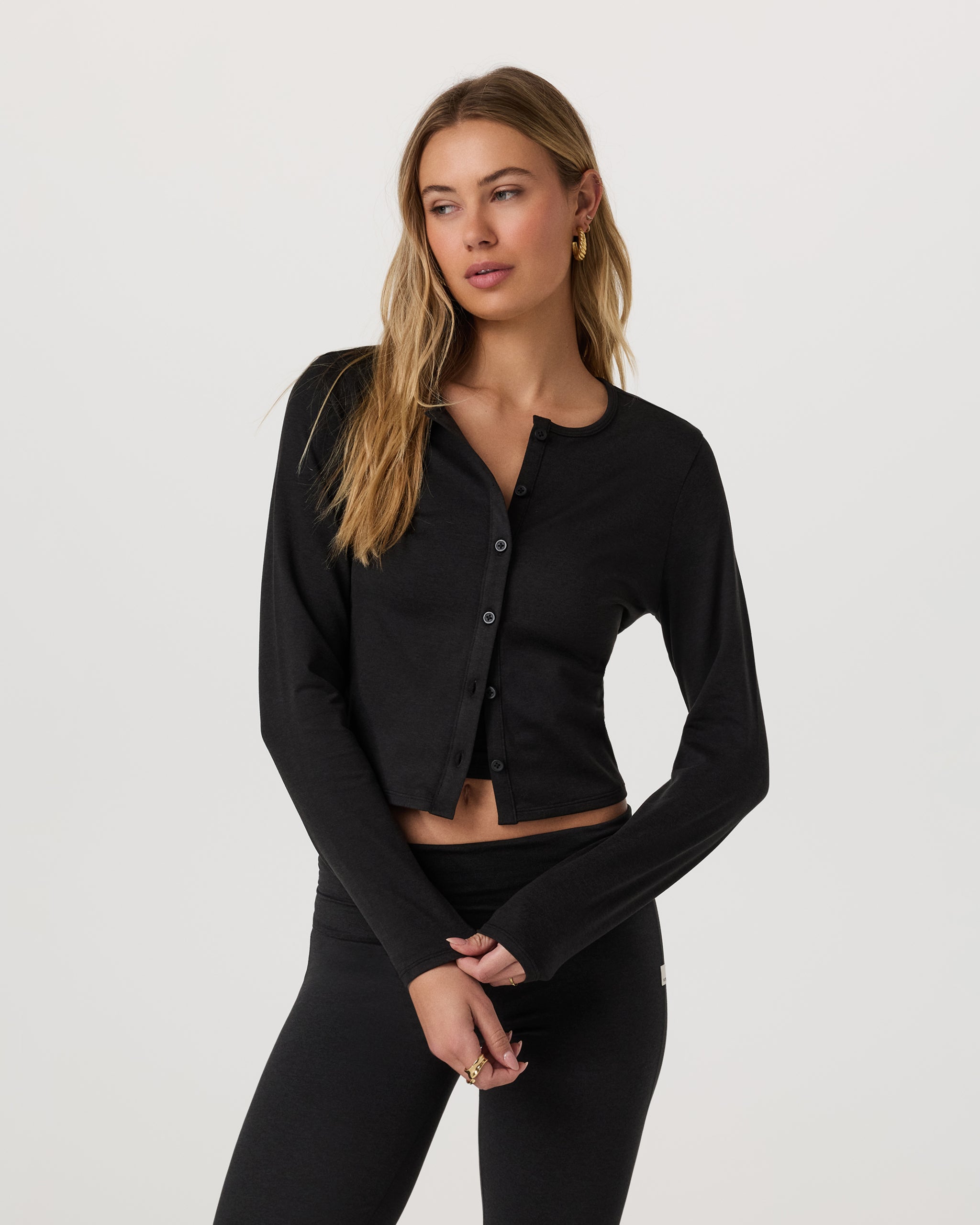
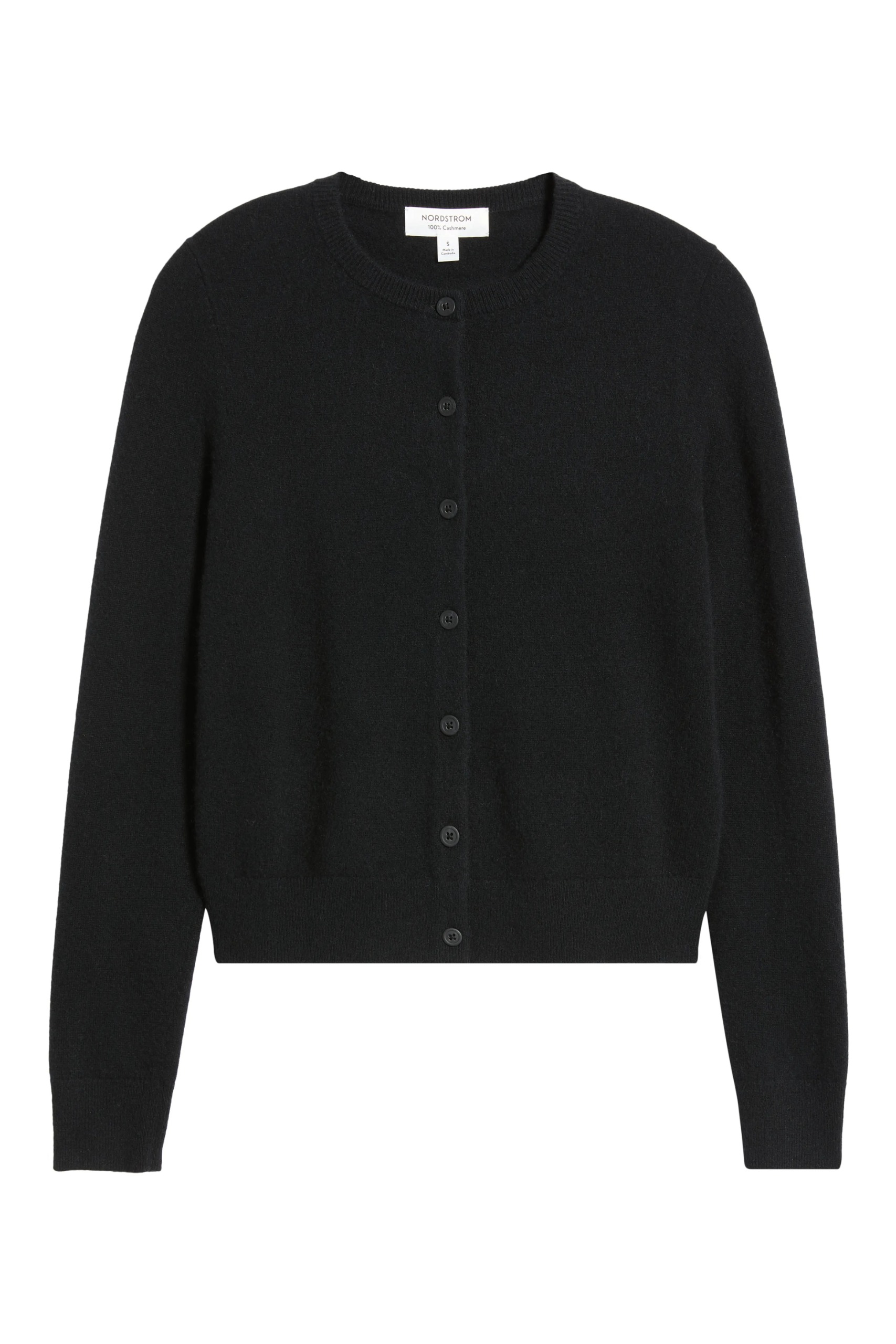
3. The Crewneck Cardigan
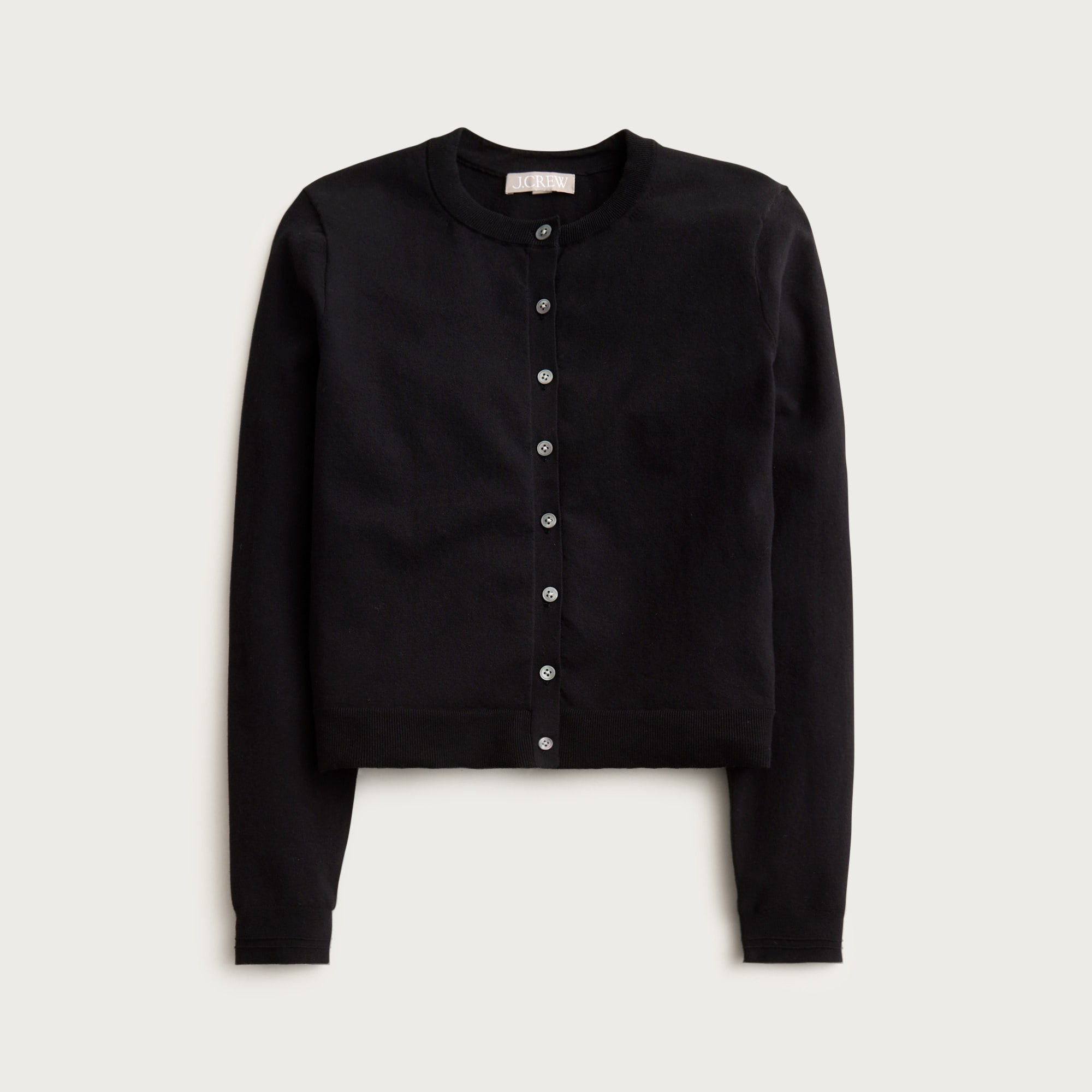
The crewneck cardigan is perhaps the most quintessentially French item on this list. It is the garment that bridges the gap between cozy and refined. Whether buttoned all the way up and worn as a top or left slightly open over a camisole, its versatility is unmatched. The key here is material; opting for cashmere or high-quality cotton elevates the piece from a simple knit to a sophisticated layering tool.
4. A Pop of Red
While the French wardrobe is often associated with neutrals, the "pop of red" is the necessary disruptor. Whether it manifests as a vibrant red knit, a silk scarf, or a classic red lip, this touch of color is the hallmark of Parisian flair. It proves that one does not need to wear head-to-toe patterns to make a statement; a single, intentional injection of color is enough to bring an entire outfit to life.
5. The Plaque Belt
While some might argue that a belt is a trend-driven accessory, the plaque belt—a belt featuring a decorative buckle—has become a permanent fixture in the Parisian style lexicon. It adds a subtle "Western" or "vintage" flair that grounds an outfit. When worn with high-waisted denim or to cinch a blazer, it provides a focal point that is both functional and decorative.
6. Straight-Leg Jeans
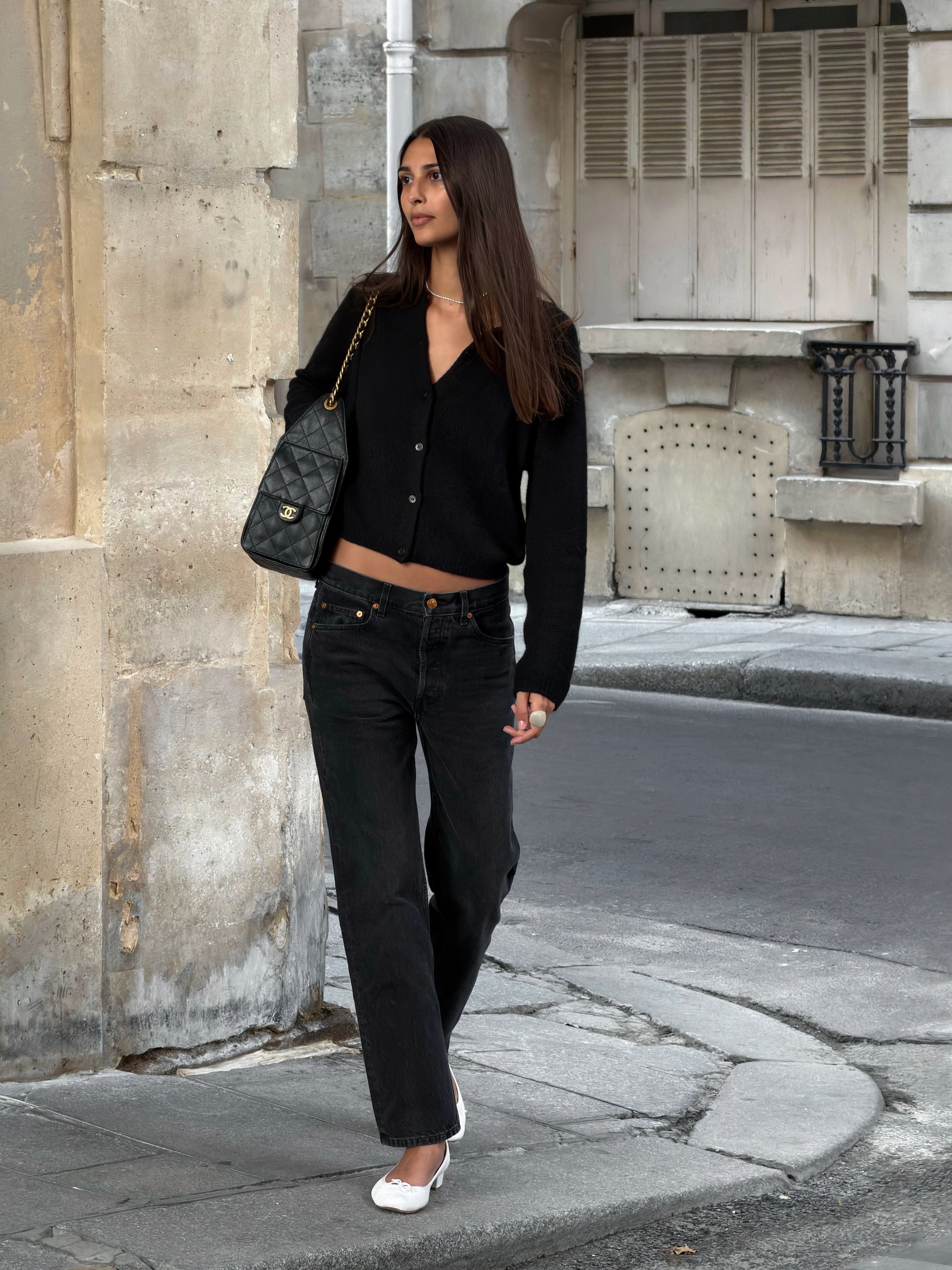
The straight-leg jean is the bedrock upon which the rest of the outfit is built. Unlike the cyclical nature of skinny jeans or ultra-wide flares, the straight-leg cut remains consistently stylish. It offers a relaxed, comfortable fit that works with virtually every shoe type, from loafers and ballet flats to ankle boots. It is the definition of "anti-trend" because it doesn’t try to change the body’s shape; it simply complements it.
Supporting Data: The Shift Toward Sustainability
The move toward these anti-trend essentials is not merely an aesthetic choice; it is backed by data. Retail analytics from the third quarter of 2026 indicate a 22% increase in consumer interest regarding "cost-per-wear" metrics. Consumers are increasingly searching for keywords like "timeless," "capsule wardrobe," and "durable materials" rather than "seasonal must-haves."
Furthermore, the secondary market for high-quality staples—suede, leather, and cashmere—has seen a significant uptick. This suggests that shoppers are not only buying better, but they are also looking for pieces that hold their value. The "French" influence is, in essence, an influence of economic and environmental pragmatism disguised as high fashion.
Official Responses and Industry Perspectives
Industry analysts and creative directors have noted this shift with interest. "We are seeing a clear migration away from the ‘hype’ culture of the last decade," says Elena Rossi, a luxury retail consultant based in Paris. "The consumer today is more educated. They understand that a $500 blazer that lasts for ten years is a better investment than a $100 trend piece that lasts for three months. This is exactly what the Parisian woman has known for generations."
Fashion houses have responded by recalibrating their collections. We are seeing fewer seasonal gimmicks and more focus on perfecting the "core" items—the perfect white shirt, the ideal pair of trousers, the quintessential trench coat. The focus has shifted from "designing for the moment" to "designing for the life of the garment."
Implications: The Future of Personal Style
What does this mean for the future of fashion? We are likely entering a period of "Slow Fashion," where the emphasis is placed on the individual’s ability to curate rather than the industry’s ability to dictate. The rise of the anti-trend movement suggests that the most fashionable thing one can be is consistent.
As we look toward the upcoming seasons, it is clear that the "French" influence is not a fleeting trend, but a paradigm shift. It empowers the wearer to step away from the relentless cycle of consumption and toward a wardrobe that is built to endure. The implications are profound: a more sustainable industry, a more confident consumer, and a return to the idea that style is not about what you wear, but how you wear it.
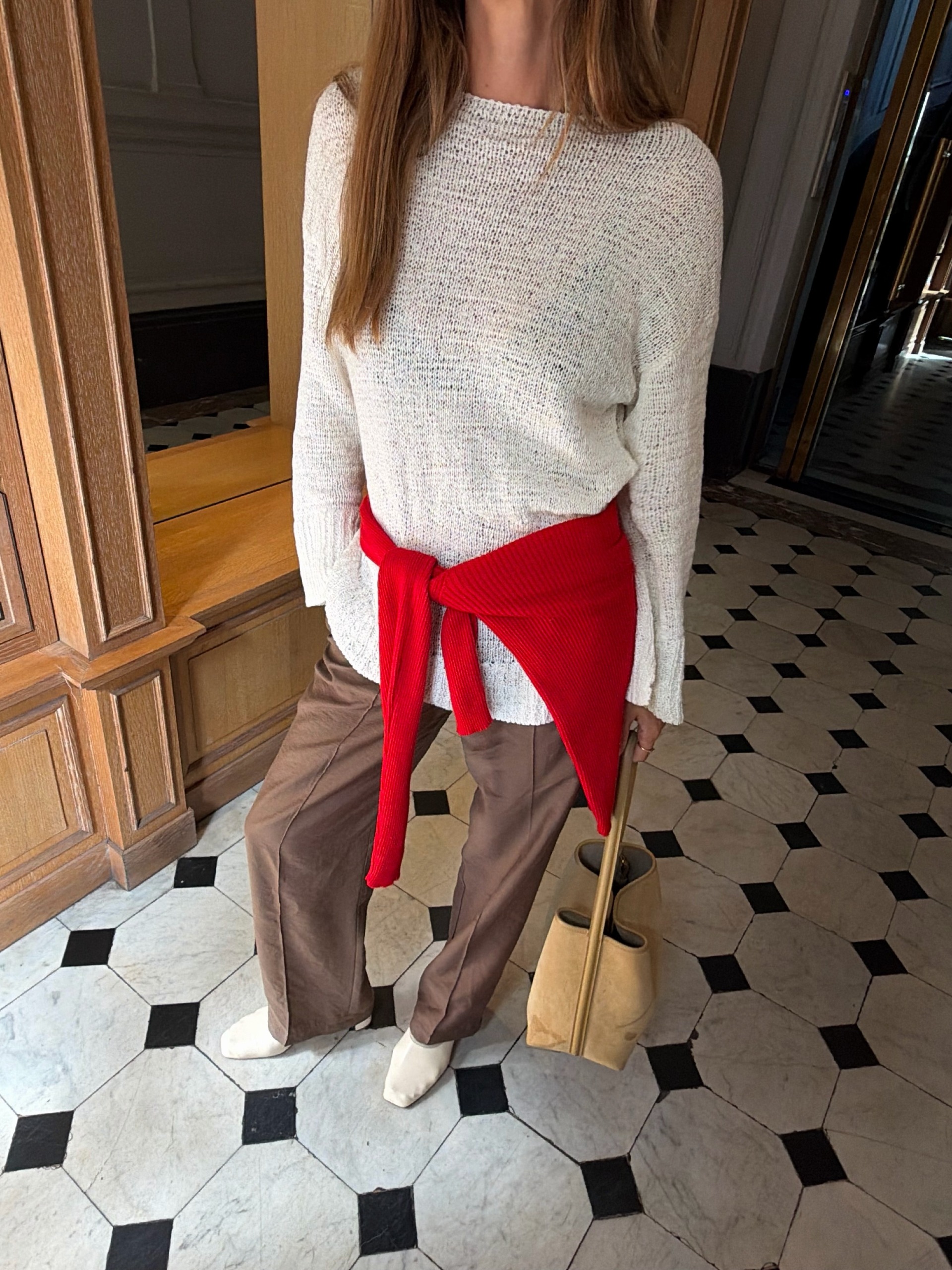
In conclusion, dressing like you are in Paris is not about buying into a specific brand or mimicking a specific person. It is about adopting a philosophy. It is about recognizing the value in the classic, the beauty in the simple, and the power in the anti-trend. As the fall breeze sweeps through the streets of New York, it carries with it the message that true style is not found in the new, but in the enduring. By embracing the basics, we don’t just dress better; we live better, more intentional lives. And that, perhaps, is the most Parisian thing of all.
