

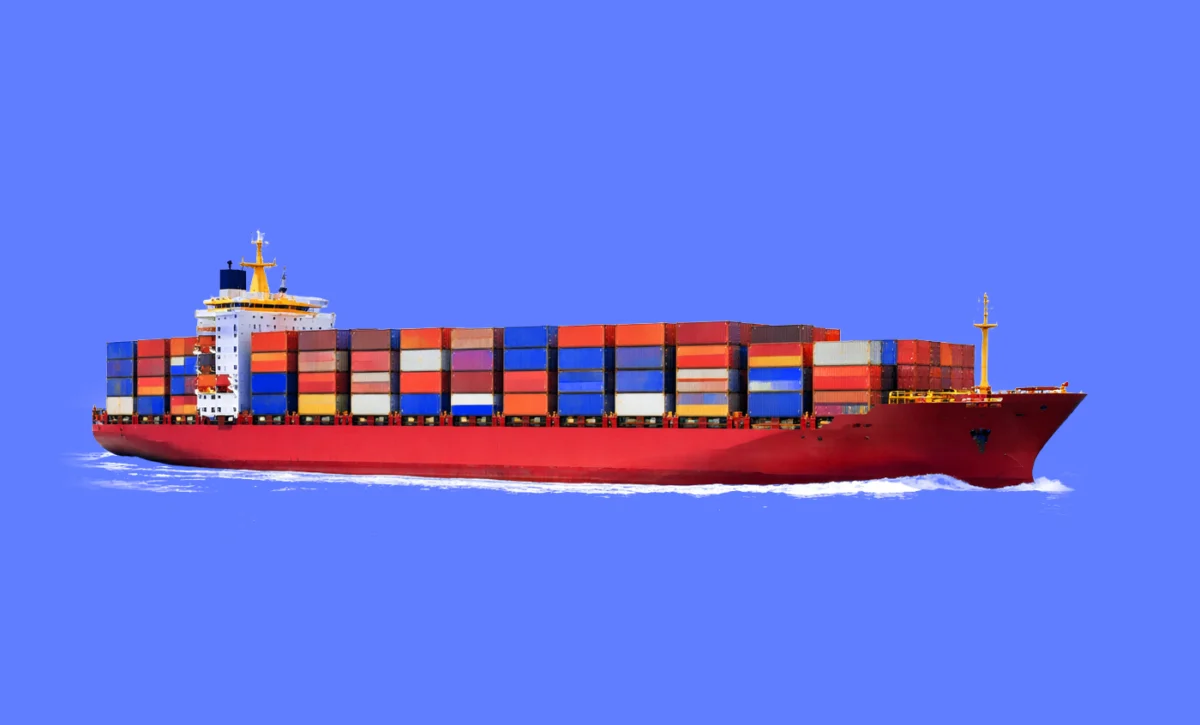
As the retail industry pivots toward the crucial fourth-quarter holiday season, the logistics landscape has evolved from a simple challenge of capacity into a complex, multi-layered crisis. Retailers are currently wrestling with a trifecta of compounding pressures: volatile fuel costs, chronic trucking capacity shortages, and an unpredictable geopolitical climate that threatens to destabilize global trade routes.
For logistics managers and C-suite executives, the days of relying on "just-in-time" delivery are effectively over. In their place, a new era of "just-in-case" planning has emerged, characterized by early inventory stocking, AI-driven predictive modeling, and a strategic shift away from cost-minimization toward supply chain resilience.
The Core Challenges: A Macroeconomic Squeeze
The current friction in the global supply chain is not isolated to one sector or region. Instead, it is the result of overlapping systemic issues.
The Fuel and Freight Conundrum
Data provided by DAT Freight and Analytics underscores the severity of the situation. As of late July, transportation costs have seen an aggressive upward trajectory. Fuel costs—a primary driver of freight rates—are up approximately 31% year-over-year. This inflation has cascaded into the broader shipping ecosystem: van rates have surged by 29%, while flatbed rates have jumped by 34.7%.
These increases are not merely inflationary; they are deeply tied to the geopolitical instability in the Middle East. Conflict in the Red Sea and the Strait of Hormuz has forced shipping lines to reroute, significantly extending transit times and increasing fuel consumption, costs which are inevitably passed down to the shipper and, eventually, the consumer.
The Human Capital Gap
Compounding these monetary costs is a persistent shortage in domestic trucking capacity. Steve Blough, chief supply chain strategist at Infios, points to the labor market as a primary bottleneck. The industry is currently contending with a long-term driver shortage, which was further tightened by recent federal regulatory shifts. Notably, the Trump administration’s April implementation of stricter English language proficiency requirements for commercial drivers has constricted the available labor pool, placing additional pressure on an already strained freight network.
Chronology: From Summer Imports to Holiday Readiness
The current supply chain strategy has been months in the making, defined by a proactive, albeit expensive, effort to circumvent future volatility.
- Early Summer (May–June): Retailers began identifying the risks associated with impending tariff changes. Recognizing that the cost of inaction could be higher than the cost of early shipping, many firms initiated a "pull-forward" strategy, moving holiday inventory into the domestic pipeline earlier than historical norms.
- Late July: The implementation of a new round of tariffs acted as a catalyst. Brands that had not yet secured their inventory found themselves in a race against the clock, further inflating demand for ocean freight containers and domestic trucking capacity.
- August–September: The current phase. Companies are moving from the "import" phase to the "distribution" phase, grappling with the reality of high landed costs—the total sum of production, shipping, customs, and domestic transport.
- October–December (Projected): As the holiday shopping window narrows, experts anticipate a surge in demand for premium shipping methods, including air freight, as retailers scramble to fill inventory gaps caused by the earlier transit delays.
Supporting Data: Understanding the Landed Cost
The "landed cost" has become the North Star for modern supply chain directors. It is no longer enough to look at the "Free on Board" (FOB) price of a product at the factory door. Retailers must now factor in a dynamic equation:
- Tariff Exposure: Predictability is at an all-time low. Companies are paying higher premiums to avoid the risk of being caught on the wrong side of a new tariff announcement.
- Fuel Surcharges: With a 31% YoY increase in fuel costs, logistics budgets established at the start of the fiscal year have been rendered obsolete.
- Transit Time Variance: The cost of an item that sits in a container at sea for three extra weeks is not just the storage; it is the loss of potential sales and the risk of inventory obsolescence.
As Blough notes, "That’s one of the biggest fears out there. All of that inflates the landed cost for everybody, and it’s hard to predict. Between what’s happening in the Strait of Hormuz, the Red Sea and other geopolitical issues, there’s a lot of uncertainty that concerns importers."
Official Perspectives and Strategic Shifts
Industry leaders are moving away from the "cheapest option" mindset. In previous years, the supply chain was treated as a commodity—a service to be bought at the lowest possible rate. Today, it is treated as a strategic asset.
Optimization for Certainty
Modern retailers are increasingly employing AI and advanced data analytics to model various shipping scenarios. These tools allow brands to balance the need for early delivery with the necessity of maintaining profit margins. By simulating "what-if" scenarios regarding port congestion or fuel spikes, brands are making data-backed decisions on whether to ship via slower, cheaper ocean lanes or faster, costlier air freight.
The Rise of Air Freight
While air freight is traditionally reserved for high-value or emergency inventory, its role is shifting. During periods of extreme uncertainty, the higher cost of air shipping acts as an "insurance policy" against the unpredictability of ocean freight. By utilizing air, brands can bypass port bottlenecks and ensure that products are on shelves in time for the holiday peak, avoiding the risk of having capital tied up in slow-moving transit.
Broader Industry Implications
The ripple effects of this supply chain volatility extend far beyond logistics.
The Evolution of Consumer Products
We are seeing a trend where supply chain considerations are influencing product development itself. As seen with companies like Kate Farms, the focus is shifting toward niche, high-demand segments where margins are sufficient to withstand supply chain volatility. Kate Farms’ recent expansion into products tailored for GLP-1 users illustrates this shift; by focusing on specific consumer needs—such as high protein, no sugar, and high fiber—brands are creating products that command higher loyalty and value, providing a buffer against the rising landed costs of their inputs.
The Big-Box Pivot
Large retailers are also restructuring their operations to survive this volatility. The emergence of the "Big-Box Briefing" model highlights how giants like Walmart and Target are evolving. By integrating AI-driven supply chain management with retail media networks and expanded marketplace operations, these companies are finding ways to monetize their platforms even as their logistics costs rise. They are no longer just retailers; they are tech-enabled logistics hubs that use their scale to insulate themselves from the shocks that cripple smaller competitors.
Conclusion: The New Normal
The retail sector is entering a phase where "supply chain" is synonymous with "business strategy." The era of cheap, predictable, and frictionless global trade has been replaced by a reality defined by geopolitical friction, labor constraints, and volatile energy markets.
For the remainder of this year and into the next, the winners will not necessarily be the companies with the lowest freight rates, but those with the highest degree of visibility and flexibility. Brands that can successfully blend predictive AI, diversified shipping strategies, and a focus on high-value product formulations will be the ones that navigate the holiday season—and the future—with their margins intact.
As Blough aptly summarized: "A few years ago, it was really all around cost. The cheapest transportation was winning. But now, it’s really becoming more about the whole chain. It’s not just the transportation, but it’s also making sure goods don’t get stuck in customs, and getting them through."
In this climate, certainty is the ultimate competitive advantage.
