

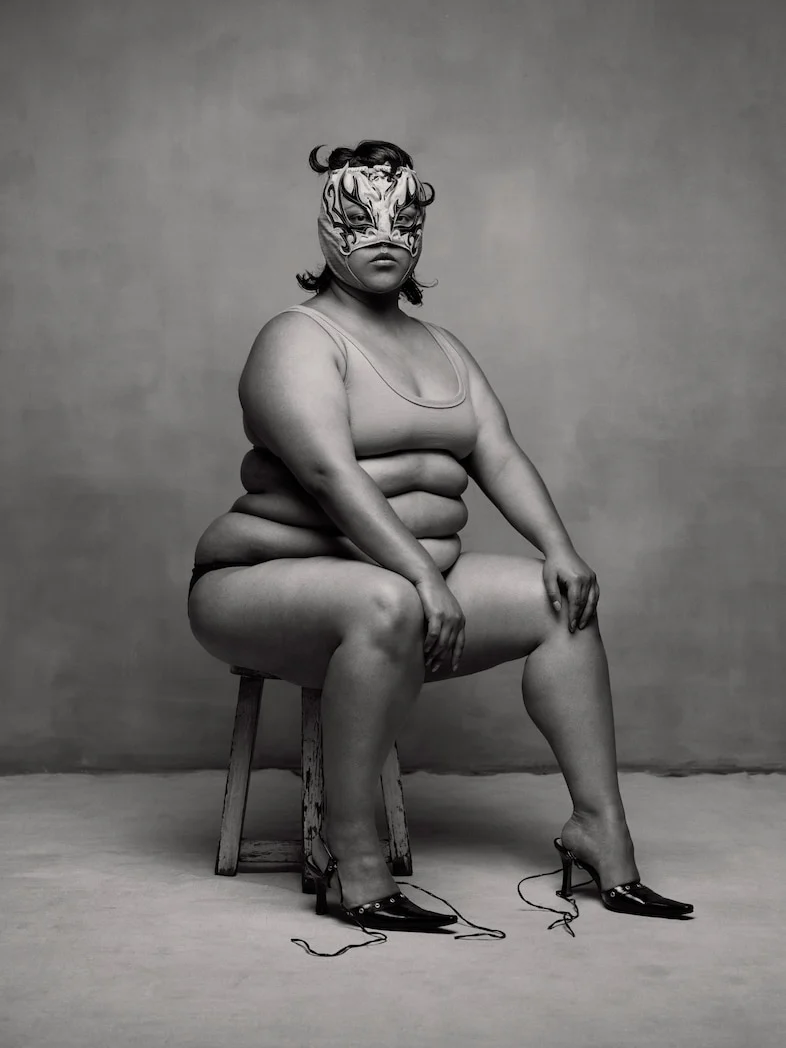
In the bustling, high-stakes world of fine art photography, projects are often born from carefully curated briefs and substantial institutional backing. However, Birds of Mexico City, the striking new monograph by Dutch photographer Pieter Henket, serves as a poignant reminder that the most authentic art is often forged in the fires of personal conviction and, occasionally, the sheer tenacity of youth.
Five years after its inception, the project—a visually arresting exploration of emergent queer identities, youth culture, and nonconformity in the Mexican capital—has finally reached the public eye. Published by Damiani, the book is more than a collection of portraits; it is a testament to the resilience of a generation that refuses to be sidelined.
The Genesis of an Idea: A Counter-Narrative to Negativity
The project began in 2021, fueled by what Henket describes as a frustration with the prevailing cultural discourse surrounding youth. At the time, the photographer, best known for his iconic, painterly portraiture and his work on Lady Gaga’s debut album, found himself surrounded by peers who were quick to dismiss the younger generation.
“I would hear from my older friends that the younger generation weren’t doing anything interesting,” Henket reflects from his family home in Geldrop, the Netherlands. “There was a prevailing sense of cynicism. But my husband, Roger Inniss—who is a casting director—and I were seeing something entirely different.”
Through their work in casting, Henket and Inniss were encountering individuals who were not only intelligent and articulate but were actively dismantling the traditional norms governing identity, presentation, and lifestyle. “I wanted to celebrate these kids and give them a platform,” Henket says. “I wanted to show the world that the ‘negativity’ directed at them was entirely misplaced.”
Chronology of a Creative Journey
The path to publication was far from linear. The project unfolded in several distinct phases:
- 2021 – The Conceptual Foundation: Henket began conducting a series of photoshoots at his New York studio. These initial sessions served as a pilot program to establish the visual language of the project.
- 2021 (Mid-Year) – Shifting the Lens to Mexico City: Recognizing that he needed to capture a specific mood of “brave liberation,” Henket looked to Mexico City. He felt a profound personal connection to the city, noting that the queer and trans youth there exhibited a raw, warrior-like daring that felt distinct from the New York scene.
- 2022 – The Production Phase: Recruiting Mexico City-born stylist and collaborator Chino Castilla, Henket began the process of casting a diverse group of queer youth from the city’s parks, streets, and social circles.
- 2022-2023 – The Professional Setback: Upon returning to New York, Henket presented the project to his previous publisher, Prestel. While they initially showed interest, the project was ultimately dropped. Disheartened, Henket shelved the work, including the attendant prose by poet Renata Juárez Huerdo and the personal testimonies of the models.
- 2023-2024 – The Catalyst: The project was resurrected by Justin Gaspar, an intern at Henket’s studio. Gaspar’s persistence in advocating for the work provided the necessary momentum to restructure the book.
- 2025 – Publication: Following the involvement of graphic designer Odilon Coutarel and the signing of an agreement with Italian publisher Damiani, Birds of Mexico City was finalized and readied for release.
Supporting Data: Visual Language and Cultural Symbols
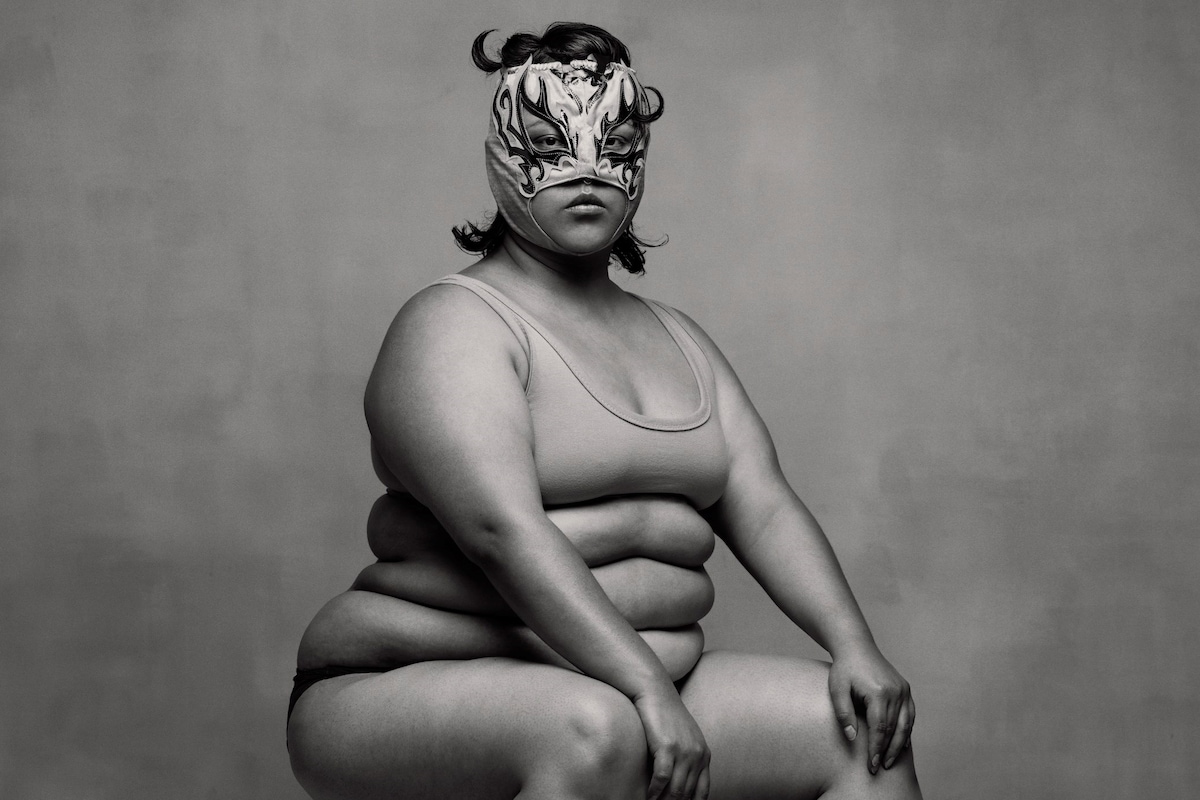
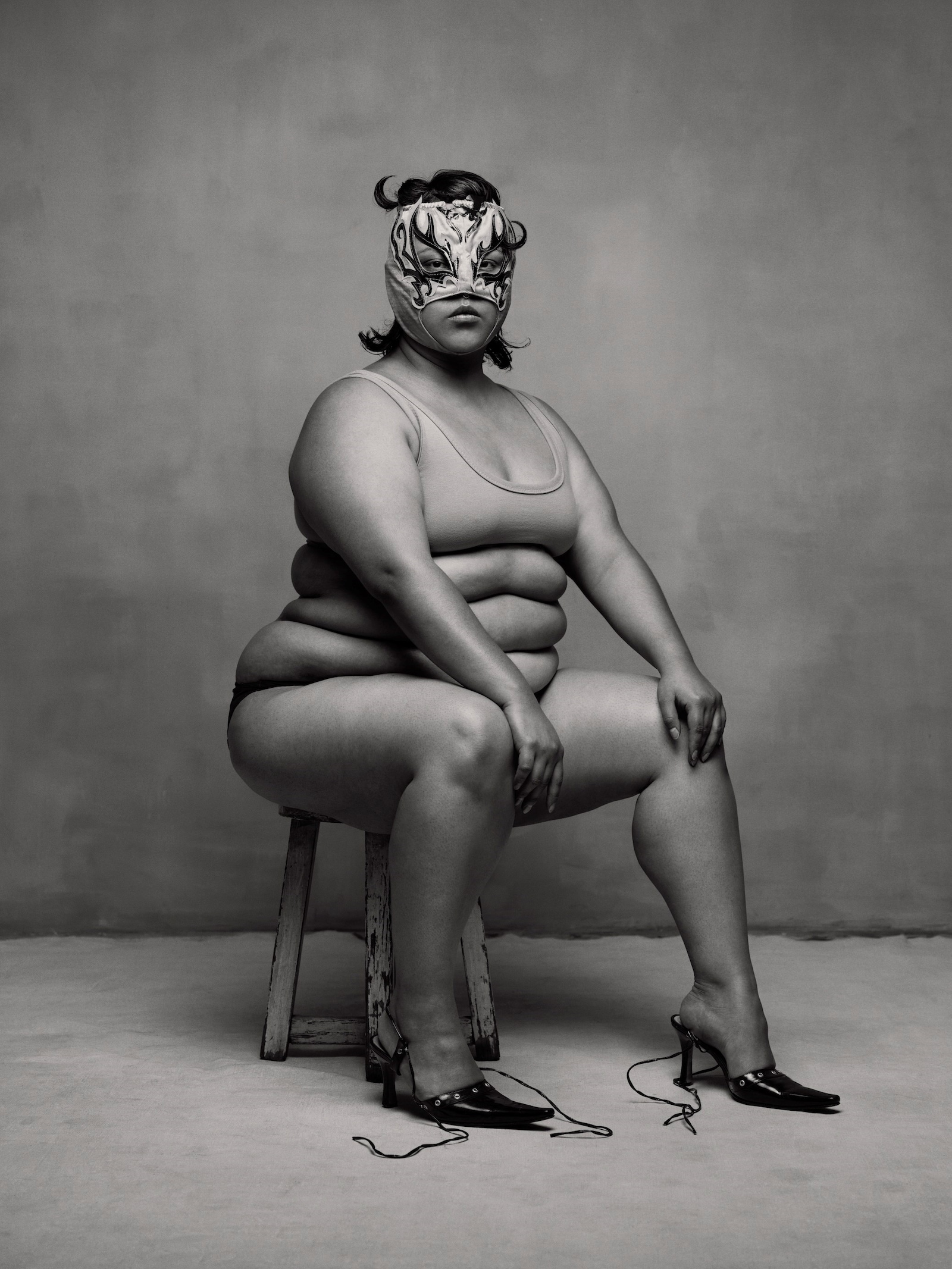
The aesthetic power of Birds of Mexico City lies in its ability to synthesize local cultural signifiers with high-art sensibilities. Henket, drawing on his upbringing in a medieval European city, utilized the visual language of Christian iconography to frame his subjects.
“The way religious figures are so serenely placed gives them strength,” Henket explains. “I wanted to place these queer kids in the same way to give them power.”
The portraits are characterized by:
- Symbolic Costuming: Stylist Chino Castilla sourced elements from local markets, integrating football kits, serapes, and traditional masks with avant-garde additions like corsets, horns, and chaps.
- Minimalist Backgrounds: By stripping away the urban sprawl of Mexico City, Henket forces the viewer to focus entirely on the subject, creating a "quiet space" that elevates the individual to a mythical status.
- Collaborative Poetry: The inclusion of work by Renata Juárez Huerdo and the models themselves ensures that the subjects are not merely objects of the lens, but narrators of their own existence.
The Role of Justin Gaspar: A New Generation’s Intervention
The story of the book’s resurrection is as compelling as the photography itself. Justin Gaspar, a Sacramento-born creative of Filipino descent, entered the studio as an intern with no prior experience in book publishing. However, his personal connection to the subject matter proved vital.
“I had just started at the studio and for the first couple of weeks I found myself bothered,” Gaspar says. “The photos are so powerful, I couldn’t believe they weren’t out in the world.”
Gaspar’s role evolved from intern to a key architect of the book’s structure. His understanding of shared cultural commonalities—such as the influence of Catholic iconography and the nuances of colonial history—helped bridge the gap between Henket’s artistic vision and the lived reality of the youth in Mexico.
“It was really cool to step into that light with people I saw myself in,” Gaspar notes. “It was about giving space to a younger generation that is pushing boundaries in ways that are both fragile and incredibly resilient.”
Implications: The Political Power of Visibility
The release of Birds of Mexico City comes at a time of renewed debate regarding the visibility and rights of queer youth globally. The project functions as a form of visual activism. By presenting these individuals as "warriors" rather than victims, Henket and his team have created a document that challenges the "fragility" often ascribed to queer identity.
- Challenging the Narrative of Vulnerability: While the title acknowledges the "fragility" of birds, the imagery emphasizes their strength. This duality is central to the project’s success.
- Decentralizing the Western Gaze: By anchoring the work in the specific cultural context of Mexico City rather than imposing a Western queer aesthetic, the book offers a more nuanced, globalized understanding of queer expression.
- The Ethics of Self-Funding: Henket’s insistence on self-funding the project to maintain creative control is a significant point of pride. “We didn’t want to have anybody telling us what to do,” he asserts. “These are our queer people, and I was not going to sacrifice anything.”
Conclusion: A Living Form of Freedom
As the book enters the global market, its reception serves as a validation of the project’s original intent. It is a reminder that art does not need to be packaged for the mainstream to be impactful; it simply needs to be honest.
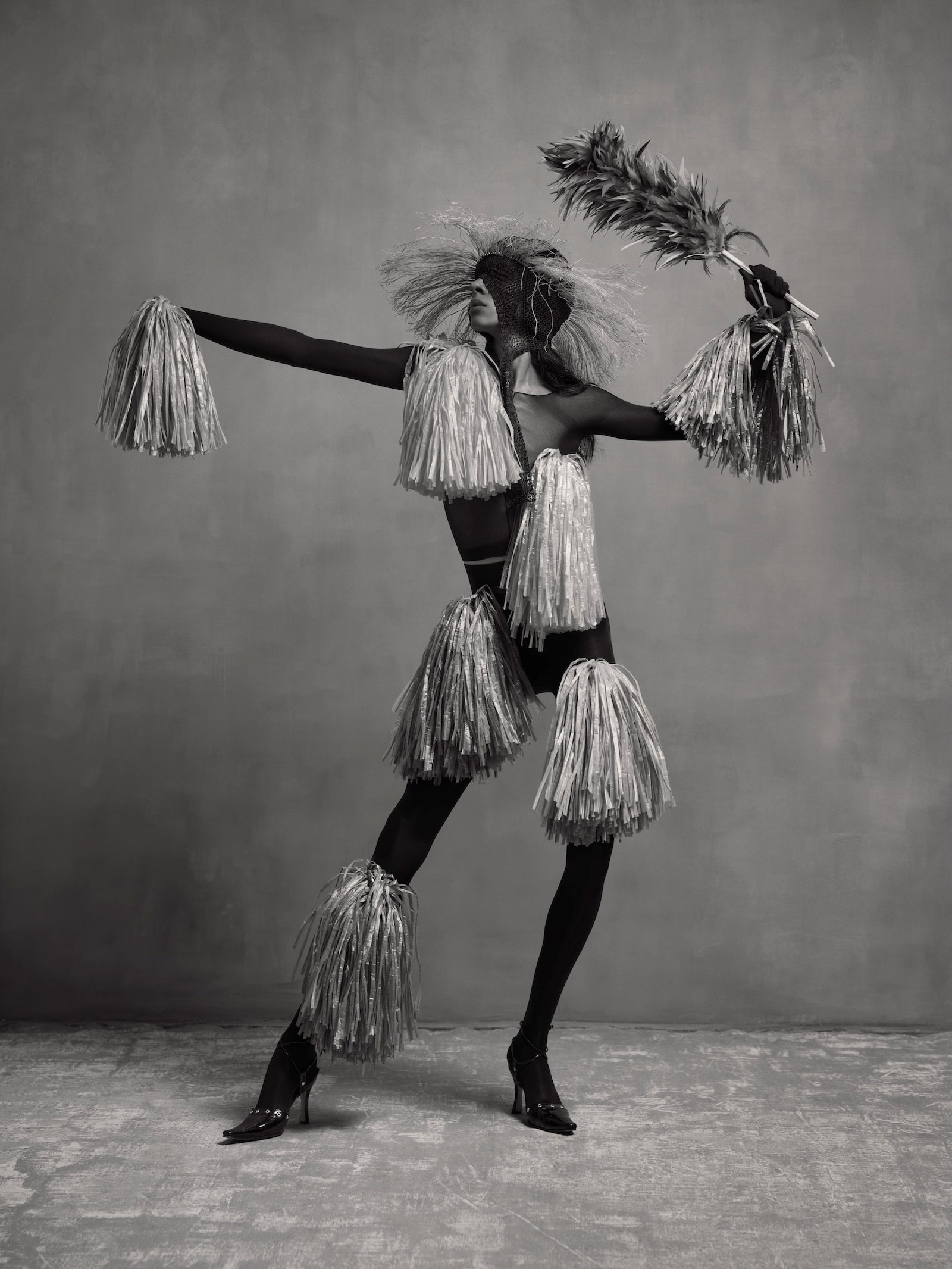
“A bird is a living, breathing form of freedom,” Justin Gaspar reflects. Through this lens, Birds of Mexico City acts as a permanent record of a fleeting, beautiful moment in time—a manifesto of style, identity, and the indomitable spirit of a generation that, as Henket puts it, “goes out on the street like warriors.”
For those interested in witnessing this intersection of portraiture and sociology, Birds of Mexico City is currently available through Damiani. It stands as a necessary contribution to contemporary photography, reminding us that when the establishment closes a door, the spirit of community is more than capable of building a new one.
