

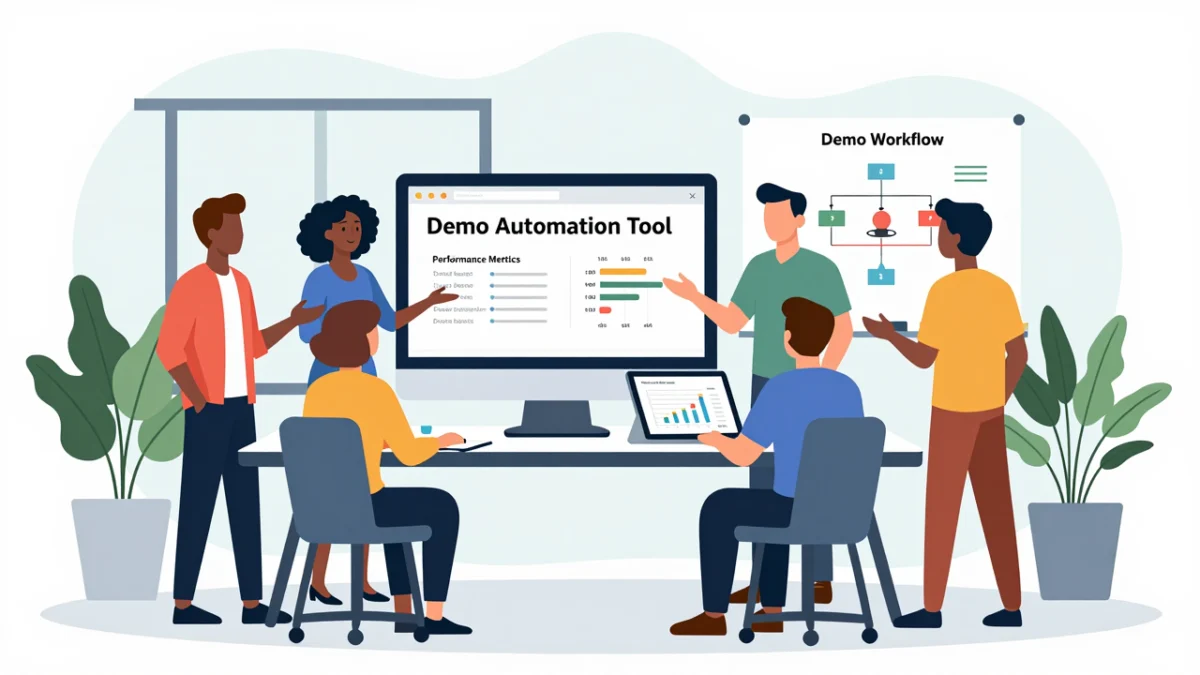
In the high-stakes world of B2B sales, the traditional live demo is undergoing a radical transformation. Gone are the days when every prospect required a manual, hour-long walkthrough led by a sales representative. Today, the shift toward desktop demo automation software—platforms like Supademo and Storylane—is empowering sales teams to scale their outreach, compress sales cycles, and deliver highly personalized buyer experiences.
For modern organizations, the implementation of these tools is no longer a luxury; it is a strategic imperative. By digitizing the product experience, companies can now meet the modern buyer’s expectation for self-service while simultaneously arming sales professionals with the data-driven insights needed to close deals faster.
The Strategic Importance of Demo Automation
In an era defined by information overload, the "time-to-value" metric has become the primary indicator of a successful sales process. Demo automation platforms enable teams to provide self-guided, interactive product tours that prospects can explore at their own pace.

Impact on Sales Performance
The shift to automated demos is backed by compelling data. Research indicates that when prospects are engaged with interactive product content early in the sales cycle—ideally within the first 14 days of lead creation—win rates can climb to as high as 72%. Furthermore, companies utilizing these tools report an average reduction in sales cycles by approximately 19 days.
This efficiency gain allows sales teams to shift their focus from repetitive manual demonstrations to high-value activities, such as strategic account planning and relationship management. By automating the "show-me" phase of the funnel, organizations create a scalable engine for lead qualification.
A Chronology of the Demo Automation Evolution
The evolution of sales technology has followed a clear, progressive path over the last decade:

- The Manual Era (Pre-2015): Sales cycles relied heavily on live, synchronous meetings. This approach was inherently limited by the availability of sales engineers and the time zones of the prospects.
- The Static Era (2015–2020): Businesses moved toward static video recordings and PDFs. While easier to distribute, these formats lacked interactivity, failing to give prospects a "hands-on" feel for the software.
- The Interactive Era (2020–2024): The rise of specialized platforms allowed for the capture of actual UI workflows. This allowed prospects to click through simulated environments.
- The Agentic/AI Era (2025–Present): The current landscape, dominated by tools like Supademo and Storylane, leverages AI to generate dynamic, branching, and personalized walkthroughs that adapt to user behavior in real-time.
Supporting Data: The ROI of Automation
To understand the fiscal implications of adopting these tools, one must look at the bottom-line metrics. The typical investment for enterprise-grade demo automation software ranges from $200 to $2,000 per month, depending on the number of users, the complexity of integrations, and the desired level of AI sophistication.
When analyzing the return on investment (ROI), organizations should weigh these figures against the cost of human-led demos. A single sales engineer’s time is a finite resource. If a demo automation tool can replace 50% of initial discovery calls, the headcount cost-savings alone often justify the subscription price within the first quarter of deployment.
Moreover, the analytics provided by these tools serve as a goldmine for marketing and product teams. By tracking where users click, where they drop off, and which features they revisit, companies can identify "high-intent" leads, allowing the sales team to prioritize follow-ups based on actual user engagement rather than gut instinct.

Essential Features: What to Look For
When evaluating potential vendors, procurement teams should prioritize a specific set of technical capabilities to ensure long-term utility:
1. HTML Capture and Dynamic Workflows
Static screenshots are insufficient. Look for tools that support deep HTML capture, which allows the software to record and replicate real-time interactions, ensuring the demo feels like the actual application.
2. Personalization and Branching Logic
Modern buyers expect content tailored to their specific use cases. Advanced platforms now allow for "branching," where the demo path changes based on the user’s previous input. Using variables to dynamically insert the prospect’s name or company logo further increases brand resonance.

3. AI and Agentic Automation
The latest generation of tools includes AI-driven "agents" that can automatically navigate complex UI changes or update the demo whenever the underlying product code changes, significantly reducing the maintenance burden on the sales operations team.
4. CRM Integration and Security
A demo tool that exists in a silo is a liability. It must integrate seamlessly with platforms like Salesforce or HubSpot. Furthermore, enterprise security is non-negotiable; features such as password protection, SSO (Single Sign-On), and GDPR/HIPAA compliance must be verified during the vendor selection process.
Implications for the Modern Sales Organization
The adoption of demo automation has profound implications for team structure and strategy.

- Refining the Sales Funnel: The sales representative’s role is evolving into that of a "consultant." Because the prospect has already interacted with the product via an automated demo, the initial sales call starts at a much more advanced level of understanding.
- Cross-Departmental Synergy: These tools are not just for sales. They are increasingly used by Customer Success teams for onboarding and by Product teams to identify friction points in the user interface.
- Security and Competitive Intelligence: As demo content becomes a digital asset, protecting that content is crucial. Features like link expiration and detailed viewer tracking ensure that sensitive product workflows are not leaked to competitors.
Frequently Asked Questions
How do these tools integrate with existing CRM systems?
Integration is typically achieved via API or native middleware connectors. Once connected, the demo software pushes engagement data (such as "demo viewed," "completed 50% of steps," or "clicked on pricing page") directly into the prospect’s CRM profile, triggering automated lead scoring and nurturing workflows.
Can demo automation replace the need for a sales engineer?
It does not replace the human element; rather, it elevates it. The sales engineer is freed from the mundane task of "click-through" demos and can focus on complex, custom integrations and high-level architectural discussions that AI cannot yet handle.
Is the data shared through these platforms secure?
Reputable vendors provide robust encryption both at rest and in transit. When vetting a tool, always request their SOC2 compliance documentation. For highly regulated industries, look for platforms that allow for on-premise hosting or enhanced data masking.

How can I use these tools for employee training?
Beyond sales, these platforms are excellent for internal documentation. Instead of maintaining long, outdated PDF manuals, teams can create "living" guides that show employees exactly how to navigate the internal tech stack, significantly reducing the time spent on onboarding and training.
Conclusion
The transition toward desktop demo automation software represents a fundamental shift in how businesses communicate value. By prioritizing tools that offer deep interactivity, seamless CRM integration, and AI-powered personalization, sales teams can do more than just "show" their product—they can build a narrative that resonates with the buyer’s unique pain points.
As the market continues to mature, the gap between those who leverage automated, data-driven product experiences and those who rely on manual, static outreach will only widen. For the modern enterprise, the path to increased win rates and shorter sales cycles is clear: empower your prospects with the information they need, when they need it, through the power of automated, interactive discovery.
