


The art world is currently navigating a period of profound disillusionment. For decades, the "mega-gallery" model—a sprawl of international outposts, high-stakes auction house partnerships, and a relentless focus on "museum-quality" branding—has defined the upper echelons of the contemporary art market. However, this week, that facade of stability cracked significantly. Pace Gallery, one of the most powerful art entities in the world, announced massive layoffs and a significant reduction in its roster of represented artists.
This development, coupled with growing tensions at the Venice Biennale—where artists are increasingly vocal about institutional grievances—suggests that the industry is at an inflection point. As the market grapples with a "broken" model, the broader discourse is shifting toward a fundamental question: Is the current system of art commerce serving the culture, or is it merely consuming it?
The Anatomy of a Crisis: Pace Gallery’s Strategic Pivot
The news that Pace Gallery has slashed its staff by 20% and pruned its artist roster by nearly 33% sent shockwaves through the Manhattan art scene and beyond. With an eight-story flagship in Chelsea and a network of cavernous outposts spanning from London and Berlin to Seoul and Tokyo, Pace had long served as a symbol of art-market ubiquity.

The Chronology of the Cuts
The announcement, framed by CEO Marc Glimcher, was not presented as a temporary measure but as a necessary recalibration. According to internal reports, the decision follows a period of stagnation in the high-end art market. By mid-week, the industry was already processing the implications of losing nearly a third of the gallery’s artists, many of whom had relied on the gallery’s global reach for their primary market exposure.
A "Broken" Model
Perhaps the most telling aspect of this saga is Glimcher’s own admission: he openly attributed the cuts to a "broken" gallery model. Critics have long argued that the model in question—characterized by excessive overhead, the pursuit of "museum-quality" prestige to justify inflated price points, and a reliance on rapid turnover—is inherently unsustainable. Ironically, this is the very model Glimcher helped architect. The gallery is now pivoting toward a leaner, more boutique-adjacent structure, effectively signaling that the era of aggressive, unchecked expansion is over.
The Disconnect: Art vs. Industry
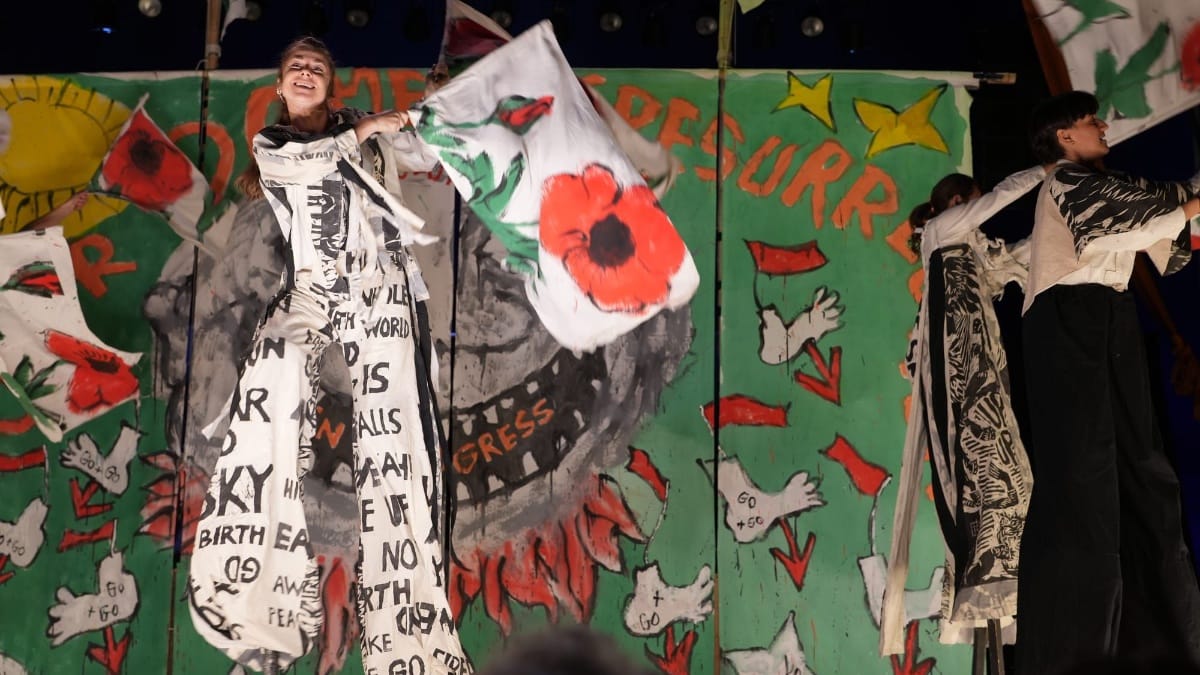
While the boardroom dramas at Pace capture the headlines, a deeper philosophical struggle is occurring in the pages of art criticism and curatorial discourse. Laura Raicovich, a noted curator and former museum leader, recently published an incisive opinion piece arguing that the professionalization and "museum-ification" of art have created an artificial, harmful distance between art and everyday life.
The Reintegration of Art and Life
Raicovich posits that when society treats art as a luxury asset confined to the walls of an eight-story gallery, it strips art of its primary function: to serve as a catalyst for human connection and civic imagination. Every interaction—from a walk in the park to a conversation at dinner—contains the seeds of culture. By separating the "serious" art world from the mundane realities of human existence, institutions have effectively narrowed the lens through which we view our own potential for social change.
The remedy, she suggests, is not just a change in business models, but a fundamental reintegration of art into the fabric of daily life. This is a critique of the elite gatekeeping that defines the current market, suggesting that the "broken" model is not just an economic failure, but a failure of purpose.
Market Realities: Beyond the "Pollock" Hype
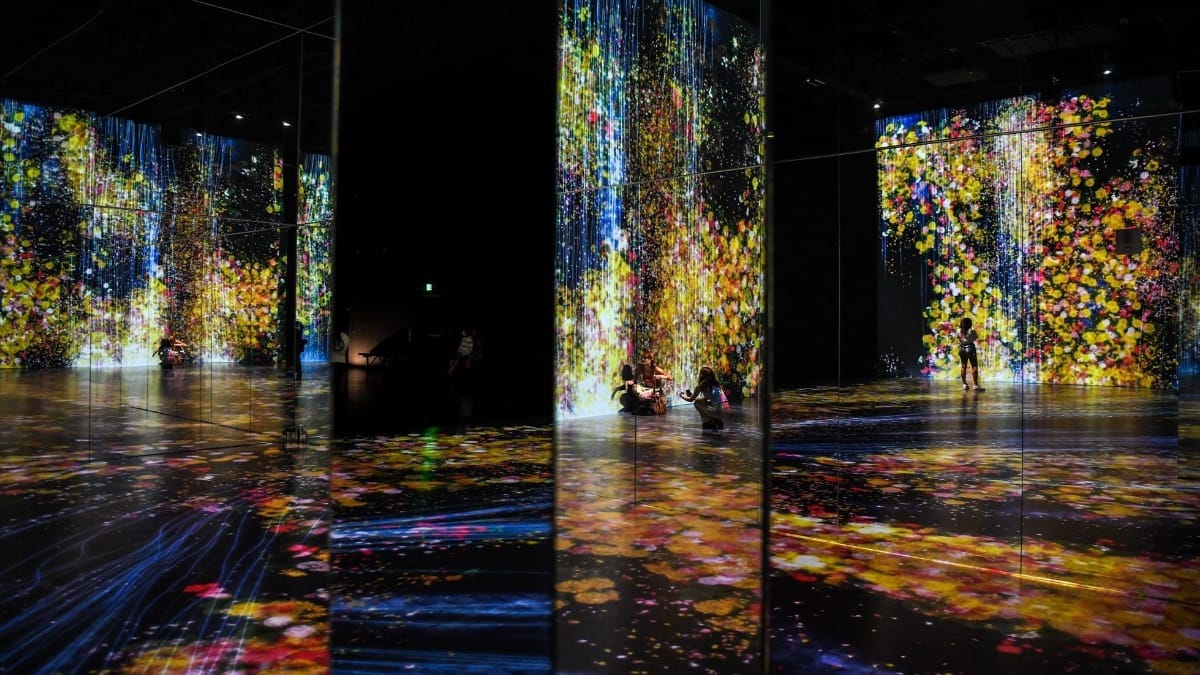
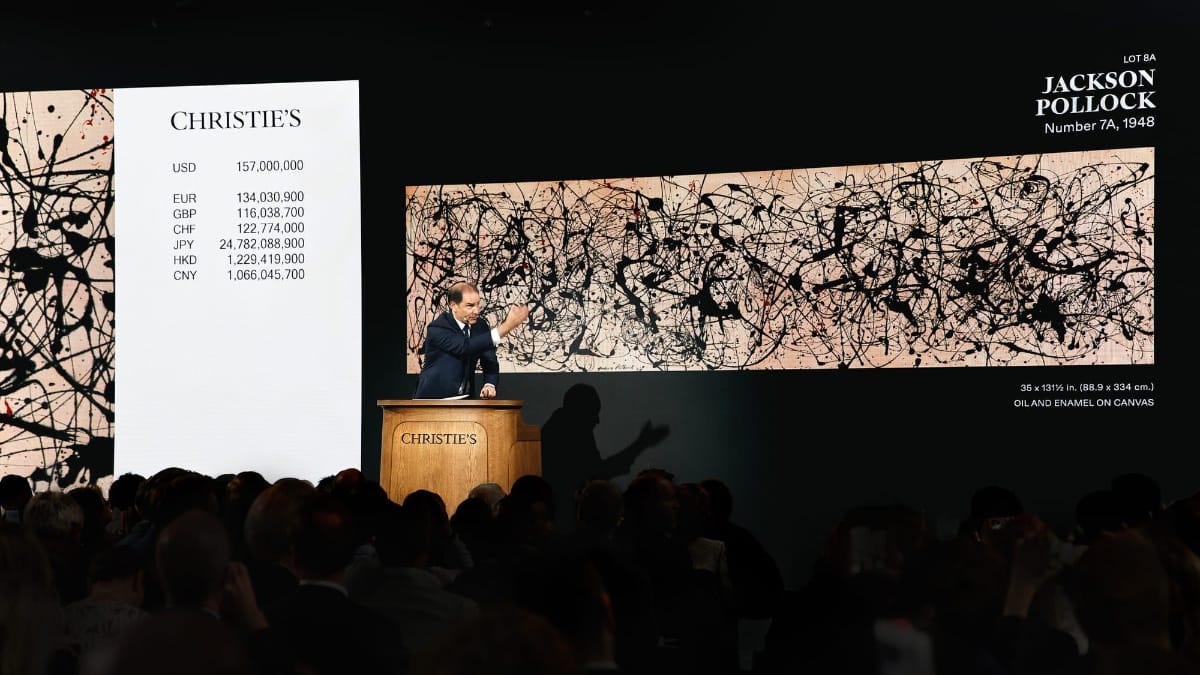
The uncertainty surrounding Pace is reflective of a wider trend in the art market. In an upcoming analysis, critic Marc J. Straus suggests that the recent marquee spring auctions have been a exercise in misdirection. The industry often attempts to project an image of robustness to calm investors and collectors, yet the underlying metrics tell a different story.
Supporting Data: The Illusion of Prosperity
The "post-Pollock" market—a term used to describe the current era of market saturation following the record-breaking sales of the 20th century—is struggling to maintain its momentum. High-interest rates, a cooling global economy, and a shifting demographic of collectors have left many secondary market dealers reeling. The narrative that "everything is fine" is increasingly at odds with the reality of galleries downsizing, art fairs reporting lower foot traffic, and artists finding it harder than ever to sustain their practice within the traditional gallery system.
Institutional Tensions and Ethical Demands
The turbulence within the private sector is mirrored by mounting pressures on public-facing institutions. The Venice Biennale, typically a site of celebration and global artistic exchange, has become a flashpoint for legal and ethical disputes. Artists are increasingly willing to threaten legal action against curators and national pavilions, citing concerns over censorship, labor rights, and the ethical alignment of sponsors.
Official Responses and the Demand for Transparency
As the industry faces these challenges, there is a growing demand for transparency that the traditional, opaque nature of the art world is ill-equipped to handle. The "kudos" culture—where silence is often bought with prestige and exhibition opportunities—is being challenged by a new generation of art workers and creators.
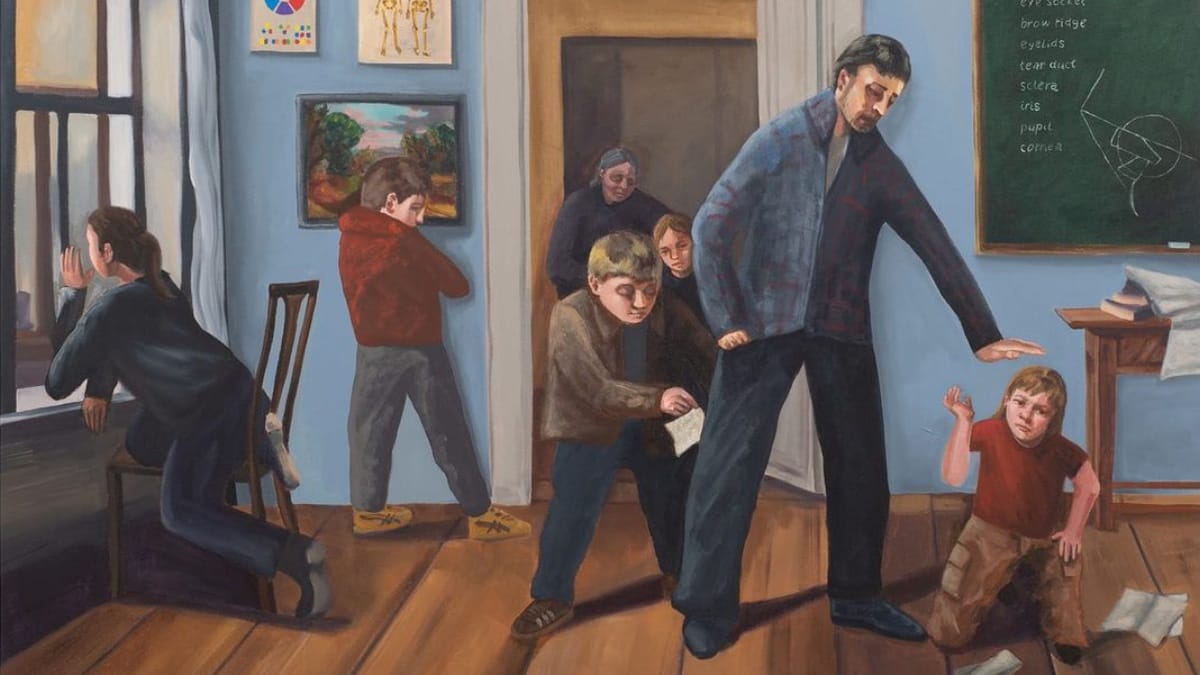
For the mega-galleries, the response has been a mix of PR damage control and quiet restructuring. However, the lack of a cohesive, moral vision for the future of the art market remains glaring. When a CEO blames the model he built, it is not a solution; it is a confession.
Implications: A Future Beyond the Mega-Gallery
What happens when the "mall-ification" of art in Manhattan and beyond fails? The implications are twofold:
- The Rise of the Local and Sustainable: We are likely to see a return to smaller, more nimble gallery models that prioritize long-term artist relationships over the "churn" of high-volume sales. This could allow for more adventurous, less commercial work to find a home.
- The Politicization of the Art Worker: The recent cuts at Pace serve as a clarion call for labor organization in the art world. Art workers—from gallery assistants to preparators—are increasingly realizing that their precarity is a feature, not a bug, of the mega-gallery system.
The Path Forward
As Hakim Bishara, editor-in-chief of Hyperallergic, recently noted, the survival of meaningful art journalism is more critical than ever. In a landscape where the "rich and powerful" control the narrative, the role of independent, critical voices becomes the primary mechanism for accountability.

The crisis at Pace and the broader institutional malaise are not merely economic hiccups; they are the symptoms of a system that has lost sight of its social contract. To repair society, as Raicovich suggests, we must begin by reclaiming the power of art from the "limited purview of institutions" and returning it to the public sphere.
Whether the market can adapt to this demand for authenticity, or whether it will continue to fracture under the weight of its own hubris, remains the central drama of our time. The artists, the workers, and the audiences are no longer spectators—they are the ones deciding what culture is worth saving, and what should be left behind in the ruins of the old model.
Further Reading and Cultural Context
The current landscape is complex, defined by more than just market failures. Recent exhibitions and features highlight the diverse and inward-looking nature of contemporary practice:
- Saif Azzuz: His exploration of ancestral landscapes provides a necessary counter-narrative to the globalized, placeless aesthetic often favored by the mega-galleries.
- Ali Eyal: His satirical take on the Iraqi Pavilion, hosted in a space as mundane as a gas station, acts as a perfect embodiment of the movement to integrate art into the "real world."
- Edward Hopper and Celia Paul: The renewed interest in these artists, known for their portrayals of solitude and inward-looking reflection, suggests a public hunger for art that speaks to the human condition rather than the speculative market.
As we look toward the remainder of the year, the industry must decide if it will continue to prioritize the "bottom-line-oriented" dealer or if it will finally embrace the radical potential of art as a public good. The era of the mega-gallery may not be ending overnight, but the cracks are now too wide to ignore.
