

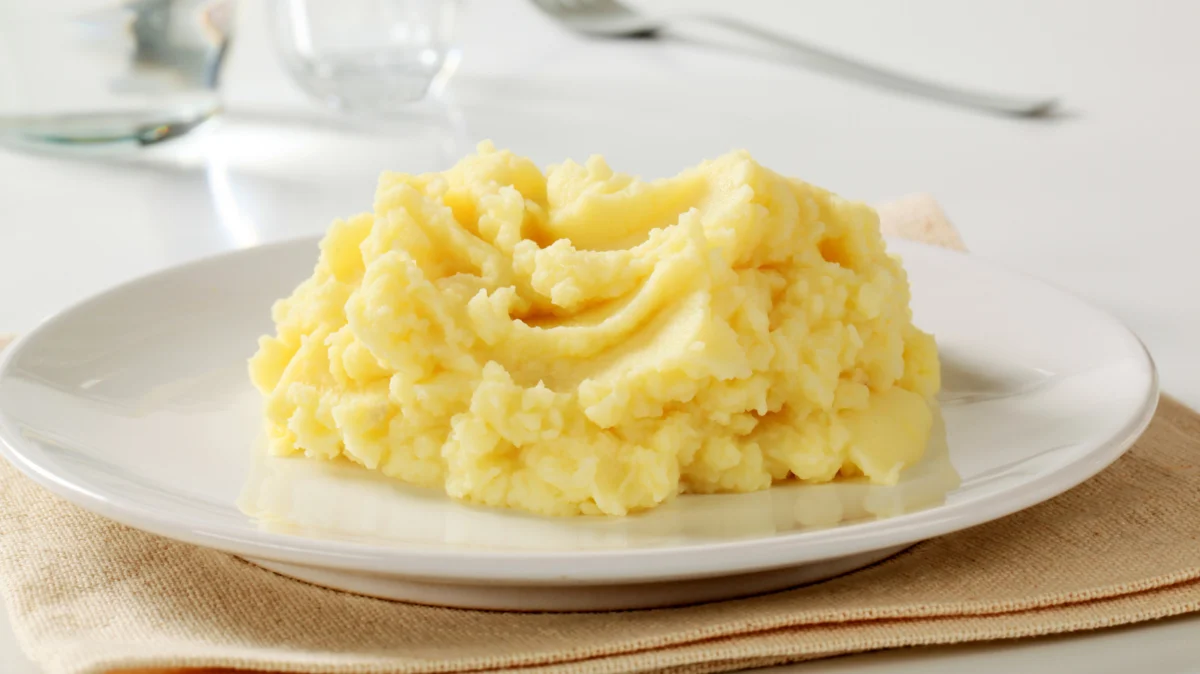
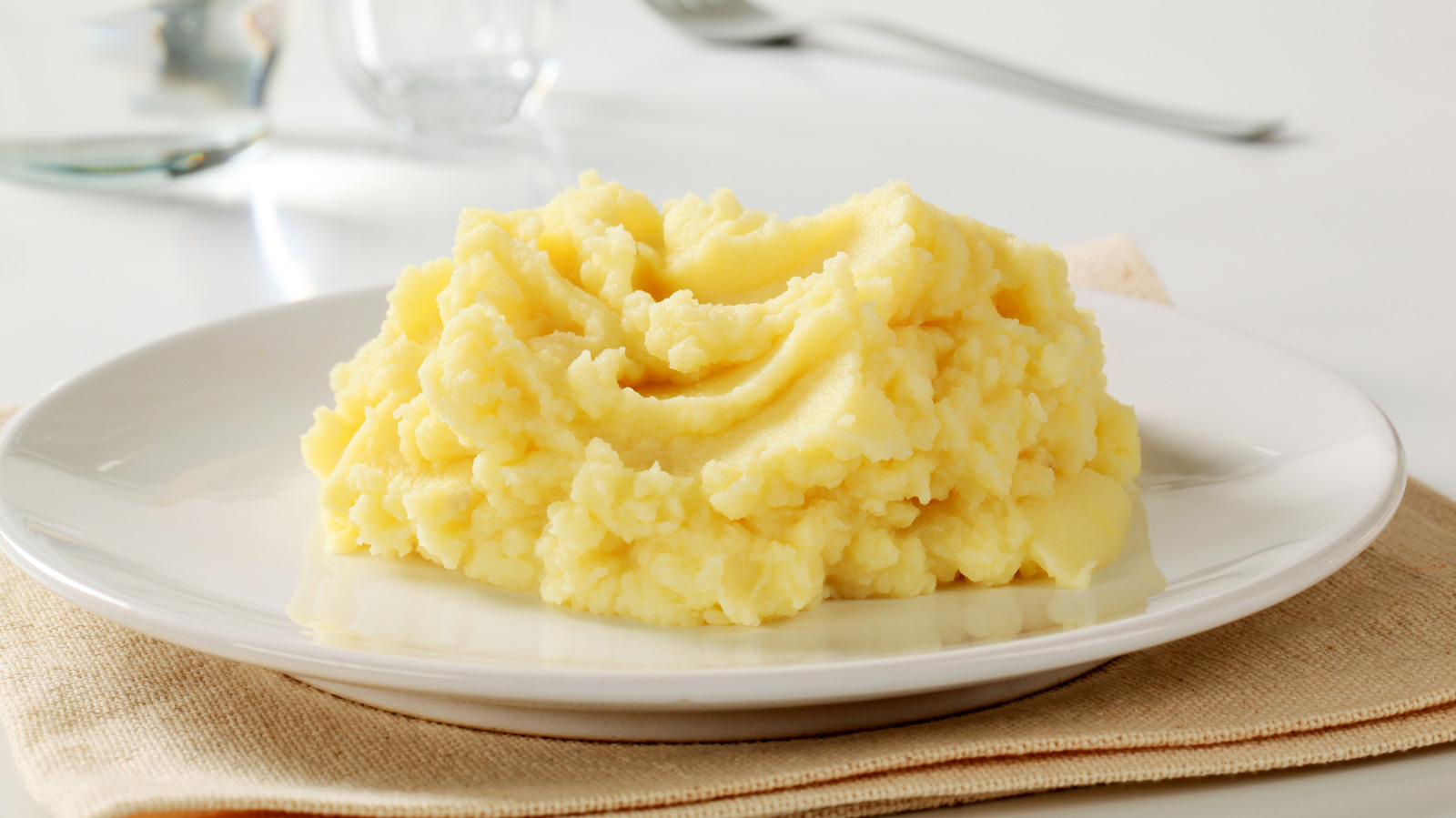
Mashed potatoes have long occupied a position of culinary reverence in the American diet. Whether they are whipped into a cloud-like frenzy with heavy cream and butter or served as a rustic, skin-on accompaniment to a holiday roast, their appeal is undeniable. However, nutrition-conscious home cooks often view this beloved side dish with a degree of skepticism. While undeniably comforting, the humble potato is predominantly a source of carbohydrates, leaving it lacking in the muscle-building macronutrient that many modern dietary plans prioritize: protein.
But what if you didn’t have to choose between comfort and nutrition? By integrating a pantry staple that has been a kitchen workhorse for generations—canned tuna—you can effectively elevate mashed potatoes from a simple side to a satiating, protein-dense main course. This culinary fusion not only addresses nutritional gaps but also offers a masterclass in budget-friendly, convenient, and gourmet-level home cooking.
Main Facts: The Nutritional Synergy of Tuna and Potato
The primary challenge with the traditional mashed potato is its nutritional profile. A standard serving offers plenty of energy, but minimal sustenance for muscle repair or prolonged satiety. By introducing tinned tuna, you are fundamentally altering the metabolic impact of the meal.
The Protein Calculus
Canned tuna is a nutritional titan disguised in an unassuming metal can. Depending on the variety and brand, a single serving can provide anywhere from 20 to over 30 grams of high-quality, lean protein. For instance, common grocery store staples like Bumble Bee Chunk Light deliver roughly 23 grams per can, while premium options like Wild Planet’s Wild Albacore can provide up to 33 grams.
When you fold this into a base of mashed potatoes, you create a balanced dish that contains both the complex carbohydrates necessary for sustained energy and the protein required for satiety. This combination is particularly effective for active individuals or those looking to manage blood sugar spikes, as the protein helps slow the absorption of the potato’s carbohydrates.
Convenience and Shelf-Stability
Unlike fresh fish, which requires careful handling, precise cooking temperatures, and immediate consumption, canned tuna is shelf-stable and pre-cooked. This makes it an ideal candidate for "emergency" meals or quick weeknight dinners. Because the product is already processed, the safety concerns surrounding undercooked fish are eliminated, allowing home cooks to focus entirely on texture and flavor integration.
Chronology: From Pantry Staple to Modern Culinary Trend
The pairing of fish and potatoes is, of course, nothing new. From the classic British "fish cake" to the Portuguese bolinhos de bacalhau (codfish fritters), cultures worldwide have understood the harmony between these two ingredients for centuries.
- The Historical Foundation: Historically, the pairing was a matter of necessity. Potatoes were a cheap, abundant carbohydrate, and preserved fish (salted or tinned) was an affordable way to add protein to a diet.
- The Mid-Century Casserole Era: In the mid-20th century, the "casserole craze" in North America saw tuna and potatoes combined with cream of mushroom soup and cheese—often topped with crushed potato chips. While nostalgic, these iterations were often high in sodium and saturated fats.
- The Modern "Gourmet Tinned" Renaissance: In the last five years, there has been a resurgence in the popularity of tinned seafood. Brands like Fishwife, Scout, and various specialty importers have moved tuna away from the "brown bag lunch" stigma, introducing flavored oils, smoked varieties, and sustainable sourcing.
- The Current Innovation Phase: Today, the movement is focused on elevating the "mash." Home chefs are moving away from heavy cream-based mixtures and toward lighter, more flavorful, and nutritionally dense combinations, utilizing the high-quality, flavored tuna now available on the market.
Supporting Data: Why This Combination Works
The culinary success of the tuna-potato pairing lies in the interplay of texture and flavor profiles.
Texture and Mouthfeel
Mashed potatoes provide a creamy, velvety backdrop that acts as a canvas for the firmer, flakier texture of tuna. When combined, they provide a multi-dimensional eating experience. When formed into patties and fried, this contrast becomes even more pronounced: a crispy, golden exterior yields to a soft, savory interior that is far more satisfying than a standard carb-heavy dish.
Flavor Absorption
Potatoes are notoriously neutral, making them the perfect vehicle for bold seasonings. When using gourmet canned tuna packed in olive oil, chili, or lemon, the flavors naturally bleed into the potato mash, reducing the need for excess butter or salt.
Economic Efficiency
In an era of rising food costs, the "tuna-potato" approach is a victory for the budget-conscious consumer. Both ingredients have long shelf lives and are readily available at any local supermarket. By batch-cooking a large portion of mashed potatoes and keeping a few cans of high-quality tuna on hand, a household can produce several high-protein meals for a fraction of the cost of fresh meat or seafood.
Official Responses: Nutritional Perspectives
Registered dietitians often emphasize the importance of "macronutrient balancing." According to nutritional guidelines, pairing a starch with a protein is one of the most effective ways to stabilize energy levels throughout the day.
"The combination of the potato’s fiber and potassium with the high-quality protein and omega-3 fatty acids found in tuna creates a meal that is not only filling but heart-healthy," notes one culinary nutrition expert. While experts advise being mindful of the sodium content in certain canned tuna brands, they generally agree that the benefits—particularly for those who struggle to meet daily protein targets—outweigh the risks. The key, they suggest, is to opt for tuna packed in water or olive oil and to monitor the added salt in the potato preparation.
Implications: How to Incorporate This Into Your Routine
For those ready to move beyond the standard mashed potato side dish, there are several methods to implement this protein-boost strategy.
The Casserole Approach
For a "set it and forget it" meal, prepare your favorite mashed potato recipe. Separately, flake your canned tuna—drained of excess liquid—and mix it with sautéed aromatics like onions, celery, and garlic. Layer the potatoes and tuna in a baking dish, sprinkle with a sharp cheddar or Gruyère, and bake until the top is bubbling and golden. This is an ideal way to use up leftover mashed potatoes from a previous dinner.
The Crispy Patty Method
If you prefer a handheld or plated option, mix your mashed potatoes with an egg, some breadcrumbs or panko, and your tuna. Form the mixture into thick patties. Coat them in a final layer of panko for extra crunch and pan-fry in a light oil.
- Flavor Twists:
- The Mediterranean: Use tuna packed in olive oil with lemon; serve with a side of tzatziki.
- The Asian Fusion: Mix in sriracha and Kewpie mayo, garnish with sliced green onions, and drizzle with sweet chili sauce.
- The Gourmet Approach: Utilize flavored tinned fish like soy-ginger or smoked chili to impart complex notes without the need for additional complex spice blending.
The Quality Consideration
The final implication of this trend is the importance of product selection. As the market for tinned fish expands, consumers have more choices than ever. Exploring brands that emphasize sustainable fishing practices and high-quality oils not only improves the nutritional profile of your meal but also ensures a superior taste experience. When shopping, always read the nutrition label; look for varieties that keep sodium levels moderate and prioritize brands that list the fish and oil as the primary ingredients.
By viewing the humble mashed potato not as a finished dish, but as a base for protein-rich experimentation, you can transform your pantry staples into a meal that is as nutritious as it is comforting. It is a simple, effective, and delicious way to ensure your holiday favorite earns a permanent spot in your year-round healthy eating repertoire.
