

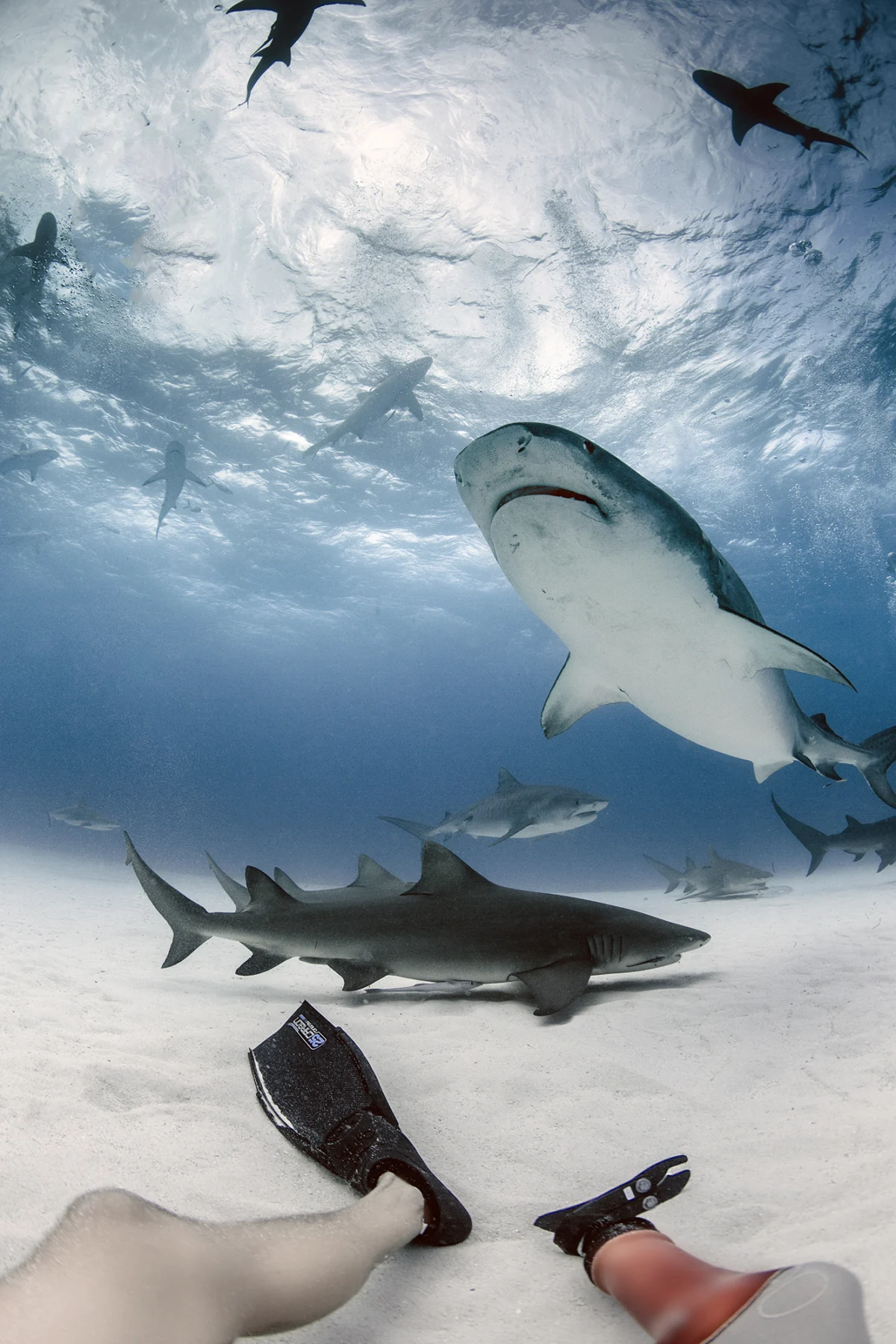
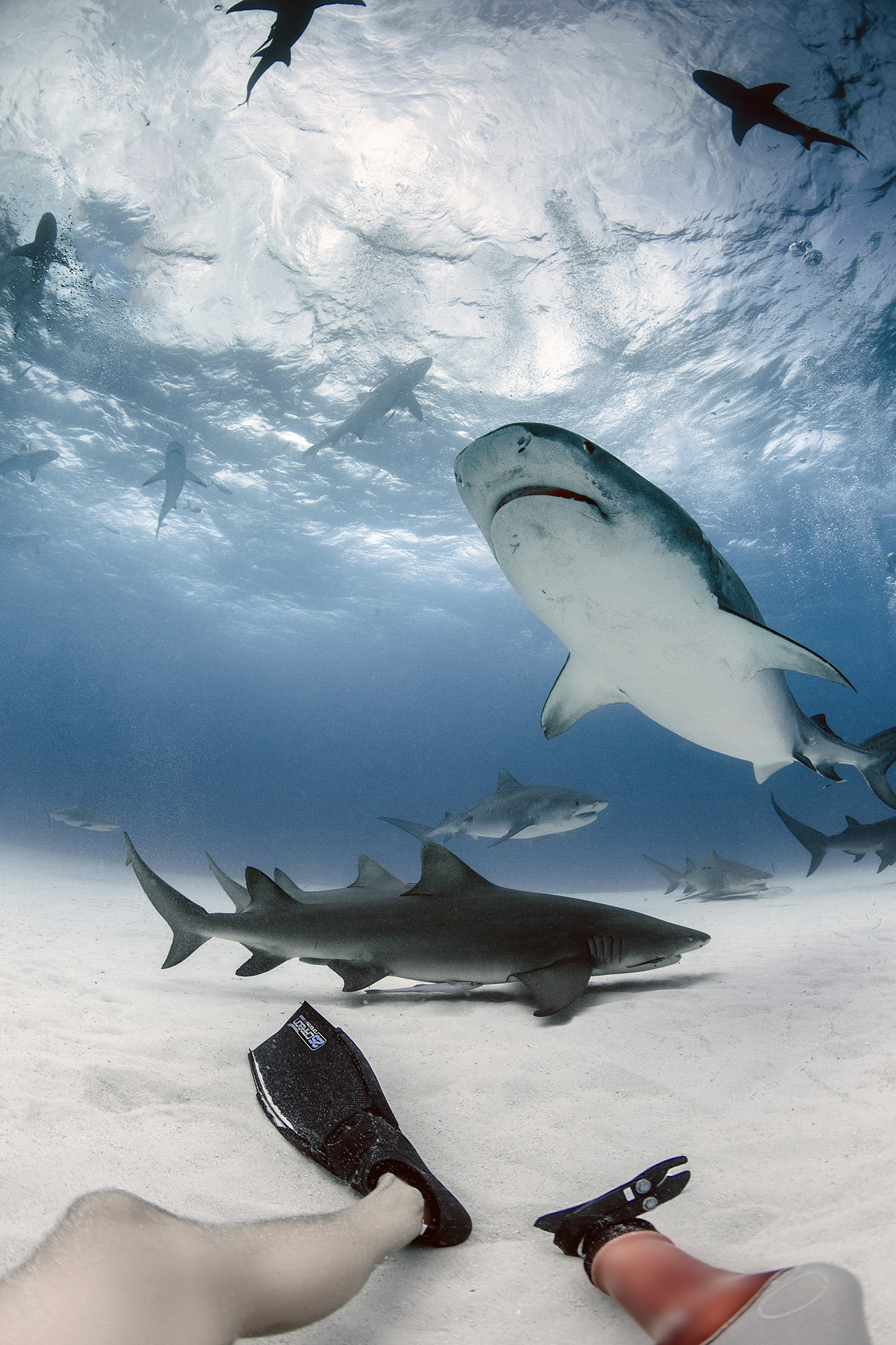
For most, a brush with a predator of the deep would signify a permanent exit from the ocean. For Kauai-based photographer Mike Coots, however, it served as an unexpected gateway into a lifetime of advocacy. After surviving a shark attack at age 18 that resulted in the loss of his leg, Coots did not retreat from the Pacific. Instead, he dove deeper—using his camera to dismantle the monstrous reputation of sharks and championing their survival.
The Evolution of an Advocate: A Chronology
The arc of Mike Coots’ life is a study in resilience and transformation. Born and raised in the lush, wave-battered landscape of Kauai, Coots grew up with the ocean as his backyard. By his late teens, he was already a seasoned waterman, comfortable in the heavy surf that defines the Hawaiian archipelago.
The Turning Point (1997): At 18, during a morning surf session, Coots’ life changed in an instant. A tiger shark attacked, claiming his leg but failing to claim his spirit. Rather than harboring resentment, Coots experienced a profound shift in perspective. He began to view the shark not as an enemy, but as a vital component of a complex, fragile ecosystem that he had been part of his entire life.
The Artistic Pivot: Following his recovery, Coots turned to photography. He quickly realized that traditional, wide-angle "action" shots of sharks—often designed to incite fear—did not capture the animals he had encountered. Drawing on his formal art school training in human portraiture, he began applying those same techniques to the underwater world. By focusing on the "soul" of the shark, he began to change the public narrative, one frame at a time.
Present Day: Today, Coots is a globally recognized ocean advocate. His collaboration with brands like OluKai and his presence at prestigious events like Turtle Bay’s “Meet the Legends” series highlight his status as a leading voice in marine conservation. He is no longer just a survivor; he is an educator.

The Ecological Imperative: Why Sharks Matter
To understand Coots’ mission, one must first understand the biological significance of the shark. As he explains, these creatures are not merely apex predators; they are the architects of ocean health.
"Sharks have been around for over 400 million years," Coots notes. "They’ve been on Earth longer than dinosaurs. That alone should tell us they play an irreplaceable ecological role."
The Keystone Function
Sharks function as the ocean’s janitors and regulators. By targeting the sick, the weak, and the dying, they maintain the vigor of prey populations. As a "keystone species," their presence is disproportionately influential. If you remove the apex predator from a reef ecosystem, the trophic cascade that follows is devastating. Fish populations become unbalanced, biodiversity plummets, and the overall biomass of the reef declines. Coots uses a poignant metaphor: "Think of it this way: If you take off the roof of your house, everything below that collapses. A healthy ocean needs a healthy shark population."
Supporting Data: The Crisis in the Pacific
The threats facing shark populations today are systematic and industrial. The statistics are staggering, even to those familiar with marine biology.
- The Finning Industry: It is estimated that upwards of 100 million sharks are killed annually, primarily to meet the demand for shark fin soup. This rate of extraction is ecologically unsustainable, as sharks have slow maturation rates and low reproductive output.
- Bycatch: Beyond targeted hunting, commercial fishing presents a massive, unintended threat. "Bycatch"—the accidental trapping of sharks in nets and on longlines intended for tuna or swordfish—remains a critical issue. While new technology and modified hooks are being developed to allow for the release of sharks, the stress of the encounter often proves fatal.
- Ocean Acidification: As CO2 levels rise, the chemistry of the ocean shifts, impacting the reefs that sharks rely on for habitat. This, combined with plastic pollution and habitat loss, creates a "death by a thousand cuts" scenario for the species.
The Art of Empathy: A New Lens on Predators
Coots’ photography serves as his primary tool for policy change. In an industry dominated by fisheye lenses that distort shark anatomy and create a sense of frantic, aggressive movement, Coots chooses intimacy.
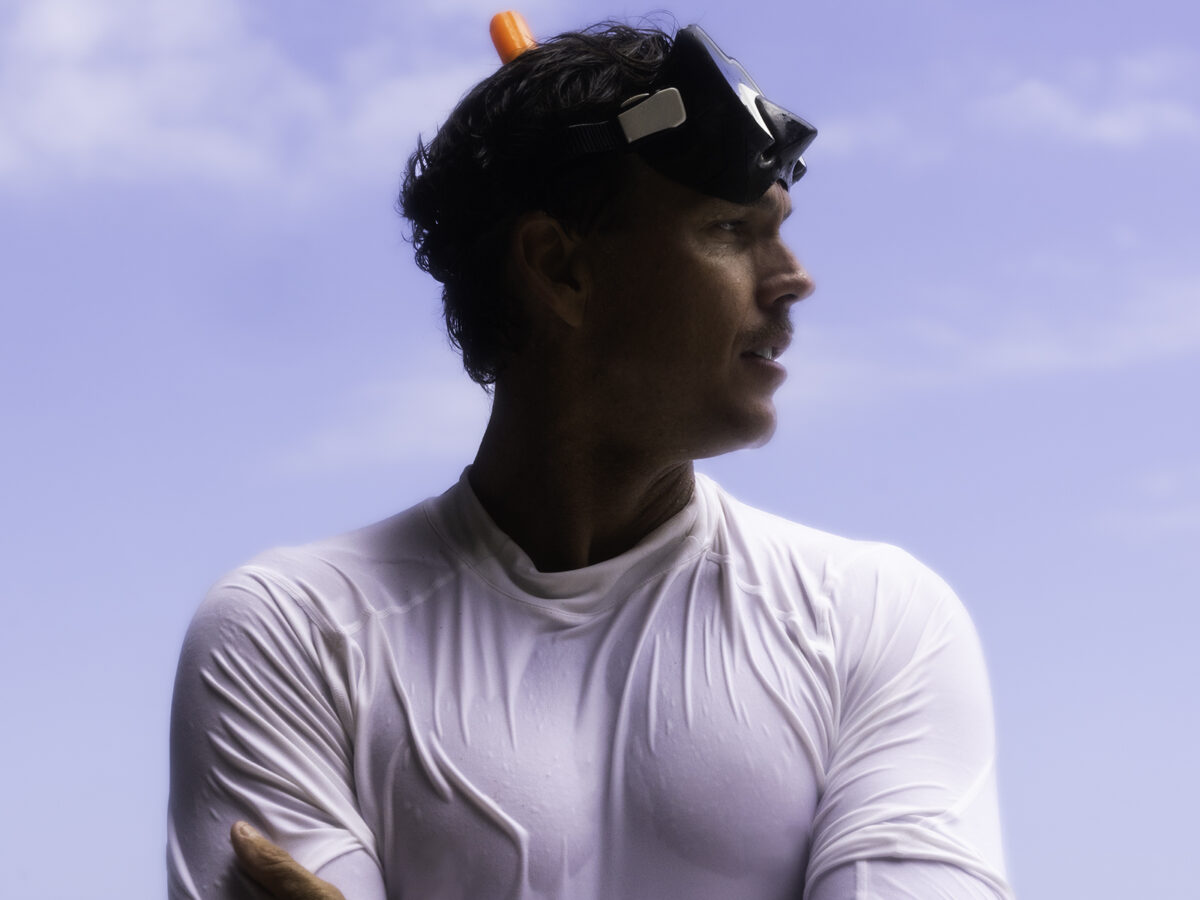
"I apply the same skills I use to shoot people to the underwater world," he explains. "I look for the catch-light in the eye. I look for the stillness. I want people to see a little bit of themselves in the animal."
By humanizing these animals through artistic portraiture, Coots is tapping into a psychological truth: Conservation follows connection. Humans are far more likely to protect a creature they find beautiful or relatable than one they fear. His work is a deliberate attempt to replace the "Jaws" archetype with a more accurate, majestic reality. He often cites the great white shark, frequently maligned by cinema, as a gentle giant. "When you spend time with them, you realize that the ‘ripping and tearing’ you see in movies is maybe one percent of their lives. The rest of the time, they are just swimming with a quiet, powerful grace."
Official Perspectives and Ethical Stewardship
The shift in how we view sharks is part of a broader movement in marine science and environmental policy. Organizations and activists are increasingly pushing for "shark sanctuaries" and stricter international regulations on the fin trade.
Coots’ philosophy aligns with the concept of Aloha—not just as a greeting, but as a commitment to the spirit of the land and sea. He urges his followers to move past the "doom and gloom" of environmental statistics and find their own niche for action.
"These issues—ocean acidification, climate change, overfishing—they are enormous," Coots admits. "But everyone has a unique skill set. You don’t have to save the entire ocean overnight. If you go to the beach and pick up a piece of plastic or a tangle of fishing line, you have made a tangible impact. That is the purest form of stewardship."
Implications for the Future
The implications of Coots’ work extend far beyond photography. By bridging the gap between extreme sports and scientific advocacy, he provides a blueprint for how individuals can influence environmental policy. His success in the media space proves that storytelling is just as important as empirical data when it comes to legislative change.
If we continue to lose shark populations at the current rate, the degradation of the global marine food web will be irreversible. However, figures like Coots are changing the tide. Through education, art, and a refusal to be defined by his trauma, he has created a platform that forces us to look at the ocean—and its most misunderstood inhabitants—with new eyes.
"The ocean has given me far more than it has ever taken away," Coots reflects. His mission now is to ensure that the ocean remains vibrant, healthy, and full of the apex predators that have called it home since before the rise of the mammals. For those who follow his work, the message is clear: The shark is not a monster to be feared, but a masterpiece to be protected.
As we look toward the future of marine conservation, the legacy of Mike Coots will likely be found in the generation of ocean-goers who view the water with respect, curiosity, and a sense of shared responsibility. In the end, we are all part of the same ecosystem; and in protecting the shark, we are, in a very real sense, protecting ourselves.
