

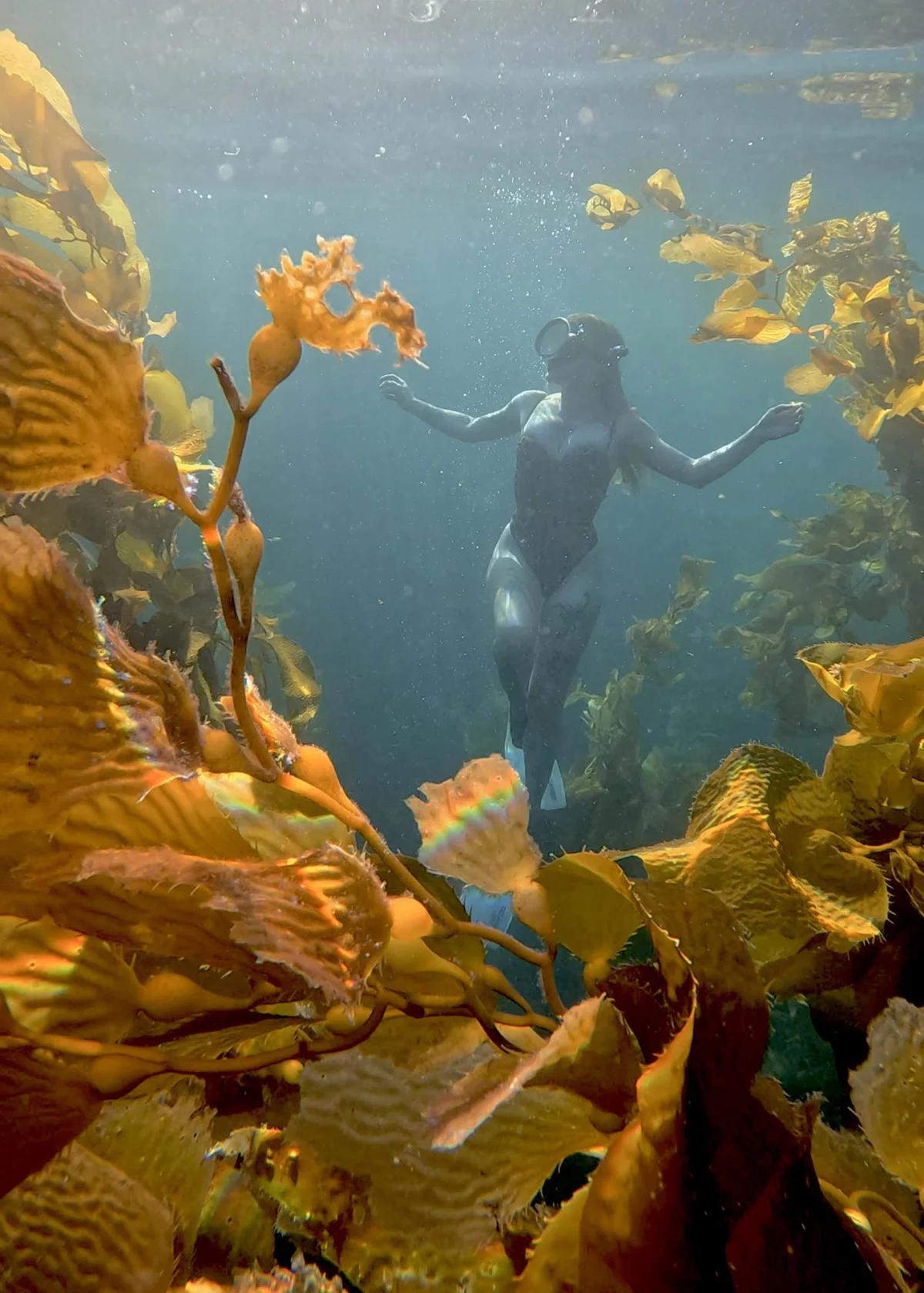
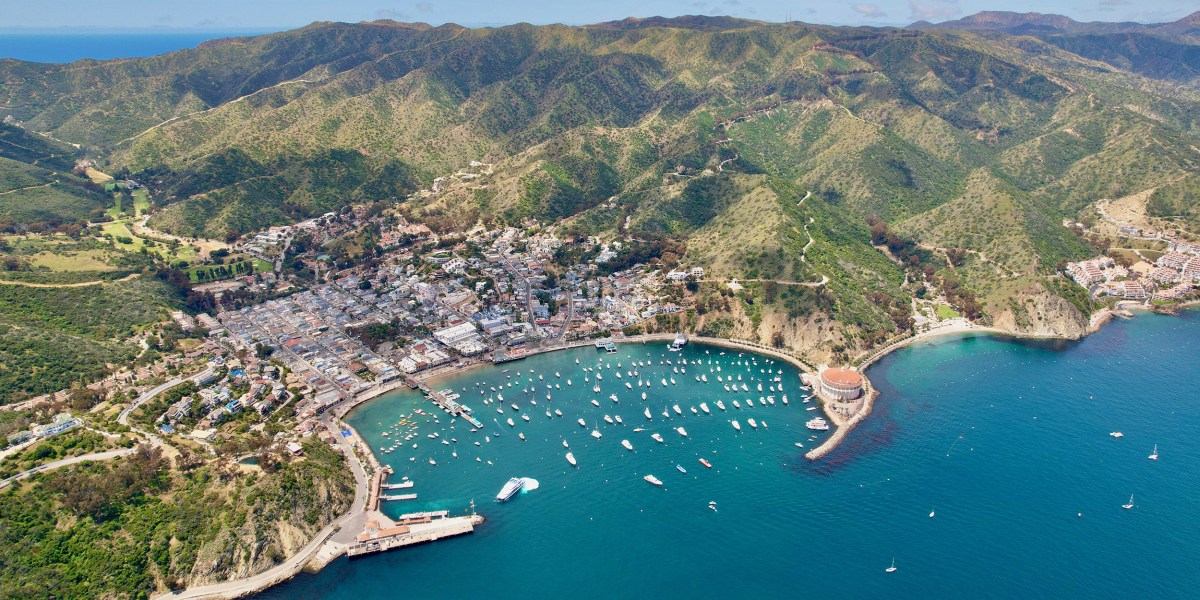
In an era defined by hyper-connectivity and the relentless pursuit of the "nine-to-five," a growing movement of individuals is trading terrestrial stability for the unpredictable rhythm of the open ocean. Among those leading the charge are Lindy Lenix and Jeremiah Bernheim, a young couple who recently captured the public imagination by embarking on a 400-nautical-mile voyage from San Francisco to the sun-drenched shores of Catalina—despite possessing absolutely no formal sailing experience.
What began as a daring experiment in self-reliance has blossomed into a viral social media phenomenon. Through their digital storytelling, Lenix and Bernheim have documented not just the technical hurdles of nautical life, but a profound philosophical shift in how one approaches risk, community, and the definition of home.
The Genesis of a Journey: From Van Life to Blue Water
The trajectory of Lenix and Bernheim’s adventure is rooted in a previous chapter of nomadic exploration. Two years ago, the couple purchased a 1989 Ford Econoline van, eager to participate in the "van life" movement that has swept across the American West.
"We wanted to see what it was like to live with less," Lenix explains. "The West has a unique way of challenging your comfort zone. But as we traveled, we found ourselves drawn to the coast. We realized that the boating community out here is unlike any other. The water is so vibrant, so accessible, and yet so untouched, that it genuinely feels exotic."
The transition from a four-wheeled home to a 40-foot sailboat was not a whim, but a deliberate escalation of their desire for autonomy. While the average individual might view such a transition as reckless, Lenix and Bernheim approached it with the methodical intensity of modern autodidacts.
Chronology of an Unlikely Expedition
The journey from the fog-laden Golden Gate Bridge to the Mediterranean-esque coves of Catalina was not without its trials.
- The Preparation Phase: The couple spent months immersed in sailing manuals and the vast repository of maritime tutorials available online. While Lenix admits that YouTube tutorials are no substitute for professional maritime certification, they served as a vital intellectual foundation for the technical aspects of rigging, navigation, and weather patterns.
- The Departure: Untethering from their routines in San Francisco, the couple began a 400-nautical-mile trek that would test their resolve. This was their "shakedown cruise"—a baptism by fire that required them to learn the nuances of wind speed, current shifts, and equipment maintenance in real-time.
- The Integration: Upon reaching Southern California, the couple integrated into the local sailing community. What they expected to be an isolating experience proved to be the opposite. They found a culture defined by mutual aid, where seasoned sailors were eager to offer spare parts, navigational advice, and camaraderie.
The Mechanics of Self-Sustainability
Living aboard a 40-foot vessel is a masterclass in resource management. For Lenix and Bernheim, the transition was defined by the transition from consumerism to self-sustainability.
"Our biggest goal is to become completely self-sufficient," says Lenix. "When you are on anchor, you are the utility company. You have to figure out how to generate your own power to run a refrigerator, how to source fresh water, and how to manage logistics for necessities like mail and supplies."
To meet these demands, the couple has outfitted their vessel with sophisticated solar arrays and a desalination unit, which converts seawater into potable water. Furthermore, they have adopted a "forage and fish" approach to their diet, reducing their dependency on onshore supply chains. These efforts are not merely for convenience; they are a rejection of modern convenience culture in favor of a more primitive, yet deeply rewarding, existence.
Supporting Data: The Rise of the "Nomad Economy"
The couple’s journey coincides with a broader socioeconomic trend. According to recent travel industry reports, the "nomadic lifestyle" sector has seen a 25% increase in participation among adults aged 25–40 since 2020. This includes not only van life but an increasing interest in "blue water" cruising.
Maritime data indicates that the Pacific Coast of the United States remains one of the most popular, albeit challenging, corridors for novice cruisers. The logistical hurdles—such as limited marinas in certain regions and the unpredictable nature of Pacific swells—have birthed a secondary economy of remote-work-friendly ports, where local businesses increasingly cater to the "digital nomad" sailor.
Official Perspectives: The Psychology of "Controlled Risk"
Experts in environmental psychology often point to such lifestyle shifts as a response to "modern burnout." Dr. Aris Thorne, a researcher in lifestyle migration, suggests that the appeal of sailing for the current generation lies in the loss of agency in traditional workspaces.
"When you are on the ocean, you are forced to contend with an environment that does not care about your to-do list," Dr. Thorne notes. "You are stripped of the illusion of control. For many, this is terrifying, but for others, it is the only way to reclaim their autonomy. The ‘Type-A’ personality is often forced to become a ‘Type-Adaptive’ personality in these scenarios."
Lenix herself confirms this psychological transformation. "I’ve always been a Type-A person who likes to plan everything," she reflects. "But the reality of sailing is that you cannot plan. Mother Nature is in charge. The tides control my life now, and there is an incredible sense of peace in surrendering to that."
The Community Factor: Challenging the "Lone Wolf" Myth
Perhaps the most surprising finding for the couple was the nature of the sailing community. Contrary to the literary trope of the solitary sailor—the "lone wolf" navigating the abyss—Lenix found a highly communal environment.
"We’ve seen people whose outboard engines get flooded, and a complete stranger will hand over their own spare," Lenix recounts. "It is a culture built on the understanding that out here, we are all we have. That realization has completely altered our understanding of what it means to be part of a society."
This sense of connection extends to their view of the West Coast itself. By navigating the coastline from north to south, they gained an intimate, ground-level perspective of California that few others ever achieve. They describe the experience as "seeing every inch of the coast without missing a beat," a view that has fostered a deep sense of stewardship and appreciation for the region’s geography.
Future Horizons: The Long Voyage Ahead
With the Catalina run successfully behind them, the couple has turned their eyes toward the horizon. Their long-term ambition is nothing short of circumnavigating the globe.
"We don’t have any timeline," Lenix says. "It could take five years; it could take 20. We don’t know how long it’s going to take, and that is part of the fun. I’ve always chased slow, intentional travel."
This commitment to "slow travel" represents a radical departure from the standard tourism model. It is an acknowledgment that the value of a journey is not found in the destination, but in the hours spent navigating the unexpected.
Implications: A Call to Courage
Lenix and Bernheim’s story serves as more than just a travelogue; it is a case study in human resilience. For those currently tethered to their desks or feeling the weight of societal expectations, the couple’s message is clear: the barriers to entry are often more psychological than physical.
"As someone who started with zero experience, if I can do it, so can you," Lenix asserts. "And you are allowed to do it scared. I’d rather live a life of ‘oh wells’ than ‘what ifs.’"
As they prepare for their next leg of the journey, Lenix and Bernheim remain symbols of a generation that is increasingly willing to gamble on the unknown. Whether they reach the far corners of the globe or find their peace in the quiet coves of the Pacific, they have already achieved the most difficult part of the voyage: leaving the dock. In an increasingly uncertain world, their journey stands as a testament to the power of human curiosity and the enduring allure of the open sea.
