

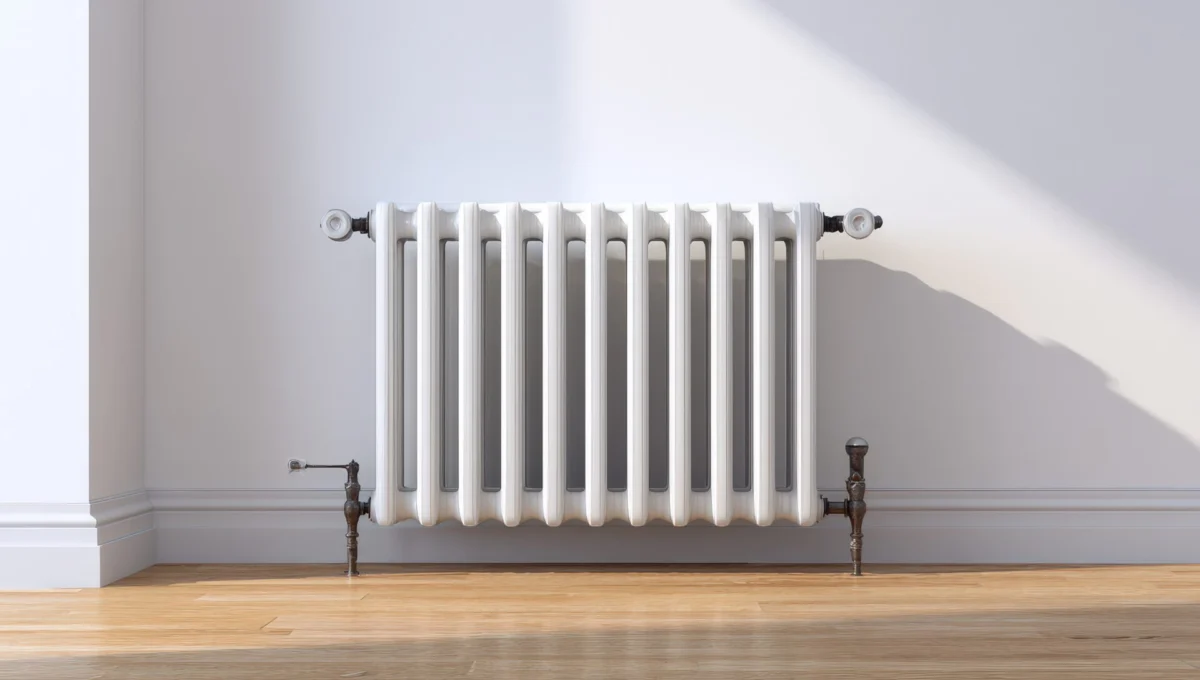
Baseboard radiators remain a cornerstone of home heating, particularly in regions with harsh winters. Renowned for their low-profile aesthetic and effective zone-heating capabilities, these units offer an affordable entry point for homeowners looking to upgrade their HVAC infrastructure. However, navigating the decision between electric and hydronic models requires a nuanced understanding of upfront installation costs, long-term energy efficiency, and the spatial requirements of your home.
Whether you are retrofitting an older property or outfitting a new addition, understanding the investment involved is critical. On average, homeowners can expect to pay between $200 and $1,200 per unit for professional installation. While this figure provides a baseline, the final invoice is heavily influenced by your specific heating needs, the type of technology selected, and the complexity of your home’s existing infrastructure.
Main Facts: Understanding Baseboard Heating Systems
At their core, baseboard radiators serve as a decentralized heating solution. Unlike forced-air systems that rely on expansive ductwork and central blowers, baseboard radiators operate independently in each room, allowing for precise temperature control—often referred to as "zoning."
The Two Primary Technologies
- Electric Baseboard Radiators: These units draw air into the bottom of the heater, where it passes over energized electrical coils. The heated air then rises through the top of the unit and circulates throughout the room via natural convection.
- Hydronic (Hot Water) Baseboard Radiators: These systems utilize a closed loop of water or oil. The liquid is heated by a central boiler and circulated through pipes to the radiator units. As the liquid passes through, it transfers heat to the metal fins, which then warm the surrounding air.
Why Choose Baseboard Heating?
Baseboard systems are frequently lauded for their quiet operation and reliability. Because they do not rely on fans or air ducts, they avoid the "whooshing" noise and the potential for dust recirculation associated with forced-air systems. Furthermore, for homes without existing ductwork, installing baseboard heating is significantly more cost-effective than attempting to install a full central HVAC system.

Chronology and Evolution of Modern Heating
The widespread adoption of baseboard heating in the mid-20th century transformed residential architecture. Before the prevalence of central air, builders sought efficient, compact ways to heat individual rooms without the bulky footprint of traditional cast-iron radiators.
As technology evolved, the industry moved away from steam-based systems toward the modern electric and hydronic configurations we see today. In the early 2000s, the focus shifted toward energy efficiency and smart-home integration. Today, programmable thermostats allow homeowners to manage these zones with surgical precision, reducing energy waste by ensuring that unoccupied rooms do not consume unnecessary heating resources.
Supporting Data: Cost Breakdown and Financial Implications
When evaluating the cost of baseboard radiators, one must differentiate between the hardware and the labor. While the equipment itself is relatively inexpensive, the total "installed" cost reflects the technical expertise required to ensure the system is safe and code-compliant.
Cost Comparison Table
| Heating Type | Average Unit Cost | Cost Including Installation |
|---|---|---|
| Electric | $50 – $130 | $200 – $1,100 |
| Hydronic | $180 – $320 | $430 – $1,200 |
Factors Influencing the Bottom Line
- System Length: Most baseboard units are sold in 2- to 6-foot increments. Generally, you need approximately 10 watts of power per square foot for electric systems, or 34 BTUs per square foot for hydronic systems. A 200-square-foot room, therefore, requires a significantly larger and more expensive installation than a smaller 100-square-foot bedroom.
- Labor Rates: Professional HVAC contractors typically charge between $75 and $150 per hour. Hydronic systems require more intensive labor due to plumbing requirements, often taking three to four hours per unit.
- Electrical Requirements: If your home lacks a dedicated circuit for new electric heaters, you will need to budget for an electrician, which adds an additional $50 to $130 per hour to the total project cost.
Expert Perspectives: Advice from the Field
To gain a deeper understanding of the realities of baseboard installation, we spoke with Mitch Rosa, owner of Hudson Valley HVAC in Orange County, New York.

"People tend to ignore them, but baseboard radiators are one of the most effective ways to heat a home," Rosa explains. However, he warns against the "space sacrifice" that comes with these installations. Because baseboard units run along the perimeter of the room, they can limit furniture placement. "Every home is like a body," Rosa says. "It needs to breathe. If you run undersized heating solutions, it’s like running with cotton in your nose. You’re going to be working harder and cause a ‘heart attack’ to the system."
Rosa also emphasizes the importance of proper placement. "Keep your furniture at least 3 inches away from the radiators," he advises. "If they are blocked, the system cannot distribute heat effectively, leading to higher energy bills and potential fire hazards."
Implications: Long-Term Efficiency and Maintenance
While the upfront cost is a major consideration, the long-term implications for your wallet and your home’s air quality are just as vital.
The Efficiency Debate
Hydronic systems are widely considered more energy-efficient for whole-home heating. Because liquid retains heat far longer than electric coils, the boiler does not need to cycle on and off as frequently. Conversely, electric baseboard heat is often more expensive to run in regions where electricity rates are high. However, if you only need to heat a single room or an addition, the low upfront cost of an electric unit may outweigh the efficiency gains of a costly hydronic installation.

Maintenance Requirements
- Electric: Keep units clean of dust and debris every six months to prevent odors and fire risks. Always verify that the electrical connections remain tight and free of corrosion.
- Hydronic: These systems require annual "bleeding" to remove trapped air pockets that can block water flow and reduce heating capacity.
The "Air Quality" Advantage
Unlike forced-air systems, baseboard heaters do not dry out the air as aggressively, nor do they blow allergens throughout the home. This makes them a preferred choice for individuals with respiratory sensitivities. However, homeowners must be diligent about keeping the units clear of window treatments, as curtains or drapes hanging too close to the heating element pose a significant fire risk.
Conclusion: Making the Right Choice
Choosing the right heating system is a balance between your budget, your local climate, and the architectural limitations of your home. Baseboard radiators offer a versatile, quiet, and reliable solution that, when installed correctly, can last up to 20 years.
If you are considering a transition to baseboard heating, follow these professional recommendations:
- Assess Your Infrastructure: Determine if you have the existing plumbing for hydronic units or the electrical capacity for high-voltage electric heaters.
- Request Multiple Quotes: Always source at least three estimates from licensed, insured HVAC contractors.
- Prioritize Zoning: Use the zoned nature of baseboard heating to your advantage. Install programmable thermostats to maximize energy efficiency.
- Avoid DIY for Complex Tasks: Unless you are a licensed electrician or plumber, leave the installation to the experts. Improper wiring or pipe connections can lead to catastrophic damage, void your home insurance, and create dangerous fire risks.
By carefully planning your installation and committing to regular maintenance, you can ensure that your baseboard radiators provide reliable, comfortable heat for decades to come. Whether you opt for the simplicity of electric or the efficiency of hydronic, this classic heating method remains a standard-bearer for home comfort.
