

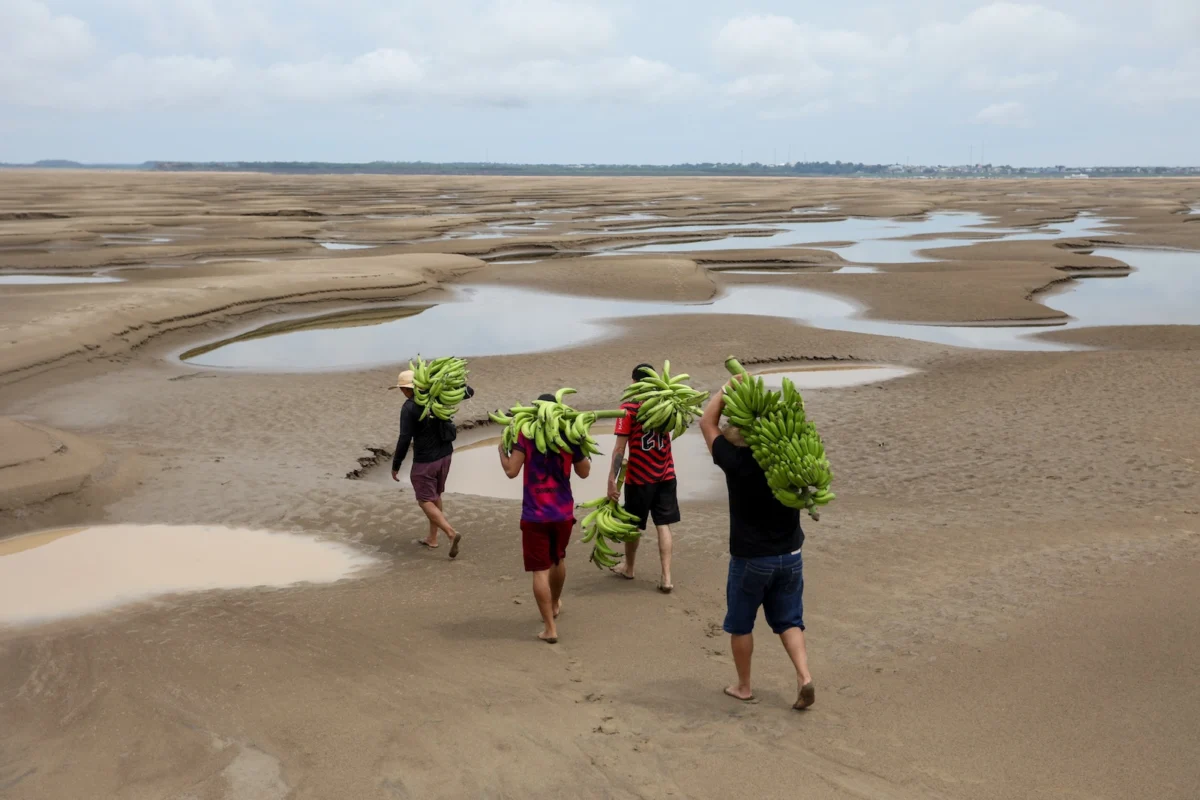
For over six decades, the United States Agency for International Development (USAID) served as the cornerstone of American soft power and humanitarian benevolence. Operating in the world’s most climate-besieged and food-insecure regions, the agency was the primary engine behind thousands of critical programs—ranging from emergency famine relief and therapeutic nutrition to large-scale healthcare initiatives and disaster response.
However, the global landscape shifted irrevocably last year. In a move described by researchers as unprecedented in recorded human history, the administration of President Donald Trump issued a sweeping stop-work order just days after his inauguration, effectively freezing nearly all overseas programs. By July, the agency was informally dissolved, marking the largest, most abrupt withdrawal of American international development aid since the agency’s inception in 1961.
A landmark study published May 14 in the journal Science now provides empirical weight to what many observers feared: the sudden cessation of this massive aid apparatus is directly linked to a sharp, destabilizing surge in violent conflict across the African continent.
A Chronology of the Collapse
The disintegration of USAID was not a gradual sunsetting of programs but a swift, systemic dismantling of a global infrastructure.
- January: The Stop-Work Order: Days into his second term, President Trump’s administration issued a directive that suspended all active USAID projects, creating an immediate operational paralysis.
- February – June: The Vacuum: As staff were recalled and contracts were terminated, the "life-support" systems of the agency—food kitchens, vaccine distribution networks, and water sanitation projects—began to fail.
- July: Formal Dissolution: The agency was effectively shuttered, terminating the United States’ formal role in global development assistance. This decision effectively signaled the end of a 64-year commitment to stabilizing fragile states.
- The Aftermath: By late in the year, reports of rising food insecurity and localized unrest began to flood in, providing the data points that would eventually form the basis of the Science study.
The Statistical Reality: Mapping the Conflict
To understand the impact of this withdrawal, researchers at the University of Chicago, led by Austin Wright, conducted an exhaustive analysis of 870 subnational African regions. By comparing historical USAID funding levels with data on violent conflict, the study paints a harrowing picture of what happens when a critical stabilizing force vanishes overnight.
The findings suggest that the 10-month period following the shutdown saw a statistically significant escalation in violence. In areas that had historically received robust USAID support, the researchers observed:
- 12.3% increase in overall conflict.
- 7.3% surge in armed battles.
- 6.8% rise in civil unrest, including protests and riots.
- 9.3% increase in battle-related fatalities.
"There is nothing that we’re aware of in recorded human history of the magnitude of that shutdown," said Austin Wright, a co-author of the study. "In terms of ending a country’s commitment at a global scale, the effects have been swift, measurable, and profoundly destabilizing."
The Nexus of Food, Climate, and Instability
The correlation between aid withdrawal and violence is not merely coincidental; it is rooted in the delicate interplay between food security and political stability.
Farming and agricultural markets are inherently fragile. When the infrastructure that supports these markets—such as USAID-funded irrigation, technical support, and famine early-warning systems—is removed, food security collapses. As communities face starvation, social cohesion erodes, making them susceptible to exploitation by insurgent groups or fueling desperate protests against local governments.
This vulnerability is exacerbated by the climate crisis. According to a 2024 report by the Food Security Information Network (FSIN), extreme weather is second only to conflict as a driver of global hunger. As rising seas and cataclysmic storms destroy arable land, populations are forced to migrate. Historically, USAID programs acted as a buffer, providing the resources necessary to manage these displacements. Without that buffer, mass migration has become a source of further friction and conflict in neighboring regions.
Institutional Memory and the Data Blindspot
Beyond the direct delivery of food and medicine, USAID played a role that is often overlooked: it was the world’s primary collector of data. The agency funded the tracking of everything from localized weather patterns to nascent famine signals.
Chelsea Marcho, a senior director for research and policy at the Food Security Leadership Council and a former USAID official, highlights that the dissolution of the agency has created a "data blackout."
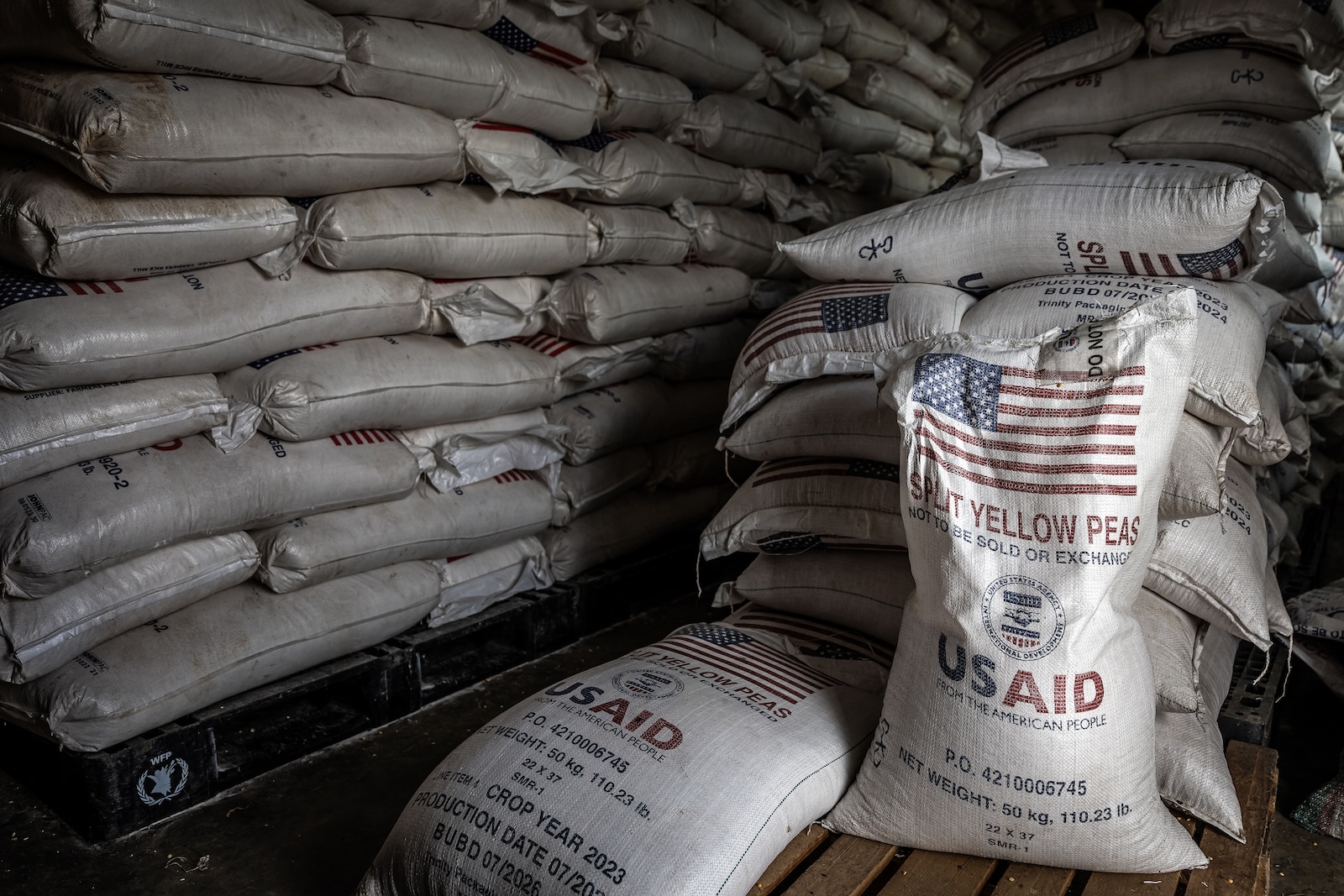
"The visibility that we have around food security is potentially in decline at the same time that the risks to the system are increasing," Marcho noted. "We have effectively buckled our ability to measure the very outcomes of the end of USAID. How do we actually get the data we need to make informed decisions?"
While some famine early-warning systems have been partially restored by international coalitions, the loss of institutional memory and the sheer loss of capacity have left the global community "flying blind" in several of the world’s most volatile regions.
Expert Perspectives: A Disputed Narrative
While the Science study provides a compelling case for the impact of the USAID withdrawal, it has not been without its critics. Zia Mehrabi, a food security and climate change researcher at the University of Colorado Boulder, argues that while the findings are alarming, they should be interpreted with caution.
"The results are clearly early and tentative," Mehrabi said. "I think it is a leap to say this is all attributable to USAID."
Mehrabi points to several limitations in the study:
- The Timeframe: A 10-month window is relatively short for capturing long-term systemic shifts in conflict dynamics.
- Confounding Variables: The administration’s cuts were not limited to USAID. Significant reductions were made simultaneously to the State Department and other international funding streams, making it difficult to isolate the specific impact of the USAID shutdown.
- Measurement Mechanisms: The way the authors define "conflict" and "aid" may not fully capture the nuanced reality on the ground.
However, the authors of the study stand by their methodology, noting that they conducted extensive "robustness checks" to account for these variables. They maintain that the surge in violence following the withdrawal is too significant to be dismissed as a byproduct of other policy changes.
The Road Forward: Can Aid Be Rebuilt?
As the global community grapples with the fallout of the USAID dissolution, the debate has shifted toward what comes next. Is the solution to simply restore the agency, or is a more fundamental restructuring required?
Mehrabi suggests that the focus on foreign aid might be misplaced. He argues that the U.S. could have a more durable impact on stability by focusing on structural economic issues, such as the equitable distribution of wealth derived from natural resource extraction in critical mineral-rich nations like the Democratic Republic of the Congo.
"The U.S. could far outweigh any benefits from foreign aid by ensuring that local populations see the benefits of the resources being extracted from their land," Mehrabi proposed.
Conversely, others argue that there is no substitute for the humanitarian infrastructure that was lost. "One cannot simply create USAID all over again," Wright warned. "Or give it a mandate and give it funding and assume that we have waved a wand and we can reverse the damage done."
Implications for Global Security
The dissolution of USAID serves as a case study in the consequences of isolationism. The evidence suggests that when a superpower withdraws from its commitment to development, the resulting power vacuum is often filled by instability, hunger, and violence.
As we look toward the future, the lessons of the past year are clear: development aid is not merely an act of charity; it is a critical component of global security. Whether the U.S. will eventually re-engage or if the world must find a new model for managing humanitarian crises remains the defining question of our time. For now, the millions of people who relied on the agency’s support continue to face a precarious existence, caught in the crossfire of a political decision that has reshaped the map of global suffering.
