

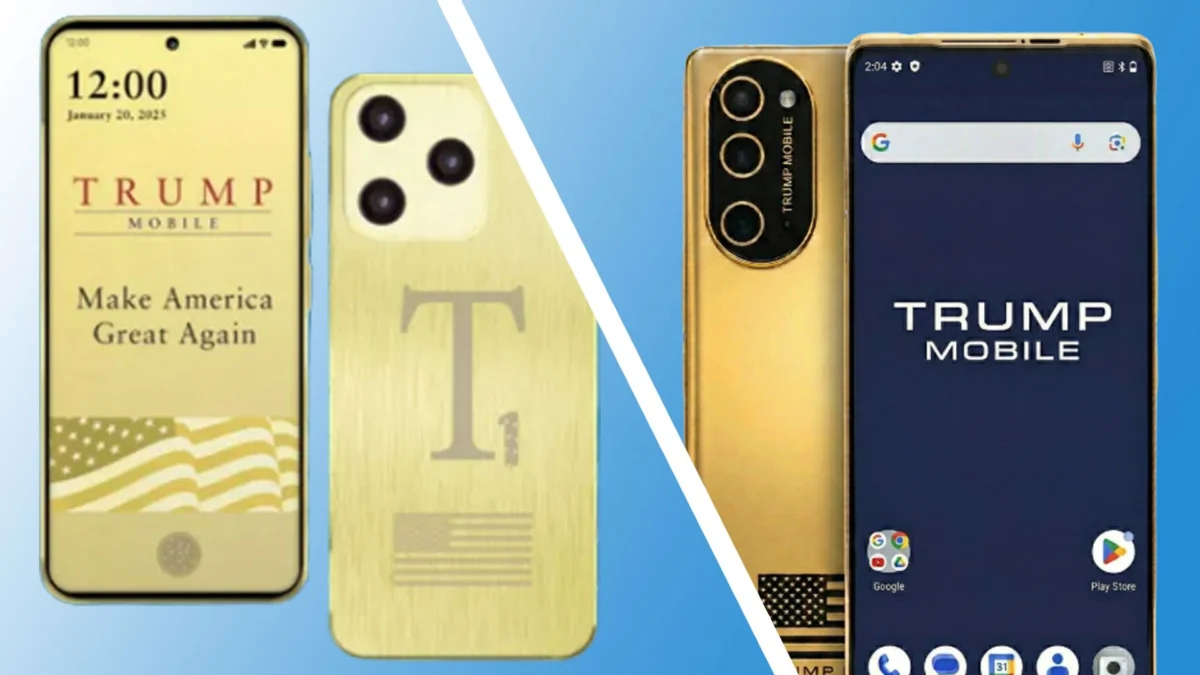
The ambitious promise of a "revolutionary" telecommunications experience under the Trump brand has hit another tumultuous milestone. A newly formed cybercrime collective, identifying itself as "BYOD," has claimed responsibility for a significant data breach involving the personal information of 3,615 Trump Mobile customers. This incident, which surfaced in late September 2026, marks the latest in a series of operational and security setbacks for the Trump-branded wireless venture, which has struggled to gain momentum since its inception.
The breach exposes a wide array of sensitive consumer data, including full names, physical home addresses, email addresses, phone numbers, and detailed order histories. While the company—managed by Florida-based operator Liberty Mobile—has remained largely silent, the disclosure of this information has sent shockwaves through the cybersecurity community and among the brand’s dedicated user base.
A Chronology of Chaos: From Launch to Leak
To understand the severity of the current situation, one must look at the rocky trajectory of Trump Mobile since its announcement in June 2025. Eric Trump, who spearheaded the project, promised that the service would disrupt the telecommunications industry. However, the path from marketing to execution has been paved with delays and broken promises.
- June 2025: Trump Mobile is announced with grand promises of revolutionizing the cellular market.
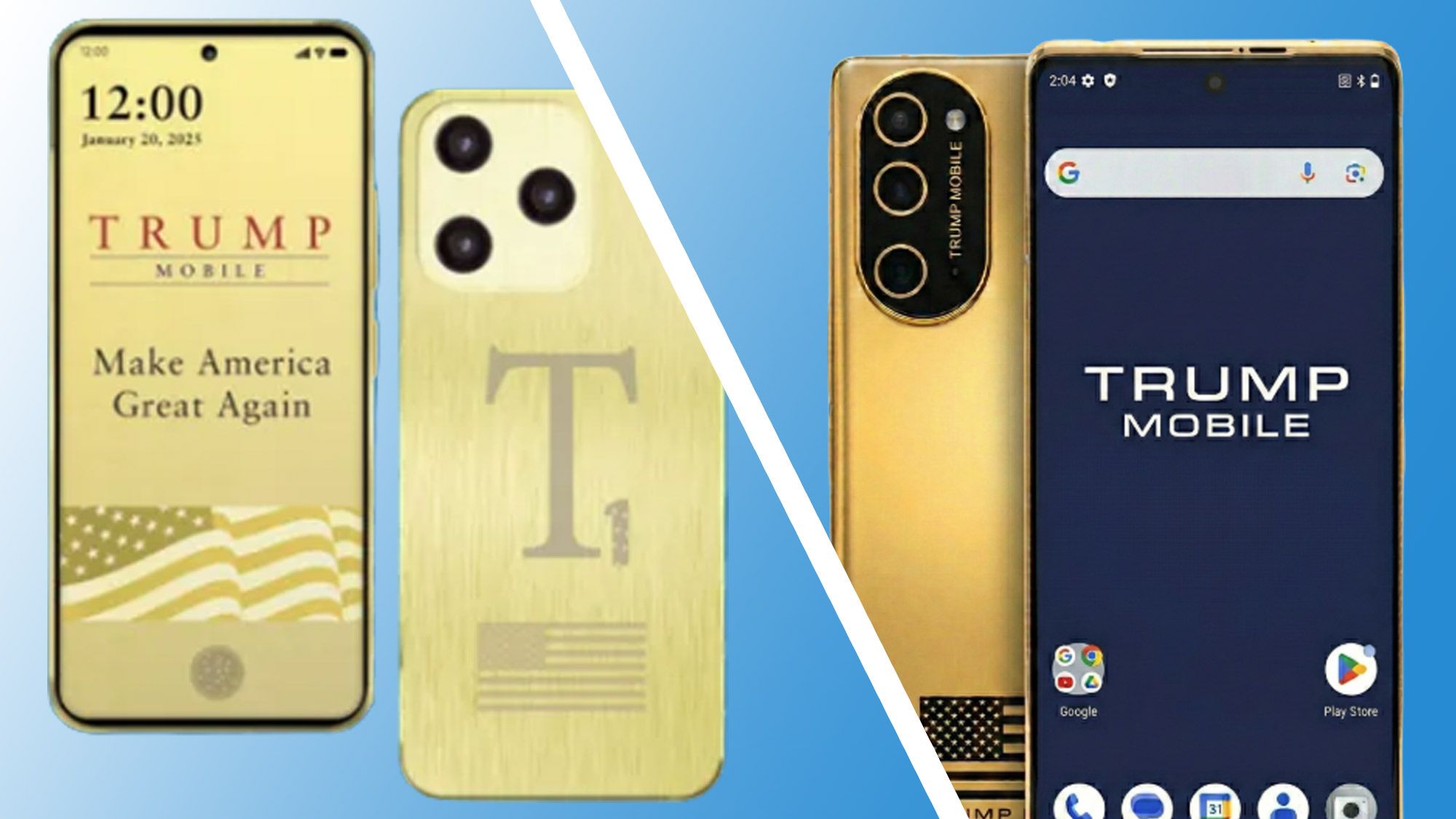
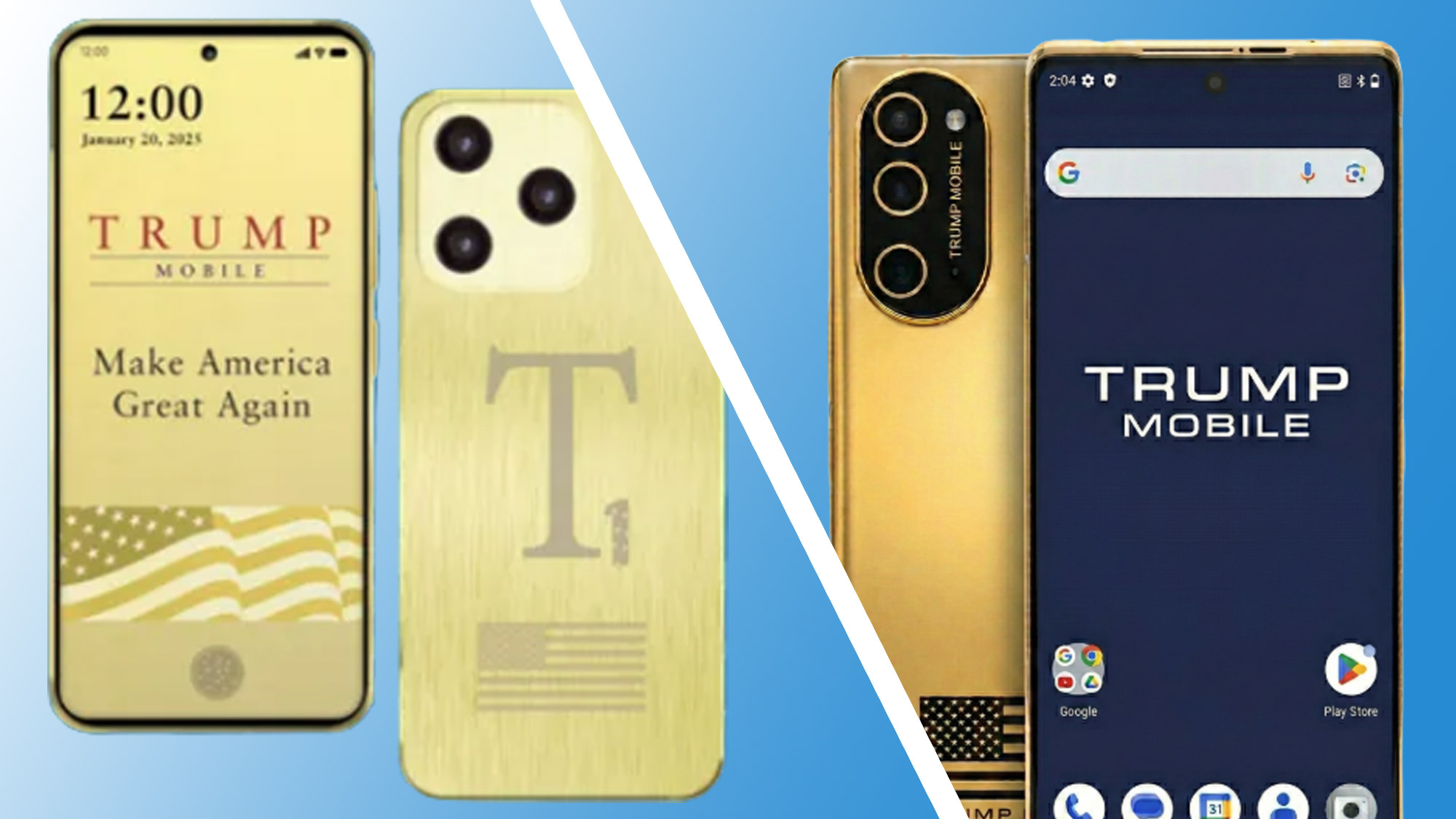
- August 2025 – April 2026: The company faces multiple shipping delays for its signature gold-colored T1 smartphone. The initial "Made in America" marketing claim is quietly scrubbed from the website within weeks of launch.
- April 2026: In a controversial move, the company updates its terms of service, effectively clarifying that a $100 deposit is not a purchase, leaving thousands of customers waiting indefinitely for their devices.
- May 2026: The company suffers an initial data leak, which it handles with extreme ambiguity, refusing to confirm whether it would even notify affected users.
- September 23, 2026: A group known as "EndZone" claims to have acquired data on 4,000 Trump Mobile users.
- September 29, 2026: The BYOD group publishes its dataset on a dark web leak site, marking the formal public disclosure of the 3,615 customer records.
The overlap between the EndZone claims and the BYOD leak has led experts, including security researcher Dominic Alvieri, to suggest that these incidents likely stem from the same original security compromise. While BYOD has denied a formal partnership with EndZone, the timing and nature of the data suggest a coordinated or sequential effort to monetize stolen information.
The Anatomy of the Breach: How BYOD Infiltrated the Network
The methods employed by the attackers provide a stark look at the vulnerabilities within the Trump Mobile infrastructure. According to the cybercrime group, the initial point of entry was a classic, yet devastating, technique: the compromise of a Liberty Mobile employee through the use of an infostealer.
Technical Failures and Security Oversights
Reports from Cybernews and Android Authority suggest that the attackers utilized a remote access trojan (RAT) to establish a foothold in the corporate network. Once inside, the group reportedly pivoted to exposed subdomains belonging to the wireless service.
Perhaps most damaging to the reputation of the company is the group’s assertion that the organization lacked even the most fundamental security standard: multi-factor authentication (MFA). BYOD claims to still maintain live access to a customer dashboard—a assertion that, if true, indicates a catastrophic failure in incident response and system remediation.
As a proof of concept, the attackers provided a screenshot to Straight Arrow News depicting an internal dashboard containing a customer’s private details. While this access has not been independently verified by third-party security auditors, the authenticity of the leaked data has been confirmed by multiple outlets, including PCMag, which successfully contacted individuals listed in the dump. These users confirmed the accuracy of the information, with some expressing shock at seeing detailed records of canceled 30-day unlimited plans included in the stolen dataset.
The Response—or Lack Thereof
The institutional response to the breach has been characterized by a profound absence of communication. When reached for comment, both the Trump Organization and Liberty Mobile opted for silence. This lack of transparency stands in stark contrast to the standard operating procedures of major telecommunications providers, which are typically required by law to provide immediate notification to victims of data theft.
Reports suggest that the internal culture at the organization regarding the breach is one of hostility rather than accountability. Allegations from the BYOD group suggest that when they initially contacted the company, the response was that there was "no team to handle this" and a branding of the hackers as "terrorists." This defensive posture, rather than a focus on consumer protection, has drawn the ire of privacy advocates and lawmakers who, as early as January 2026, had already petitioned the Federal Trade Commission (FTC) to investigate the company’s business practices.
Implications for the Consumer: Beyond the Gold-Plated Exterior
For the 3,615 individuals caught in this breach, the immediate risks are significant, though perhaps not as dire as a theft of financial credentials. Notably, no payment card data—such as credit card numbers or banking information—has been reported in the dump.
However, this does not mean the victims are out of the woods. In the world of cybercrime, a database containing names, home addresses, phone numbers, and order histories is a goldmine for social engineering.
The Threat of Social Engineering
Armed with this information, malicious actors can easily impersonate carrier support agents or delivery services. Victims may receive highly personalized phishing messages, such as:
- "Your Trump Mobile T1 delivery has been delayed; please verify your address here [malicious link]."
- "We are processing your refund for your deposit; please confirm your account details via this portal."
Because the data is specific and accurate, it increases the likelihood that victims will fall for these scams. Customers who signed up for the service—or even those who merely initiated the sign-up process—are advised to exercise extreme caution regarding any unsolicited communications related to their order status or account, particularly given the company’s history of erratic communication regarding shipping and billing.
Conclusion: A Failing Venture?
The Trump Mobile saga serves as a cautionary tale in the intersection of celebrity branding, high-tech promises, and cybersecurity reality. While the brand initially leaned on the promise of "revolutionizing" the cellular market, the reality has been a series of operational bottlenecks, regulatory scrutiny, and now, a demonstrable inability to protect the very people who trusted the brand with their personal information.
As the data remains public and the company continues to drag its feet on public acknowledgement or remediation, the trust of the consumer base is eroding. For the users affected by this breach, the "gold-colored T1 smartphone" is no longer the primary concern; the primary concern has become the safety of their personal data and the integrity of a company that, at least for now, appears ill-equipped to handle the responsibilities of a modern telecommunications provider.
As this story develops, it remains to be seen whether the FTC will intervene or if the mounting pressure from customers and security professionals will finally force a change in leadership and security strategy at the firm. For now, the takeaway for the public is clear: in the digital age, a brand name is no substitute for robust security, and consumers must remain vigilant when their personal information is held by organizations that fail to treat data protection with the gravity it demands.
