

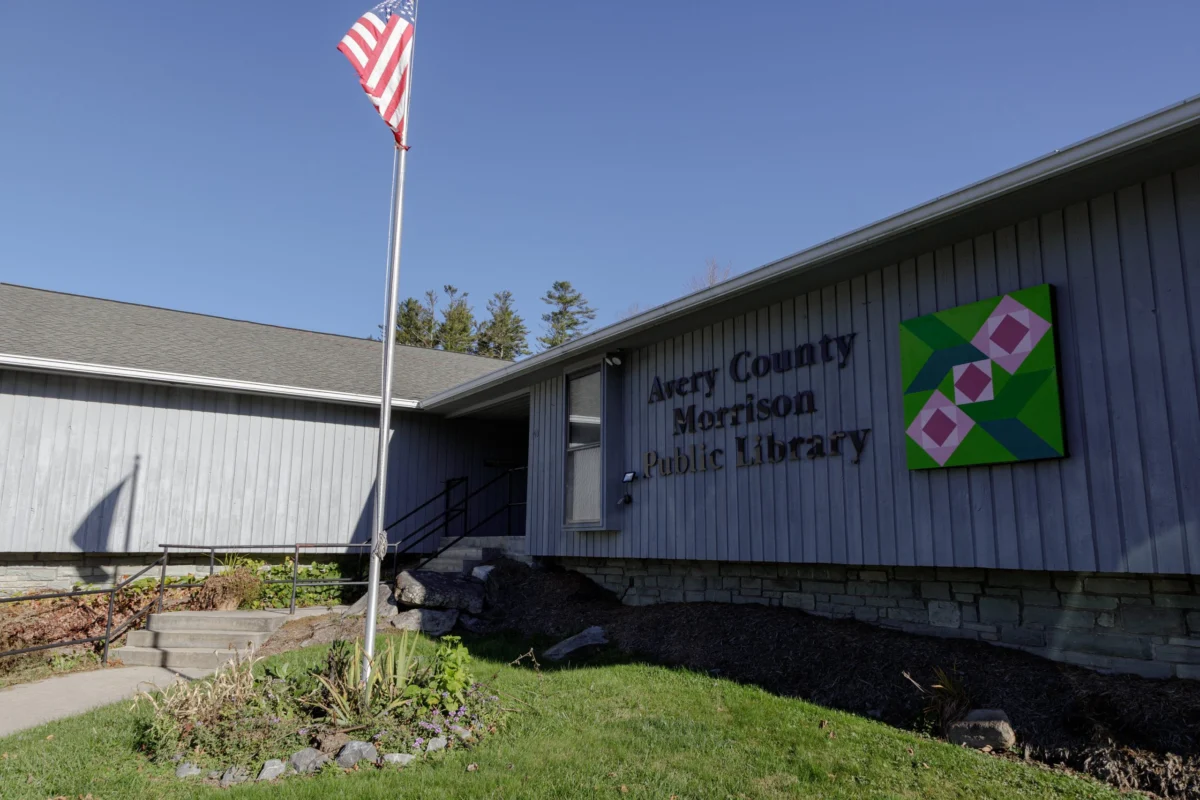
When Americans envision the backbone of their national infrastructure, their minds almost reflexively turn toward the physical: the span of a suspension bridge, the hum of a power grid, or the invisible web of broadband fiber connecting their devices to the world. Yet, tucked away in the heart of nearly every community—from the bustling urban centers of the East Coast to the isolated, single-room outposts in Idaho—sits a form of infrastructure far more human and far more resilient: the public library.
With over 17,000 locations nationwide, there are more public libraries in the United States than there are hospitals or McDonald’s restaurants. These spaces serve as the "third place"—a vital, non-commercial environment that functions as the bedrock of our democratic society. However, despite their ubiquity, a disconnect remains. While libraries offer a staggering array of resources that rival private enrichment centers, they are increasingly struggling with a "discoverability gap." As the nation faces a crisis of trust in shared institutions, the public library stands as one of the few remaining pillars of civic unity, provided we can bridge the divide between what they offer and how families find them.
The Rebound: A Surge in Civic Participation
The narrative that "no one reads anymore" is a persistent myth that obscures a much more dynamic reality. While the pandemic temporarily shuttered physical doors, the post-pandemic era has seen a remarkable resurgence in library engagement. In 2023 alone, American adults and children made more than 800 million visits to public libraries. This translates to an average of 2.2 million visits per day—nearly double the volume of 2021.
This rebound is not accidental. It is a direct result of libraries evolving from quiet repositories of books into vibrant community hubs. In a landscape where federal and state budget cuts are systematically stripping away other essential community resources, the library has become a "catch-all" for public needs. Whether it is the Donnelly, Idaho, library providing critical after-school care for rural families or the D.C. Public Library System hosting thousands of summer events, these institutions are filling the vacuum left by a retreating social safety net.
A Chronology of Evolution: From Archives to Hubs
The evolution of the American public library has been marked by a shift from passive access to active engagement.
- The Carnegie Era (Late 19th/Early 20th Century): Philanthropist Andrew Carnegie famously funded the construction of nearly 1,700 libraries. His vision was rooted in the belief that "broad access to knowledge was the backbone of a democratic society." For decades, this model held firm, focusing on literacy and collection curation.
- The Digital Transformation (2000s–2010s): Libraries pivoted to address the "digital divide," providing the public with free access to broadband internet, computer labs, and early digital literacy training.
- The Modern "Community Center" Model (2020–Present): In the wake of the pandemic, libraries have transitioned into multi-service agencies. They now offer everything from English language classes and workforce training to college and career counseling, passport services, and notary support.
This transformation has turned the library into a "cradle-to-career" pipeline. A single room on a Tuesday afternoon might host a "STEAM Team" session—where elementary students experiment with chemistry through "fairy slime," middle schoolers test engineering principles with popsicle stick catapults, and high schoolers develop media literacy through podcasting. Yet, by Saturday morning, that same room transforms into an early childhood literacy center, hosting sing-alongs that pediatricians cite as essential for cognitive development and school readiness.
Supporting Data: The Value of Free
The economic impact of this programming is difficult to overstate. Private enrichment centers charge hundreds of dollars for the very services that public libraries provide at zero cost to the taxpayer.
The data indicates that when families engage with these services, the outcomes are measurable:
- Early Childhood: Programs focusing on sing-alongs and reading circles are direct predictors of school readiness.
- Workforce Development: Libraries serve as vital hubs for resume workshops and digital job searches in communities where private career counseling is inaccessible.
- Broadband Access: For millions of Americans, the library is the only reliable point of entry into the digital economy.
Despite this value, the "visibility problem" persists. Research from organizations like Child Trends shows that parents primarily search for educational resources via Google, school websites, and word-of-mouth. While a parent might be frantically searching for "free STEM camp near me" or "college essay help," they are often met with private, for-profit results. Meanwhile, the local library’s event information is frequently trapped on a physical flyer in a lobby window, invisible to the digital-first parent.

Official Perspectives: The Call for Modernization
Jon Deane, CEO of the nonprofit GreatSchools, argues that the current disconnect is a failure of marketing, not a failure of service. "If we want to ensure families can access all the resources and programming libraries offer, we need a better way to broadcast libraries’ services," Deane explains.
The current strategy of many libraries—relying on local bulletin boards—is an artifact of a pre-internet era. As Deane notes, "What’s missing is the modern infrastructure that turns a library’s offerings into something a working parent can actually find on their phone at 9 p.m."
Philanthropic leaders and policy experts are now calling for a new wave of investment. While public funding is essential for the "bricks and mortar"—the buildings, the staff, and the physical collections—philanthropy is being asked to fund the "digital connective tissue." This includes:
- Shared Technology: Building platforms that allow small, rural, and underfunded libraries to manage and broadcast their event data without needing a dedicated IT department.
- Platform Integration: Partnering with school districts and educational websites to ensure library events appear in the same search results as school-sanctioned after-school activities.
- Staffing for Outreach: Shifting some library roles toward community engagement and digital outreach to ensure that programs reach the families who need them most.
Implications: The Democratic Imperative
The implications of failing to modernize our library communications are severe. As Americans experience a decline in faith in shared, national institutions, libraries remain one of the few spaces where trust persists. They are, by definition, democratic spaces where the barriers to entry are non-existent.
However, letting these institutions drift into relative invisibility is a policy choice. When we allow libraries to be the "best-kept secret" in a town, we deny lower-income and marginalized families access to resources that could fundamentally alter their educational and economic trajectories.
The path forward requires a shift in how we view the "library budget." It is no longer just about the cost of books; it is about the cost of social connectivity. By treating libraries as critical infrastructure, we can ensure that the "cradle-to-career" resources they offer are not merely available, but discoverable.
As we look toward the future, the challenge for philanthropy and local governments is clear: we must stop reinventing the wheel and start connecting the dots. The buildings are already standing, the staff is already innovating, and the programming is already world-class. The final piece of the puzzle is ensuring that when a parent goes online to search for a lifeline, they find the library—not just as a place to borrow a book, but as a place to build a future.
The survival of our shared civic life may very well depend on it.
