

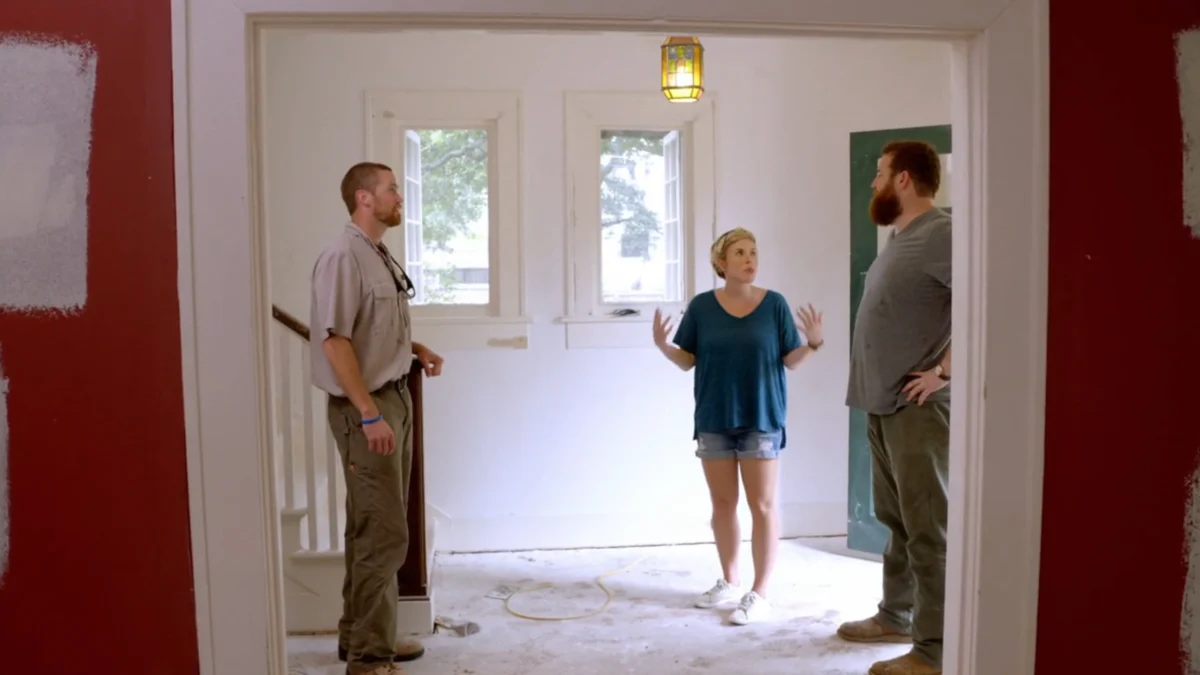
In the world of interior design, few elements are as transformative—or as challenging—as the window treatment. It is the architectural boundary between the sanctuary of the home and the outside world. While many homeowners default to a single choice, such as simple blinds or basic drapery, HGTV’s design maven Erin Napier has championed a more sophisticated approach: the layered window treatment. As showcased in Home Town, this technique not only solves the perennial struggle of balancing natural light with privacy but also injects a layer of depth, texture, and personal style into any bedroom.
The Core Philosophy: Why Layering Works
At the heart of the "Napier method" is the understanding that a room requires different moods at different times of the day. In Season 2, Episode 5 of Home Town, the Napiers undertook a renovation for a dear friend, specifically focusing on the primary and secondary bedrooms. Rather than selecting one-size-fits-all hardware, Erin opted for a dual-layered approach: rigid, structured blinds paired with soft, flowing curtains.
This juxtaposition is not merely aesthetic; it is highly functional. Blinds provide the "hard" control—the ability to tilt slats or raise shades to block direct sun or prying eyes. Curtains, conversely, provide the "soft" control—the ability to diffuse light, add color, and create a sense of movement. By combining these, a homeowner achieves maximum utility. In a master suite, this might mean having opaque blinds for total blackout during sleep, layered behind sheer curtains that soften the afternoon light. In a nursery, this combination is arguably even more essential, providing the dark environment needed for naptime while allowing for a playful, decorative curtain fabric that contributes to the room’s whimsical charm.
Chronology of the Design Evolution
The Napiers’ approach to window treatments has evolved alongside their broader design philosophy, which emphasizes historical preservation mixed with modern functionality.
- Early Renovations: In the infancy of Home Town, the focus was often on stripping away decades of neglect. Window treatments were frequently kept minimal to highlight the restored architectural bones of Laurel, Mississippi homes.
- The Transition to Layering: As the show matured, the Napiers began to focus more heavily on "the layer." They recognized that a room feels incomplete without the vertical height provided by drapery.
- Current Practice: Today, the standard practice in a Napier-designed bedroom involves the installation of a high-mounted curtain rod, typically placed several inches above the window frame, combined with a cordless blind or shade mounted inside the frame. This creates a cohesive "framed" look that elevates the window’s visual presence.
Supporting Data and Design Considerations
Choosing the right window treatment requires a calculated assessment of the room’s specific needs. Designers often categorize these needs into three buckets: light control, privacy, and thermal regulation.
1. The Light Control Matrix
The amount of natural light in a bedroom is the primary driver of the treatment type. For those who struggle with sleep, a blackout-lined curtain or a cellular shade is non-negotiable. However, if the room serves as a home office during the day, light-filtering fabrics are preferable. Erin Napier’s preference for mixing patterns—such as florals or plaids—allows the curtains to act as a statement piece, while the neutral, functional blinds recede into the background.
2. The "High and Wide" Rule
A professional secret often utilized by the Napiers is the placement of the curtain rod. Hanging a rod flush with the top of the window frame can make a room feel smaller and lower. By installing the rod higher—closer to the ceiling—the eye is drawn upward, creating the illusion of taller ceilings and larger windows. This also allows the curtains to hang to the floor without obstructing the window opening, ensuring that when the curtains are pulled back, the maximum amount of light can enter.
3. Texture as a Design Element
Texture is the silent partner of color. In many Home Town episodes, we see the use of linen, cotton, and even heavier synthetic blends. When paired with a natural material like bamboo or a crisp, white PVC blind, the texture of the fabric becomes the focal point. This contrast between the rigid, horizontal lines of the blinds and the vertical, flowing lines of the drapes creates a balanced aesthetic that feels curated rather than catalog-ordered.
Safety First: The Move Toward Cordless Technology
One of the most significant implications of modern window treatment design is the shift toward child and pet safety. Traditional blinds often featured looped cords that posed significant strangulation risks. In the design industry, there has been a massive regulatory and manufacturing shift toward cordless systems.
The Napiers frequently incorporate cordless Roman shades or cellular shades in their projects. These systems function via a tension-based mechanism, where the user simply pushes up or pulls down on the bottom rail. This not only eliminates dangerous hanging cords but also creates a cleaner, more minimalist look that is perfectly suited for a modern, clutter-free bedroom.
Consumers looking to replicate these designs should prioritize:
- Cordless Roman Shades: These provide an earthy, textured look—often in bamboo or woven grass—that adds warmth to a room.
- Cellular "Honeycomb" Shades: These are excellent for thermal insulation, keeping a bedroom cooler in the summer and warmer in the winter, while providing a clean, white aesthetic that pairs well with almost any curtain fabric.
Implications for Homeowners and Market Trends
The "Napier effect" has had a measurable impact on residential design trends. Homeowners are increasingly moving away from the "curtain-only" or "blind-only" approach, viewing windows as an opportunity for multi-layered design.
The Economic Shift
While layering requires a higher initial investment—purchasing both hardware and two sets of window coverings—it is increasingly seen as a value-add. Real estate professionals note that well-dressed windows contribute to the "finished" look of a home, which can significantly influence buyer perception. Furthermore, energy-efficient layering (using thermal shades under drapes) can reduce utility bills, providing a return on investment over the life of the home.
Professional Guidance
When asked about the importance of these choices, designers often emphasize that window treatments are the "jewelry" of the room. Just as a necklace can define an outfit, the correct pairing of blinds and curtains defines the bedroom’s character.
For those intimidated by the process, the advice from professionals is to start with the "hard" layer. Choose your blind based on the privacy and light needs of the room. Once the functional foundation is set, select a curtain fabric that adds the desired personality—whether that is a bold, modern geometric print or a soft, traditional floral. Ensure the hardware is high-quality, as the weight of lined curtains can cause cheap rods to sag over time.
Conclusion: The Harmony of Form and Function
Erin Napier’s approach to bedroom windows is a masterclass in balance. By respecting the functional necessity of privacy and light control, while indulging in the artistic potential of textiles, she demonstrates that no element of a home should be purely utilitarian. Whether you are aiming for a cozy, rustic retreat or a bright, airy sanctuary, the combination of blinds and curtains offers a versatile, stylish, and safe solution.
As we continue to spend more time in our homes, the bedroom remains the most vital space for rest and rejuvenation. By investing in thoughtful, layered window treatments, homeowners can ensure their private spaces are as comfortable as they are beautiful. The next time you find yourself staring at a bare window, remember the Napier strategy: don’t just hang a blind; frame the view, add the layer, and let your bedroom design breathe.
