

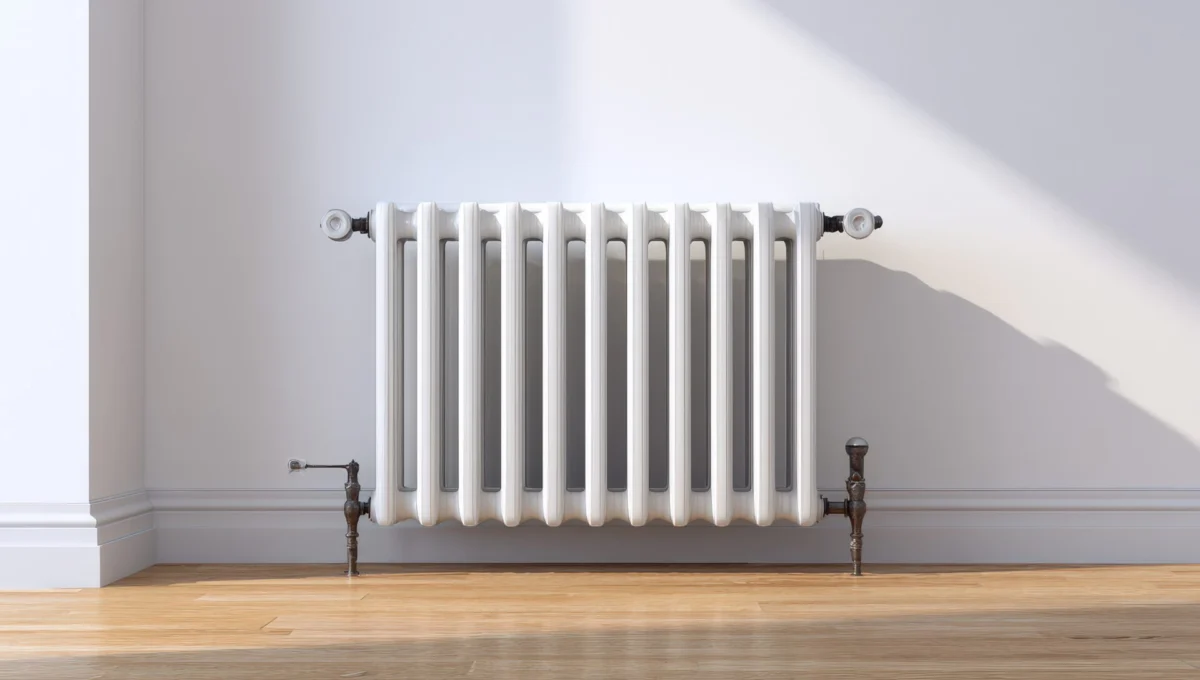
For many homeowners, the challenge of maintaining a comfortable indoor climate during the winter months often comes down to a choice between complex, expensive forced-air systems and simpler, localized heating solutions. Among the most enduring of these solutions is the baseboard radiator. Prized for its low profile, zone-controlled heating, and relative affordability, baseboard heating remains a staple in both older heritage homes and modern, energy-conscious builds.
However, as with any home infrastructure investment, understanding the financial and practical implications is essential. From the nuances of electric versus hydronic models to the critical importance of professional installation, this guide explores everything you need to know about integrating baseboard radiators into your home.
Key Takeaways: What You Need to Know
- Cost Range: Professional installation of baseboard radiators typically ranges from $200 to $1,200 per unit, depending on system type and site conditions.
- Heating Types: Homeowners generally choose between electric (cheaper upfront) and hydronic (more energy-efficient long-term) systems.
- Zoning Advantages: These systems allow for granular control over room temperatures, preventing the waste associated with heating empty rooms.
- Professional Necessity: Due to complex electrical circuits and boiler integration requirements, DIY installation is generally discouraged to ensure safety and code compliance.
Chronology of Heating: Why Baseboard Radiators Endure
The history of residential heating is marked by a transition from central hearths to distributed systems. Baseboard radiators emerged as a "goldilocks" solution in the mid-20th century, offering a way to heat rooms evenly without the need for bulky ductwork.
Unlike forced-air systems, which rely on fans to push heated air through registers—often resulting in uneven temperature gradients and the circulation of allergens—baseboard radiators utilize natural convection. They draw cool air from the floor, warm it via an internal element, and allow it to rise, creating a steady, silent flow of heat. While other systems have risen in popularity, the baseboard radiator’s ability to provide "invisible" comfort has kept it a top choice for contractors and homeowners alike.
Supporting Data: The Financial Breakdown
When evaluating the cost of installing baseboard radiators, it is vital to distinguish between the cost of the hardware and the total project investment. According to industry data sourced from HomeGuide, the average cost per unit sits comfortably in the $200 to $1,200 range when professional labor is included.

Comparison Table: Electric vs. Hydronic Costs
| Heating Type | Cost per Unit (Material Only) | Cost Including Professional Installation |
|---|---|---|
| Electric | $50 – $130 | $200 – $1,100 |
| Hydronic | $180 – $320 | $430 – $1,200 |
Factors Influencing the Bottom Line
The price tag is heavily influenced by three primary variables:
- System Complexity: Electric units are simpler to install, requiring only a connection to the home’s electrical panel. Hydronic units, however, require plumbing, boiler integration, and venting, which significantly increases labor hours.
- Room Size and BTU Load: A 200-square-foot room with poor insulation will require more linear feet of heating elements than a well-insulated, smaller space. As the length of the radiator increases, so does the cost of the unit and the installation labor.
- Local Labor Rates: HVAC technicians typically charge between $75 and $150 per hour. In markets with a high cost of living, these rates can escalate, particularly if the job requires specialized electrical work or retrofitting older piping.
Expert Perspectives: The "Body of the Home"
To gain a clearer understanding of the installation process, we spoke with Mitch Rosa, owner of Hudson Valley HVAC in Orange County, New York. Rosa emphasizes that heating is not a "one-size-fits-all" endeavor.
"People tend to ignore them, but baseboard radiators are one of the most effective ways to heat a home," Rosa notes. "However, they use up a lot of space, and homeowners don’t always like to lose that."
Beyond the aesthetic trade-off, Rosa warns against the common pitfall of under-sizing a system. "Every home is like a body, in my opinion," he says. "It needs to breathe. If you run undersized heating solutions, it’s like running with cotton in your nose. You’re going to be working harder, and you’re going to cause a heart attack."
Rosa’s advice underscores the necessity of professional consultation. A licensed HVAC contractor performs a "load calculation," measuring square footage, insulation quality, and local climate data to ensure the system is sized correctly. An undersized system leads to excessive energy consumption and mechanical failure, while an oversized system leads to rapid cycling, which can reduce the lifespan of the hardware.

Implications of Choice: Efficiency and Long-Term Value
Choosing the right radiator type is an exercise in balancing immediate savings with long-term operational costs.
The Case for Hydronic Systems
Hydronic systems (hot water or oil) are the gold standard for energy efficiency. Because liquid retains heat far longer than electric coils, a hydronic radiator does not need to cycle as frequently. For homeowners looking to heat their entire property, the higher initial investment for a boiler and piping is usually offset by significantly lower monthly utility bills over the system’s 20-year lifespan.
The Case for Electric Systems
Electric baseboard heaters are the quintessential "quick fix." They are ideal for individual rooms that may not be connected to the main heating loop, such as a basement addition or a renovated attic. While they are cheaper to install, the cost of electricity per unit of heat is generally higher than natural gas or heating oil. Consequently, electric units are best suited for supplemental heat rather than whole-home primary heating in cold climates.
Practical Maintenance and Best Practices
To ensure your system remains efficient, maintenance is key. As noted by industry experts:
- Clearance is Critical: Keep furniture, drapes, and rugs at least 3 inches away from the radiator. Obstructing airflow forces the system to work harder and poses a potential fire hazard.
- The "Louver" Check: Ensure the dampers (flappers) are open. If they are closed, heat cannot escape into the room.
- Annual Cleaning: Vacuum dust from the radiator fins twice a year. Dust acts as an insulator, preventing the heat from transferring efficiently into the air.
- Hydronic Bleeding: Once a year, hydronic systems should be "bled" to release trapped air. Air pockets prevent hot water from circulating, which results in cold spots in the unit.
Why Professional Installation is Non-Negotiable
While the allure of a DIY project is strong, the technical requirements of baseboard installation make it a poor candidate for amateur labor.

1. Electrical Safety: Electric radiators draw significant power. Improper wiring can lead to tripped breakers, damaged panels, or, in the worst-case scenario, electrical fires.
2. Plumbing and Pressure: Hydronic systems operate under pressure. A failure in a pipe connection or a poorly sealed valve can lead to water damage, which is often far more expensive to repair than the initial cost of professional installation.
3. Code Compliance: Heating systems are subject to strict building codes. A system that is not installed to code may be deemed "non-compliant" by home inspectors if you decide to sell your home, and it could void your homeowner’s insurance policy in the event of a failure.
Final Thoughts: Planning Your Installation
When you are ready to move forward with a baseboard heating project, the most effective strategy is to gather at least three quotes from licensed contractors. Ask for a breakdown of materials versus labor, and inquire about potential discounts for installing multiple units simultaneously.
By carefully selecting the right system for your climate and ensuring it is sized correctly for your home’s specific layout, you can enjoy a quiet, reliable, and energy-efficient heating solution that will serve your household for decades to come. As Rosa suggests, treat your home’s heating system with the same care you would your own body; keep it well-maintained, ensure it has room to breathe, and prioritize quality installation over the lowest possible price.
