

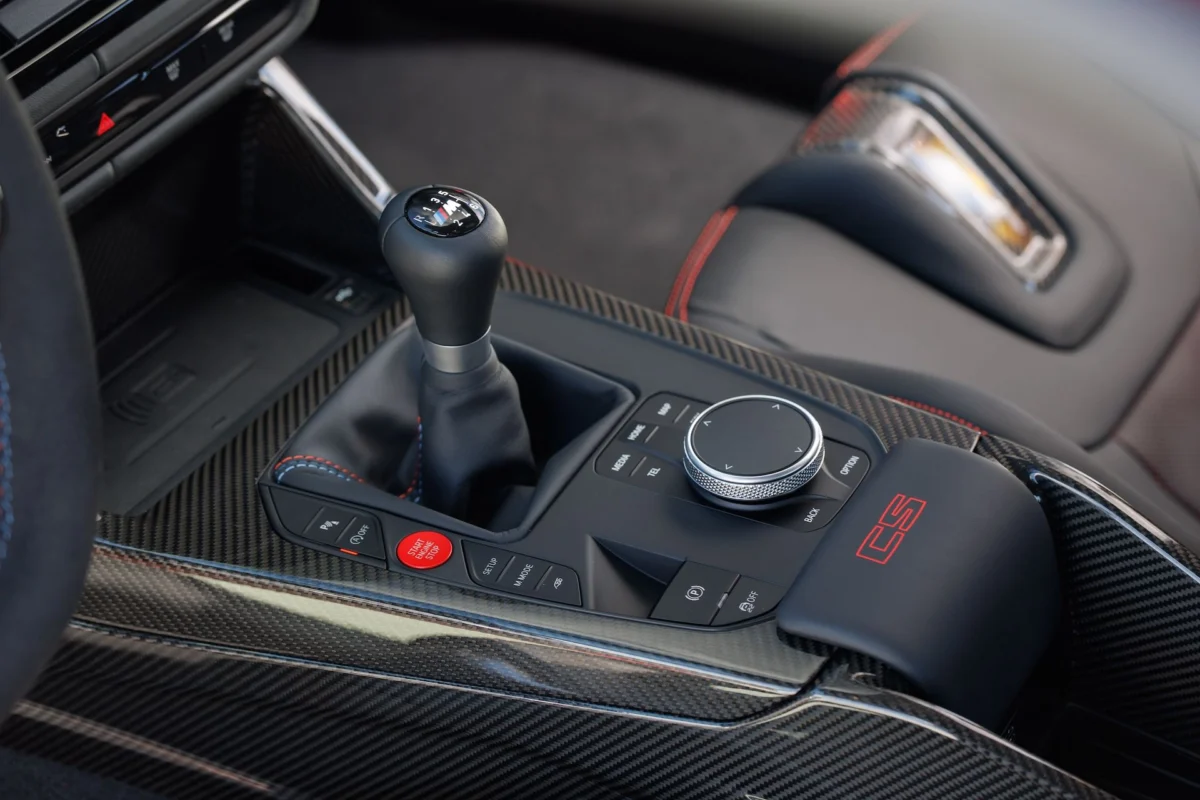
In the increasingly digitized landscape of modern high-performance motoring, the manual transmission has become an endangered species. As manufacturers pivot toward lightning-fast dual-clutch systems and seamless automatics, the tactile engagement of a gated shifter feels like a relic of a bygone era. However, BMW’s M Division has decided to celebrate this heritage with the arrival of the 2027 BMW M3 CS "Handschalter." This isn’t just a car; it is a meticulously engineered love letter to the purist driver, blending track-ready aggression with the raw, mechanical connection that only a third pedal can provide.
Main Facts: A Masterclass in Weight Reduction
The "Handschalter"—a German term translating literally to "manual switch"—is far more than a standard M3 with a different gearbox. It represents a comprehensive weight-saving initiative, which BMW engineers have dubbed a "diet of Slim Fast."
To sharpen the M3’s already potent chassis, the M Division implemented a rigorous weight-shedding program. By integrating a titanium rear silencer and making extensive use of carbon-fibre-reinforced plastic (CFRP) throughout the vehicle’s architecture, BMW has managed to shave 19 kilograms (42 lbs) off the base M3’s curb weight.
For the dedicated track enthusiast, the optional carbon-ceramic braking system offers a further reduction of 14 kilograms (31 lbs) in unsprung mass. While the massive underhood strut bar—a signature aesthetic and functional component of the CS model—adds a marginal amount of weight back into the equation, its contribution to chassis rigidity is profound. It ensures that the steering remains razor-sharp, providing the driver with the kind of feedback that is often lost in heavier, more complex electronic power-steering setups.

Chronology: From Concept to Canadian Driveways
The road to the 2027 M3 CS Handschalter began with the internal recognition that a specific segment of the enthusiast market was being left behind by the march of automation. BMW, having flirted with the term "Handschalter" in previous iterations—notably on the Z4—decided to formalize the designation for this special edition of the M3.
- Initial Concept Phase: Engineering teams focused on integrating the six-speed manual gearbox with the high-revving S58 engine, ensuring the transmission could handle the torque output while maintaining the crisp, short-throw shifts expected of an M-badged vehicle.
- Production Timeline: Assembly for this limited-run series is scheduled to commence in July. The production window is tight, reflecting the exclusive nature of the vehicle.
- Market Allocation: BMW has confirmed that only 40 units will be allocated to the Canadian market, making it an instant collector’s item.
- Delivery: Canadian customers can expect their vehicles to arrive at dealerships by this autumn, capping off a year of anticipation for what is likely the final high-performance manual M3 of this generation.
Supporting Data: The Technical Edge
Beneath the hood of the 2027 M3 CS lies a powerplant that thrives on driver involvement. The manual transmission is paired with an interior suite that bridges the gap between grand touring and track-day capability.

Track-Focused Interior Tech
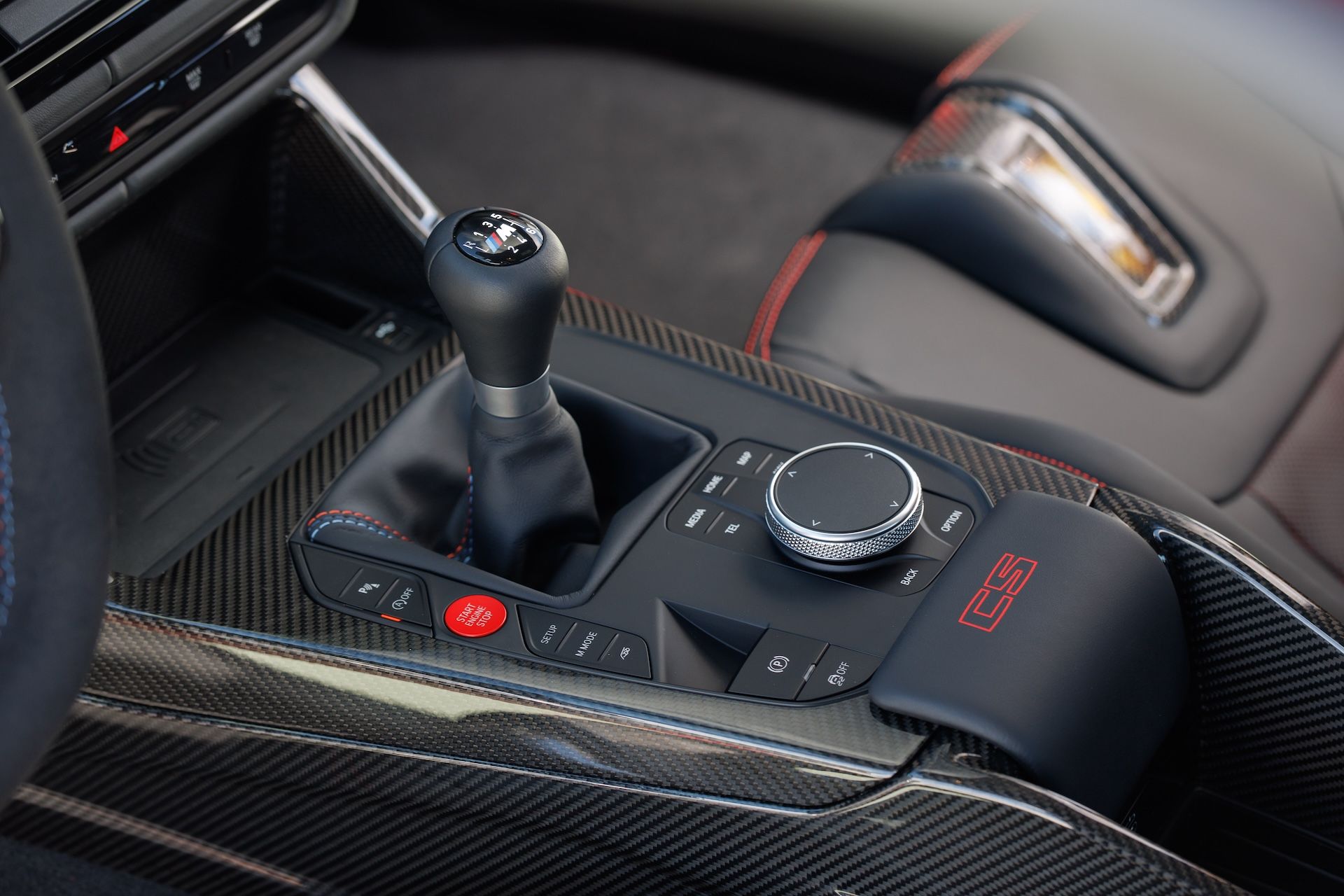
Inside the cabin, the M3 CS is equipped with an array of performance-oriented digital tools. A built-in drift analyzer and lap-timer functions are standard, allowing drivers to quantify their progress on the circuit. However, the centerpiece remains the six-speed manual gear selector. Positioned perfectly within the center console, it offers an ergonomic reach that feels intuitive during spirited driving.
The Seating Experience
One cannot discuss the M3 CS without mentioning the M Carbon bucket seats. These are not merely for show; they are designed to provide maximum lateral support during high-G cornering. Potential buyers are strongly encouraged to undertake an extended test of these seats before finalizing their purchase, as their aggressive bolstering and carbon construction are optimized for the track rather than long-distance commuting.

Pricing and Availability
The 2027 BMW M3 CS Handschalter carries a base MSRP of $132,500. Given the limited production run of 40 units for Canada, competition for these allocations is expected to be fierce, with many units likely spoken for well before they touch Canadian soil.
Official Responses and Strategic Implications
The decision to limit the "Handschalter" production to such a small number is a strategic move by BMW. By creating an exclusive, high-cost manual variant, BMW is signaling to its loyalists that it still values the manual transmission, even if the business case for a mass-market manual is no longer sustainable.

Industry analysts suggest that the M3 CS serves as a "halo" product. It reinforces the brand’s identity as a purveyor of "The Ultimate Driving Machine." By keeping the manual transmission alive in the M3, BMW avoids the backlash that other luxury performance brands have faced when abandoning the three-pedal setup entirely.
Furthermore, the focus on weight reduction suggests that BMW is preparing for a future where performance is defined not just by horsepower, but by efficiency and handling dynamics. The 19-kilogram reduction achieved through titanium and carbon fiber is a testament to the fact that, in the world of high-performance engineering, every gram counts.

The Broader Impact on Car Culture
The launch of the Handschalter is more than just a product release; it is a cultural statement. In an era where autonomous driving features and heavy battery-electric platforms are becoming the norm, the M3 CS offers a refreshing, albeit expensive, return to basics.
For the enthusiast, the "Handschalter" is a vehicle that requires active participation. It demands that the driver understand the engine’s power band, master the art of the clutch, and respect the car’s limits. It is a machine that rewards practice and punishes laziness, which is precisely why it remains so alluring to the automotive community.

As we look toward the future, it is unclear how long the manual transmission can survive in the high-performance segment. Stricter emissions regulations and the rise of electric performance cars—which rarely utilize traditional transmissions—suggest that the window for internal combustion, manual-transmission vehicles is closing. The 2027 BMW M3 CS stands as a monument to this era, a final, defiant roar from a legendary engine and a gear-shifter that has defined a century of driving joy.
Conclusion
The 2027 BMW M3 CS "Handschalter" is an exercise in excellence. It is a rare combination of raw mechanical feedback, track-day agility, and the prestige of the M badge. With only 40 units destined for Canada, it is destined for garages of collectors and purists who understand that driving is not just about getting from point A to point B—it is about the connection between the machine and the road.

For those lucky enough to secure one of the 40 units, the experience will be unmatched. For the rest of the automotive world, the M3 CS serves as a reminder of what made the sport sedan segment so compelling in the first place: the simple, mechanical joy of shifting gears yourself. As the industry races toward an automated future, BMW has given us one last chance to stay in control, to shift for ourselves, and to remember why we fell in love with driving in the first place.
To stay up to date on the latest automotive news, reviews, and vehicle shopping advice, sign up for our newsletter. Follow us on X, TikTok, and LinkedIn for deeper insights into the world of car culture and the evolving landscape of the global automotive industry.
