

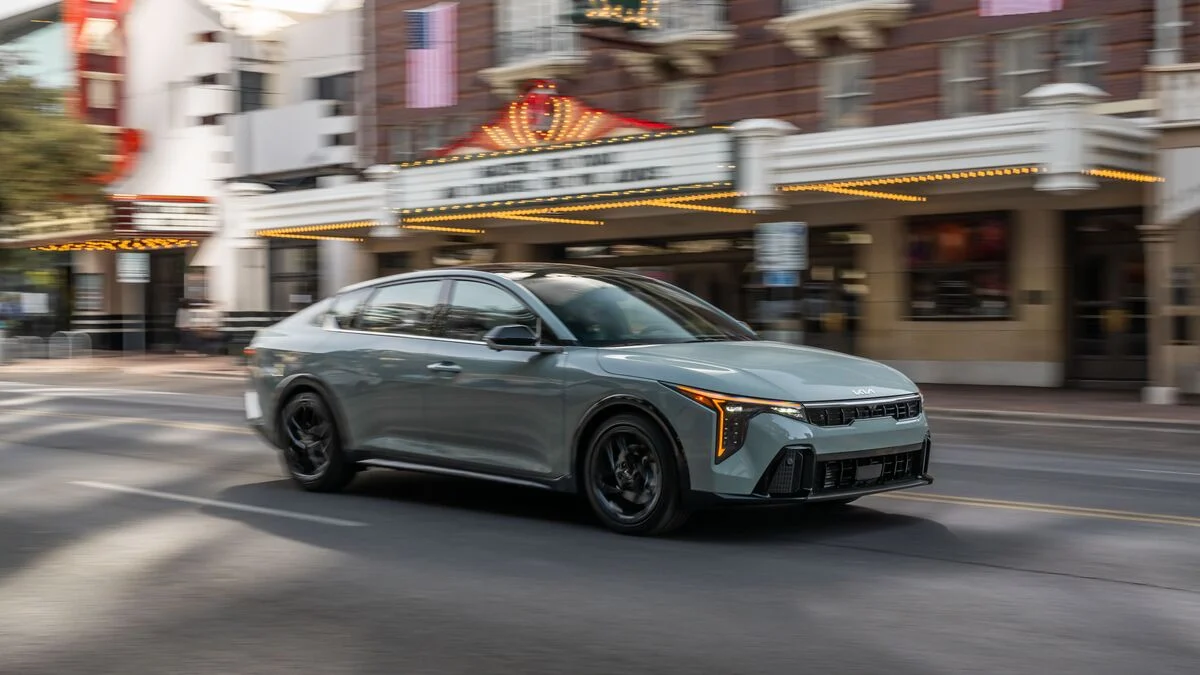
While the American automotive landscape has been undeniably transformed by the dominance of SUVs and crossovers, the compact sedan remains a vital pillar of the market. For the pragmatic driver, the student, or the urban commuter, these vehicles offer an unparalleled blend of fuel efficiency, affordability, and maneuverability. Two of the most compelling contenders in this segment for the 2026 model year are the all-new Nissan Sentra and the Kia K4, a bold successor to the long-standing Forte.
Main Facts: The Battle for the Compact Crown
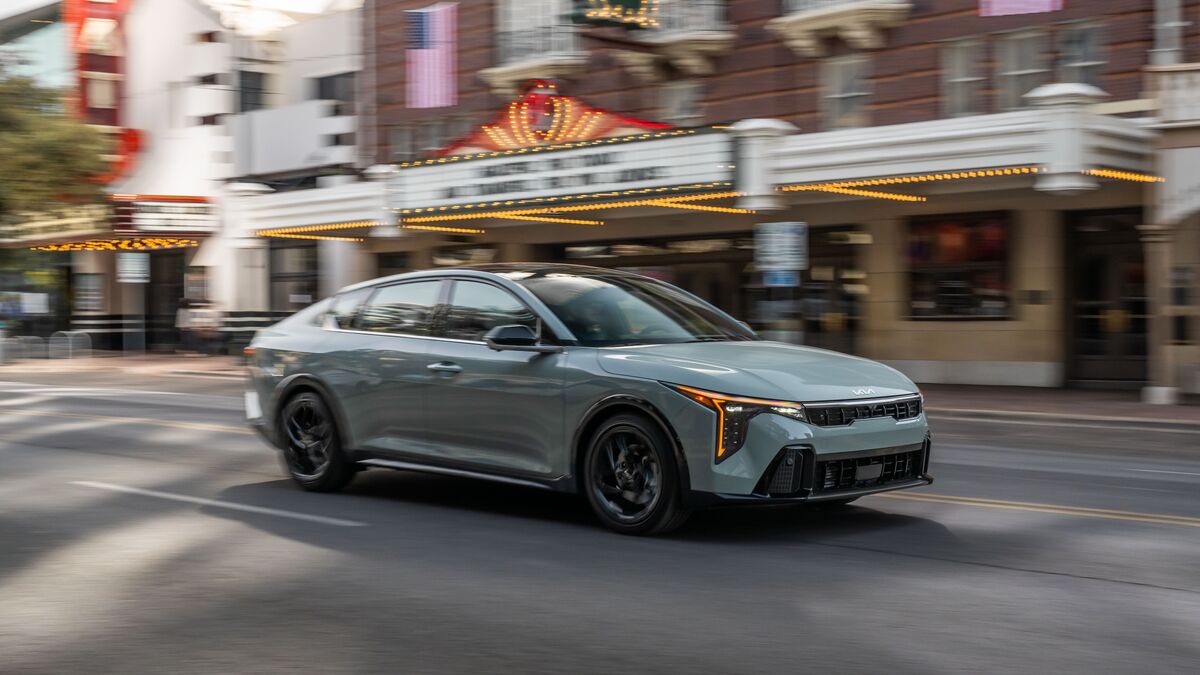
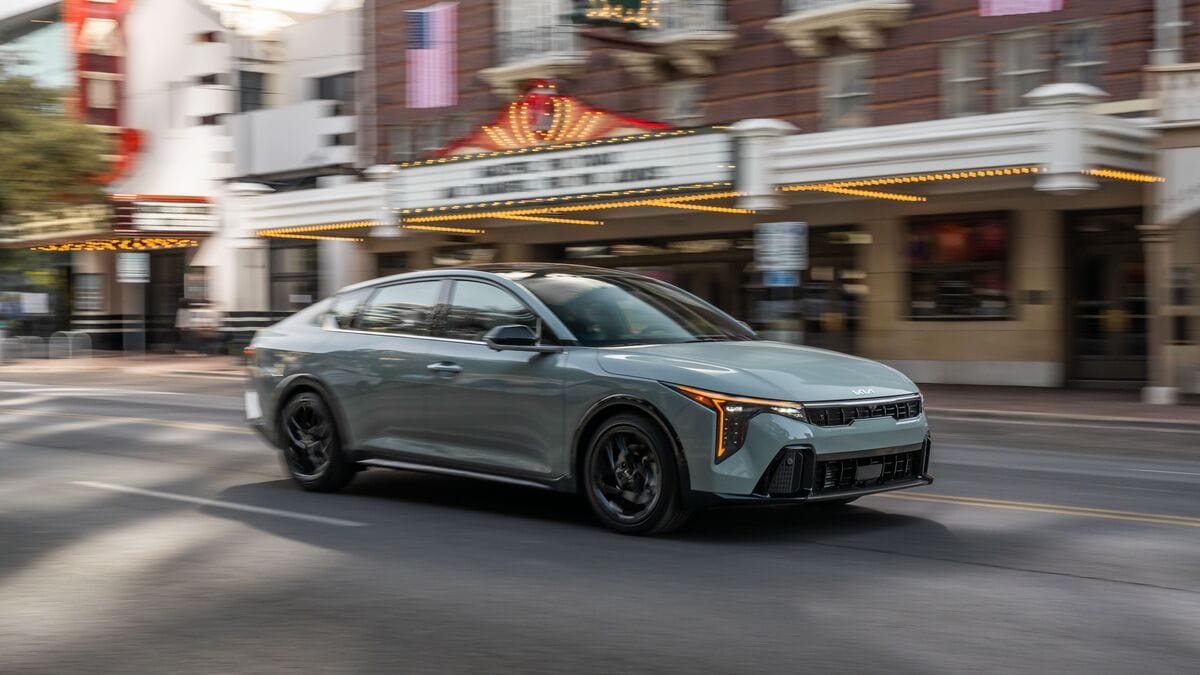
The 2026 model year represents a pivotal moment for both manufacturers. Nissan has completely overhauled the Sentra, aiming to modernize its long-time staple with fresh styling and advanced cabin technology. Meanwhile, the Kia K4 continues its momentum, having successfully replaced the Forte with a design language that leans heavily into a "fastback" aesthetic, prioritizing high-tech interior features and a more aggressive road presence.
Both vehicles seat five occupants comfortably and occupy a similar footprint, but their philosophies differ. The Kia K4 emphasizes a sporty, future-forward vibe with two distinct engine choices, including a performance-oriented turbo. The Nissan Sentra, conversely, doubles down on the classic "three-box" sedan silhouette, focusing on refinement, creature comforts like its "Monolith" display, and user-friendly parking technology.
A Chronological Evolution of the Segment
The compact sedan segment has traveled a long road. A decade ago, this market was defined by austerity—cars were viewed strictly as appliances. Kia, in particular, spent the last ten years shifting that narrative by packing value, premium materials, and class-leading warranties into their small cars. The transition from the Forte to the K4 marks the culmination of this strategy, moving from a budget-focused vehicle to a style-conscious one.
Nissan’s journey with the Sentra has been one of consistent iteration. As one of the most recognizable nameplates in the industry, the Sentra has weathered shifting consumer tastes by steadily improving its powertrain efficiency and safety suite. The 2026 overhaul is perhaps the most significant in recent years, signaling Nissan’s commitment to keeping the traditional sedan relevant against the rising tide of crossovers.
Supporting Data and Technical Specifications
When dissecting these two vehicles, the numbers tell a story of two different approaches to the same problem.
Performance and Powertrain
The Kia K4 offers a more diverse mechanical menu. Its base 2.0-liter 4-cylinder engine produces 147 horsepower, but the standout feature is the available 190-horsepower turbocharged 1.6-liter engine—a rarity in a class that is increasingly stripping away performance options. The K4 pairs its base engine with a continuously variable transmission (CVT), while the turbo variant utilizes a more responsive 8-speed automatic.
The 2026 Nissan Sentra remains focused on consistency. It utilizes a 2.0-liter 4-cylinder engine producing 149 horsepower. Unlike the K4, there is no performance upgrade or turbocharger available. All Sentra models utilize a CVT, which has been tuned for smoothness and fuel economy rather than aggressive acceleration.
Cabin Comfort and Dimensions
Kia takes a clear lead in interior space, specifically regarding the rear occupants. With 38 inches of rear legroom, the K4 is significantly more hospitable for adults in the back seat compared to the Sentra’s 34.8 inches. Additionally, the K4 offers 14.6 cubic feet of cargo space, edging out the Sentra’s 14.3 cubic feet. However, the Sentra counters with a more ergonomic front-seat experience and an impressive 44 inches of front legroom, which may appeal to taller drivers.
Efficiency
In terms of fuel economy, it is a dead heat. Both vehicles achieve an EPA-estimated 33 mpg combined. For the average commuter, this translates to roughly $1,800 in annual fuel costs. Neither vehicle offers a hybrid or all-wheel-drive (AWD) variant, signaling that both manufacturers are banking on the inherent efficiency of their refined gasoline engines to meet the needs of the target demographic.
Official Manufacturer Perspectives and Market Positioning
Kia’s strategy for the 2026 K4 is clearly aimed at the younger buyer who wants a vehicle that looks as modern as their smartphone. By adopting a "fastback" design, Kia is attempting to bridge the gap between a standard sedan and a luxury coupe. Their decision to offer a comprehensive 10-year/100,000-mile powertrain warranty is a strategic anchor, designed to provide peace of mind that competitors simply cannot match.
Nissan’s positioning for the 2026 Sentra focuses on "accessible luxury." The inclusion of the "Monolith" display—a dual 12.3-inch screen setup—is a direct play to capture the tech-savvy crowd. By prioritizing high-end features like the 360-degree bird’s-eye camera view in their higher trims, Nissan is making the case that you don’t need to buy a premium crossover to get a premium parking and navigation experience.
Implications for the Modern Consumer
The choice between these two vehicles ultimately comes down to a matter of priorities.
Why Choose the 2026 Kia K4?
The K4 is the superior choice for the buyer who values versatility and long-term ownership security. If you frequently transport passengers in the back seat, the 38 inches of legroom is a game-changer. Furthermore, if you are the type of driver who finds standard compact cars a bit dull, the 190-hp turbo option provides a level of engagement that the Sentra simply does not offer. When you factor in the class-leading warranty, the K4 presents a compelling argument as a long-term investment.
Why Choose the 2026 Nissan Sentra?
The Sentra is the choice for the city dweller who prioritizes ease of use and interface design. The "Monolith" display is genuinely one of the best in the segment, making navigation and infotainment interactions seamless. The driving experience is tuned for comfort, and the interior layout feels more mature and refined. If your primary concerns are parking in tight urban spaces and enjoying a high-tech dashboard, the Sentra is an excellent partner.
The Verdict
The compact sedan market is not dying; it is simply maturing. Both the 2026 Kia K4 and the 2026 Nissan Sentra prove that a vehicle doesn’t need to be a bloated SUV to offer comfort, utility, and style.
The Kia K4 edges out the competition with its superior warranty and the option for a more spirited, turbocharged driving experience. It feels like a vehicle that understands the modern need for "more"—more power, more space, and more coverage. The Nissan Sentra, however, remains a bastion of reliability and technological integration, offering a sophisticated cabin that belies its affordable price point.
For the budget-conscious buyer, both vehicles represent a significant value. The "Fair Purchase Price" for both models typically sits in the $23,000 to $29,000 range, depending on trim levels. Whether you lean toward the sporty, aggressive lines of the Kia or the clean, tech-forward aesthetic of the Nissan, both vehicles offer a pathway to a reliable, efficient, and stylish new car that defies the notion that a compact sedan must be a compromise.
As we look toward the remainder of 2026, it is clear that the compact sedan isn’t just surviving—it is finding new ways to thrive.
