

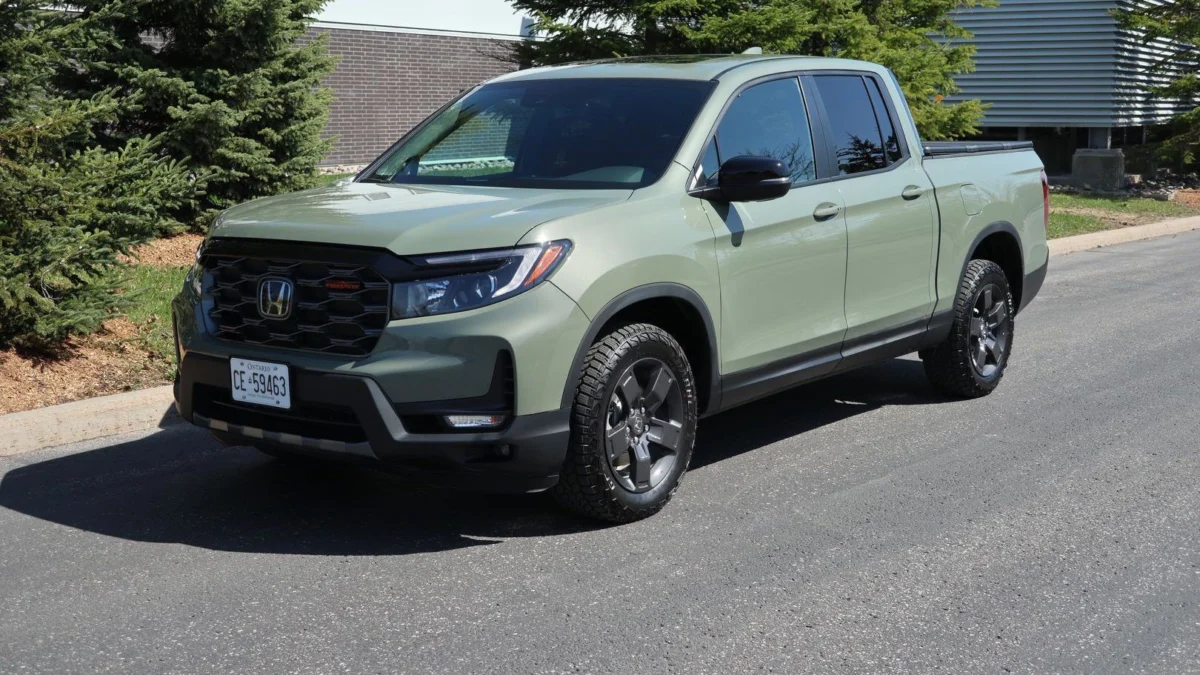
In an automotive landscape where pickup trucks have ballooned into gargantuan, pavement-shaking machines, the 2026 Honda Ridgeline TrailSport remains an anomaly. It is a vehicle that refuses to conform to the "bigger is better" ethos of the modern truck segment. Instead, Honda has doubled down on the qualities that have defined the Ridgeline since its inception: unibody construction, car-like handling, and a relentless focus on clever, daily-use practicality.
As urban centers grow denser and parking spots shrink, the Ridgeline emerges not as a workhorse for the construction site, but as a Swiss Army knife for the modern suburbanite. While it may lack the raw, frame-on-rail towing capacity of its competitors, it offers a refined experience that makes it a unique proposition in the midsize truck market.
Main Facts: The Evolution of the Ridgeline
The 2026 iteration of the Ridgeline, particularly in the rugged TrailSport trim, represents the maturity of a design philosophy that dates back to 2017. While purists often decry the Ridgeline for its "crossover-with-a-bed" DNA, those who own them cite that exact architecture as their primary reason for purchase.
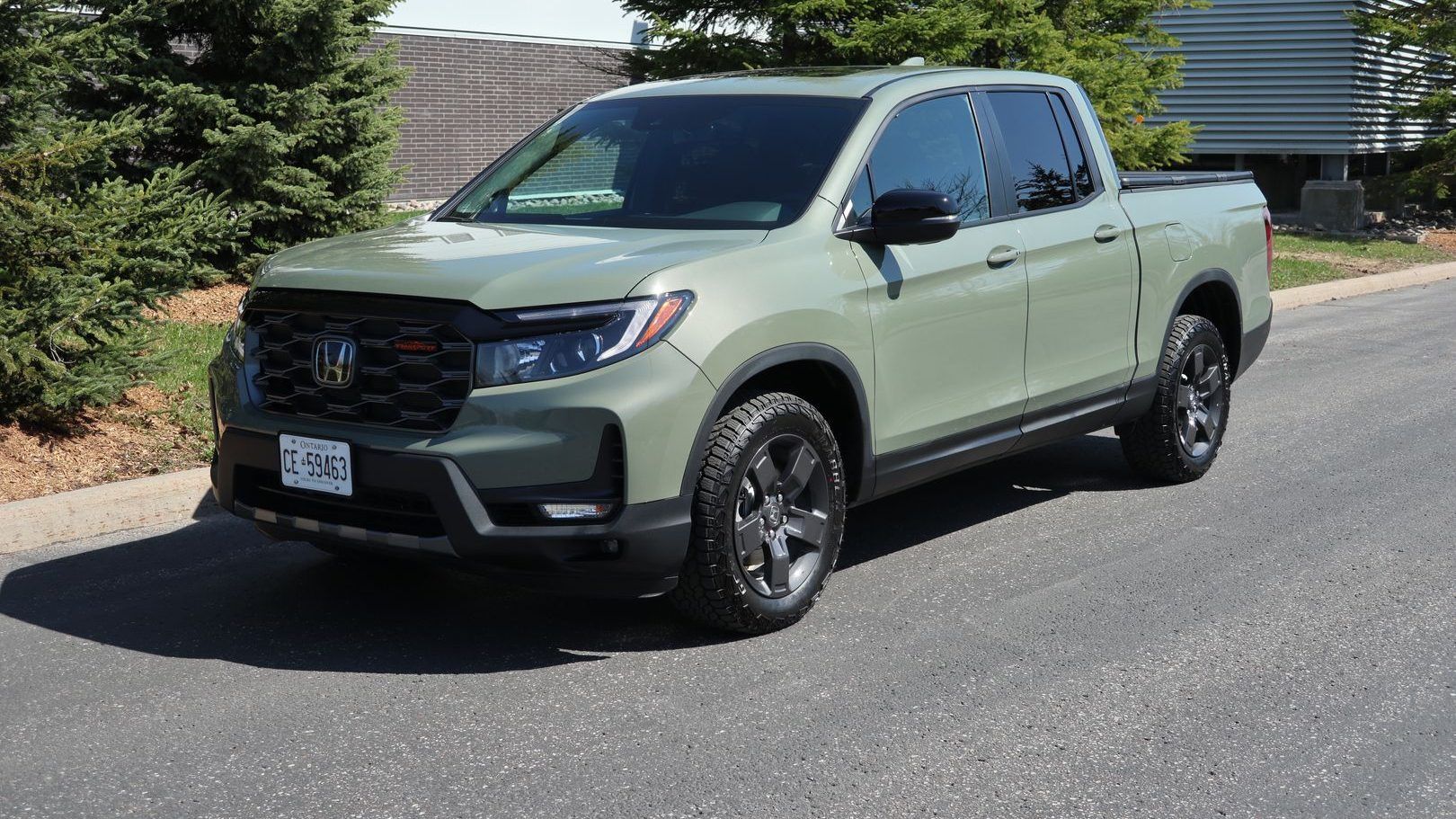
The TrailSport trim level serves as the brand’s bid to capture the "adventure-lifestyle" market. It features specialized suspension tuning, all-terrain tires, and reinforced underbody protection, signaling that it is designed for weekend trailheads rather than heavy-duty hauling.
Key Specifications at a Glance
- Engine: 3.5L V6, providing consistent, naturally aspirated power.
- Drivetrain: Standard i-VTM4 torque-vectoring all-wheel-drive (AWD).
- Utility: The industry-leading dual-action tailgate and the lockable, drainable In-Bed Trunk.
- Cabin Tech: Nine-inch touchscreen interface with integrated physical controls.
Chronology: A Decade of Steady Refinement
The history of the Honda Ridgeline is one of consistent, incremental improvement. When the current generation architecture was introduced, it set a benchmark for ride quality in a segment dominated by bouncy, truck-based frames.
- 2017: The second generation launched, introducing the world to the "In-Bed Trunk," a feature that remains the most innovative cargo solution in the segment.
- 2021: Honda refreshed the exterior styling to give the Ridgeline a more aggressive, traditional "truck" face, addressing consumer feedback that the original design was too soft.
- 2024: The introduction of the TrailSport trim marked a significant shift, adding off-road-oriented suspension and aesthetic upgrades to appeal to the overlanding crowd.
- 2026: The current model year refines the interior ergonomics and tech stack, ensuring the truck remains competitive against a host of redesigned rivals.
Supporting Data: Comfort vs. Capability
One of the most frequent points of contention regarding the Ridgeline is its rear-seat configuration. Unlike traditional trucks that hide storage bins beneath seat cushions—requiring passengers to clear out their belongings before the seat can be lifted—the 2026 Ridgeline employs a genius mechanical solution: folding metal legs.
This design allows for an unobstructed "slide-in" storage area beneath the seats. Whether it is a duffel bag, a tool kit, or groceries, owners can stash items without ever disturbing the passengers or the child seats strapped in above. When the seats are folded up, the floor is perfectly flat, offering a cavernous amount of interior cargo space that rivals many small SUVs.
However, data from long-term testing reveals a trade-off. The rear seating cushions are firmer than those found in competitors like the Chevrolet Colorado or Toyota Tacoma. While they are adequate for a quick trip to the hardware store, they are not ideal for cross-country journeys, a point that remains a consistent critique among reviewers.

The Cabin: A Study in Simplicity
Stepping into the 2026 Ridgeline is like stepping back in time—but in a way that many drivers find refreshing. In an era where manufacturers are burying basic climate controls inside sub-menus of giant, fingerprint-magnet screens, Honda has maintained a "hard-button" approach.
The "Casio" Aesthetic
Critics have pointed out that the dashboard layout feels dated, with styling cues that occasionally mimic 1990s digital calculators. Yet, there is a functional brilliance to it. The volume knob is a real, tactile dial. The climate controls are dedicated, physical toggles. You do not need to take your eyes off the road to adjust the fan speed.
The nine-inch touchscreen, while criticized for being tilted at an angle that can cause glare, remains responsive. It is a no-nonsense interior designed for utility, not for showing off to passengers with ambient lighting or futuristic haptics.
Official Responses and Market Positioning
Honda’s official stance on the Ridgeline is that it serves a "customer-centric" need. While competitors target the "lifestyle-rugged" demographic with high-lift kits and massive towing ratings, Honda targets the "do-it-all" consumer.

According to Honda representatives, the inclusion of standard AWD across all trims is a direct response to the brand’s core customer base, which values all-weather security over the ability to pull a 7,000-pound trailer. The Ridgeline is built to be the "only vehicle" in a household—comfortable enough for a commute, capable enough for a hardware store run, and safe enough for a snowy mountain pass.
Implications: The Midsize War
The 2026 model enters a market that is more crowded and more capable than ever. The Toyota Tacoma has been completely reinvented, the Ford Ranger has introduced a sophisticated new powertrain, and the GM twins (Colorado/Canyon) are pushing the limits of technology.
Where does the Ridgeline stand?
- Urban Usability: Its unibody platform makes it significantly easier to navigate in city traffic than a body-on-frame truck.
- Payload and Towing: It trails its rivals. If your primary goal is to tow a heavy boat or haul massive loads of gravel, the Ridgeline is objectively the wrong choice.
- The "Unique Factor": No other truck offers the dual-action tailgate or the lockable, weather-tight trunk integrated into the bed. These are not just "gimmicks"; they are genuine quality-of-life improvements for owners.
Pros and Cons Summary
- The Pros: The dual-action tailgate remains the gold standard for bed access. The full-time AWD provides confidence in virtually every weather condition, and the ride quality remains the most refined in the class.
- The Cons: The rear seats are objectively less comfortable than those of the competition. The interior design, while functional, lacks the high-end materials expected at the higher price points. Finally, the towing and payload capacities are noticeably lower than the class-leading frame-based trucks.
Final Thoughts: Who is this truck for?
The 2026 Honda Ridgeline TrailSport is a victim of miscategorization. If you compare it to a dedicated off-roader, it will disappoint. If you compare it to a heavy-duty hauler, it will fail.
However, if you view the Ridgeline as a "utility-crossover" with an open bed, it becomes the most logical choice in the segment. It is a vehicle for the person who needs a truck 20% of the time but lives with it 100% of the time. In the daily grind of city traffic and highway cruising, the Ridgeline’s lack of a heavy frame is its greatest asset.

It is a specialized tool for a specific type of buyer: one who values Honda’s reputation for reliability, the comfort of a car-like ride, and the genius of a bed that actually helps you organize your life. While the rest of the market chases the "toughest" title, the Ridgeline continues to win by being the "smartest."
About the Author:
Jil McIntosh is a veteran automotive journalist and a member of the Automobile Journalists Association of Canada (AJAC). With over 35 years of experience, she has covered everything from vintage restorations to the latest in EV technology. Her work has appeared in top-tier publications across Canada and the U.S., reflecting her deep expertise in new-vehicle testing and automotive history.
