

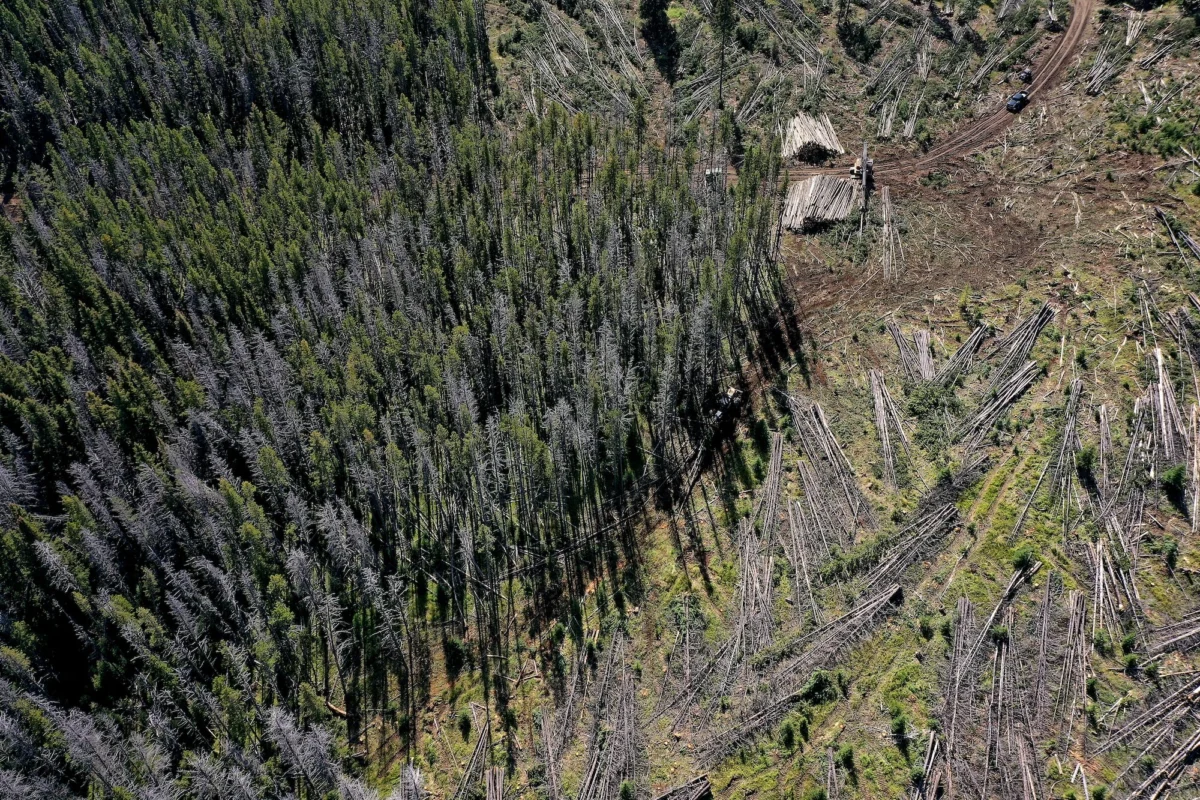
In a move that marks a seismic shift in federal land management, the Bureau of Land Management (BLM) is set to offer tens of thousands of acres in northwestern Colorado to oil and gas corporations. This lease sale, the largest of its kind in the state’s modern history, places critical migration corridors, fragile ecosystems, and internationally recognized dark-sky sanctuaries at the center of a brewing conflict between energy production and conservation.
The sale, which includes more than 100 parcels across 156,000 acres, directly intersects with the habitat of the nation’s largest elk herd. As energy companies eye these lands for potential fossil fuel extraction, local stakeholders, conservationists, and tourism officials are sounding the alarm over the long-term viability of an economy built on hunting, wildlife, and natural preservation.
The Chronology of Policy Shift: From Biden to H.R. 1
To understand the scale of this current lease sale, one must look at the recent transformation of federal energy policy. During President Joe Biden’s four-year term, Colorado experienced a period of relative restraint in public land leasing, with only six sales conducted, involving a few hundred acres. This measured approach was rooted in a prioritization of conservation and environmental oversight.
The landscape shifted abruptly in 2025 following the passage of H.R. 1, federal legislation signed into law by President Donald Trump. The act fundamentally reshaped the mandate of the Department of the Interior. It pivoted the BLM away from a multi-use philosophy—which traditionally balances grazing, recreation, and conservation—toward a model that prioritizes accelerated fossil fuel extraction.
The law requires the federal government to hold a minimum of four lease sales annually across nine Western states, including Colorado, Montana, and Wyoming. Furthermore, the legislation explicitly limits the discretionary power of local land managers to withhold acreage, shortens public comment periods, and reduces royalty rates for energy companies. By making it cheaper to drill on federal land, the policy has effectively incentivized a "gold rush" mentality, leaving state officials and local communities with limited legal avenues to challenge the encroachment of industrial infrastructure into protected wildlands.
Supporting Data: A Biodiversity Crisis in the Making
The environmental stakes are quantified in a sprawling, 2,360-line spreadsheet compiled by the Denver-based nonprofit Rocky Mountain Wild. The data paints a bleak picture for the region’s biodiversity. The proposed parcels include habitat for 17 rare plants and endangered species, including the black-footed ferret, the wolverine, the boreal toad, and the Colorado pikeminnow.
Beyond the listed endangered species, the sale encroaches on land vital to the Columbian sharp-tailed grouse, the greater sage-grouse, the ferruginous hawk, and the swift fox—all species identified by state wildlife officers as being of critical concern.
The impact on the greater sage-grouse is particularly acute. Conservation geographer Alison Gallensky of Rocky Mountain Wild notes that these birds are hyper-sensitive to the presence of industrial infrastructure. Even when drilling pads are moved to meet basic regulatory distances, the mere sight of tall equipment can deter the birds from breeding, as they perceive the structures as perches for avian predators.

"During the first Trump administration, the state BLM was able to use its discretion to defer parcels that were inappropriate due to sage-grouse conflicts," Gallensky explains. "Now, they are being forced to offer a much larger sale than that one turned out to be. The current framework removes the agency’s ability to protect these species effectively."
The Economic Paradox: Tourism vs. Extraction
The conflict is perhaps most palpable in Moffat County, which markets itself as the "Elk Hunting Capital of the World." The county’s economy relies heavily on the steady migration of elk, pronghorn, and mule deer. However, the economic reality is nuanced. While tourism officials like Tom Kleinschnitz argue that industrial sprawl—characterized by bright night lights, heavy truck traffic, and habitat fragmentation—threatens the "pristine" nature that draws visitors, others in the community view energy development as a vital financial lifeline.
"Many people in outfitting have agricultural businesses, and hunting is incredibly important to keeping people on those landscapes," Kleinschnitz said. "And some of them make royalties from oil and gas and have benefited greatly from having those."
Despite this local economic dependence on royalties, the broader fiscal picture for the state is less optimistic. A report from the nonpartisan watchdog Taxpayers for Common Sense suggests that due to the reduced royalty rates mandated by the new federal legislation, Colorado could lose approximately $148 million in potential revenue from the 81,000 acres sold in 2026 alone. This creates an economic paradox: the state is trading away its long-term environmental and fiscal health for short-term extraction gains.

The Threat to International Dark Sky Status
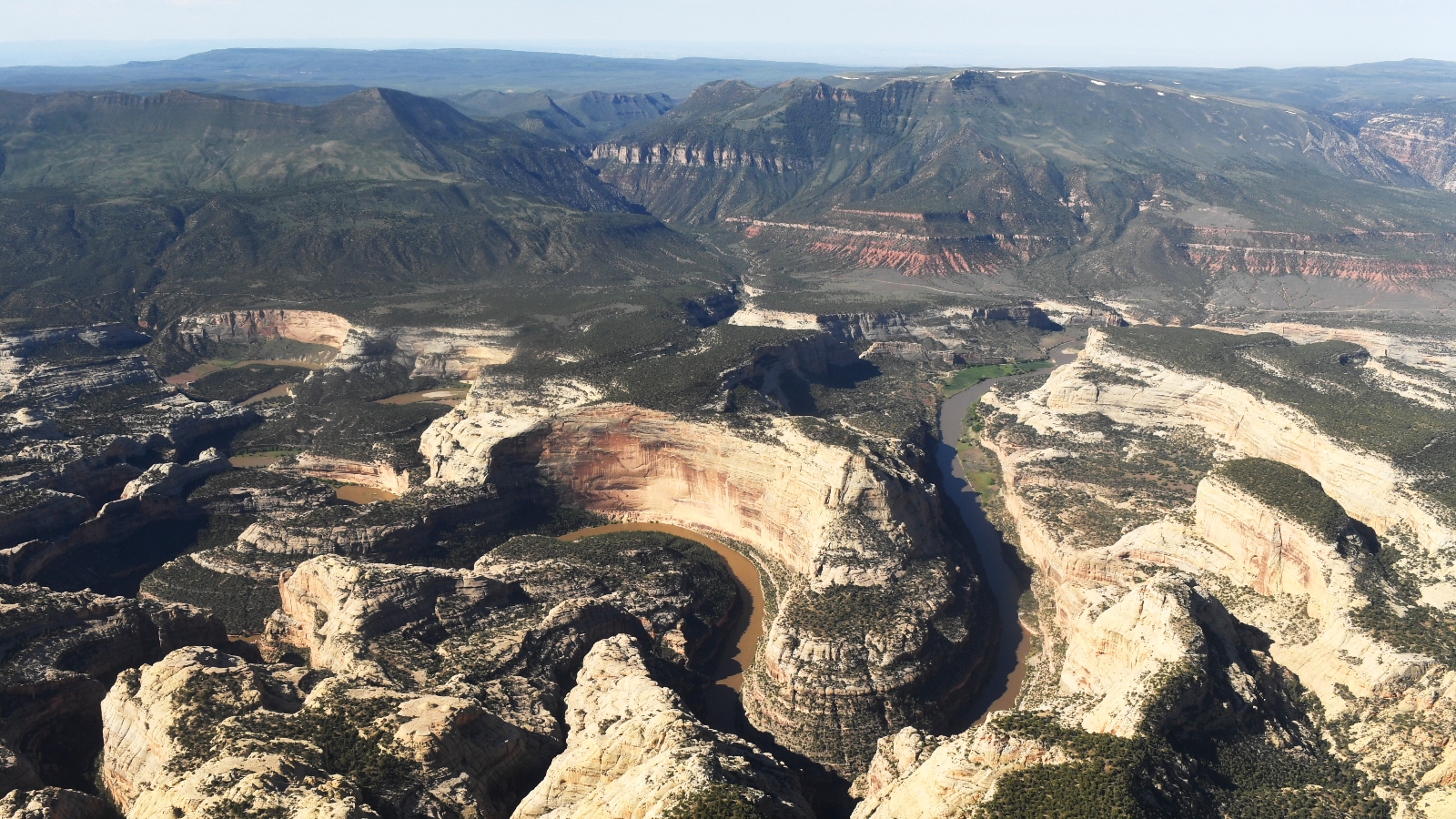
Two-thirds of the acreage slated for lease lies just south of Dinosaur National Monument. As one of the country’s designated International Dark Sky Places, the monument is a rare sanctuary for stargazing. Tourism officials have expressed deep concern that the industrial light pollution associated with 24/7 drilling operations, combined with the influx of heavy machinery, could result in the revocation of this status.
In a spring season where tourism inquiries to the area have already dropped by more than 50%, the prospect of further degradation to the natural landscape is viewed by local boosters as a direct threat to the county’s future economic stability.
Official Responses and Regulatory Limitations
In response to a 106-page protest letter filed by the Wilderness Workshop and 17 other organizations, the BLM has maintained that its actions remain within legal bounds. In its 646-page environmental assessment, the agency argues that risks are mitigated by "careful review" of drilling plans by both the BLM and Colorado’s Energy and Carbon Management Commission.
The agency did concede to minor adjustments, removing four parcels and reducing a fifth—totaling about 4,800 acres—due to prior decisions by the Interior Board of Land Appeals. However, conservationists point out that these removals represent a tiny fraction of the total acreage.
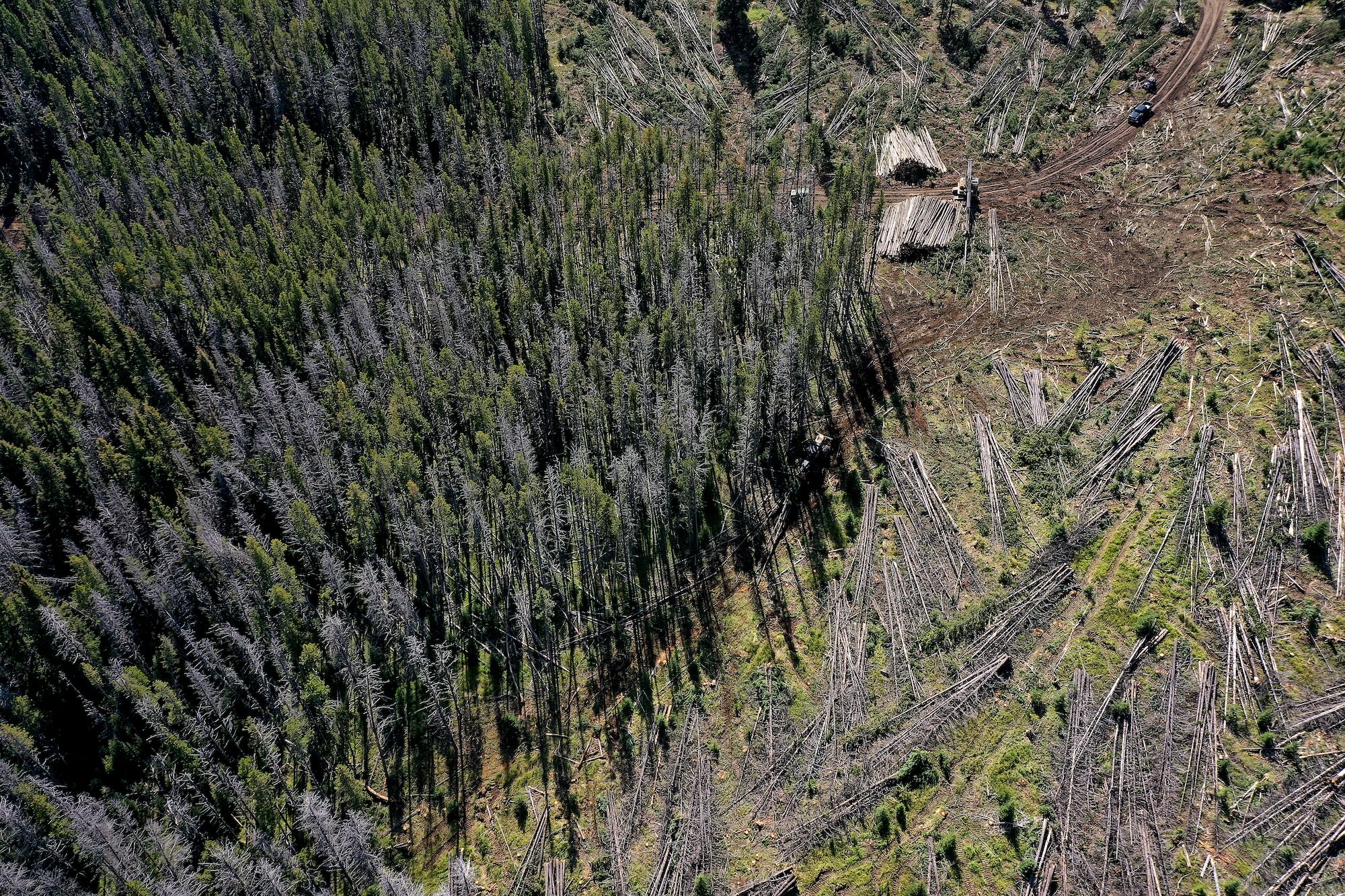
The BLM’s primary defense is that it will conduct site-specific analyses only after a company files for a permit to drill. Critics, including Peter Hart of the Wilderness Workshop, argue that this is a "process-based shell game." Once a lease is issued, it is notoriously difficult to cancel or modify. "Folks need to understand the long-term impacts of a rush to lease so much public land," Hart stated. "Once those leases are issued, they are very hard to get rid of—they stay on the land for a long time, even if they aren’t developed."
Implications for the Future of Public Lands
The current trajectory highlights a growing disconnect between federal policy and the desires of the public. Polling conducted by Colorado College’s State of the Rockies Project indicates that a clear majority of voters in eight Western states want their representatives to prioritize conservation over energy development on public lands.
Currently, roughly 21 million acres of BLM-managed land are under lease, though only 12 million acres are actually producing oil or gas. The remaining 9 million acres represent "locked" land—parcels that cannot be managed for recreation, wilderness, or habitat protection because they are legally committed to energy developers, regardless of whether they are being utilized.
As the June sale proceeds, the debate over Colorado’s landscape is moving beyond simple partisan lines. It has become a fundamental question of what public lands are for. With emissions from potential drilling in Weld County already expected to exacerbate the state’s failure to meet national air quality standards, the implications of this leasing surge extend far beyond the borders of northwestern Colorado. For now, the administration remains committed to its legislative mandate, leaving the fate of the elk, the sage-grouse, and the dark skies to the outcome of future permit battles and legal challenges that are likely to persist for years to come.
