

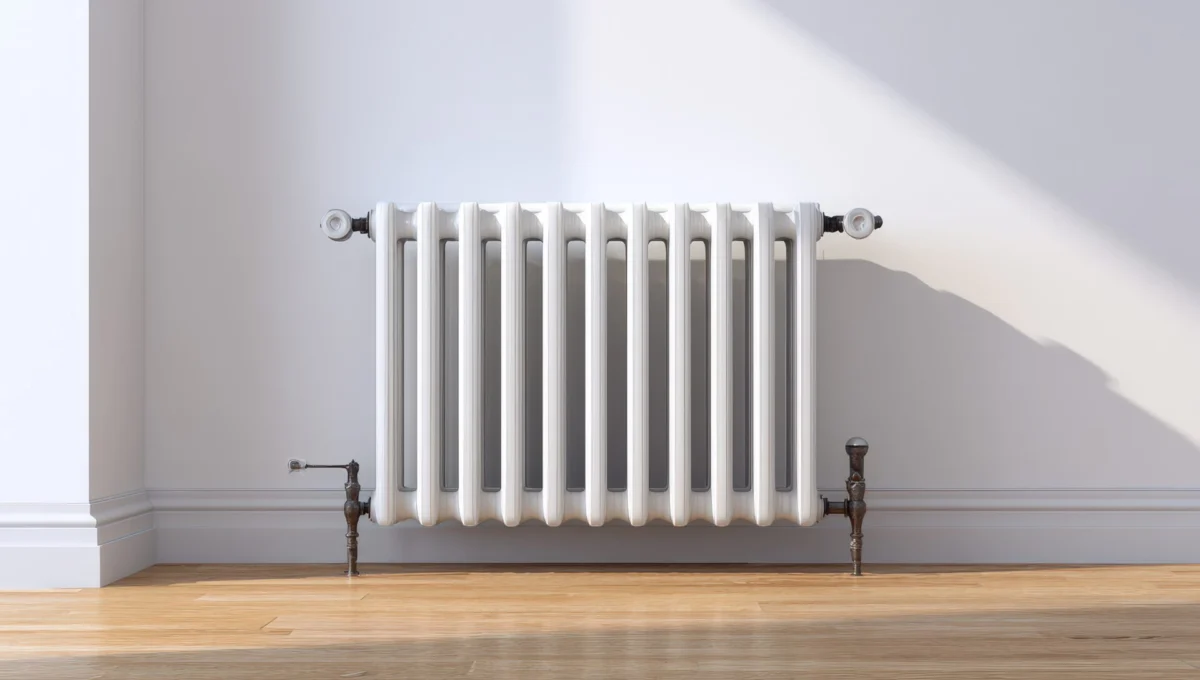
For homeowners seeking a reliable, low-profile, and zoned heating solution, baseboard radiators have long remained a staple of residential climate control. Despite the rise of modern heat pumps and complex forced-air HVAC systems, these units offer a unique combination of simplicity and localized comfort. Whether you are retrofitting an older home or looking for a supplementary heating source, understanding the financial and structural implications of installing baseboard radiators is essential for long-term comfort and energy management.
Main Facts: The Basics of Baseboard Heating
Baseboard radiators function as localized heating units typically installed along the floor perimeter of a room. Unlike forced-air systems that rely on ductwork to transport heated air, baseboard radiators heat the air directly within the room, often through natural convection.
Professional installation costs typically range from $200 to $1,200 per unit. However, this price point is highly variable, influenced by the type of technology—electric versus hydronic—and the complexity of the existing home infrastructure.
Core Advantages
- Zoned Control: Each room can be regulated independently, allowing homeowners to reduce energy consumption by heating only the spaces in use.
- Quiet Operation: Without the mechanical noise of a central blower or air handler, baseboard systems operate almost silently.
- Low Maintenance: These systems lack the filters and complex moving parts associated with forced-air units, reducing the frequency of required professional servicing.
- No Ductwork Needed: For historic homes or properties where installing ducts is physically impossible or cost-prohibitive, baseboard radiators provide a seamless heating solution.
Critical Considerations
- Energy Costs: While initial installation is affordable, long-term operational costs—particularly for electric models—can be higher than gas-powered central furnaces.
- Space Limitations: Radiators occupy wall space, limiting furniture placement.
- No Cooling Capability: Unlike central HVAC systems, baseboard radiators provide heat only and do not integrate with air conditioning.
Chronology and Evolution of Heating Systems
The widespread adoption of baseboard heating began in the mid-20th century as a space-saving alternative to bulky, cast-iron radiators. Over the decades, the technology evolved from simple steam-reliant systems to the sophisticated hydronic and electric models we see today.
- Mid-20th Century (The Rise of Hydronics): As residential construction boomed, developers moved toward hot-water (hydronic) systems that utilized copper piping and aluminum fins. These systems provided a more consistent, "gentle" heat compared to the intense, localized heat of steam radiators.
- Late 20th Century (The Electric Expansion): With the proliferation of reliable electrical infrastructure, electric baseboard heaters became the go-to for apartment complexes and residential additions. They offered lower material costs and easier installation, requiring only wiring rather than complex plumbing.
- Modern Era (Integration and Efficiency): Today, homeowners are increasingly focusing on the intersection of zone heating and smart home technology. Programmable thermostats and high-efficiency boilers have allowed hydronic systems to remain competitive in an era of rising energy costs.
Supporting Data: Understanding Cost Factors
The financial commitment required for baseboard heating is broken down into two primary categories: hardware costs and labor.

The Electric vs. Hydronic Cost Comparison
The heating medium is the single largest factor in your budget.
| Heating Type | Cost per Unit (Hardware) | Cost Including Installation |
|---|---|---|
| Electric | $50 – $130 | $200 – $1,100 |
| Hydronic | $180 – $320 | $430 – $1,200 |
Data sourced from HomeGuide and industry averages.
Labor and Structural Complexity
Labor rates for HVAC contractors currently range from $75 to $150 per hour. The complexity of the installation often dictates how many hours are billed. For example, adding an electric radiator to a room already equipped with an available electrical circuit is a straightforward two-hour job. Conversely, installing a hydronic unit requires tapping into existing piping, bleeding air from the lines, and potentially upgrading the central boiler, which can extend labor time to four hours or more.
Expert Perspectives: Advice from the Field
Mitch Rosa, owner of Hudson Valley HVAC in Orange County, New York, emphasizes that while baseboard radiators are effective, they require a nuanced approach to installation.
"People tend to ignore them, but baseboard radiators are one of the most effective ways to heat a home," says Rosa. However, he warns that homeowners must be mindful of the physical footprint. "They use up a lot of space, and homeowners don’t always like to lose that."

Regarding the "body" of the home, Rosa offers a poignant metaphor: "Every home is like a body. It needs to breathe. If you run undersize heating solutions, it’s like running with cotton in your nose. You’re going to be working harder and cause a ‘heart attack’ to the system." He stresses that improperly sized units—those too small for the square footage—will cycle constantly, leading to premature mechanical failure and exorbitant energy bills.
Implications for Homeowners
The Efficiency Paradox
While baseboard radiators are 100% efficient at converting energy into heat, the source of that energy matters. Electric baseboard heating is often considered expensive in regions where electricity rates are high. In contrast, hydronic systems—which circulate heated water—retain heat significantly longer. The fluid in the pipes acts as a thermal mass, allowing the system to cycle off while continuing to radiate warmth.
Maintenance for Longevity
To ensure a 20-year lifespan, homeowners must treat their radiators as active components of the home’s infrastructure:
- Cleaning: Dust and debris act as insulators. Every six months, homeowners should vacuum the fins and heating elements.
- Obstruction Management: Furniture, curtains, and rugs should remain at least 3 to 6 inches away from the radiator. Obstructing the airflow prevents the convection cycle from moving warm air through the room.
- Hydronic Care: Annual "bleeding" of the lines is essential. Air pockets trapped in the pipes prevent water from circulating, leading to cold spots and unnecessary strain on the boiler.
The Question of DIY
While the market is flooded with "plug-and-play" electric heaters, professional installation is strongly recommended for permanent baseboard fixtures. "There are high-voltage electrical circuits directly from the panel," Rosa notes. "Most homeowners aren’t qualified to do it. With hydronic radiators, it all ties back to the boiler, which must be set up properly to code and vented." Amateur installation risks not only the unit’s warranty but potentially the safety of the household and the validity of homeowners’ insurance policies.
Strategic Cost-Saving Tips
If you are planning an installation, consider these strategies to manage the budget:

- Bundle Installations: If you are retrofitting multiple rooms, negotiate a volume discount with your HVAC contractor. Most professionals are willing to lower labor rates for larger projects.
- Off-Season Scheduling: HVAC contractors often experience a lull in the spring and autumn. Scheduling your installation during these months can lead to lower labor costs and faster service.
- Optimize Existing Infrastructure: If replacing existing units, verify if your current wiring or plumbing can be repurposed. Eliminating the need for new dedicated circuits or pipe runs will significantly reduce the bill.
- Strategic Placement: Place radiators under windows. Cold air leaks are most prominent here; a radiator at this location acts as a thermal curtain, warming the cold air as it enters the room and improving overall comfort.
Conclusion
Baseboard radiators remain a foundational heating solution that balances cost, comfort, and reliability. By understanding the distinction between electric and hydronic models and recognizing the importance of proper sizing and professional installation, homeowners can maximize the performance of their heating system.
Whether you prioritize the lower upfront cost of electric units or the superior energy efficiency and long-term savings of a hydronic system, the key to a successful project lies in thorough planning. As Mitch Rosa suggests, consider the "health" of your home—invest in a system that allows it to "breathe," and you will enjoy efficient, consistent, and unobtrusive warmth for years to come. When you are ready to proceed, ensure you obtain at least three quotes from licensed professionals to verify the scope of work and the best value for your specific home environment.
