

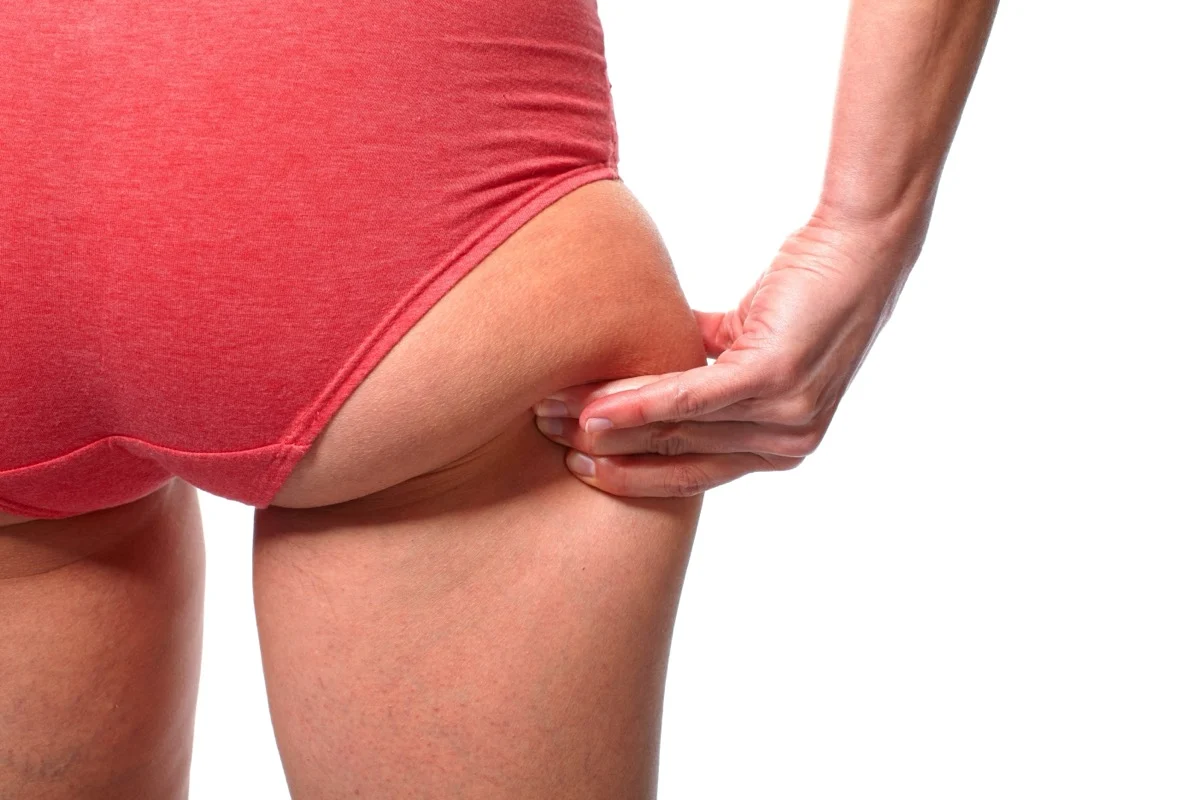
For many individuals over the age of 60, the appearance of "saddlebags"—the accumulation of tissue along the outer thighs and hips—is a source of frustration. Conventional fitness wisdom often suggests a punishing regimen of high-intensity cardio, aggressive calorie restriction, and endless squats to "spot reduce" the area. However, modern kinesiology and structural integration therapy suggest that this approach is not only ineffective but potentially counterproductive.
To truly address the changing aesthetics of the hip and thigh region, we must move beyond the narrow lens of caloric deficit and into the complex world of fascial health, neurological flow, and tissue quality.
The Misunderstood Anatomy of the Post-60 Hip
The popular perception of saddlebags is that they are merely deposits of adipose tissue—fat that needs to be "burned off." While fat storage is a component, the physical manifestation of saddlebags in older adults is a multifaceted biological phenomenon. It is a byproduct of changing structural mechanics, including fascial tension, decreased vascular circulation, hormonal fluctuations, and the natural, gradual loss of tissue elasticity.
The Role of Fascia
Fascia is the body’s "connective tissue web"—a three-dimensional network that envelops every muscle fiber, nerve, organ, and joint. In youth, fascia is supple, hydrated, and highly adaptable. As we cross the threshold into our 60s, this tissue undergoes a shift. Without consistent, varied movement, fascia can become dehydrated and dense. This creates a "stiffening" effect where the body loses its ability to distribute force efficiently. When the fascia surrounding the hip and gluteal complex becomes restricted, the overlying tissue appears compressed, uneven, or less toned.
Chronology of Change: Why Tissue Quality Declines
The aging body does not change overnight. It is a slow, cumulative adaptation to the lifestyle patterns we maintain over decades.
- Age 30–45 (The Maintenance Phase): Tissue elasticity begins a gradual decline. Sedentary desk work starts to lock the hips into shortened, compressed patterns.
- Age 45–60 (The Hormonal Shift): Declining levels of estrogen and testosterone impact collagen production and fat distribution. The body begins to store adipose tissue differently, often shifting toward the midsection and lateral hips.
- Age 60+ (The Structural Realignment): Neurological signaling—the "brain-to-muscle" connection—begins to slow. If a person relies on limited, repetitive movements, the fascia becomes rigid. The hips begin to lose their "lift" and support, leading to the visual characteristics of saddlebags.
Supporting Data: The Failure of Spot Reduction
The fundamental error in most fitness programs is the belief in "spot reduction." Scientific consensus has long held that you cannot dictate where your body burns fat. If you perform 500 squats, your body will draw energy from fat stores systemically, not specifically from the lateral hip.
However, data from structural integration studies shows that while you cannot "burn" your way to a different shape, you can "function" your way to better tissue quality. By improving the circulation and the neurological input to the gluteal muscles, the body’s posture shifts. When the pelvis is properly aligned and the fascia is hydrated, the muscles underneath the skin become more supportive. The visual "saddlebag" appearance often diminishes as the underlying architecture becomes more resilient and structurally sound.
The Four Pillars of Morning Movement
To combat these changes, fitness experts are moving away from heavy, repetitive gym sessions and toward exercises that restore "movement variability." Here are four essential movements designed to target the lateral hip through fascial release and neuromuscular engagement.
1. Hip Proprioception Training
Proprioception is your body’s ability to sense its position in space. By retraining the hip to stabilize itself, you reduce the compensatory tension that often leads to tissue density.
- The Science: By practicing single-leg balance with intentional alignment, you engage the gluteus medius and maximus, forcing the nervous system to "wake up" the lateral hip muscles.
- The Execution: Focus on stacking the ear, shoulder, and hip in a straight vertical line. By holding this for 60 seconds per leg, you are not just exercising; you are recalibrating the neurological map of your lower body.
2. The Curtsy Lunge
The curtsy lunge is a functional movement that moves the hip through a lateral plane—a range of motion that most people abandon as they age.
- The Benefit: Traditional squats move only in the sagittal plane (forward and backward). The curtsy lunge demands engagement from the adductors and the lateral glutes, ensuring that the entire "girdle" of the hip is active.
- Pro-Tip: For maximum impact, keep the torso upright and square. The goal is not to maximize weight, but to maximize the stretch and the controlled load on the hip stabilizers.
3. The Glute Medius Stretch (Myofascial Release)
This is not a traditional static stretch; it is a myofascial release technique designed to improve blood flow to the lateral hip.
- Why it works: If the fascia is tight, blood flow is restricted. By performing a cross-body pull while keeping the hip anchored to the floor, you create a shearing force that helps hydrate the tissue and improve local circulation.
- The Goal: Consistency here is more important than intensity. Aim for 30 to 90 seconds to allow the tissue to "melt" rather than forcing it to elongate.
4. The L2/L3 ELDOA
The ELDOA method (Étirements Longitudinaux avec Decoaptation Ostéo-Articulaire) is a sophisticated approach to spinal health.
- The Connection: The L2 and L3 nerve roots are primarily responsible for the innervation of the muscles around the hip and thigh. If these segments of the spine are compressed, the muscles of the hip do not receive optimal signals from the brain.
- The Outcome: By decompressing the spine, you improve neurological flow, which directly enhances the tone and responsiveness of the tissues in the lateral hip region.
Implications for Longevity
The goal of this approach is not merely aesthetic—it is about functional longevity. A body that is stiff is a body that is prone to injury. By prioritizing tissue quality, hydration, and neurological efficiency, you aren’t just addressing the appearance of the hips; you are improving your balance, your gait, and your overall posture.
As we move through our 60s, 70s, and beyond, the objective should be to "function younger." When you improve the internal environment of your tissues, the external appearance becomes a natural, healthy byproduct of that vitality.
Final Takeaway
Stop obsessing over the squat rack. Your hips do not need more punishment; they need more precision. By incorporating these four morning movements into your routine, you are shifting the focus from "shrinking" to "restoring." Through consistent attention to fascial health and neurological connectivity, you can reclaim your mobility and confidence, proving that aging doesn’t have to mean a decline in structural integrity or personal wellness.
