

In the landscape of aging, we often fixate on cardiovascular health, bone density, and cognitive sharpness. Yet, there is a quieter, more functional indicator of vitality that frequently goes unnoticed until it becomes a daily obstacle: grip strength.
If you have recently found yourself struggling to unscrew a stubborn jar lid, or if your hand tires rapidly while carrying a grocery bag, you are not necessarily experiencing the inevitable onset of arthritis. According to fitness experts at TRAINFITNESS, the UK’s leading fitness education provider, these are often early warning signs of "functional disuse."
As we cross the age of 65, the human hand often suffers from a profound imbalance. Modern conveniences—from push-button microwaves to plastic screw-caps—have stripped our daily lives of the "grip challenges" that kept our ancestors’ hands dexterous well into their twilight years. This article explores the mechanics of hand health, why common strength-training tools often miss the mark, and how an eight-minute daily routine can restore your independence.
The Anatomy of the Hand: A Four-Fold Skillset
To understand why our hands feel weaker as we age, we must move beyond the simple concept of "squeezing." A trainer with TRAINFITNESS explains that the human hand relies on four distinct functional pillars: crushing, pinching, twisting, and holding.
Most people believe their weakness is a symptom of joint degradation or arthritis. While these conditions exist, the primary culprit is often the atrophy of muscles that are simply no longer being challenged. The thumb, for instance, is frequently the first casualty. Pinch strength—the ability to hold a phone, a fork, or a key—relies on a delicate coordination of the thumb and fingers. When this is not practiced, the muscles weaken, and simple tasks begin to feel cumbersome.
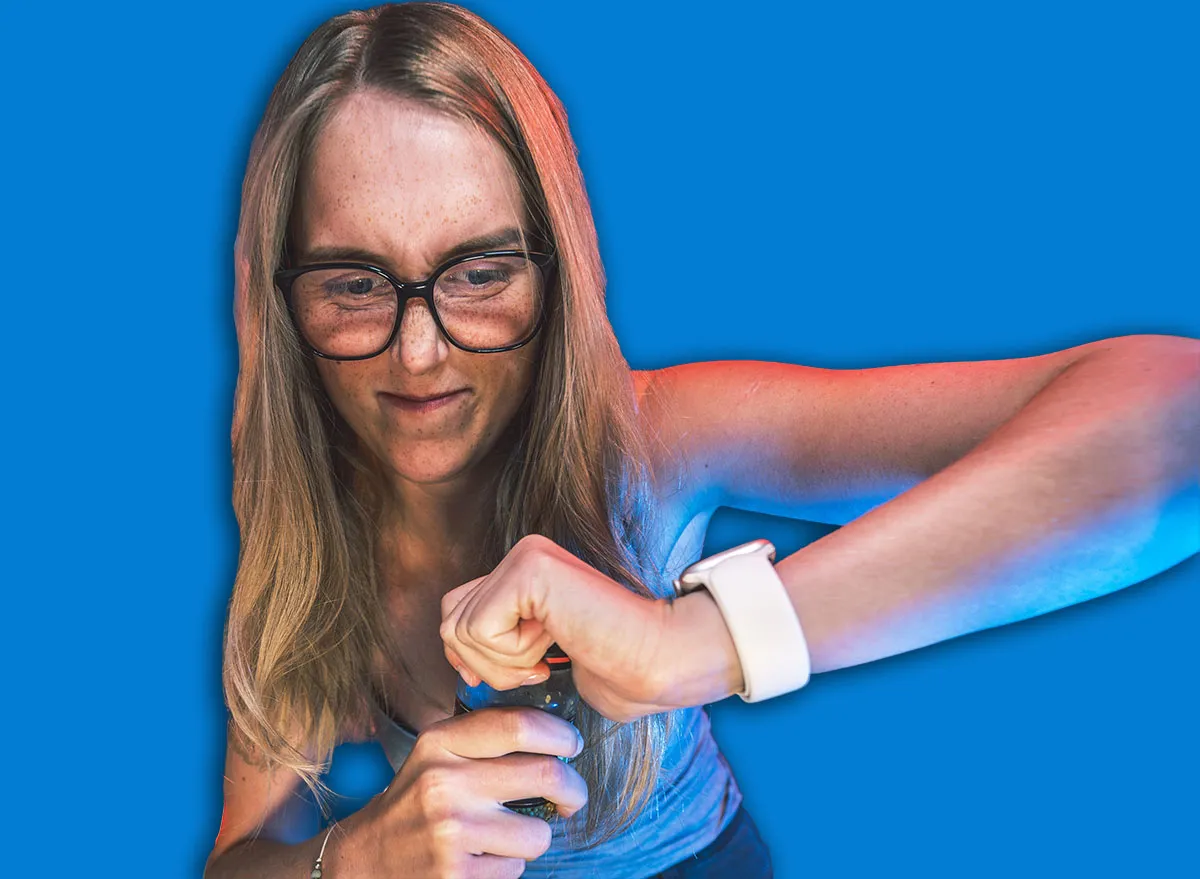
Furthermore, there is a structural imbalance at play. Because we spend our lives gripping, closing, and clenching, the muscles responsible for closing the hand become disproportionately stronger than those responsible for opening it. This leads to the "claw-like" stiffness often observed in later years. To maintain a functional hand, we must train the extensors as diligently as we train the flexors.
Why Standard Grippers Fail
A common mistake among those trying to improve their hand strength is the reliance on traditional spring-loaded hand grippers. While these devices are excellent for developing the "crush" force, they completely ignore the other three pillars of hand health.
A gripper provides a uniform, repetitive motion that does not account for the nuance of human tasks. It offers no feedback, no rotational component, and no training for the extensor muscles. Relying solely on a gripper is akin to training only your biceps while ignoring your triceps; eventually, you end up with an imbalanced, tight, and potentially injury-prone limb.
The Eight-Minute Protocol: Four Essential Exercises
To restore full functionality, you do not need a gym membership or expensive equipment. The following four exercises, which take approximately eight minutes to complete, utilize common household items to address all four pillars of grip strength.
1. The Rolled Hand Towel Squeeze (The Crush)
This exercise focuses on the most fundamental aspect of the hand: the crush grip. Unlike a metal gripper, a towel provides tactile feedback and requires the small muscles of the palm to stabilize as they compress.
- How to do it: Roll a small hand towel into a firm cylinder. Hold it in one hand and squeeze it as hard as you can for three seconds. Focus on using your entire palm and every finger.
- Sets and Reps: 12 squeezes per hand, 2 rounds per side.
2. The Fingertip Fan (The Extensor Training)
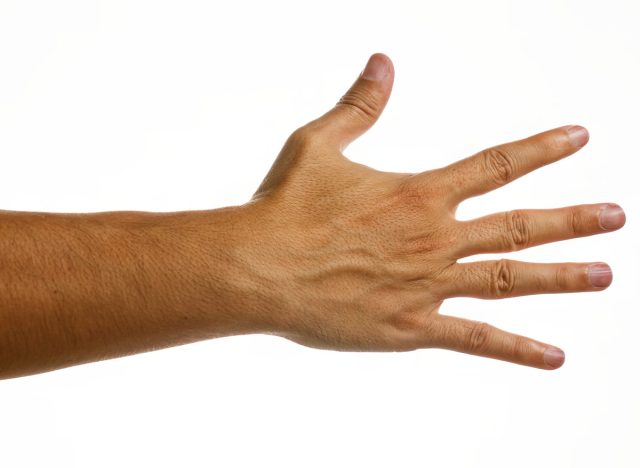
This is the antidote to the "claw-like" stiffness mentioned earlier. It targets the extensor muscles—the muscles on the back of your hand and forearm that open your fingers.
- How to do it: Place your hand flat on a table. Keeping your palm down, lift each finger one by one, then lift all fingers and the thumb simultaneously, spreading them wide like a fan.
- Sets and Reps: 10 slow, controlled repetitions per hand.
3. Jar Lid Turn Practice (The Twist)
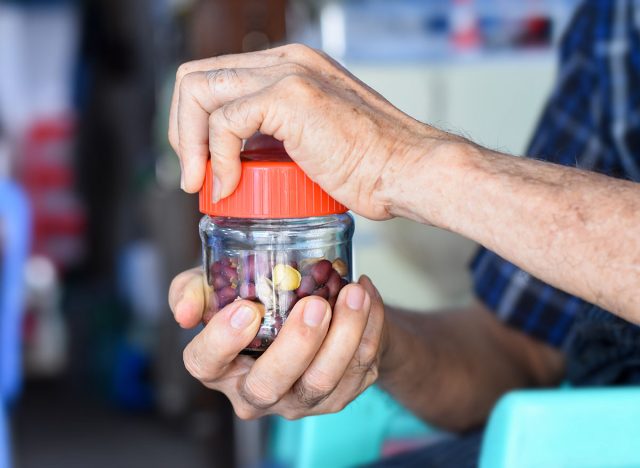
Rotational strength is the "missing link" for most seniors. Whether it is turning a key in a stiff lock, opening a jar of pickles, or operating a water tap, rotation is essential for daily living.
- How to do it: Use a slightly tightened jar lid. Place your hand over the lid, ensuring your thumb is firmly anchored. Focus on the rotation of the forearm, not just the fingers.
- Sets and Reps: 8 opens and 8 closes per side. As you progress, tighten the lid further to increase resistance.
4. Water Bottle Wrist Curl (The Hold)
This exercise bridges the gap between the hand and the forearm, building the endurance required to hold heavy objects, such as a full kettle or a shopping bag, for extended periods.
- How to do it: Hold a partially filled water bottle by the neck. With your forearm resting on a table, curl your wrist upward (palm up), then downward (palm down).
- Sets and Reps: 12 reps palm up, 12 reps palm down per side.
Chronology of Progress: What to Expect
Consistency is the catalyst for neurological and muscular adaptation. If you follow this routine six days a week, the results are often tangible within weeks.
- Week 1 (Neural Adaptation): You will likely notice that simple tasks, like opening a jar, feel slightly less daunting. This is not yet muscle growth; it is your nervous system becoming more efficient at recruiting the existing muscle fibers.
- Weeks 3–4 (Structural Change): The actual tissue in your forearm begins to adapt. You will find that shopping bags no longer "bite" into your skin as painfully, and your hands feel less cramped after tasks like ironing or peeling vegetables.
- Weeks 6–8 (Functional Integration): This is the threshold where the transformation becomes obvious. You will move with more confidence, and family members may notice that you are tackling household chores with renewed stamina.
Supporting Data: The Link Between Grip and Longevity
In medical circles, grip strength is increasingly viewed as a "vital sign." A study published in the British Medical Journal (BMJ) found that grip strength is a more accurate predictor of cardiovascular mortality and all-cause mortality than blood pressure.
Why? Because grip strength is a proxy for overall muscular health and physical robustness. When the hands weaken, the individual often becomes more sedentary, leading to a cascade of health issues. By maintaining a strong grip, you are effectively signaling to your body that you are still physically active, which encourages the maintenance of muscle mass elsewhere in the body.
Expert Implications: A Call for Daily Habits
The experts at TRAINFITNESS emphasize that this should not be viewed as a "workout" that requires a dedicated slot in your calendar. Instead, treat it as a series of "movement snacks" integrated into your day.
"I recommend fitting these into natural pauses," the trainer suggests. "Perform the towel squeeze while watching the news. Do the fingertip fans while the kettle is boiling. Keep the water bottle on your coffee table for your evening television sessions."
By removing the "decision barrier"—the need to change clothes, drive to a gym, or set aside a large chunk of time—you transform exercise from a chore into a lifestyle.
Final Thoughts: The Return on Investment
For those over 65, the stakes of this training are high. Grip strength is a primary indicator of your ability to live independently. It determines whether you can navigate your home, manage your own kitchen, and hold your grandchildren with confidence.
Eight minutes a day is a modest investment for a lifetime of autonomy. By training the four pillars—crushing, pinching, twisting, and holding—you are not just strengthening your hands; you are fortifying your future. Start today, be consistent, and observe how quickly the small challenges of the kitchen become the easy successes of your daily life.
