

As we navigate the later chapters of life, the ability to move with ease, stability, and confidence is perhaps the most valuable asset one can possess. While many associate aging with a natural decline in physical prowess, the reality is that targeted, functional movement can significantly delay—or even reverse—the loss of independence. At the heart of this physical autonomy lies one crucial ability: balance.
Maintaining equilibrium is not merely about avoiding a tumble; it is about reclaiming the freedom to climb stairs, carry groceries, navigate uneven sidewalks, and engage in the spontaneous activities that define an active life.
The Science of Stability: Why Balance Matters
As the human body ages, it undergoes a natural process of sarcopenia—the progressive loss of muscle mass. This shift, combined with changes in the vestibular system (the inner ear) and proprioception (the body’s awareness of its position in space), can leave many older adults feeling less secure on their feet.
The consequences of poor balance extend beyond the physical. Fear of falling often leads to a sedentary lifestyle, which creates a vicious cycle: inactivity weakens the very muscles required for stability, further increasing fall risk. However, recent fitness research suggests that the brain-body connection can be "rebooted" through specific, daily interventions. By engaging in "functional balance" training, older adults can sharpen their nervous system’s communication channels, ensuring that the eyes, inner ear, brain, and muscles act in perfect concert.
Expert Insight: Moving Beyond Static Poses
While yoga is widely celebrated for its contributions to flexibility and mindfulness, Midlife Fitness Expert Heike Yates argues that for the purposes of daily living, a different approach is required. Yates, an ACE-certified personal trainer and Pilates coach with over 40 years of experience, suggests that the balance needed for life isn’t found in a held pose, but in motion.
"Yoga can be an excellent tool for flexibility, body awareness, and balance," Yates explains. "However, these exercises focus more on functional balance—the type of balance needed for everyday activities such as walking, climbing stairs, getting out of a chair, carrying groceries, or recovering from a stumble."
Unlike traditional yoga, which often utilizes static holds, functional balance training challenges both static and dynamic stability. It requires the body to recruit coordination, strength, weight-shifting capabilities, and reaction time. By integrating these movements into a morning routine, individuals can prime their nervous system, effectively "waking up" the body to handle the demands of the day.
The Morning Protocol: A Five-Step Routine
The following exercises are designed to be performed daily. They require no specialized equipment—only a sturdy chair and a clear space.
1. Sit-to-Stand: The Foundation of Independence
This movement is the ultimate test of lower-body functionality. It targets the quadriceps, glutes, and core, all of which are essential for standing up from a sofa, car, or toilet.
- The Technique: Sit on the edge of a sturdy chair with feet hip-width apart. Engaging your core, lean your torso slightly forward and push through your heels to stand. Maintain a controlled, slow tempo as you lower yourself back into the chair without collapsing.
- Why it works: It builds the explosive strength needed for rising and the eccentric control required for sitting safely.
2. Single-Leg Stand: Developing Static Stability
Most human locomotion is, at its core, a series of controlled falls from one leg to the other. By practicing a single-leg stand, you train your body to manage its center of gravity.
- The Technique: Stand near a wall or chair for support if needed. Lift one foot slightly off the ground, keeping your standing knee soft (not locked). Focus your gaze on a stationary point ahead to enhance concentration. Hold for 20 to 30 seconds before switching.
- Why it works: It mimics the biomechanics of walking and dressing, directly improving your stability in the moments when you are most vulnerable to a loss of balance.
3. Heel-to-Toe Walk: Enhancing Gait and Coordination
Often used by physical therapists as a diagnostic tool, this walk challenges the vestibular system in a moving environment.
- The Technique: Find a clear hallway or a long stretch of floor. Place one foot directly in front of the other so that the heel of your front foot touches the toes of your back foot. Move slowly, looking forward rather than down at your feet.
- Why it works: It demands significant core engagement and forces the brain to adjust to a narrower base of support, significantly improving your gait pattern.
4. Standing March: Training Weight Shifting
Weight shifting is a complex task that many adults lose as they become more cautious in their movements. The standing march restores the ability to transfer weight confidently from one side to the other.
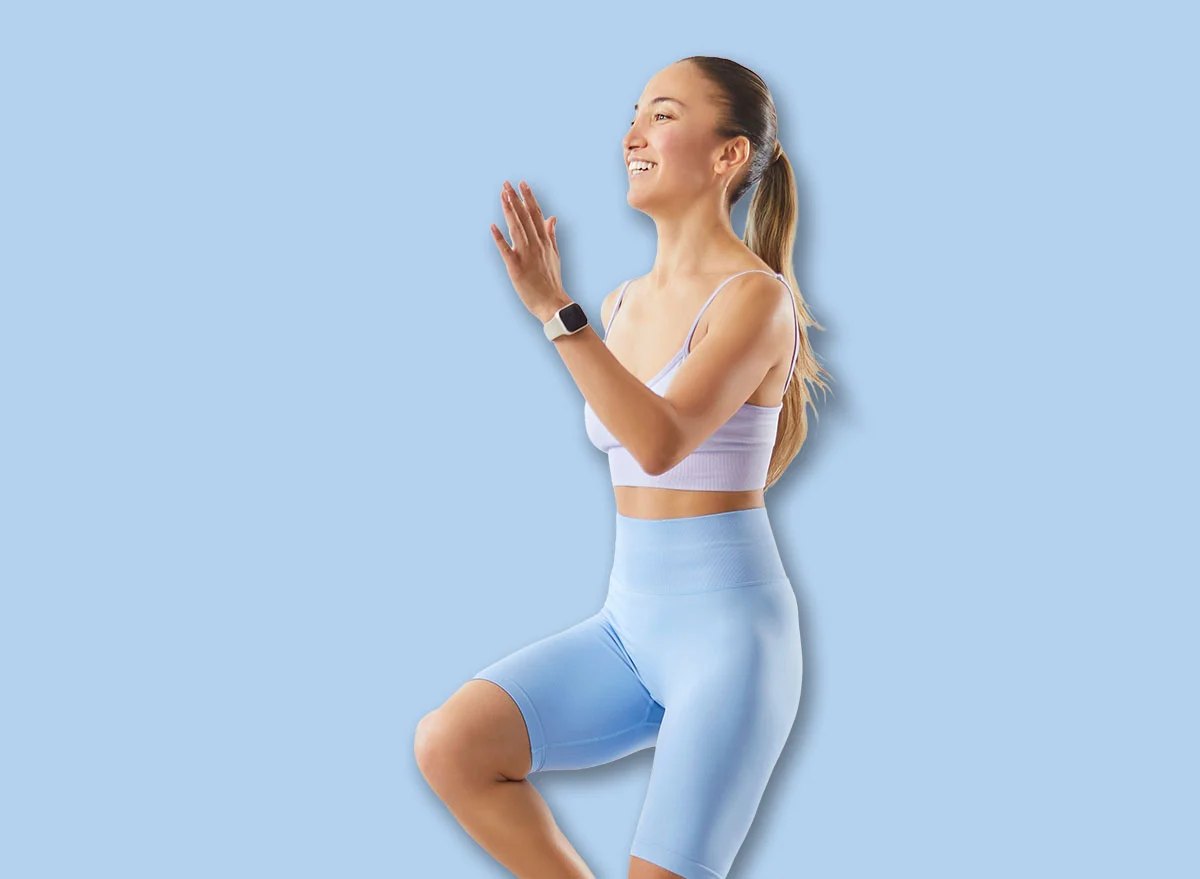
- The Technique: Stand tall, holding onto a chair for safety. Lift your right knee toward your chest, hold for a second, and place it down. Repeat with the left leg. Keep your torso upright—do not lean into the movement.
- Why it works: This strengthens the hip flexors and deep core stabilizers, which are critical for clearing obstacles and stepping over curbs.
5. Clock Reach: Multi-Directional Reactivity
The world is not a two-dimensional space; falls often happen when we reach for something or turn suddenly. The Clock Reach prepares the body for these "off-axis" demands.
- The Technique: Stand on one leg. Imagine you are in the center of a clock. Reach your non-weight-bearing foot toward the 12, 3, 6, and 9 o’clock positions. Use a chair for light support as you learn the motion.
- Why it works: This forces the standing leg to adjust to different angles of weight distribution, training the body to react to unexpected changes in movement.
Implications for Long-Term Health
The implications of adopting a routine like this are profound. Data suggests that fall prevention is the single most effective way to maintain "healthspan"—the period of life spent in good health. According to the Centers for Disease Control and Prevention (CDC), falls are the leading cause of injury-related death among adults aged 65 and older.
By dedicating just ten minutes each morning to these movements, older adults are not merely "working out." They are investing in their long-term autonomy. When the nervous system is primed through daily practice, the body’s reaction time to a slip or a trip improves. You become more resilient, more confident, and less prone to the "fear of falling" that keeps so many indoors.
Conclusion: Confidence Starts with a Step
As Heike Yates notes, the goal is not perfection, but persistence. "Many older adults feel stiff or less steady when they first get up," she says. "A few minutes of balance work can help improve confidence and stability throughout the day."
Whether you are 60, 70, or beyond, the ability to stand tall and move with purpose is never truly lost; it is simply a skill that must be maintained. By shifting the focus from static, quiet exercise to functional, dynamic movement, you can build a stronger, more capable version of yourself. Start today—your future self will thank you for the stability you build this morning.
