


As we cross the threshold into our fifties and beyond, the definition of physical fitness shifts. The vanity metrics of youth—such as achieving a visible "six-pack"—gradually take a backseat to the functional necessity of stability, balance, and structural integrity. For the aging body, a strong core is not merely an aesthetic goal; it is the fundamental infrastructure that dictates how we navigate the world, whether we are walking with confidence, lifting groceries, or recovering from a potential fall.
The core is often misunderstood as simply the abdominal muscles. In reality, it is a complex kinetic chain involving the deep stabilizers of the spine, the muscles of the pelvic floor, the obliques, and the hip complex. After 50, maintaining the integrity of this system is the single most effective way to prevent injury and maintain independence.
The Science of Stability: Why Midsection Control Matters
Research published in the National Library of Medicine highlights that as we age, the neuromuscular connection—the communication between the brain and our muscles—requires consistent maintenance. A weak core results in compensatory movement patterns, where the lower back often shoulders the burden meant for the glutes and abdominals. This shift is the primary culprit behind the chronic lower back pain that plagues millions of adults in their later years.
True core strength is characterized by three pillars:
- Endurance: The ability to maintain a braced position over time.
- Anti-Rotation: The ability to resist external forces that attempt to twist the spine.
- Coordination: The ability to keep the trunk stabilized while the limbs are in motion.
If you are over 50, the following five tests serve as a diagnostic baseline. They are designed to identify "strength leaks"—points where your body loses tension—and provide a roadmap for long-term physical resilience.
1. The Forearm Plank: The Gold Standard of Endurance
The forearm plank is the ultimate test of global core tension. It forces the abdominals, glutes, and shoulders to work in concert to hold the body in a perfectly rigid line against the pull of gravity.
The Test: Lie face down, propped up on your forearms. Engage your glutes and draw your navel toward your spine, lifting your body until only your forearms and toes touch the floor.
The Standard: Your body must form a straight line from the crown of your head to your heels. If the lower back sags or the hips pike upward, the test is failed.
The Goal: 60 seconds of clean, steady holding.
Implications: A failure to reach this mark often suggests a lack of posterior chain engagement. If you find your back aching, your glutes are likely failing to assist, putting unnecessary pressure on the lumbar spine.
2. The Side Plank: Assessing Lateral Stability
Most of our daily movements occur in the sagittal plane (forward and backward), but life often requires lateral (side-to-side) stability. The side plank targets the obliques and the quadratus lumborum, muscles essential for protecting the spine during everyday twisting motions.
The Test: Lie on your side, legs stacked. Prop yourself up on your forearm, lifting your hips off the ground.
The Standard: Your torso must remain perpendicular to the floor. Avoid "piking" the hips or allowing the top shoulder to rotate toward the ground.
The Goal: 30 seconds per side.
Implications: An inability to hold this position indicates a weakness in the lateral stabilizers. This often manifests as a "waddling" gait when walking or a loss of balance when reaching for objects on high shelves.
3. The Dead Bug: Mastering Limb Independence
The dead bug is arguably the most effective exercise for teaching the brain to separate limb movement from trunk stability. It is the antithesis of the "crunch," which focuses on flexion rather than bracing.
The Test: Lie on your back with arms extended toward the ceiling and knees bent at 90 degrees in the air. Slowly lower your right arm behind your head while extending your left leg toward the floor.
The Standard: Your lower back must remain firmly pressed into the floor throughout the entire movement. If your back arches, your core has lost its "connection."
The Goal: 10 slow, controlled repetitions per side.
Implications: This exercise builds the "anti-extension" strength required to carry heavy objects without straining the spine.
4. The Glute Bridge Hold: The Powerhouse of the Posterior
Your glutes are the largest muscles in the body, and they act as the primary support for your lower back. A weak bridge indicates that your hamstrings or lower back are overcompensating for lazy gluteal muscles.
The Test: Lie on your back, knees bent, feet flat on the floor. Lift your hips toward the ceiling by squeezing your glutes until your body forms a straight line from knees to shoulders.
The Standard: The pelvis must remain level. Avoid arching the lower back to gain extra height.
The Goal: 60 seconds of sustained, steady engagement.
Implications: Strong glutes are the best defense against hip and knee pain. If you cannot hold this for a minute, your daily movements—from rising from a chair to climbing stairs—are likely causing micro-trauma to your spinal discs.
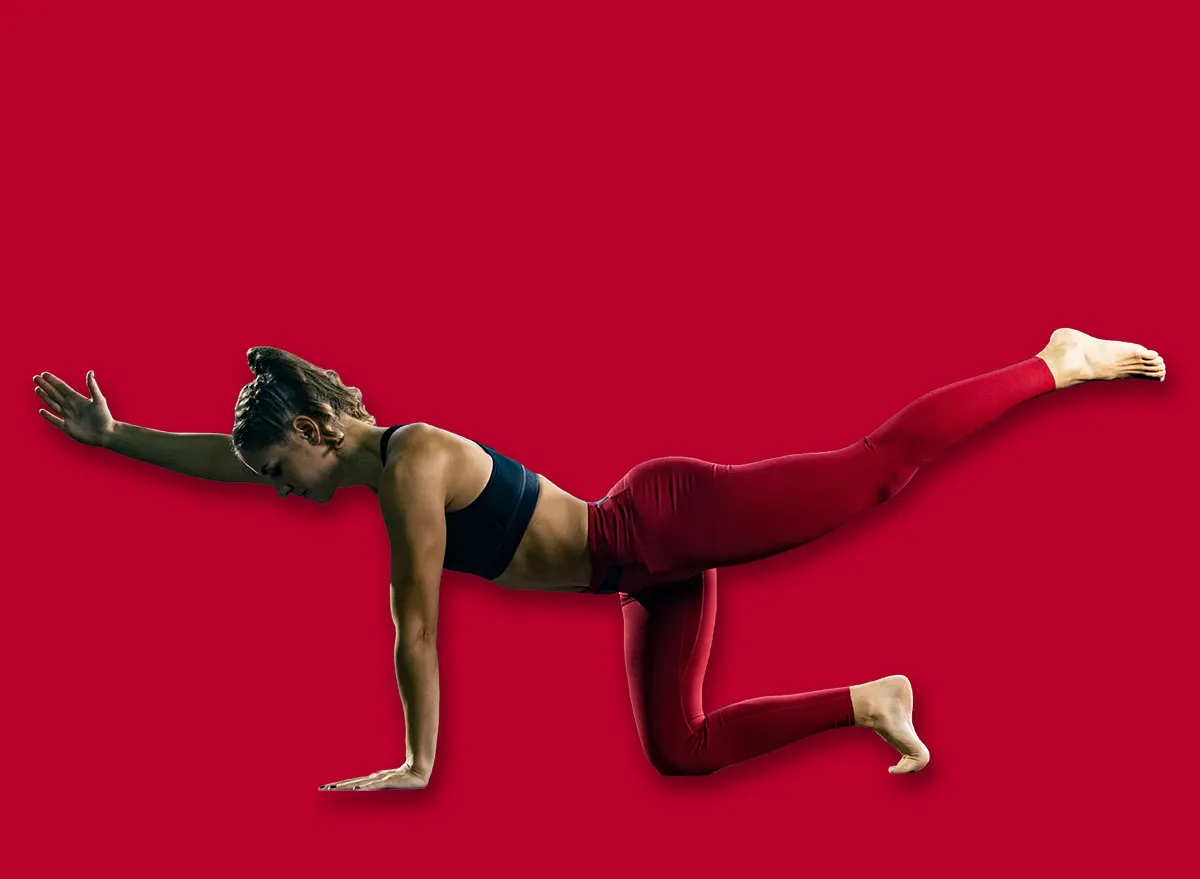
5. The Bird Dog: Coordination and Balance
The bird dog is a functional test that challenges your ability to maintain a neutral spine while moving opposite limbs. It is highly effective for those with a history of back sensitivity, as it provides stability without spinal loading.
The Test: Start on all fours. Simultaneously reach your right arm forward and your left leg backward, keeping them parallel to the floor.
The Standard: Your hips must remain square to the floor. If you tilt or wobble, your stabilization muscles are not firing correctly.
The Goal: 10 controlled repetitions per side.
Implications: This move is critical for balance. As we age, proprioception—our body’s awareness of its position in space—declines. The bird dog re-trains this awareness, significantly reducing the risk of falls.
Chronology of Improvement: How to Integrate These Tests
You should not view these tests as a one-time assessment. They are markers of progress.
- Week 1-4: Focus on form over duration. Even if you can only hold a plank for 15 seconds with perfect form, that is superior to a shaky 60-second hold.
- Week 5-8: Increase the volume. Add 5 seconds to your planks or one extra repetition to your dead bugs.
- Week 9+: Introduce "unstable" variations, such as using a stability ball or incorporating light resistance bands, to challenge your nervous system further.
Consistency is the primary factor in neurological adaptation. A 10-minute daily routine of these five movements is more effective for long-term health than a grueling 90-minute gym session once a week.
Supporting Data and Clinical Perspective
Medical experts in geriatric fitness emphasize that the "core" is the center of gravity for the human body. As we age, our center of gravity tends to shift forward due to posture degradation, leading to a hunched stance. By strengthening the deep abdominal wall and the glutes, we physically force the body back into a neutral alignment.
A study from the Journal of Aging and Physical Activity suggests that adults over 50 who engage in regular stabilization training show a 30% increase in functional mobility compared to sedentary counterparts. Furthermore, the psychological benefits cannot be overstated; the confidence gained from knowing your body can support itself under load is a significant contributor to mental well-being and reduced anxiety regarding physical activity.
Official Responses and Expert Recommendations
Physical therapists and orthopedic surgeons consistently advocate for "bracing" rather than "flexing." For years, the fitness industry pushed sit-ups and crunches. Current medical consensus has shifted away from these, as they place excessive pressure on the lumbar discs.
"We want the core to act as a cylinder of pressure," explains a leading sports medicine clinician. "Think of your midsection as a soda can. If you squeeze the sides, it becomes incredibly strong. Our goal after 50 is to teach the body how to ‘coke can’—to create internal pressure that protects the spine during all activities."
Implications for Future Health
The implications of mastering these five moves extend far beyond the gym. By passing these tests, you are effectively "future-proofing" your body.
- Fall Prevention: Better core control means better reaction times when you trip.
- Spinal Longevity: Reduced pressure on the discs means fewer visits to the doctor for chronic pain.
- Active Aging: The ability to pick up grandchildren, garden, or travel comfortably is tied directly to the structural strength of your core.
In conclusion, if you find that you cannot meet these standards, do not be discouraged. These are not pass/fail judgments on your worth, but rather data points to help you focus your training. Start where you are, prioritize the quality of your movement over the quantity, and remember that at 50, 60, or 70, your body remains remarkably adaptable. By dedicating time to these five essential movements, you are investing in the most valuable asset you own: your ability to move through the world with strength, stability, and freedom.
