

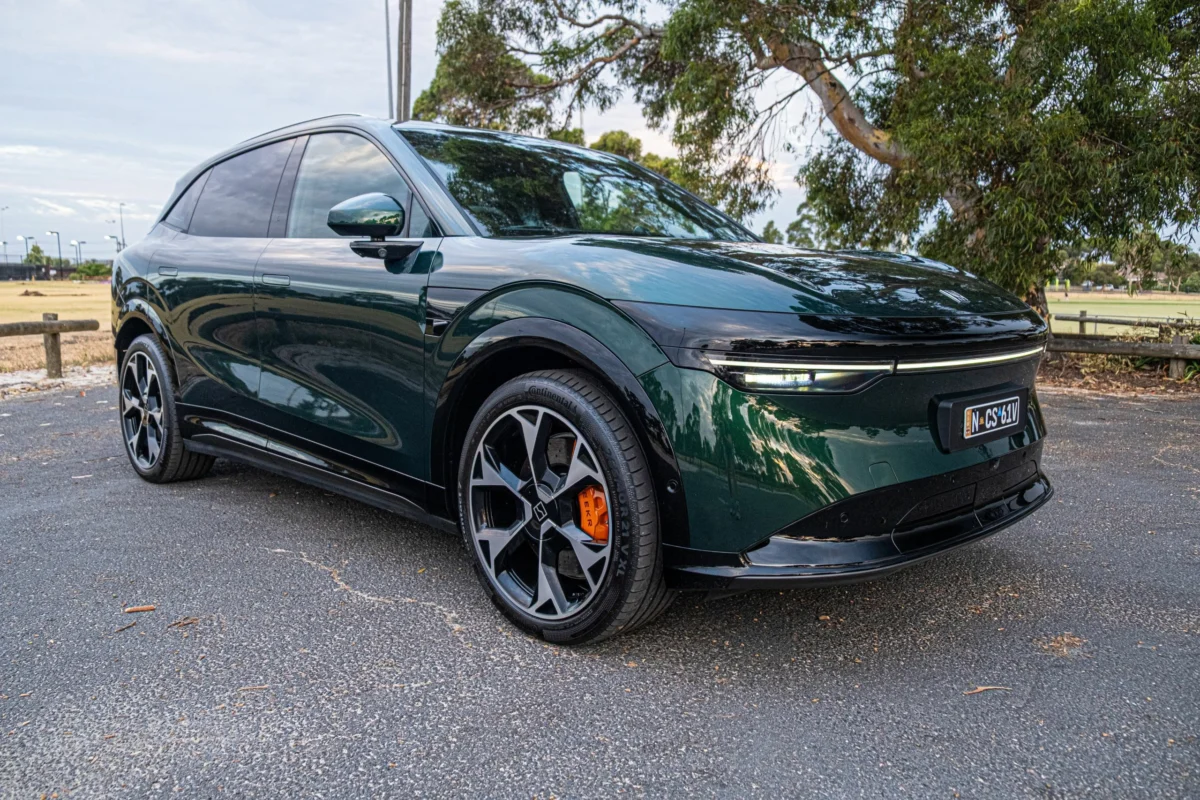
Geely’s high-end electric brand, Zeekr, is currently navigating a pivotal transition in its corporate strategy. While the company has spent the last several years cementing its reputation as a manufacturer of cutting-edge, ultra-luxury electric vehicles—exemplified by the 9X and the 009 MPV—recent signals from executive leadership suggest that the brand is eyeing the rugged, utilitarian landscapes of the off-road SUV and pickup truck markets.
During a recent interview with Australian media, Zeekr Vice President Mars Chen disclosed that the company is actively researching the viability of entering the hardcore off-road segment. This move, while still in the "internal discussion" phase, marks a significant departure from the brand’s traditional focus on sleek city aesthetics and high-speed touring performance.
The Strategic Shift: From Urban Sophistication to Trail Dominance
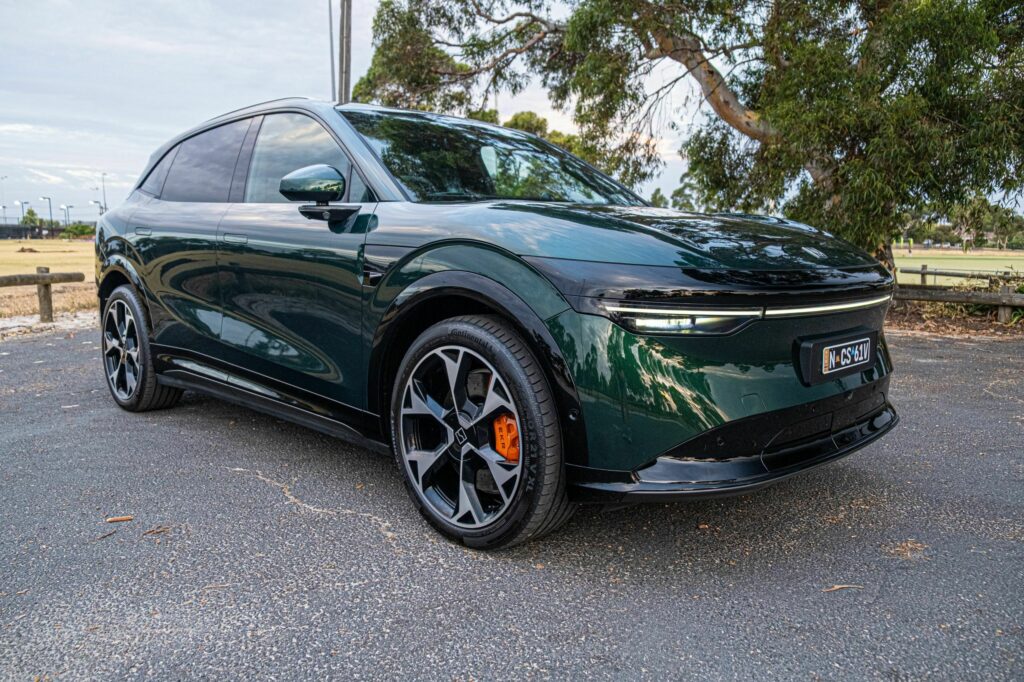
For years, the Zeekr brand identity has been defined by its "tech-luxury" positioning. Models such as the X, 7X, and 8X have been lauded for their minimalist design language, advanced autonomous driving suites, and refined cabin environments. However, the global automotive market is currently witnessing a surge in demand for "lifestyle" vehicles—specifically those that blend electric performance with the rugged durability of traditional body-on-frame SUVs.
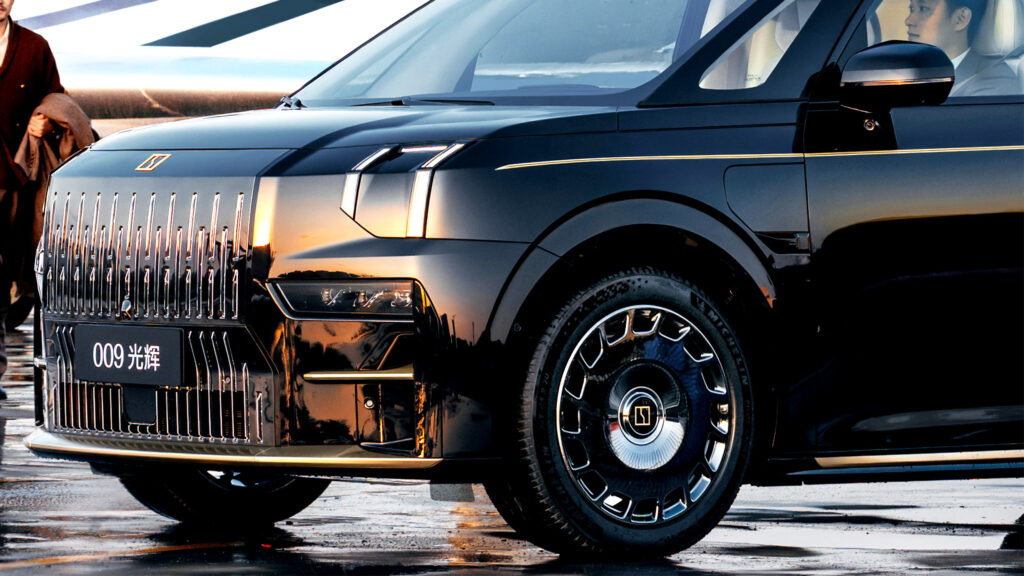
Mars Chen’s comments indicate that Zeekr is not blind to this shift. "Off-road hardcore SUV is definitely one direction," Chen stated. This public admission serves as the strongest signal yet that the Geely-backed powerhouse intends to challenge the established players, including the growing influence of BYD’s sub-brands.
Chronology of Zeekr’s Expansion
To understand why a move into the off-road segment is logical for Zeekr, one must look at the rapid evolution of the brand’s product pipeline:
- 2021-2023: Zeekr establishes itself as a premium EV player with the 001 and the 009, targeting the luxury sedan and MPV markets.
- 2024: The brand begins international expansion, testing the waters in Europe and Southeast Asia with high-performance electric crossovers.
- 2025: The introduction of the Zeekr 9X changes the brand’s perception, showcasing 1,381-hp capabilities and hybrid technology that rivals the most expensive European luxury SUVs.
- 2026 (Present): Zeekr leadership confirms that research is underway for specialized off-road architecture, signaling a diversification strategy aimed at capturing the outdoor-lifestyle consumer base.
The Competitive Landscape: Challenging BYD and Beyond
The primary motivation for this potential expansion appears to be the aggressive growth of BYD’s premium off-road arm, Fangchengbao. With the success of the Bao 5 and the more robust Bao 8—both of which directly target the Land Rover Defender demographic—BYD has created a blueprint for success that utilizes advanced hybrid systems to offer both luxury and extreme capability at a price point that undercuts legacy European marques.

Zeekr faces the challenge of differentiation. If they choose to build a "G-Wagen" style vehicle, they must overcome the engineering hurdles of maintaining high-speed electric efficiency while ensuring the structural integrity required for rock crawling and deep-water fording. As Chen noted, the current Zeekr 9X and 8X possess "some capability," but they are essentially road-biased platforms. A dedicated off-roader would require a clean-sheet design, likely incorporating advanced torque vectoring, adaptive suspension, and specialized battery protection systems.
The Pickup Truck Conundrum: A Disruptive Opportunity
Perhaps the most surprising revelation from the recent discourse is Zeekr’s interest in the pickup truck market. The global pickup segment is currently experiencing a technological renaissance. The arrival of vehicles like the BYD Shark 6 has demonstrated that consumers are hungry for electrified utility vehicles that do not compromise on power or payload.
"We want to redefine every segment," Chen said during his discussion with Drive. "We will check on how disruptive we can be if we enter."

This rhetoric suggests that if Zeekr does enter the pickup segment, it will not be with a conventional work truck. Instead, the brand is likely looking at the "lifestyle truck" category—a vehicle that serves as a mobile command center, a rugged adventure machine, and a luxury executive transport all in one. By leveraging its existing 800V architecture and high-output electric motor expertise, Zeekr could potentially launch a truck with towing and acceleration figures that would leave traditional combustion-engine rivals in the dust.
Technical Foundations: The Power of the 9X
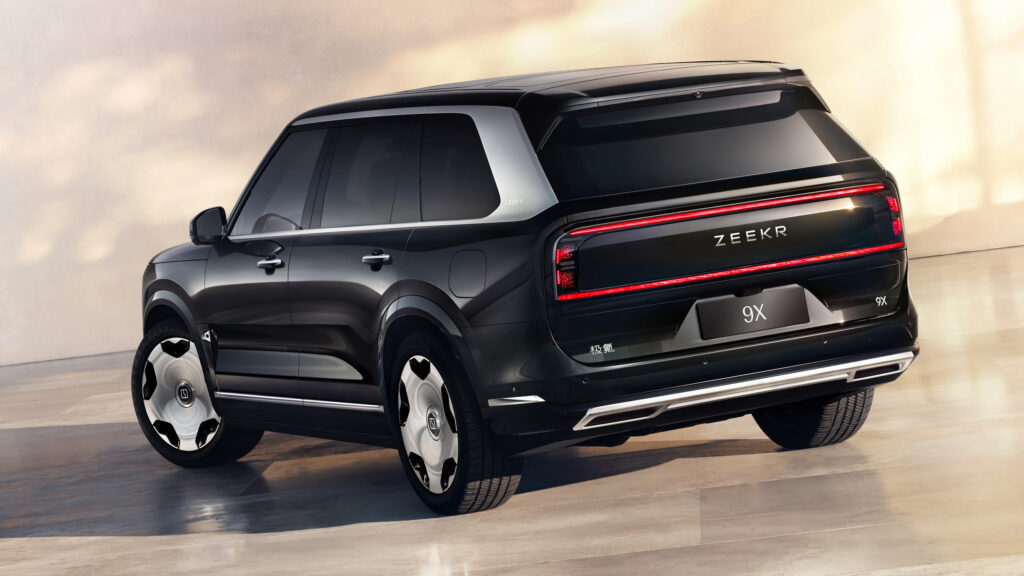
While the off-roader and the pickup remain speculative, the benchmark for Zeekr’s engineering prowess is already set by the 9X. Unveiled as a high-performance hybrid, the 9X utilizes a 2.0-liter turbocharged four-cylinder engine paired with a multi-motor electric drive system.
In its most potent configuration, the 9X produces an astounding 1,381 horsepower. This level of power density is exactly what a brand like Zeekr would need to enter the off-road space. An electric-hybrid powertrain provides the instant, precise torque delivery necessary for crawling over uneven terrain, while the internal combustion element ensures that range anxiety—a major deterrent for off-road enthusiasts—is effectively neutralized in remote areas.
Implications for the Global Market
If Zeekr moves forward with an off-road SUV or a pickup, the implications for the global automotive industry will be profound:
1. Market Saturation and Pricing Pressure
The entry of a high-end Chinese brand into the luxury off-road space will put significant downward pressure on the pricing of legacy manufacturers. European brands like Mercedes-Benz, Land Rover, and Toyota have historically commanded high margins in the rugged SUV segment. A technologically superior Zeekr model, offered at a competitive price point, could force a market-wide price correction.
2. The Normalization of Electric Off-Roading
For years, the off-road community has been skeptical of electrification. However, the precision of software-controlled electric motors offers a level of control that mechanical differentials simply cannot match. If Zeekr can successfully market an off-roader that is both "hardcore" and "premium," it will help transition the broader market toward the acceptance of electric power for adventure travel.
3. Supply Chain and Infrastructure
Geely’s vast supply chain, which includes access to Lotus’s chassis engineering and Volvo’s safety standards, provides Zeekr with a unique advantage. Developing an off-roader from the ground up is expensive, but for a group as vertically integrated as Geely, the barrier to entry is significantly lower than for a startup.
Conclusion: The Road Ahead
As of now, Zeekr’s plans remain in the research and development phase. The company is currently engaged in the delicate task of balancing brand dilution against market expansion. Entering the off-road segment is a bold move, but it is one that aligns with the brand’s stated mission to "redefine every segment."
While fans and industry observers wait for an official prototype or a production confirmation, the message from Zeekr is clear: the brand is no longer content to simply build the best electric sedan or the most comfortable MPV. The ambition is to dominate every corner of the market, whether that be a paved city street or the most challenging mountain pass. If the current trajectory of the 9X is any indication, when Zeekr does decide to go off-road, they will do so with the kind of power, precision, and technological disruption that competitors cannot afford to ignore.
