

A hammer is arguably the most recognizable tool in the human arsenal, a foundational instrument that has defined the progress of construction, artistry, and engineering for millennia. Whether you are a weekend DIY enthusiast hanging a picture frame or a professional contractor framing a residential structure, the hammer remains a non-negotiable staple of the toolbelt. However, the misconception that a single hammer can tackle every task is a trap that leads to damaged materials, inefficient workflows, and unnecessary physical fatigue.
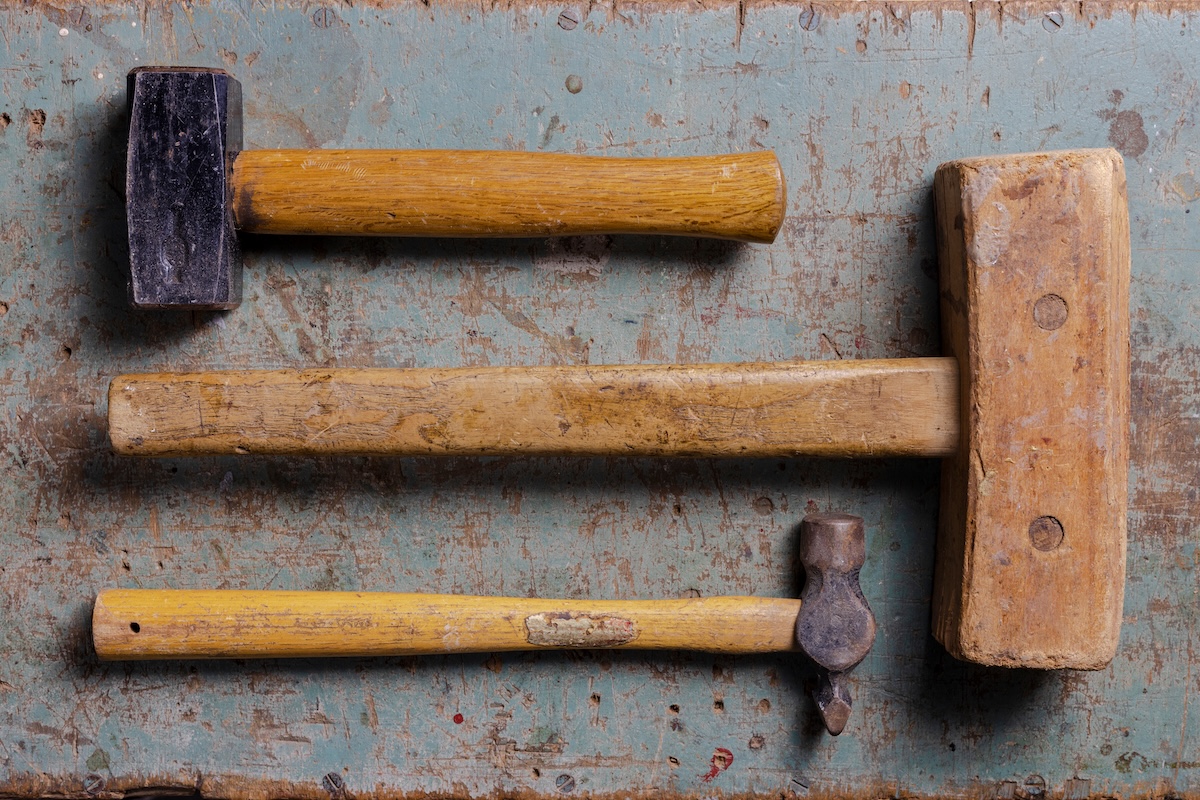
To achieve precision and professional-grade results, one must understand the nuanced differences between the various types of hammers. From the standard claw hammer to the specialized non-sparking brass mallet, selecting the right tool for the job is the hallmark of a skilled craftsperson.
Understanding the Anatomy of a Hammer
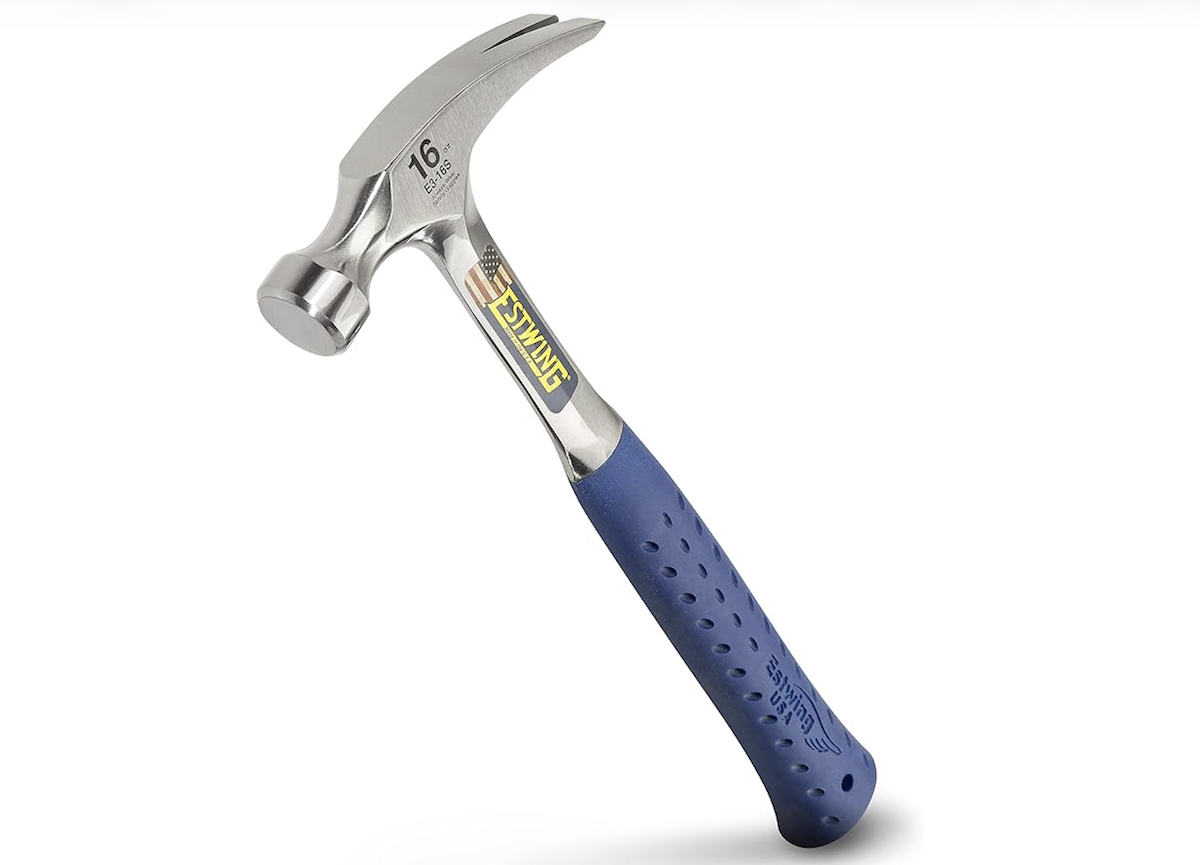
Before diving into specific types, it is essential to recognize the components that dictate a hammer’s performance. Every hammer consists of two primary parts: the head and the handle. The head includes the face (the striking surface), the neck (which connects the face to the head body), and the poll or claw (the opposite end used for prying or shaping).
The material composition of the handle—whether fiberglass, shock-absorbing steel, or traditional hickory—determines the tool’s balance and its ability to mitigate vibrations. Understanding these parts allows the user to better assess the tool’s intended use and its ergonomic impact on the user over long periods of work.
Chronology and Evolution of Striking Tools
The evolution of the hammer is inextricably linked to the evolution of human civilization. The earliest iteration, dating back millions of years, consisted of a simple stone held in the hand. As humanity transitioned from the Stone Age to the Bronze and Iron Ages, the hammer evolved into a metal-headed tool, allowing for more precise shaping of materials.
The 19th and 20th centuries saw the industrialization of hammer production, leading to the specialized designs we see today. The introduction of synthetic handle materials in the mid-20th century, such as fiberglass and high-impact polymers, revolutionized the industry by providing durability and vibration reduction that wood could not match. Today, the focus has shifted toward ergonomic design, weight-forward engineering, and specialized alloys designed for high-precision tasks.
Common Hammer Classifications for DIYers
For the average homeowner, the following five hammers constitute the "essential collection" required for general home maintenance.
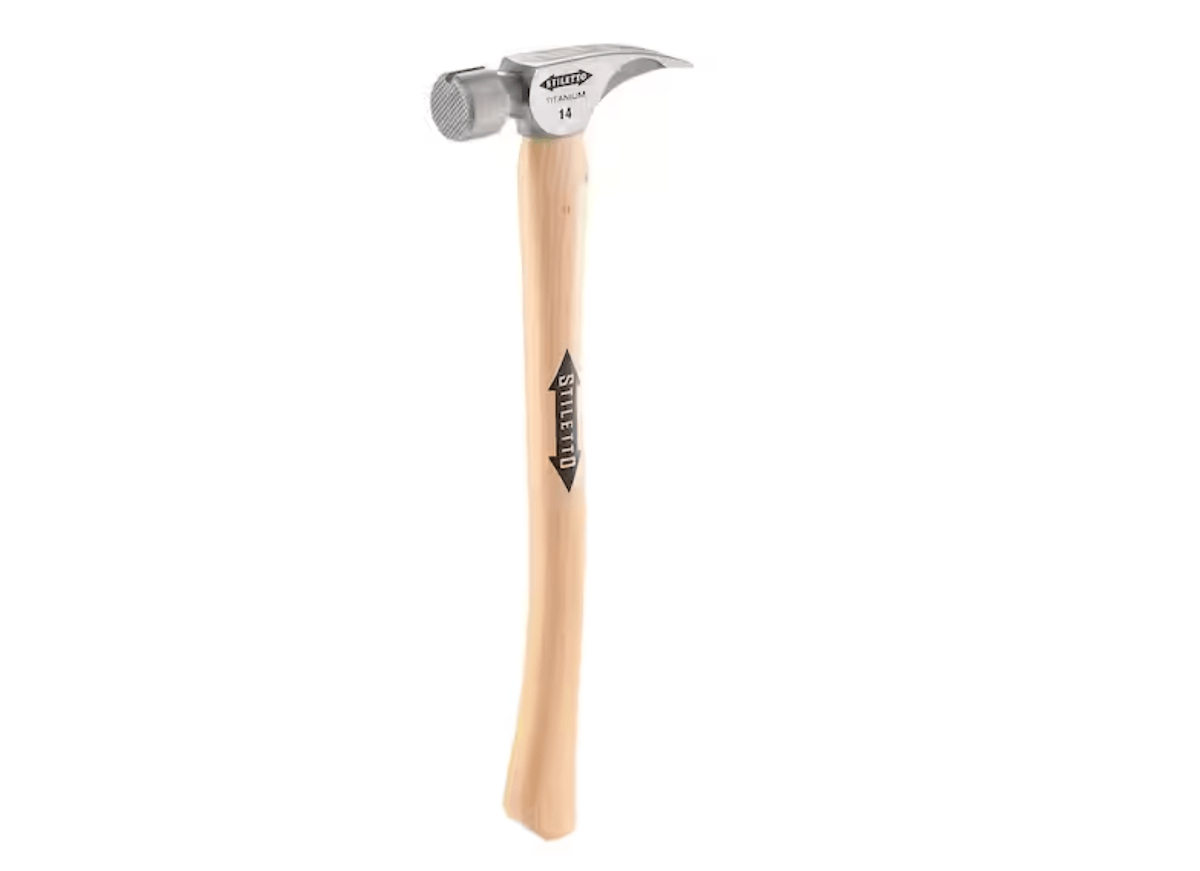
1. The Claw Hammer
The quintessential household tool, the claw hammer features a dual-purpose steel head: a flat face for driving nails and a V-shaped, curved, or straight claw for extracting them. While smaller versions are perfect for light indoor tasks, heavier "rip" or "wrecking" hammers with straight claws are favored for demolition, as the straight claw can be driven into wood to pry apart framing members.
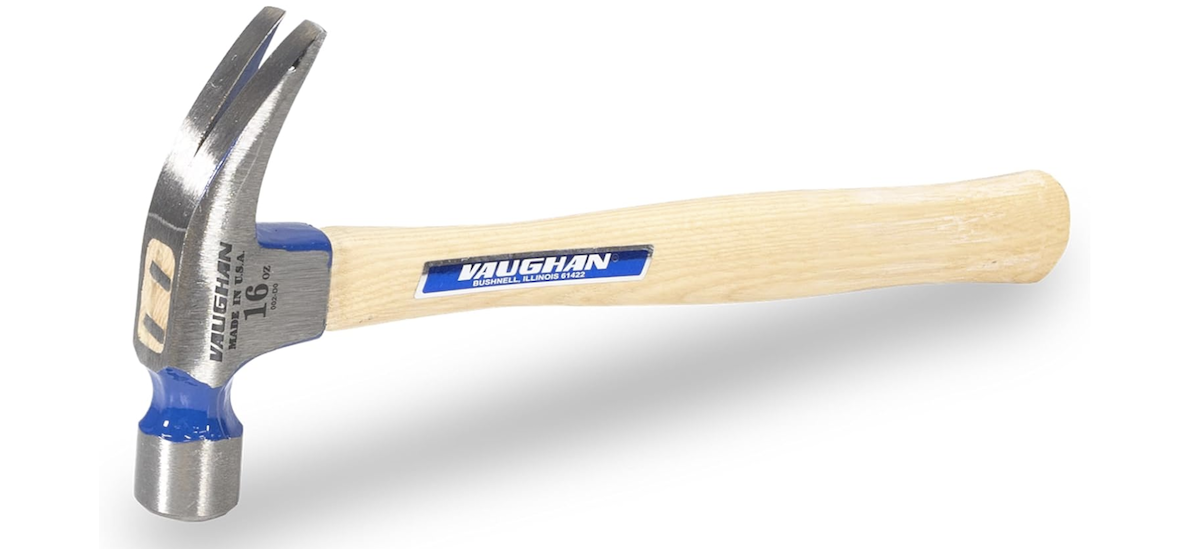
2. The Ball Peen Hammer
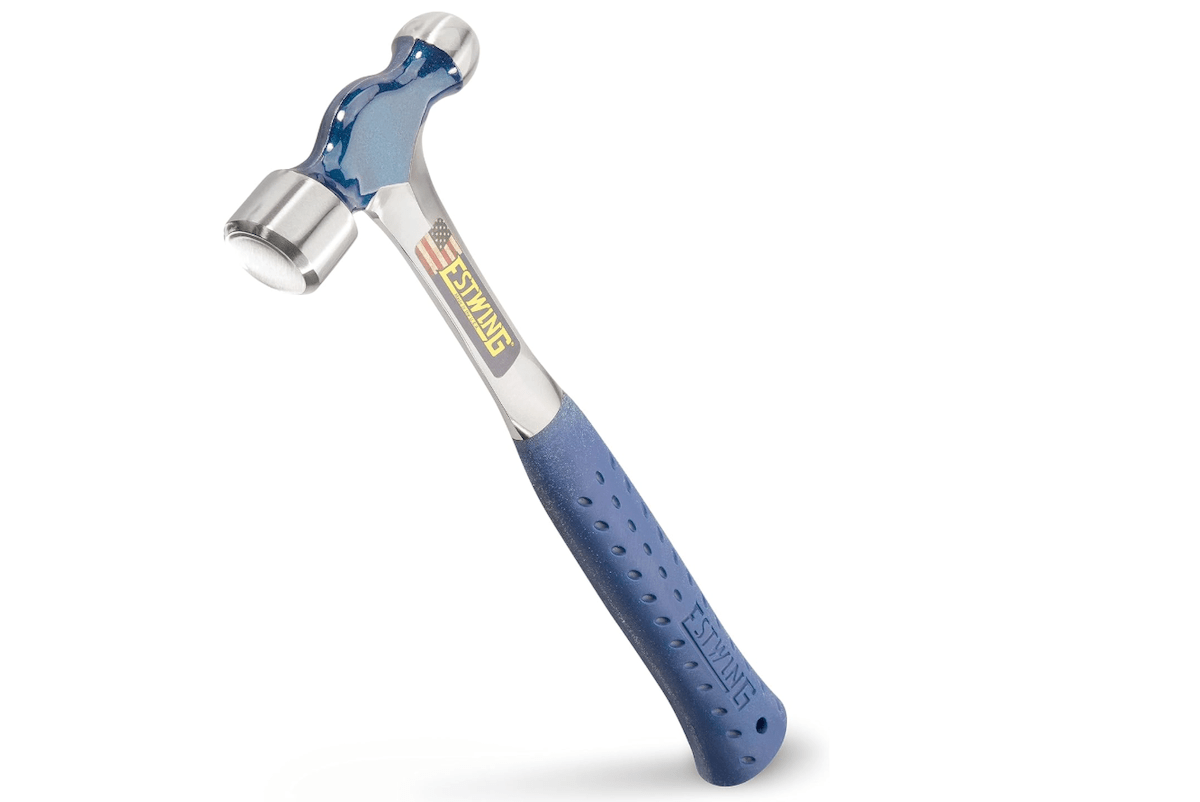
Often referred to as an "engineer’s hammer," this tool features a flat striking surface on one end and a rounded ball on the other. It is indispensable for metalwork, such as shaping copper or steel, setting rivets, and driving cold chisels. Its hardened steel head is specifically designed to resist chipping when striking other metal objects.
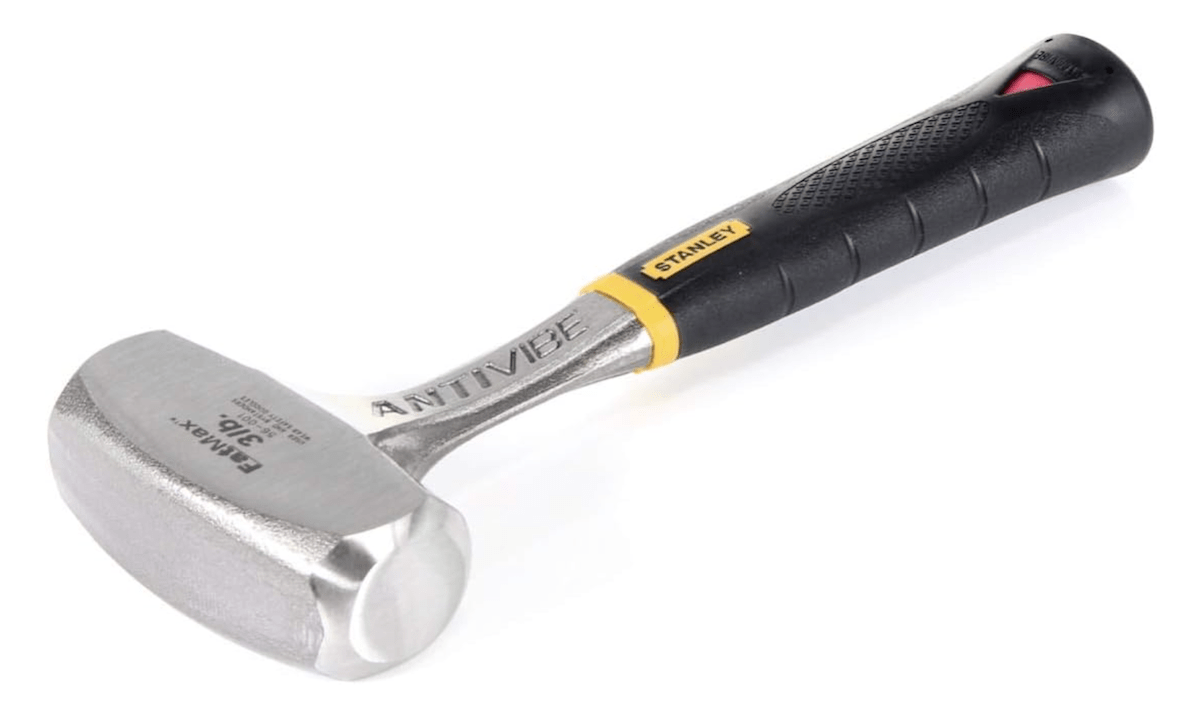
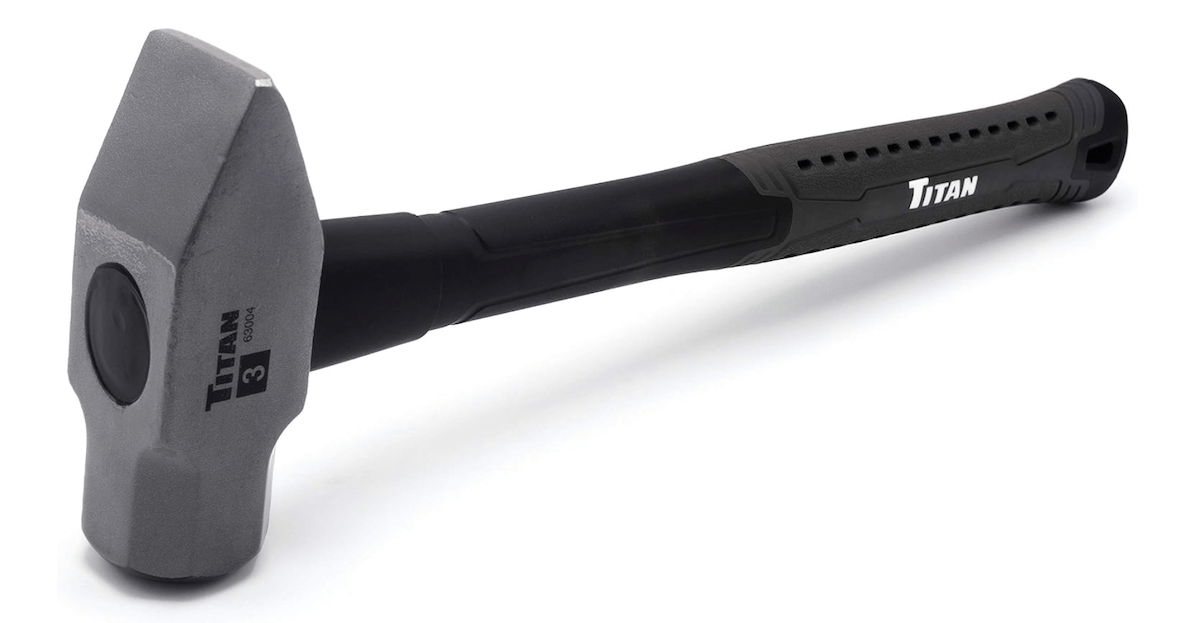
3. The Club Hammer
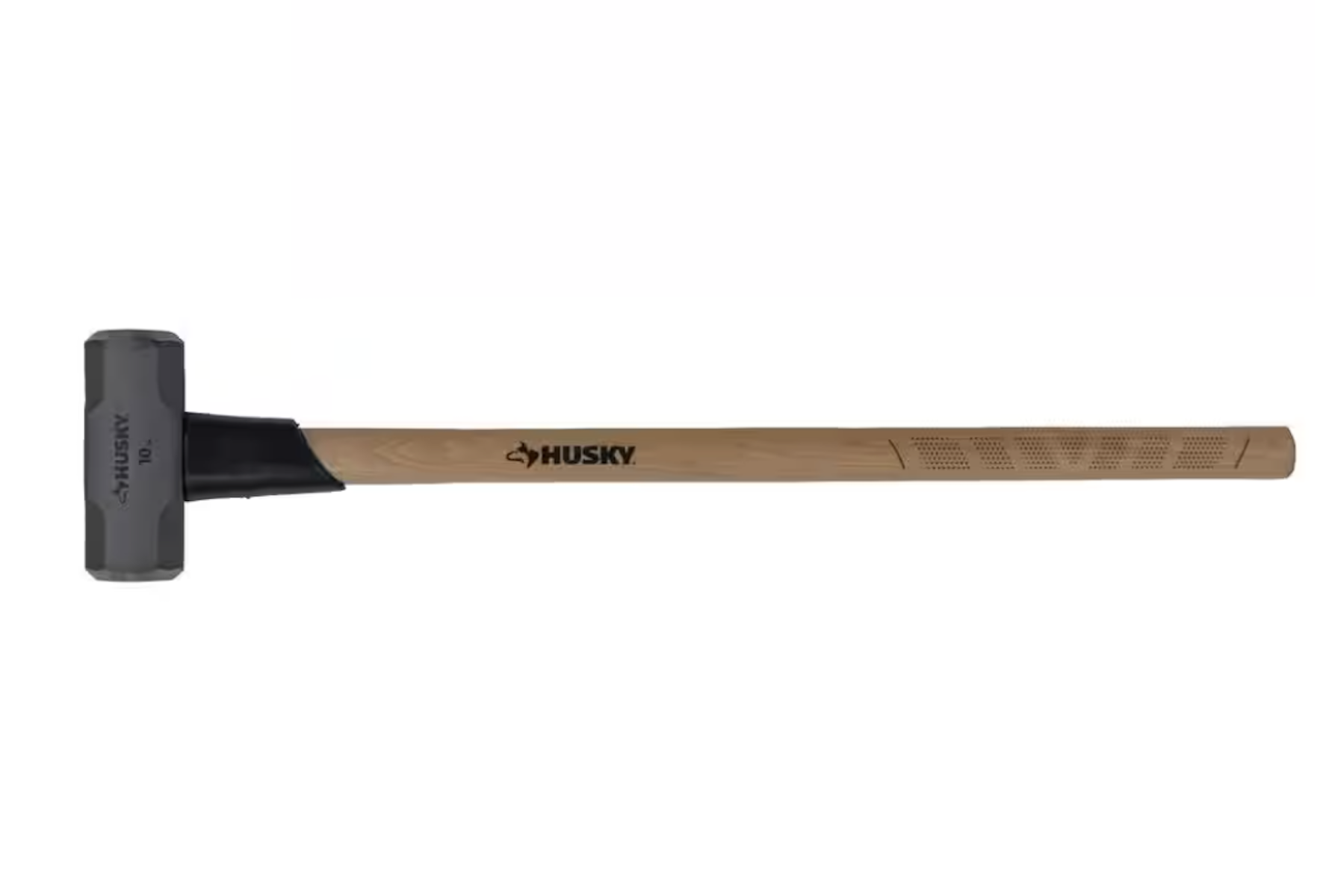
Functioning as a miniature version of a sledgehammer, the club hammer provides significant force in a one-handed package. It is primarily used for heavy-duty tasks like driving masonry chisels, demolition work, or setting large stakes into the ground.
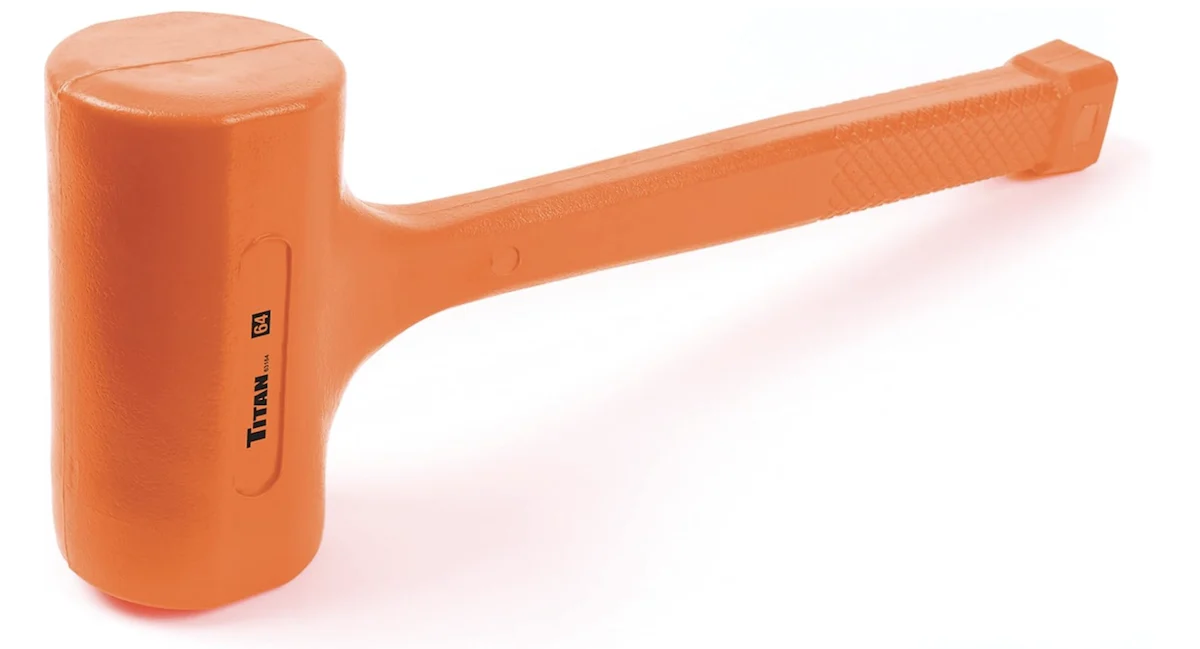
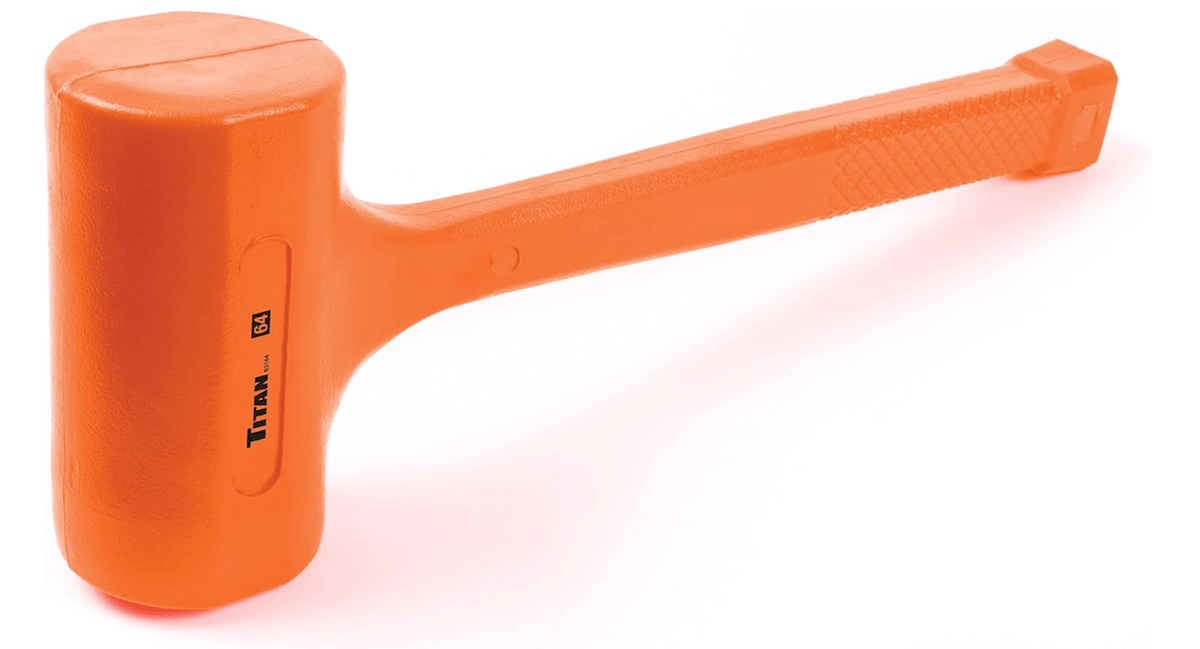
4. The Dead Blow Hammer
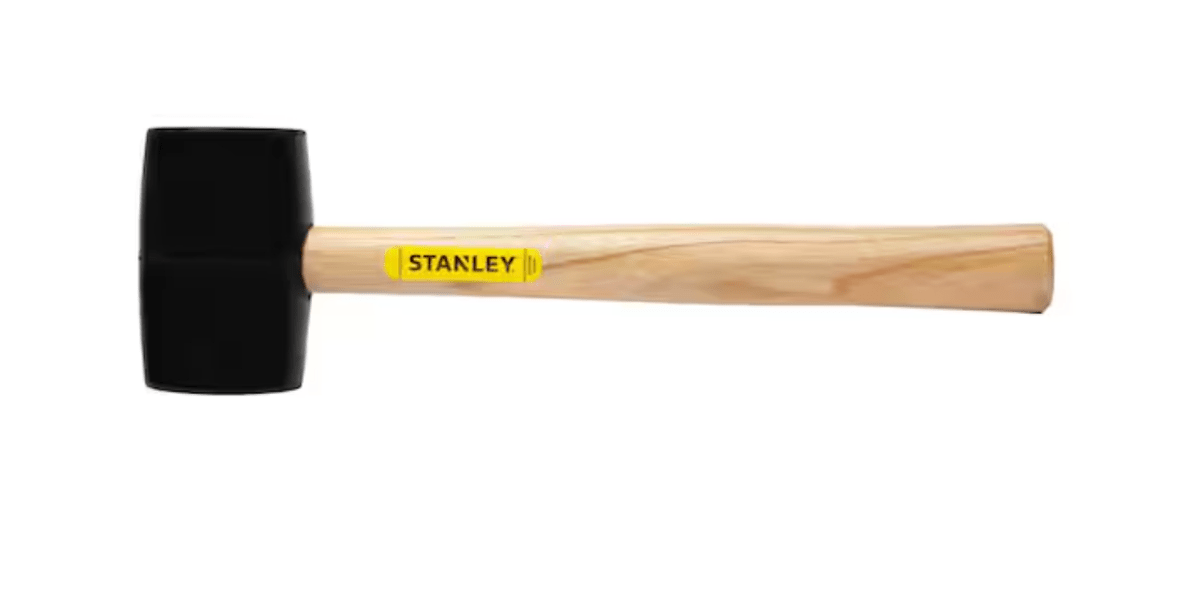
When the objective is to move or adjust a workpiece without marring the surface, the dead blow hammer is the gold standard. Filled with sand or steel shot, the head minimizes "bounce-back" upon impact, effectively transferring all kinetic energy into the strike. It is a critical tool for automotive repair and fine woodworking.
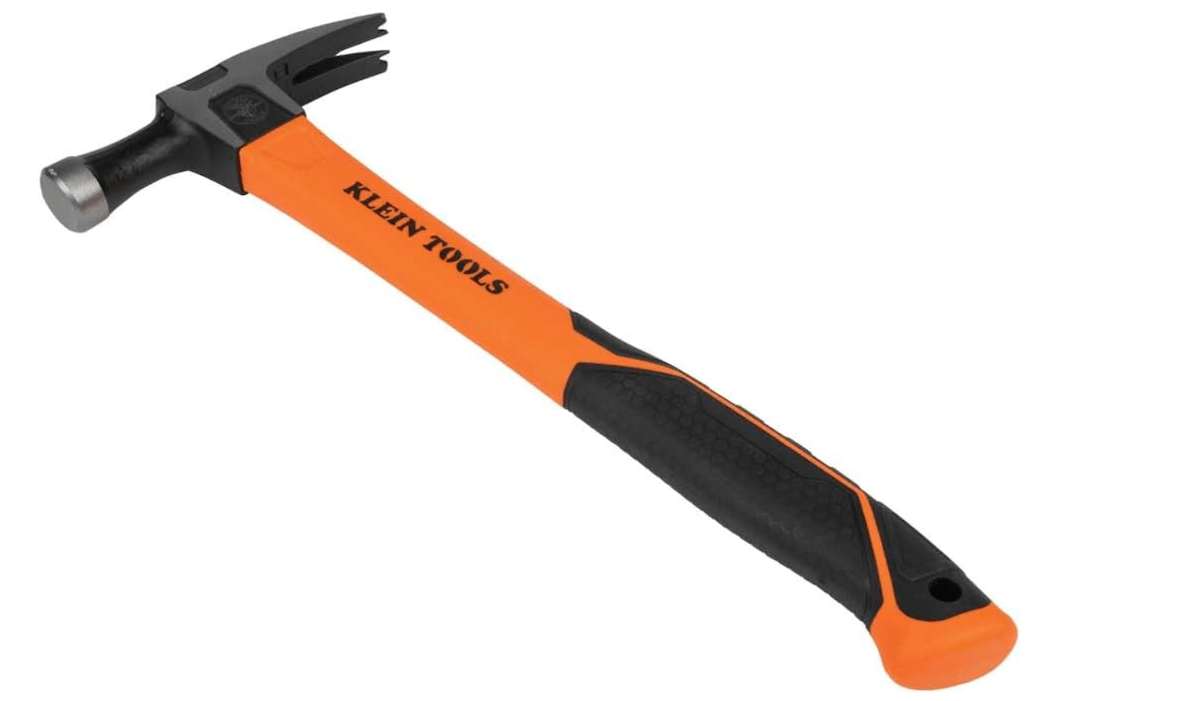
5. The Electrician’s Hammer
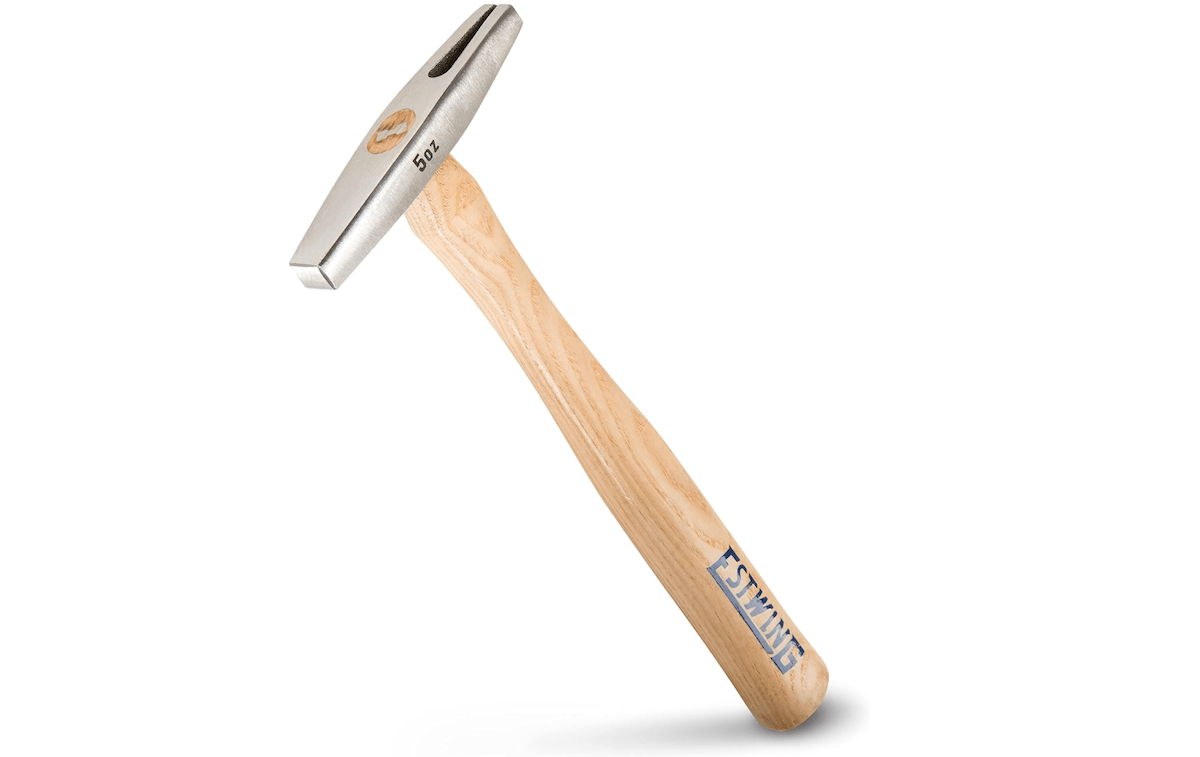
Designed specifically for the electrical trade, these hammers feature non-conductive fiberglass handles to protect the user from accidental shocks. Their elongated necks are designed to reach into confined spaces, such as inside electrical boxes, to drive staples or secure hardware.
Specialty Hammers: When Precision is Paramount
Beyond general-purpose tools, the professional world relies on highly specific hammers designed for unique material behaviors.
- Tack Hammers: Ultra-lightweight tools featuring magnetic heads that allow the user to set tiny upholstery tacks with one hand.
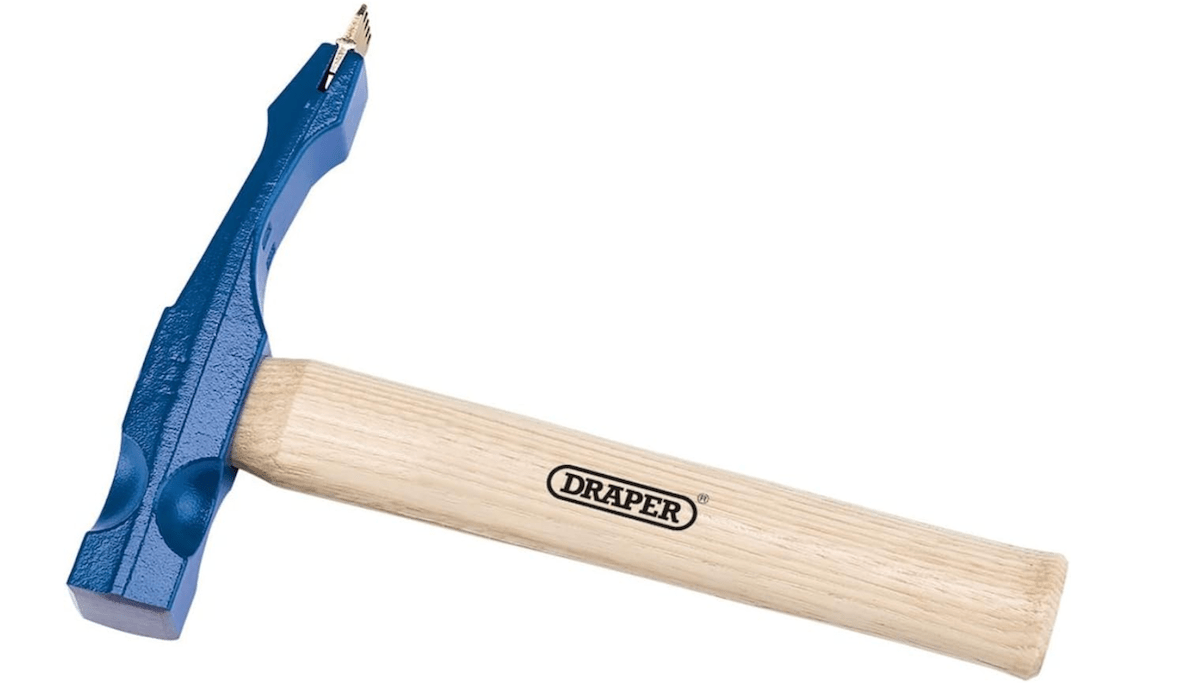
- Brick/Scutch Hammers: Essential for masonry, these feature a flat face and a slot for a "scutch comb," allowing for the precise cutting and dressing of bricks.
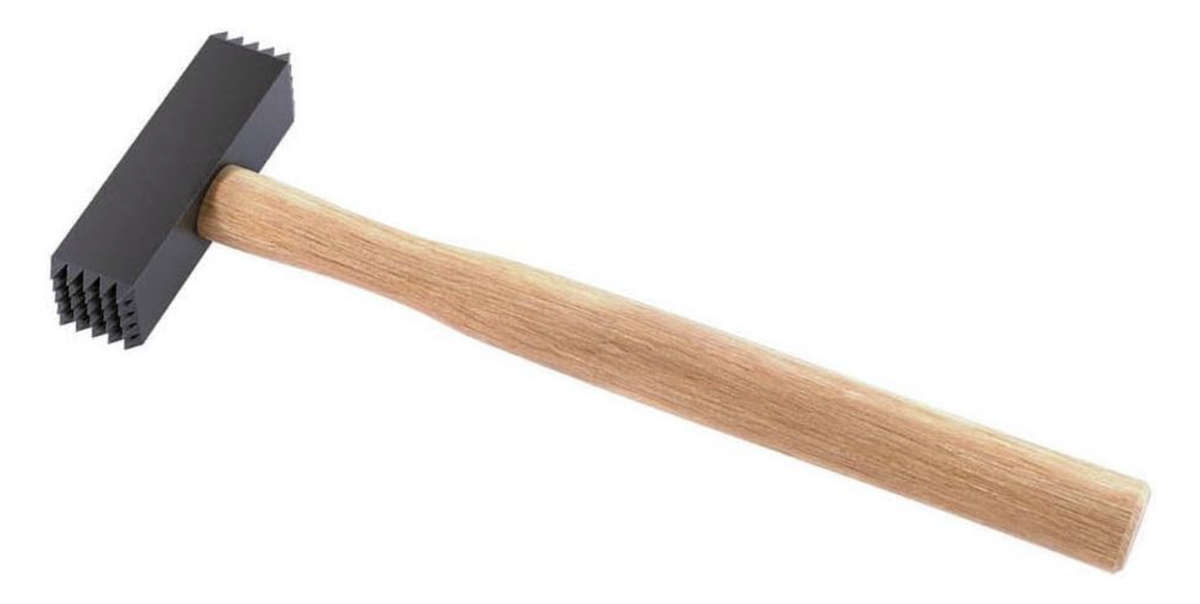
- Bush Hammers: These feature a serrated or "toothed" face, used to texture concrete surfaces, providing better traction or aesthetic finish.
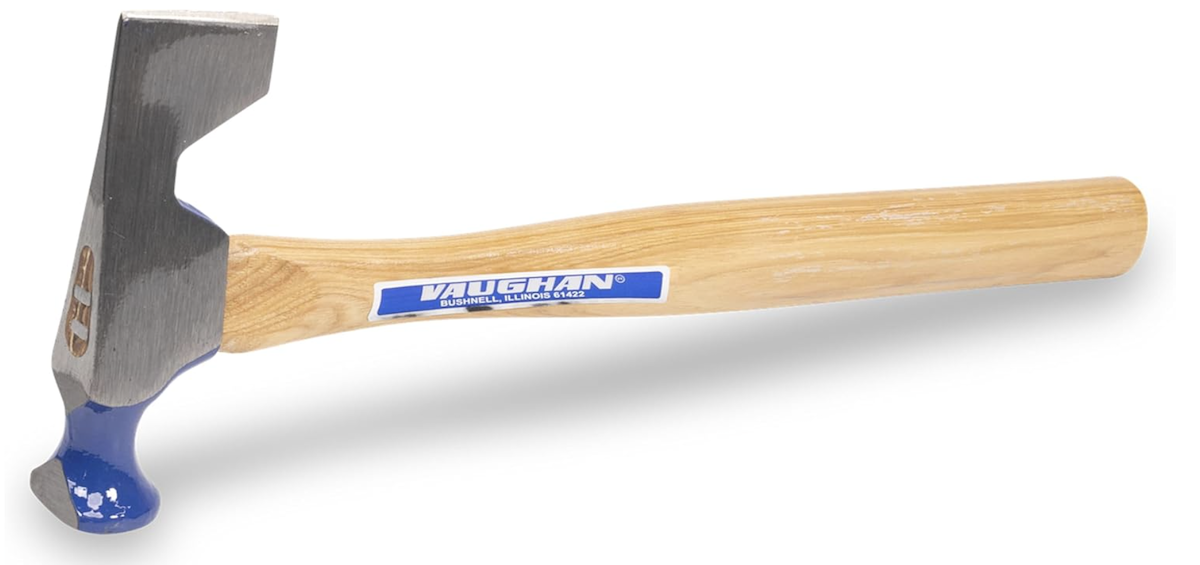
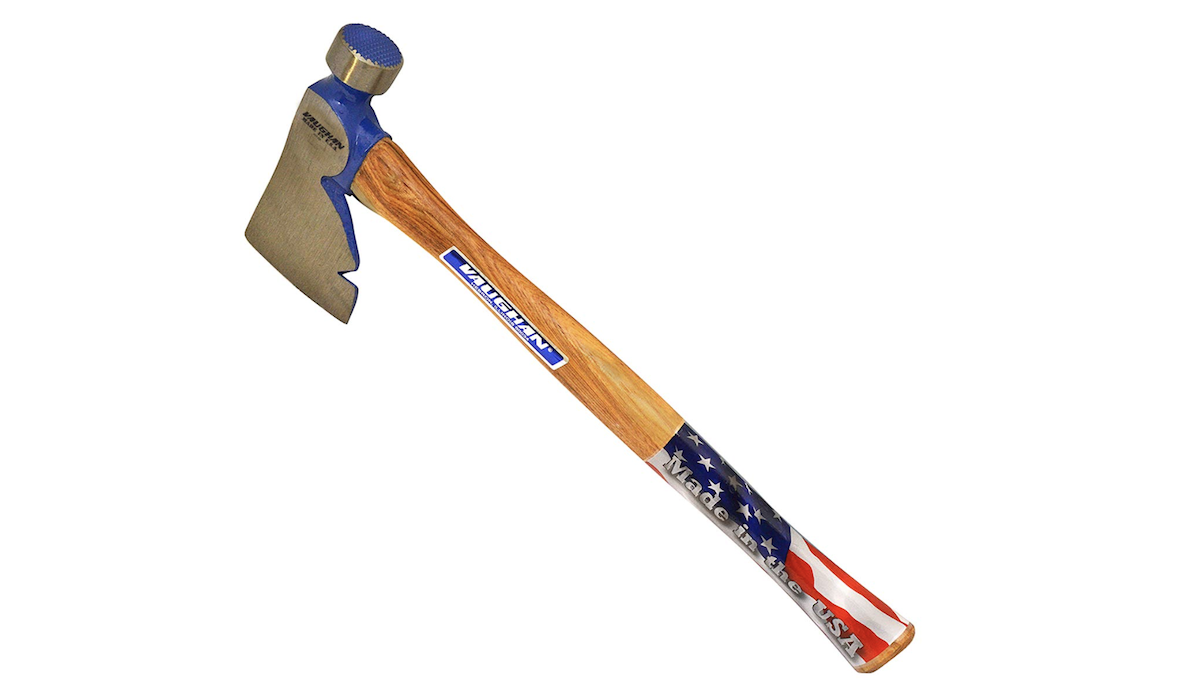
- Drywall Hammers: Characterized by a hatchet-like blade used for scoring gypsum board and a cross-hatched face that creates the perfect dimple for fasteners.
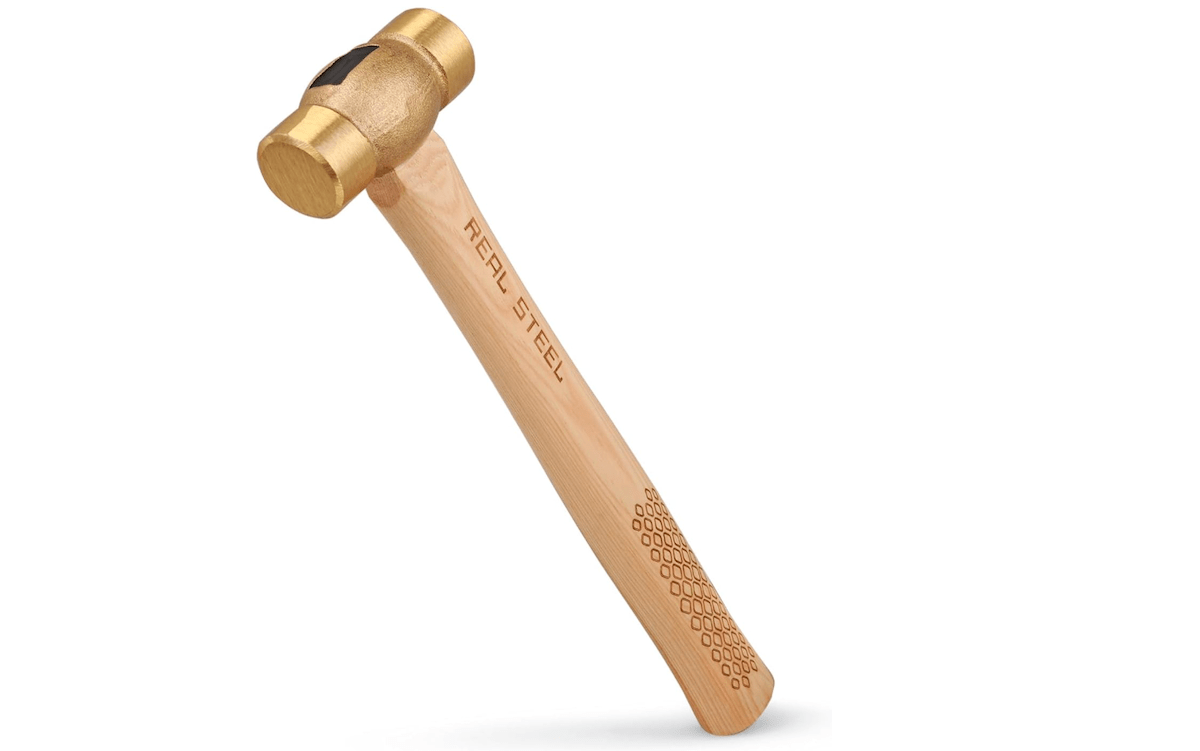
- Brass Hammers: Non-sparking tools used in volatile environments where the strike of a steel hammer could trigger an explosion (e.g., near fuel lines).
Implications of Improper Tool Selection
Using the wrong hammer has measurable negative impacts on both the project and the user. The most common implication is material damage. For instance, using a waffle-faced framing hammer on delicate trim will leave permanent, unsightly marks. Conversely, using a lightweight trim hammer to drive large framing nails will lead to physical strain and a failure to properly seat the nail.
Furthermore, ignoring tool safety—such as using a hammer with a loose head or a cracked handle—poses a significant injury risk. Professional safety standards dictate that striking tools must be inspected before every use. A head that detaches during a high-force swing can result in catastrophic workplace accidents.
Best Practices for Storage and Maintenance
To ensure the longevity of your tools, storage is just as important as usage.
- Avoid Humidity: While metal heads are durable, wooden handles are susceptible to rot and moisture-induced warping.
- Keep it Clean: After use, wipe down heads to remove debris, especially after using tools for masonry or concrete work, as grit can cause premature wear on the striking face.
- Hanging Storage: Use wall-mounted racks to keep hammers off the floor. Storing them in a drawer often leads to damaged handles or chipped faces due to contact with other heavy metal tools.
Expert Recommendations for the Modern Toolkit
Industry experts, including those from organizations like the Tool of the Year committee, emphasize that quality should always take precedence over quantity.
- For the DIYer: A 16-ounce smooth-face claw hammer is sufficient for 90% of home tasks.
- For the Pro: Investing in high-grade, forged steel or titanium hammers reduces long-term physical fatigue through superior vibration dampening.
Conclusion: The Right Tool for the Lasting Job
The hammer remains the most versatile tool in the human repertoire. By understanding the mechanical differences between a dead blow hammer and a ripping claw, you are not just acquiring equipment; you are gaining the ability to control force with precision. Whether you are restoring an antique or building a new structure from the ground up, the right hammer is an extension of your own hand. Invest in quality, prioritize safety, and match the tool to the task to ensure that every strike is as effective as possible.
As we look toward the 2025 landscape of hand tools, the focus continues to be on material science—lighter alloys that hit with the force of heavy steel—proving that even the oldest tool in the shed is still capable of innovation.
