

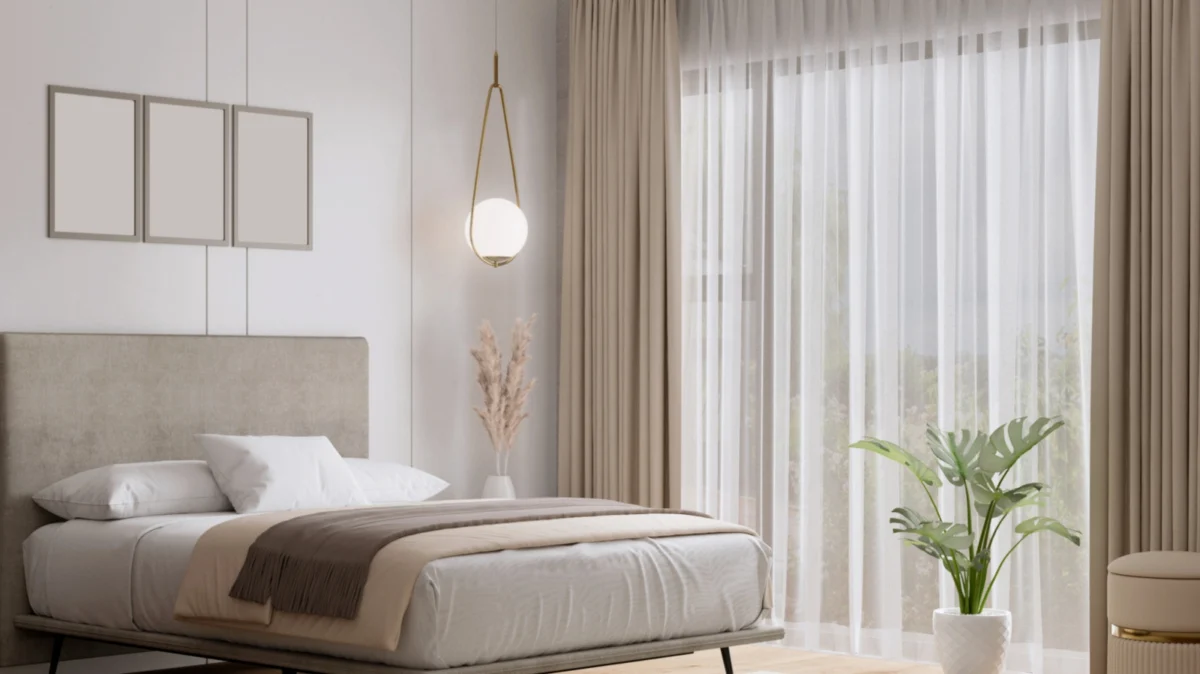
In the realm of interior design, the bedroom is often the most challenging space to optimize. While it serves as the primary sanctuary for rest, it is frequently burdened by the geometric constraints of traditional furniture. The standard nightstand, while functional, often introduces a bulky footprint that crowds walkways, creates visual clutter, and renders the space beneath the bed inaccessible. As urban living spaces continue to shrink, interior designers and DIY enthusiasts are turning toward innovative, unconventional solutions.
Enter the IKEA TRONES shoe storage cabinet—a versatile, wall-mounted unit that has transcended its original purpose to become a cornerstone of modern, space-saving bedroom architecture. By repurposing this modular entryway essential, homeowners are discovering a way to reclaim square footage while simultaneously enhancing storage capacity.
The Core Concept: Reimagining Utility
The TRONES cabinet was initially designed as a slim, stackable solution for narrow hallways, intended to keep footwear out of sight. However, its dimensions—specifically its shallow depth and vertical orientation—make it an ideal candidate for "hidden" storage behind or beside a bed.
The primary appeal of the TRONES unit lies in its minimalist aesthetic and modular nature. Because the cabinets can be mounted to the wall, they eliminate the "floor-clutter" effect that traditional nightstands or dressers create. By shifting storage from the floor to the wall, residents can create a cleaner, more spacious environment that feels significantly larger than its actual dimensions suggest.
Chronology: The Evolution of the TRONES Hack
The transition of the TRONES from a utilitarian shoe rack to a bedroom staple did not happen overnight. The evolution can be categorized into three distinct phases:
Phase 1: The Discovery (2010–2015)
Early adopters of IKEA hacks began experimenting with the TRONES during the mid-2010s. During this period, the hack was largely confined to niche interior design forums and early Pinterest boards. Users identified that the dimensions of the unit were perfectly suited to fit into the "dead zones" of small apartment bedrooms, particularly behind standard headboards or in the narrow gaps between the bed frame and the wall.
Phase 2: The Social Media Surge (2016–2020)
With the rise of platforms like Instagram and TikTok, the visual nature of the "before-and-after" transformation caught the eye of the mainstream DIY community. Influencers began documenting the process of creating "floating" headboards using multiple TRONES units. This period marked the shift from simple storage to a design aesthetic, where the cabinets were painted, topped with custom wood planks, or integrated into full-room storage systems.
Phase 3: The Professional Adoption (2021–Present)
Today, interior designers frequently suggest the TRONES unit as a budget-friendly solution for staging small studios or guest rooms. It is no longer considered a "cheap fix" but rather a strategic design choice that emphasizes efficiency and modern minimalism.
Supporting Data: Why It Works
The technical specifications of the TRONES cabinet provide a compelling argument for its use in bedroom environments:
- Dimensions: Each unit measures approximately 20.5 inches in width. A standard queen-sized bed is roughly 60 inches wide. By aligning three units horizontally, one can achieve a near-perfect match to the width of the bed, creating a cohesive, custom-built look for less than $120.
- Depth and Accessibility: At roughly 7 inches deep, the unit provides enough internal volume for books, chargers, linens, and accessories without protruding into the room’s primary circulation path.
- Weight Capacity: When properly mounted into wall studs, the TRONES can support significant weight, making it a reliable repository for heavy items that would otherwise clutter a bedroom floor.
- Cost-Efficiency: At roughly $40 per pair, the price point offers a substantial cost savings compared to purchasing two high-end nightstands or a custom-built headboard.
Installation Protocols: Professional Best Practices
While the installation of a wall-mounted unit may appear straightforward, professionals emphasize the importance of structural integrity.
Structural Mounting
The most critical factor is the choice of wall surface. Wherever possible, the units should be screwed directly into wall studs. If the desired layout does not align with stud spacing, high-quality wall anchors are non-negotiable. Using the correct drill bit size ensures the anchor expands properly within the drywall, preventing the unit from pulling away from the wall over time.
The "Operating Height" Rule
One common oversight is installing the cabinets too low. Because the TRONES features a tip-out door, there must be enough clearance between the floor (or the top of the mattress) and the unit to allow the door to swing open fully. Failing to account for this clearance renders the storage unit inaccessible, essentially turning it into a wall-mounted box that cannot be used.
Aesthetic Integration
To elevate the look of the TRONES beyond its industrial, plastic roots, many designers utilize "topping." By securing a custom-cut, stained piece of pine, oak, or walnut to the top of the cabinet array, the unit gains a cohesive, high-end finish. This top shelf also provides a surface for bedside essentials, such as a lamp, a glass of water, or a smartphone charging station.
Implications for Future Interior Design
The trend toward using the TRONES as a headboard alternative reflects a broader shift in residential interior design: the move toward "multifunctional architecture." As urban density increases, the traditional, single-purpose piece of furniture is becoming a luxury that many cannot afford in terms of space.
The Death of the "Single-Use" Furniture
The success of this IKEA hack highlights a growing consumer preference for modularity. Homeowners want furniture that can grow, shrink, and adapt as their living situations change. The TRONES cabinet is a quintessential example of this flexibility; it can be a shoe rack in a hallway today, a bedside table in a bedroom tomorrow, and an office organizer in a study a year later.
Sustainability and Consumption
Furthermore, there is an implicit sustainability argument here. By repurposing an affordable, mass-produced item rather than purchasing bespoke, high-end furniture that may not fit in a future home, consumers are reducing the cycle of furniture waste. This "hacking" culture encourages a creative engagement with one’s environment, fostering a sense of ownership over the space that pre-built, static furniture often fails to provide.
The Psychological Impact of Organized Spaces
Finally, the psychological benefits of removing "visual noise" from the bedroom cannot be overstated. A room filled with excess furniture—bulky nightstands, overflowing dressers—can contribute to feelings of anxiety and restlessness. By moving storage into the wall and creating a streamlined, uncluttered look, the bedroom returns to its primary function: a place for mental and physical rejuvenation.
Conclusion
The IKEA TRONES hack is more than a simple DIY project; it is a manifestation of modern design philosophy. It proves that with a bit of ingenuity and careful planning, the limitations of small-scale living can be overcome. By prioritizing modularity, structural intelligence, and clean lines, homeowners can transform their bedrooms into efficient, serene sanctuaries that serve their needs without sacrificing aesthetic integrity.
Whether you are looking to declutter a cramped studio apartment or simply want to experiment with a more modern, minimalist look, the TRONES unit offers a scalable, affordable, and highly effective path forward. As we look toward the future of home organization, it is clear that the most effective solutions are not necessarily the most expensive ones, but the ones that most intelligently utilize the space we already have.
