

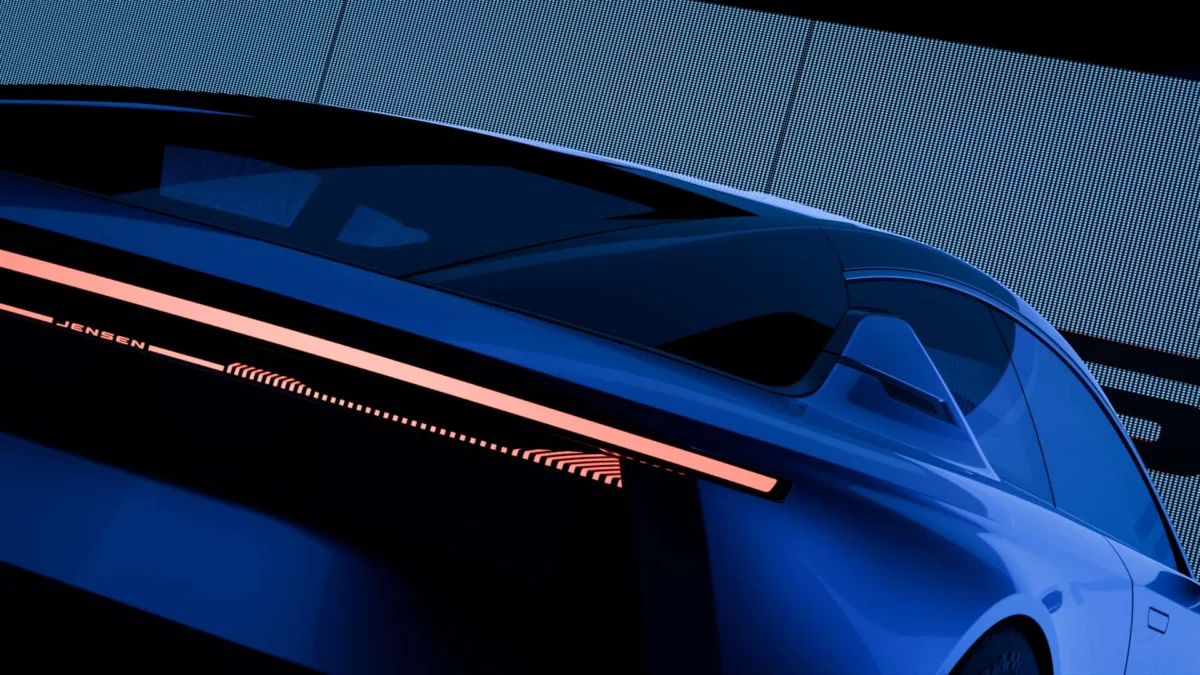
The British automotive landscape is synonymous with prestige, elegance, and raw, visceral power. Among the storied names of the mid-20th century, few hold as much cultural cachet as Jensen. Known for the grand-touring majesty of the original Interceptor, the brand left an indelible mark on enthusiasts who craved a fusion of Italian design flair and muscular American V8 performance. Now, after years of silence and speculation, Jensen International Automotive (JIA) is officially staging a comeback. The centerpiece of this revival is the newly announced Interceptor GTX, a vehicle that promises to drag the spirit of a 1960s classic into the high-octane reality of the modern era.
A Legacy Reborn: The Interceptor’s Return
The Jensen Interceptor was never just a car; it was a statement. With its distinctive wrap-around rear glass and brutalist, yet refined, aesthetic, the original model—produced between 1966 and 1976—defined the "gentleman’s express." It was a vehicle designed for crossing continents at high speeds in total comfort.
Jensen International Automotive, the company responsible for this latest resurrection, is not merely attempting a nostalgic rehash. By introducing the Interceptor GTX, JIA is positioning itself to bridge the gap between vintage charm and modern supercar performance. The project aims to honor the DNA of the original while utilizing contemporary engineering to ensure it can keep pace with modern exotics.
Chronology: From Heritage to Modernity
To understand the significance of the Interceptor GTX, one must look at the trajectory of the Jensen brand.
- 1966–1976: The original Interceptor is produced, becoming a cult classic for its Chrysler-sourced V8 engines and Vignale-designed coachwork.
- The Quiet Years: Following the brand’s original decline, the name Jensen remained dormant, existing primarily in the hands of collectors and restoration specialists.
- The Modern Rebirth: In recent years, JIA began specialized restoration work, keeping the spirit of the brand alive through high-end, restomod-style projects.
- The Present Day: With the formal announcement of the Interceptor GTX, JIA has shifted from a boutique restorer to a manufacturer of a new, track-focused performance vehicle.
- The Near Future: Development has reached the pre-production stage, with JIA utilizing a strategic release model that focuses on track-only variants before potentially exploring road-legal iterations.
The Technical Blueprint: What We Know
While JIA has been cautious about releasing a full specification sheet, the details that have emerged paint a picture of a machine built for the purist. The philosophy behind the Interceptor GTX centers on three pillars: weight reduction, high-displacement power, and an analog driving experience.
Lightweight Engineering
The original Interceptor was a heavy machine, defined by its steel body and large-displacement engine. The GTX is expected to take a drastically different approach. Reports indicate that the new model will utilize an advanced aluminum chassis and bodywork, significantly lowering the curb weight. This shift is vital; by shedding the mass of its predecessor, the GTX will likely offer a power-to-weight ratio that rivals the most formidable track cars on the market.
The Heart of the Beast
At the nose of the Interceptor GTX, enthusiasts can expect a supercharged V8 engine. This choice is a direct nod to the brand’s history, which was famously powered by Chrysler’s LA and RB-series V8 engines. By integrating a modern supercharger, JIA is ensuring that the car delivers not just the soul-stirring soundtrack of the past, but the brutal, immediate torque required for modern circuit performance.
The Analog Appeal
In an era where dual-clutch transmissions and electronic nannies dominate the supercar segment, JIA has hinted at an "analog driving experience." For the automotive purist, this is the most exciting prospect of the project. There is widespread speculation—and hope—that the GTX will be equipped with a traditional manual gearbox, putting the driver in total control of the engine’s power delivery.
Strategic Market Entry: The "Track-Only" Advantage
Perhaps the most clever aspect of JIA’s current business model is the decision to launch the Interceptor GTX as a track-only vehicle. This is not merely a performance-based choice; it is a strategic maneuver that allows the company to bypass the labyrinthine regulations required to homologate a vehicle for public roads.
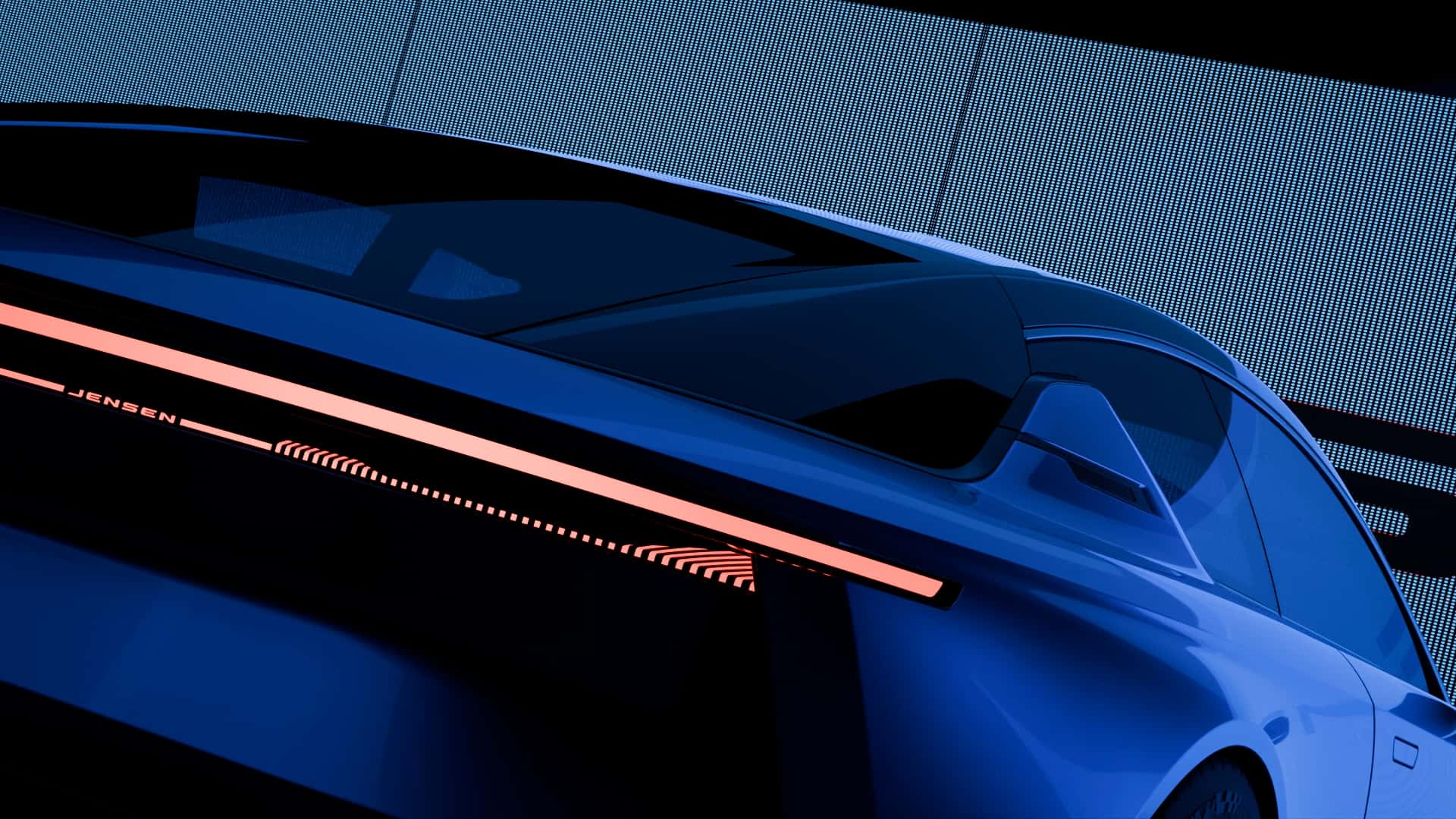
Developing a road-legal car involves years of crash testing, emissions compliance, and safety standard verification—a process that has bankrupted many boutique manufacturers. By focusing on the track, JIA can deliver the car to customers sooner, essentially allowing the initial production run to function as a fleet of "rolling prototypes."
This creates a unique feedback loop. By placing these cars in the hands of experienced enthusiasts and track-day drivers, JIA can gather real-world performance data. This data will be instrumental in refining the platform, potentially smoothing the path for a future, road-legal iteration of the Interceptor. It is a win-win: customers get early access to a bespoke, high-performance machine, and the manufacturer gets an invaluable R&D department.
Implications for the Boutique Automotive Industry
The resurrection of Jensen serves as a microcosm for the broader boutique automotive industry. In a market increasingly dominated by electrification and autonomous technology, there remains a persistent, vocal, and wealthy demographic that demands the mechanical purity of the past.
JIA’s approach suggests that the "Restomod-to-Manufacturer" pipeline is becoming a viable business model. By starting as a restoration house, they built brand equity and technical expertise before attempting to create a new vehicle. This lower-risk, high-reward strategy is likely to become a template for other struggling or defunct heritage brands looking to reclaim their place in the industry.
The Motor1.com Perspective: Capturing the Magic
The original Jensen Interceptor remains one of the most aesthetically successful cars to ever emerge from the United Kingdom. Its blend of Italian design influence—specifically the work of Carrozzeria Vignale—and American muscle-car heart created a unique identity that no other manufacturer has successfully replicated.
The challenge for Jensen International Automotive is not just in engineering a fast car; it is in capturing the "magic" of the original. The GTX needs to have the presence, the gravitas, and the sense of occasion that defined the original grand tourers. If JIA can successfully marry the raw performance of a modern track supercar with the visual elegance and emotional weight of the classic Interceptor, they won’t just be selling a vehicle; they will be selling a revival of a golden era.
Looking Forward
As the industry moves toward a future defined by software and silent motors, the Jensen Interceptor GTX represents a defiant stand for the internal combustion engine and the driver-focused experience. Whether this project leads to a wider production run or remains a niche, track-exclusive masterpiece, it is a development that demands the attention of every enthusiast.
Jensen is back, and if the early whispers are to be believed, the Interceptor is about to re-establish itself as the ultimate weapon for those who believe that driving should be an experience, not a commute. The road ahead for JIA is challenging, but with a legacy as rich as theirs, the return of the Interceptor is undoubtedly one of the most compelling stories in the automotive world today. We wait with bated breath to see the final production version of this modern-day muscle car, hoping that it delivers on the promise of its iconic nameplate.
