

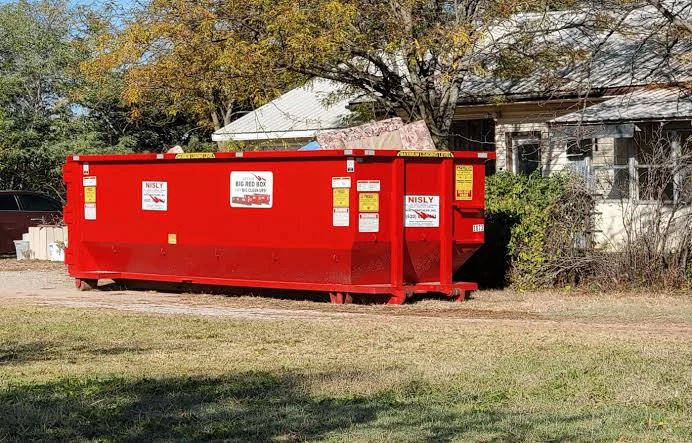
For construction firms, developers, and project managers, the modern urban landscape presents a paradox: while the demand for renovation and new construction in dense, historic, and mixed-use neighborhoods is at an all-time high, the physical space to facilitate these projects is at an all-time low. In these environments, the placement of a temporary dumpster is no longer a simple logistical decision—it is a complex, highly regulated operation that intersects with municipal codes, civil engineering, traffic management, and public liability.
When handled with foresight, waste management logistics act as the heartbeat of a job site, ensuring a steady, efficient flow of materials. When treated as an afterthought, they become a liability, leading to municipal fines, costly stop-work orders, and the erosion of a contractor’s reputation with local authorities.
The Anatomy of a Public Right-of-Way
To manage waste effectively, contractors must first understand the legal definition of a "Right-of-Way" (ROW). In most municipal jurisdictions, the public right-of-way encompasses far more than just the paved street. It typically includes sidewalks, curb lanes, alleys, parkways, and any publicly controlled access corridors.
In many high-density cities, contractors often labor under the misconception that a vacant-looking curb lane is fair game for staging equipment. In reality, this space is public infrastructure. Placing a dumpster there constitutes a temporary encroachment, which, without a valid permit, is viewed by local governments as an unauthorized occupation of city property.
Common scenarios requiring specific authorization include:
- Curb-side container placement where off-street loading zones are unavailable.
- Sidewalk bypasses, where a dumpster forces pedestrians into the street, requiring a temporary ADA-compliant walkway.
- Alleyway obstruction, which often interferes with municipal trash pickup or utility access.
Why Municipalities Enforce Strict Controls
Local governments do not impose these regulations simply to add red tape to the construction process. Their primary mandate is the protection of public welfare, infrastructure longevity, and operational continuity.
Infrastructure Protection
Public streets and sidewalks are designed to handle traffic, not the concentrated weight of a 20- or 30-yard dumpster filled with masonry, roofing shingles, or saturated demolition debris. Over time, heavy containers can crack asphalt and damage underground utility lines. Many cities now require protective measures, such as heavy-duty steel plates or rubber mats, to be placed beneath dumpsters to distribute weight evenly and prevent surface deformation.

Public Safety and Accessibility
Dumpsters placed in the right-of-way can inadvertently create dangerous bottlenecks. They may obstruct fire hydrant access, block sightlines at intersections, or force pedestrians into active traffic lanes. By enforcing strict placement rules, municipalities ensure that emergency services have unimpeded access to buildings and that the city remains navigable for all citizens, regardless of mobility level.
The Regulatory Labyrinth: A Chronology of Compliance
There is no "national standard" for dumpster permitting in the United States. Compliance is a fragmented, hyper-local endeavor that requires a systematic approach.
1. Pre-Construction Assessment
The planning phase must begin weeks before the first debris hits the bin. This involves surveying the site, identifying the nearest fire hydrants, assessing pedestrian traffic patterns, and determining the structural integrity of the intended placement area.
2. Permit Procurement
Once the site is assessed, the application for a permit begins. This phase often requires the submission of site maps, traffic control plans, and proof of liability insurance. In historic districts or high-traffic corridors, the review period can range from three business days to several weeks, as the city may need to consult with local historical boards or traffic departments.
3. Execution and On-Site Verification
Once the permit is granted, the documentation must be available on-site at all times. Inspectors, police officers, or municipal code enforcement officials frequently conduct "spot checks." A lack of visible documentation can lead to an immediate citation or the impounding of the container.
4. Renewal and Decommissioning
Most permits are time-bound. A common mistake is assuming a permit is "open-ended." If a project runs behind schedule, the contractor must proactively file for a renewal. Failing to do so transforms a legal site into an illegal encroachment the moment the permit expires.
The Economic and Operational Implications of Non-Compliance
The costs associated with poor waste management planning are rarely limited to the price of the dumpster rental. When a municipality issues a stop-work order due to an improperly permitted dumpster, the ripple effect on a project’s budget can be devastating.

- Financial Penalties: Fines for illegal encroachment can run into the thousands of dollars, often doubling or tripling if the violation persists.
- Schedule Slippage: A forced removal of a dumpster means debris accumulates on the job site. Once the site becomes cluttered, worker productivity plummets, and safety hazards rise, potentially triggering OSHA inspections.
- Community Relations: In neighborhoods where local businesses and residents are already wary of construction noise and dust, an illegally placed, overflowing, or poorly marked dumpster serves as a focal point for public complaints. This can lead to increased political pressure on the city to heighten enforcement against the contractor.
Strategic Integration: Best Practices for Success
To maintain operational stability in highly regulated environments, project managers should adopt the following strategies:
1. Integrate Logistics into the Master Schedule
Do not treat waste management as an isolated task. During the scheduling phase, align the dumpster delivery and pickup windows with the municipal calendar. For example, if a major local event or street festival is scheduled in your district, ensure your waste hauling does not clash with city road closures or prohibited-haul hours.
2. Centralize Compliance Management
For firms operating across multiple cities, the lack of standardized rules is a major hurdle. Many successful companies now leverage specialized services, such as those provided by Temporary Dumpster, to centralize their waste logistics. By using a single partner, contractors can ensure that permit requirements are tracked, renewals are automated, and safety standards remain consistent across disparate project sites.
3. Proactive Communication
When a project requires significant disruption to the public right-of-way, it is often wise to engage with the neighborhood. Informing nearby businesses about your dumpster placement schedule can mitigate "complaint-driven" enforcement. A well-managed, tidy site with clear signage and safety barriers is much less likely to attract the attention of a frustrated passerby.
Conclusion: The Professional Standard
The shift toward more rigorous regulation of urban construction sites is permanent. As cities become more densely populated, the "open space" once available to contractors will continue to shrink, and the rules governing public space will only grow more stringent.
Ultimately, viewing dumpster placement through the lens of risk management rather than simple utility is the hallmark of a professional firm. By prioritizing permit discipline, investing in site safety, and integrating waste logistics into the broader pre-construction plan, contractors can protect their project timelines, their budgets, and their reputations. In the high-stakes environment of modern urban architecture, success is defined as much by how you manage what you throw away as by what you build.
