

This report was compiled incorporating insights originally published by Stateline.
In a move that marks a significant turning point in the friction between the digital economy and physical infrastructure, New York Governor Kathy Hochul issued an executive order on Tuesday establishing a one-year moratorium on the construction of large-scale data centers. This unprecedented policy shift makes New York the first state in the nation to place a formal hold on the proliferation of these high-energy facilities, signaling a growing apprehension among state leaders regarding the sustainability of the "AI revolution."
The directive, which halts the issuance of new permits for hyperscale facilities, arrives as the massive electricity demands of artificial intelligence and cloud computing begin to strain regional power grids. As technology giants race to secure real estate for ever-expanding data farms, Governor Hochul’s administration is positioning itself as a regulator tasked with balancing economic growth against the stability of utility markets and the preservation of natural resources.
The Core Mandate: Why New York is Hitting the Pause Button
The primary driver of the moratorium is the increasing burden data centers place on the state’s electricity infrastructure. Data centers are uniquely energy-intensive, requiring constant power for high-performance servers and cooling systems. As AI adoption surges, the demand for power has outpaced current grid capacities, leading to fears that residential and small-business utility bills will climb as a direct result of the energy diversion required to keep these facilities running.
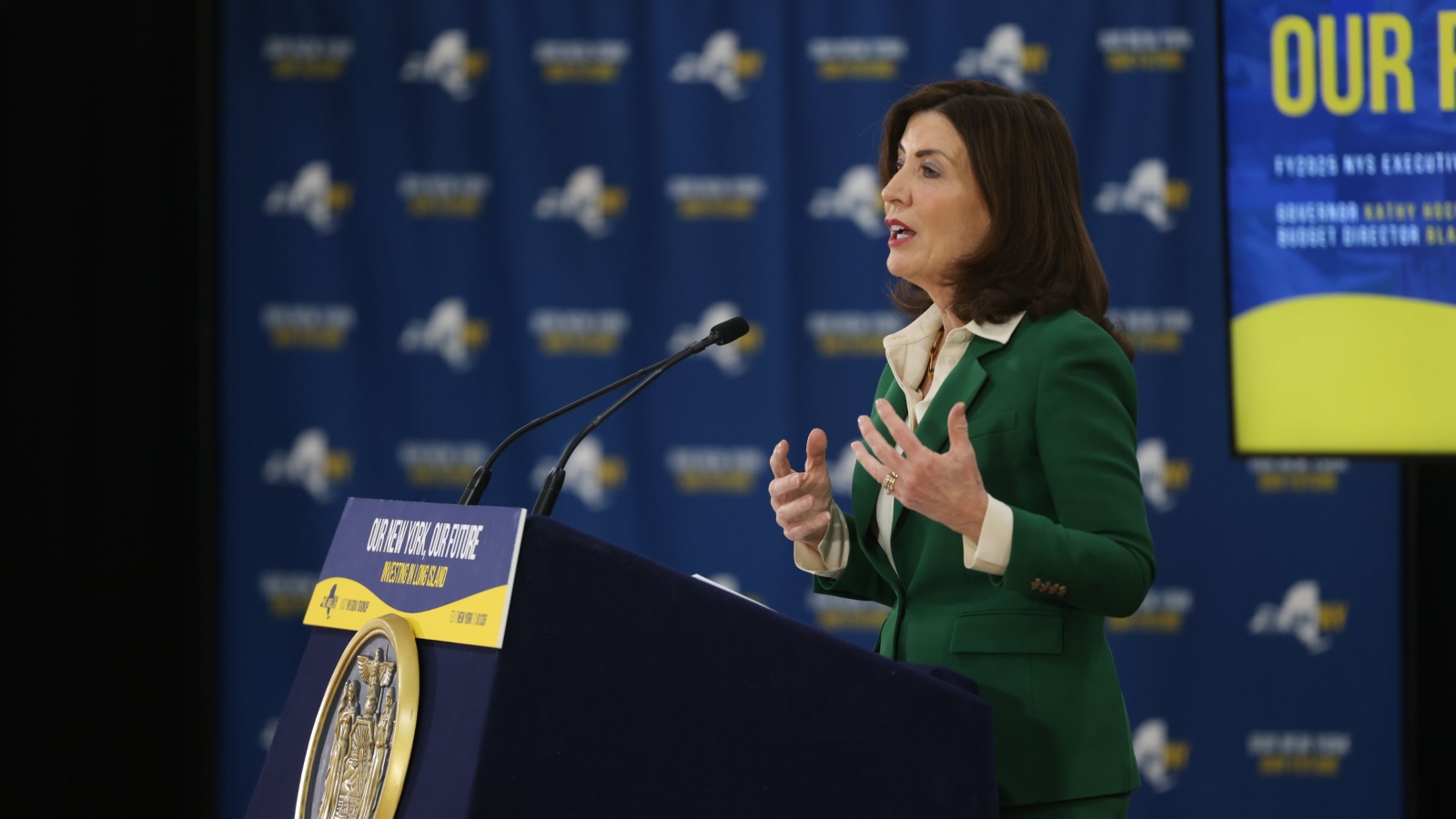
"As data center development threatens to hike up utility bills, deplete our natural resources, and create uncertainty for New Yorkers, it’s my responsibility to take action and lead," Governor Hochul stated in an official release.
Under the terms of the executive order, the New York Department of Public Service (DPS) is strictly prohibited from granting new permits for large-scale data center construction for the next 12 months. During this hiatus, the DPS will conduct a comprehensive environmental and economic impact study. The goal of this analysis is two-fold: to assess the long-term ecological footprint of these sites and to establish a regulatory pathway that mandates data centers either pay a premium for their energy consumption or provide their own power generation, effectively decoupling them from the public grid.
A Chronology of Growing Resistance
The road to this moratorium was not sudden; it is the culmination of years of escalating public discourse and legislative maneuvering.
- 2023–2024: As AI development hit a fever pitch, public hearings across the country—and specifically in upstate New York—saw an uptick in opposition. Local residents began citing concerns regarding noise pollution, water consumption for cooling, and the visual impact of massive, windowless structures.
- Early 2026: Maine Governor Janet Mills, a Democrat, signaled that the political landscape was shifting when she vetoed a proposed data center moratorium. Her veto underscored the national tension: how to encourage tech investment without compromising local energy independence.
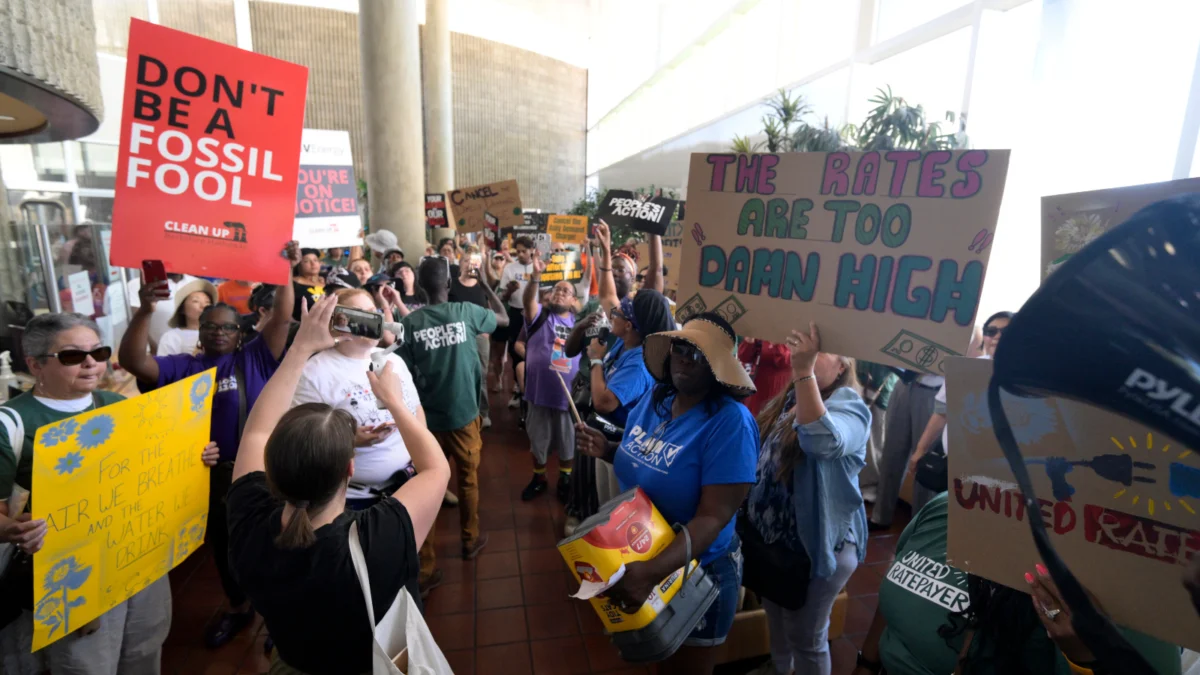
- June 2026: Protests intensified, with climate activists increasingly linking the growth of data centers to the expansion of fossil fuel reliance.
- Late June 2026: The New York State Legislature passed an extensive, far-reaching data center moratorium bill. While Governor Hochul has not yet committed to signing the legislative version, her executive order effectively achieves the same goal, providing an immediate administrative buffer while the state determines its permanent policy.
- July 2026: The official executive order is signed, setting a one-year timer for the state to draft a permanent regulatory framework.
The Economic and Environmental Stakes: Supporting Data
The debate surrounding data centers is rooted in stark economic and environmental data. Hyperscale data centers can consume as much electricity as a small city. For a state like New York, which is aggressively pursuing clean energy targets under the Climate Leadership and Community Protection Act, the prospect of data centers consuming a significant percentage of the available renewable energy supply is a major strategic hurdle.
According to industry reports, tech companies have invested billions of dollars into data center real estate over the last decade. These facilities provide tax revenue and some local jobs, yet critics argue the "cost per job" is high, and the jobs created are often limited to specialized security or maintenance roles that do not necessarily benefit the immediate community.
Furthermore, the environmental cost is significant. Many data centers require millions of gallons of water annually for liquid cooling systems, putting stress on local aquifers and municipal water systems. The combination of water usage and the high carbon intensity of the power required to cool and run servers has put tech companies in the crosshairs of environmental groups who argue that "digital growth" must be tempered by "physical reality."
Official Responses and Stakeholder Perspectives
The executive order has elicited a wide range of reactions from industry stakeholders, environmental groups, and government officials.
The State’s Position:
Governor Hochul’s administration emphasized that this is not an outright rejection of technology, but rather a move toward "responsible development." By directing the state’s economic development agency to draft a framework for local communities, the Governor is attempting to give municipalities more leverage. This framework will focus on:
- Infrastructure Improvements: Ensuring that tech companies contribute to, rather than just consume, grid capacity.
- Community Investments: Negotiating for investments in local child care, education, and community infrastructure.
- Labor Standards: Setting clear expectations for fair wages and union-friendly labor practices during the construction and operation phases.
The Industry Perspective:
Tech industry lobbyists have expressed concern that the moratorium could stifle innovation. Many argue that New York risks falling behind other states that are actively courting AI-driven data investment. The industry maintains that modern data centers are becoming more efficient and are increasingly utilizing on-site renewable energy, such as solar or battery storage, which they argue should be encouraged rather than blocked.
Legislative Intent:
State lawmakers who championed the bill passed last month are largely supportive of the Governor’s move. They argue that the current tax incentives—specifically sales tax exemptions for large-scale data centers—are outdated. Governor Hochul has joined these voices, calling on the legislature to repeal these exemptions, suggesting that data centers should no longer receive the same financial treatment as traditional industrial or manufacturing projects.
Implications for the Future of Tech and Infrastructure
The implications of New York’s decision extend far beyond its borders. As the first state to implement such a policy, New York has essentially become a laboratory for the rest of the nation.
1. The Power-Grid Battle
The most immediate implication is a shift in the power dynamic between utility companies and Big Tech. If New York successfully mandates that data centers pay for their own energy infrastructure, it will set a legal precedent that other states are likely to follow. This would force tech giants to either build private power plants (such as small modular reactors or dedicated renewable farms) or pay significantly higher rates to the public grid.
2. Local Empowerment
By creating a framework for local negotiation, Hochul is shifting the power of site approval from back-room deals between states and corporations to a more localized, transparent process. This "community-first" approach is likely to make it harder for developers to build facilities where there is significant local opposition, potentially slowing the national pace of data center expansion.
3. National Policy Trends
With cities and counties across the country voting on ballot measures to restrict data centers, New York’s moratorium validates the concerns of grassroots organizations. We are likely to see a "patchwork" of regulations emerge across the U.S. in the coming years. This fragmentation could lead to a cooling of the real estate market for data centers, forcing companies to move their facilities to regions with fewer regulations, or conversely, forcing them to become more transparent and cooperative with state governments.
4. The AI Conundrum
Ultimately, this story is a microcosm of the larger AI conundrum: the physical world is struggling to keep pace with the digital one. As AI models require more compute, the demand for energy will only grow. If states follow New York’s lead, the tech industry will be forced to innovate not just in software and chips, but in energy generation and sustainability.
Conclusion
New York’s moratorium is a bold administrative gamble. By pausing the rapid expansion of data centers, Governor Hochul is forcing a confrontation between the relentless growth of the digital age and the finite capacity of our current infrastructure. Whether this one-year period results in a new, sustainable model for industrial growth or a deterrent to technological advancement remains to be seen. However, one thing is certain: the era of unchecked, subsidized data center expansion in New York has officially come to a close. As the state undertakes its environmental and economic review, the eyes of the nation—and the tech industry—will be watching closely to see if New York has found the key to balancing the future of AI with the needs of its residents.
