


For decades, the Strait of Hormuz has served as the world’s most critical maritime "chokepoint." Through this narrow passage, which separates the Arabian Peninsula from Iran, flows approximately 20% of the world’s total petroleum consumption. Today, that vital artery is effectively obstructed, and according to the latest intelligence from the Rapidan Energy Group, there is no expectation of a return to normalcy until the end of 2027.
The hope that a swift resolution to the ongoing conflict between the United States and Iran would restore free navigation has evaporated. As hostilities have hardened into a protracted regional war, energy analysts are warning that the global economy must prepare for a "new normal" characterized by persistent supply-side constraints, elevated volatility, and the looming specter of $200-per-barrel crude oil.
The Chronology of Conflict: From Tensions to Total Disruption
The current crisis did not emerge in a vacuum. It is the culmination of years of diplomatic breakdown and escalating military posturing.
- Pre-Conflict Status: Prior to the current hostilities, the Strait of Hormuz operated under international maritime law, allowing for the free, unhindered transit of supertankers carrying crude oil and liquefied natural gas (LNG) from producers like Saudi Arabia, the UAE, Kuwait, and Qatar.
- The Breakdown: Following the collapse of the temporary ceasefire agreements, the region descended into what many analysts are calling the "Third Gulf War." The failure of diplomatic channels, compounded by the inability of domestic political leadership to secure a lasting peace, signaled the end of the previous status quo.
- The Escalation: With no diplomatic path forward, the conflict transitioned into a direct military confrontation. Iran’s use of asymmetric naval tactics—including drone swarms and mining threats—has made the strait a high-risk zone for commercial shipping.
- The Current Outlook: As of mid-2024, Rapidan Energy Group has officially adjusted its forecast. The firm now assumes that the conflict will maintain a level of intensity that prohibits the restoration of open navigation through the remainder of the 2027 fiscal year.
Supporting Data: Why 2027 is the New Deadline
The assessment provided by Rapidan is stark. The firm states that "Hormuz disruptions will be deeper and more persistent than we previously expected," which will "materially tighten global oil balances through 2027."
The economic implications of this forecast are significant. The market had previously priced in a return to pre-conflict production levels by early 2025. By extending that timeline by two full years, analysts are forced to revise their inventory models. Rapidan’s upcoming July oil market report is expected to show that global oil inventories are being drawn down at an accelerated rate, creating a structural deficit that will be difficult to bridge without a massive shift in global energy policy or a sudden, unexpected de-escalation of the war.
Furthermore, the data suggests that Arab Gulf production—the world’s primary source of "swing" supply—will remain constrained through the fourth quarter of 2027. Without this supply, the global market loses its primary buffer against demand shocks, leaving the world vulnerable to price spikes whenever a minor geopolitical event occurs elsewhere.
The Strategic Dilemma: Degradation vs. Diplomacy
The military strategy currently employed by the United States and its regional allies is focused on a policy of "degradation." CEO of Rapidan Energy Group, Bob McNally, has outlined the three-pronged reality of this strategy:
- Capability Degradation: U.S. forces are tasked with actively reducing Iran’s capacity to deploy the assets—such as fast-attack craft and anti-ship missile batteries—that enable them to disrupt commercial traffic.
- Escort Operations: The military aims to lower the threat level sufficiently to allow for escorted transit. However, this is resource-intensive and requires a permanent, high-level naval presence that stretches the U.S. Navy’s logistics thin.
- Economic Thresholds: If the U.S. fails to secure the strait, the alternative is a price-driven market correction. As McNally noted, if the military cannot contain the disruption, oil prices will rise until they reach a level that induces an economic recession, effectively destroying demand to match the lower supply.
Implications for the Global Economy
The ripple effects of a sustained closure of the Strait of Hormuz extend far beyond the energy sector.
The $200 Barrel Scenario
If the conflict forces oil toward the $200-per-barrel mark, the world would enter uncharted territory. Historical records, such as the $147-a-barrel high of 2008, would be eclipsed. Economists have long theorized that such a price spike would act as a massive "tax" on global consumers, effectively removing billions of dollars of disposable income from the economy overnight.
The Impact on the American Consumer
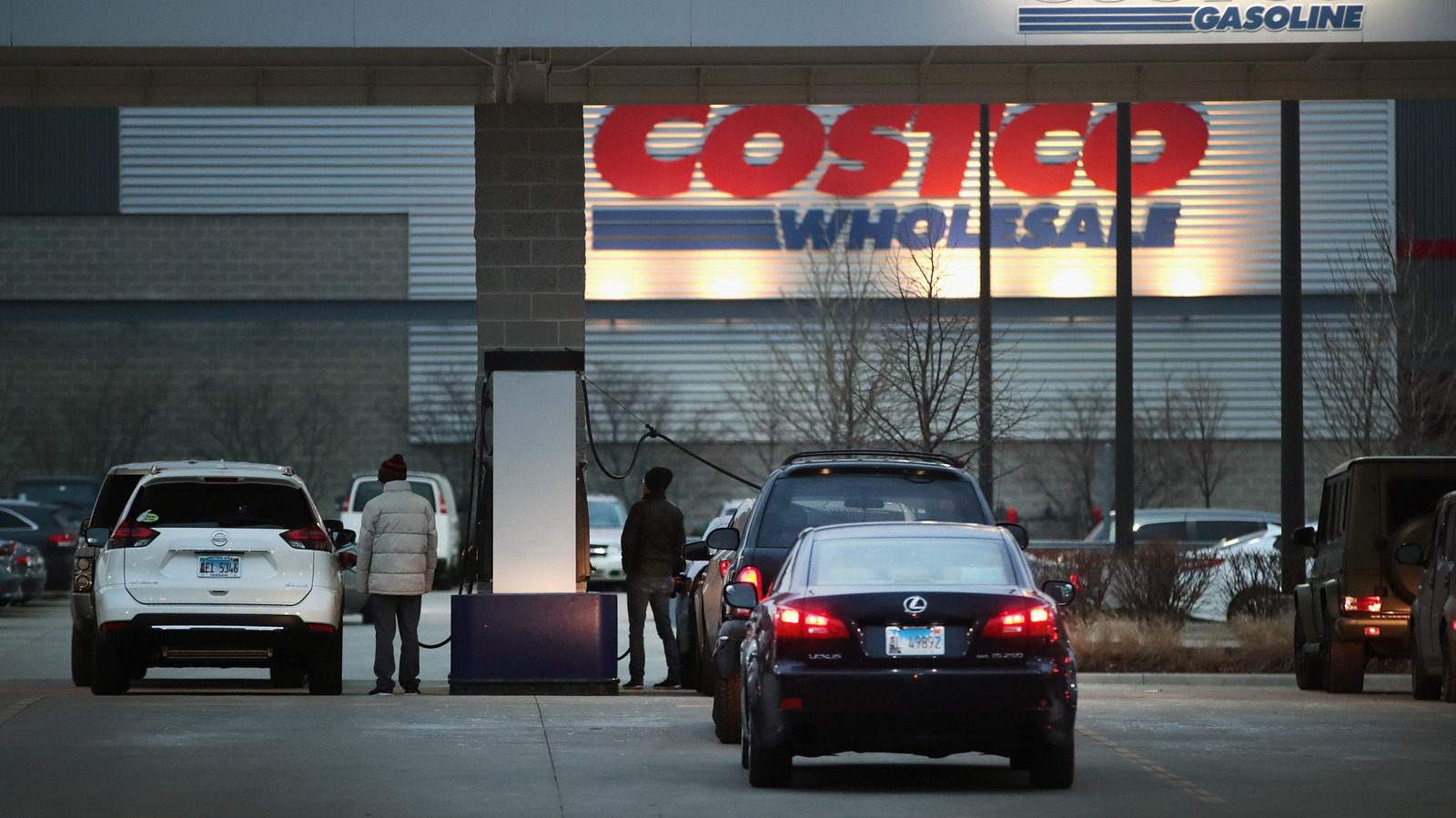
For the average American, this translates to the pump. Gas prices, which have already breached the $4-per-gallon threshold nationally, are showing a level of volatility not seen in previous decades. As noted by industry analysts like Patrick De Haan of GasBuddy, the current price cycle—characterized by climbing above $4, dipping into the $3 range, and surging back—is unprecedented. Should oil hit $200 per barrel, forecasts suggest that average retail gasoline prices could climb to between $6.50 and $7.00 per gallon, a level that would fundamentally alter consumer behavior and inflationary pressure.
The Wealth Gap in Energy Markets
There is a distinct disparity in how this crisis is felt. While the average consumer faces a daily struggle to afford fuel for commuting, the energy trading community views this volatility as a lucrative opportunity. Rapidan’s admission that its forecasts are "bullish for crude prices" highlights a reality where institutional investors and energy majors stand to benefit from the very scarcity that causes widespread economic pain for the public. The focus on preserving dividends and stock performance stands in stark contrast to the inflationary reality faced by the working class.
Official Responses and Political Fallout
The political ramifications for the U.S. are profound. The failure to secure the region has turned the Strait of Hormuz into a central issue for the upcoming electoral cycles. Critics argue that the shift from diplomatic engagement to full-scale military containment has failed to achieve the primary goal of energy security.
The Republican and Democratic divide on how to manage the conflict has deepened. Some factions argue for an even more aggressive military posture, while others advocate for a renewed push for regional energy independence through the expansion of domestic production. However, as the industry points out, domestic production cannot be increased overnight to compensate for the sudden loss of millions of barrels of Middle Eastern crude.
Conclusion: A Long Road Ahead
The prospect of a "free and open" Strait of Hormuz is, for the time being, a relic of the past. The consensus among analysts is that the international community has entered a period of energy austerity that will persist for the duration of the current conflict.
As we look toward 2028, the global economy remains in a precarious position. The stability of the 21st-century world order was built on the assumption of free movement through the world’s oceans. That assumption has been shattered, and until a new equilibrium is established—either through military dominance, a diplomatic breakthrough, or a total restructuring of global energy consumption—the cost of this conflict will continue to be paid at the pump by consumers worldwide.
Investors, policymakers, and the public must now adjust their expectations: the era of cheap, reliable energy transit through the Persian Gulf is officially on hold, and the clock is not expected to reset until at least the dawn of 2028.
