

By Anna Lee
French authorities have confirmed the arrest of a suspect in connection with the brazen, daylight theft of a 2,500-year-old gold torque—a rare and historically priceless Celtic neck collar—from the Musée du Pays Châtillonnais in northern Burgundy. The artifact, which served as the crown jewel of the institution’s collection, was looted in an operation that has sent shockwaves through the international archaeological community, highlighting the persistent vulnerabilities of regional museums housing world-class treasures.
The Significance of the Vix Torque
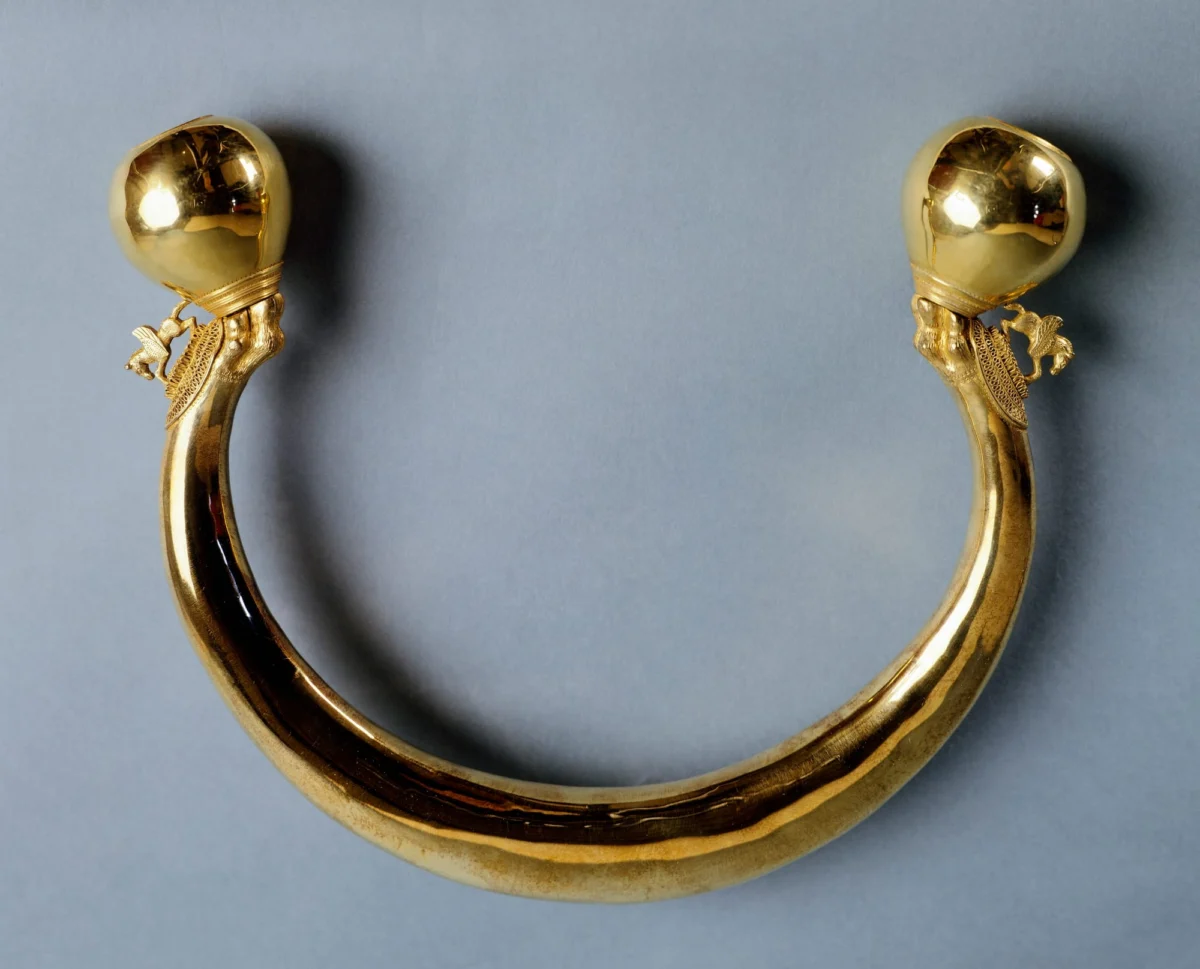
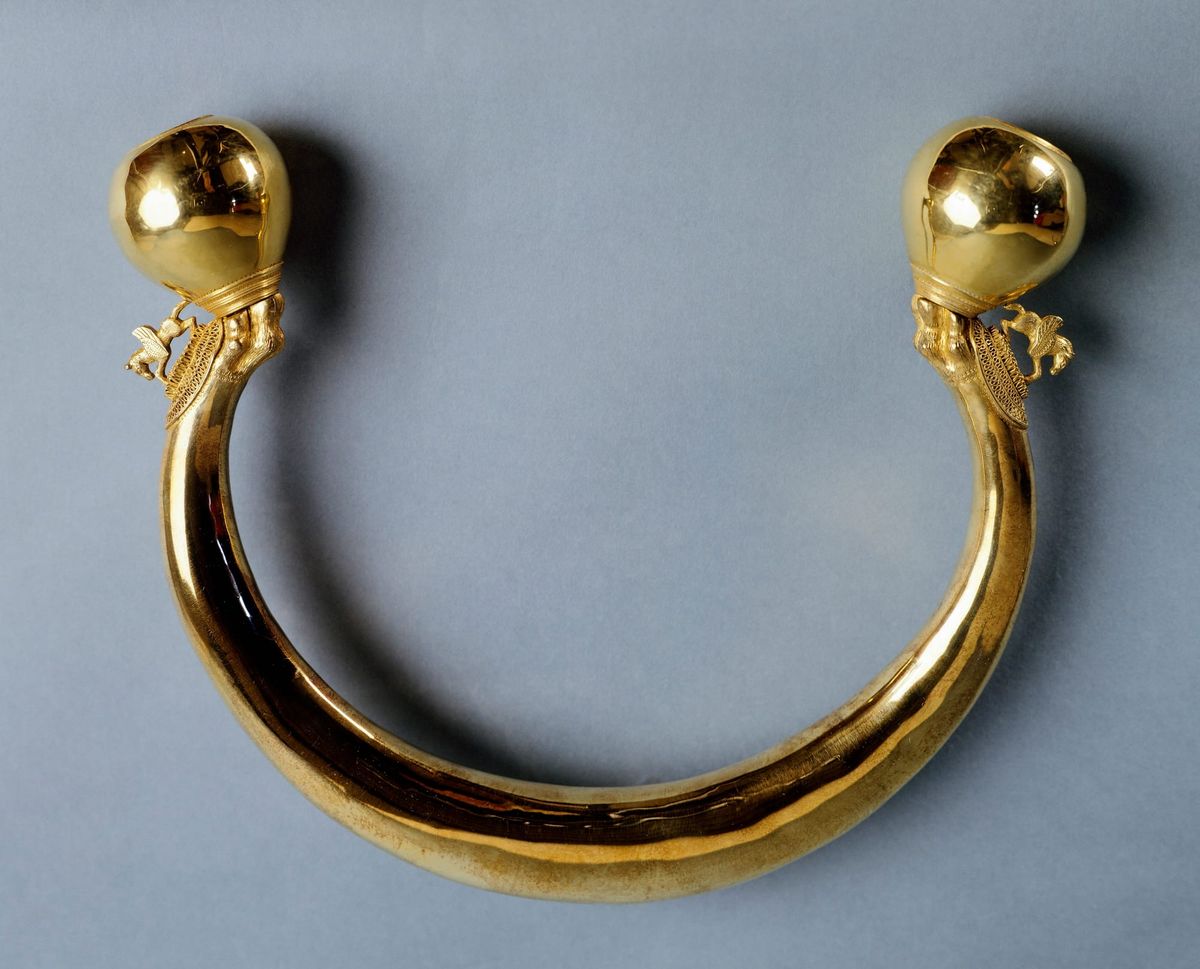
The gold torque is far more than a mere piece of jewelry; it is a profound testament to the sophistication of the Hallstatt culture, dating back to the late 6th century BCE. Unearthed in 1953 from the legendary "Tomb of the Princess of Vix," the collar was found alongside the famous Vix Krater—the largest and most ornate bronze vessel ever recovered from the ancient world.
The torque, crafted from refined gold with exquisite detailing, is emblematic of the trans-European trade networks that linked the Celtic elites of Burgundy to the Mediterranean civilizations of Greece and Etruria. For decades, the collar has been the centerpiece of the Châtillon-sur-Seine museum, drawing scholars and tourists alike to witness the tangible evidence of a powerful, enigmatic "Princess" whose burial remains one of the most significant archaeological discoveries of the 20th century.
Chronology of a Brazen Heist
The theft occurred in late July 2026, catching museum staff and local law enforcement by surprise due to the sheer audacity of the crime.
- The Breach: According to preliminary reports, the perpetrator gained entry to the museum during operating hours, exploiting gaps in the facility’s security protocols. Unlike nocturnal heists characterized by high-tech bypasses, this theft appears to have relied on speed, timing, and a calculated disregard for the presence of visitors and staff.
- The Flight: Following the removal of the torque from its display, the suspect fled the premises. Local police immediately cordoned off the area and initiated a wide-scale search, utilizing traffic surveillance and eyewitness testimony to track the suspect’s movements across the rural Burgundy landscape.
- The Arrest: On July 28, 2026, French law enforcement officials announced that a suspect had been apprehended. While details regarding the individual’s identity and potential accomplices remain under a court-ordered seal, the quick resolution of the initial manhunt has brought a momentary sigh of relief to the museum’s curators. However, questions regarding the current state and whereabouts of the torque itself remain unanswered.
Supporting Data: The Value of Ancient Gold
The loss of such an object is not merely a financial blow—though the insurance value of the Vix torque is estimated in the millions of euros—but a cultural catastrophe. Items of this antiquity are frequently targeted by high-end art thieves operating on behalf of "black market" collectors. Unlike modern jewelry, which can be dismantled or melted down, ancient artifacts like the Vix torque are often held in private, illicit collections, effectively removing them from the public record for generations.
The Musée du Pays Châtillonnais has long served as a bastion of preservation for the Vix finds. The tomb, which contained not only the torque and the krater but also a wealth of amber, bronze, and ceramic items, remains a benchmark for understanding Iron Age burial rites. The theft has reignited a fierce debate regarding whether regional museums possess the infrastructure necessary to protect such globally significant heritage items from increasingly professionalized criminal syndicates.
Official Responses and Museum Security
The Ministry of Culture in France has launched an internal investigation into the security failures at the Musée du Pays Châtillonnais. In a statement released shortly after the arrest, a representative for the museum expressed profound gratitude to the police, while acknowledging the trauma inflicted upon the curatorial team.
"The protection of our heritage is a sacred trust," the museum’s spokesperson noted. "We are working hand-in-hand with the gendarmerie and forensic experts to ensure that, should the object be recovered, it is stabilized and authenticated. Our focus remains on the preservation of the Vix legacy, which belongs to all of humanity."
Critics have pointed to the trend of "museum light" security measures, where regional institutions, facing budget cuts and staffing shortages, are forced to prioritize public access over heavy-duty security infrastructure. Security consultants warn that as the market for ancient artifacts grows more clandestine, small-town museums—despite their historical importance—are becoming the "soft targets" of choice for thieves.
Implications: A Looming Crisis in Heritage Protection
The implications of the Vix heist extend far beyond Burgundy. This incident serves as a stark reminder of the fragile state of archaeological sites and the museums that house their contents. Several key themes have emerged in the wake of the theft:
1. The Rise of "Targeted" Heists
Unlike opportunistic smash-and-grabs, the theft of the Vix torque bears the hallmarks of a pre-meditated hit. Investigators are currently exploring whether the suspect was acting on behalf of a specific collector or if the item was stolen with the intent to hold it for ransom or future sale to a "shadow buyer."
2. The Ethics of Regional Stewardship
There is a growing movement to centralize the most precious artifacts in national institutions, such as the Louvre or the Musée d’Archéologie Nationale in Saint-Germain-en-Laye. Proponents argue that these facilities offer superior, state-of-the-art security, including climate control, seismic monitoring, and 24-hour armed surveillance. However, local historians vehemently oppose this, arguing that artifacts lose their cultural context when removed from the region where they were discovered and where they hold the most meaning for the local population.
3. Forensic Challenges
Recovering a stolen artifact of this age is notoriously difficult. Once an object is stolen, it is often spirited across borders, entering a labyrinth of shell companies and private brokers. The collaboration between Interpol, the French Central Office for the Fight against Trafficking in Cultural Property (OCBC), and local authorities is now the only mechanism capable of disrupting the flow of such items.
The Path Forward
As the investigation into the arrest continues, the world watches with bated breath. The return of the Vix torque would be a triumph for international law enforcement and a victory for cultural preservation. Conversely, if the trail goes cold, the loss will be etched into history as another example of how humanity’s shared past remains vulnerable to the greed of the present.
For now, the pedestal that once held the golden collar remains empty—a haunting void in the heart of the Châtillon-sur-Seine museum. It stands as a silent sentinel, reminding visitors that history is not a static record, but a living treasure that requires constant vigilance, significant investment, and the unwavering commitment of the public to protect it from those who would see it vanish into the shadows of a private vault.
The arrest of the suspect is a necessary first step, but for the community of Châtillon-sur-Seine and the global archaeological community, the case will not be closed until the Princess of Vix’s gold is back where it belongs: on display for the world to see, admire, and study.
