

For those who spent their formative years in the 1990s, the grocery store aisle was more than just a place to pick up sustenance—it was a landscape of innovation, vibrant packaging, and bold, experimental flavors. It was an era defined by neon-colored fruit snacks, freezer-burned pizza delicacies, and lunch boxes that served as a social currency. While the decade is often remembered for its flannel shirts, dial-up internet, and the rise of grunge, the "snack culture" of the 90s left an indelible mark on the American palate.
Three decades later, many of these iconic treats have not only survived the shifting tides of consumer health trends and corporate mergers but are thriving. As we navigate a modern food landscape dominated by "superfoods" and plant-based alternatives, there remains a persistent, undeniable craving for the comfort of the familiar. From the crispy, molten-hot crunch of a pizza roll to the chewy, colorful nostalgia of a fruit-flavored strip, these snacks remain staples on supermarket shelves today.
A Chronology of Cravings: How 90s Snacks Became Cultural Icons
To understand the longevity of these products, one must look at their origins. The late 80s and early 90s represented a "Golden Age" for processed food technology.

- 1991: The Rise of Fruit by the Foot. General Mills introduced this novel fruit snack to compete with the growing demand for portable, fun-to-eat treats. Its unique delivery method—a long, rolling strip of fruit-flavored jelly—became a playground sensation, changing how children interacted with their food.
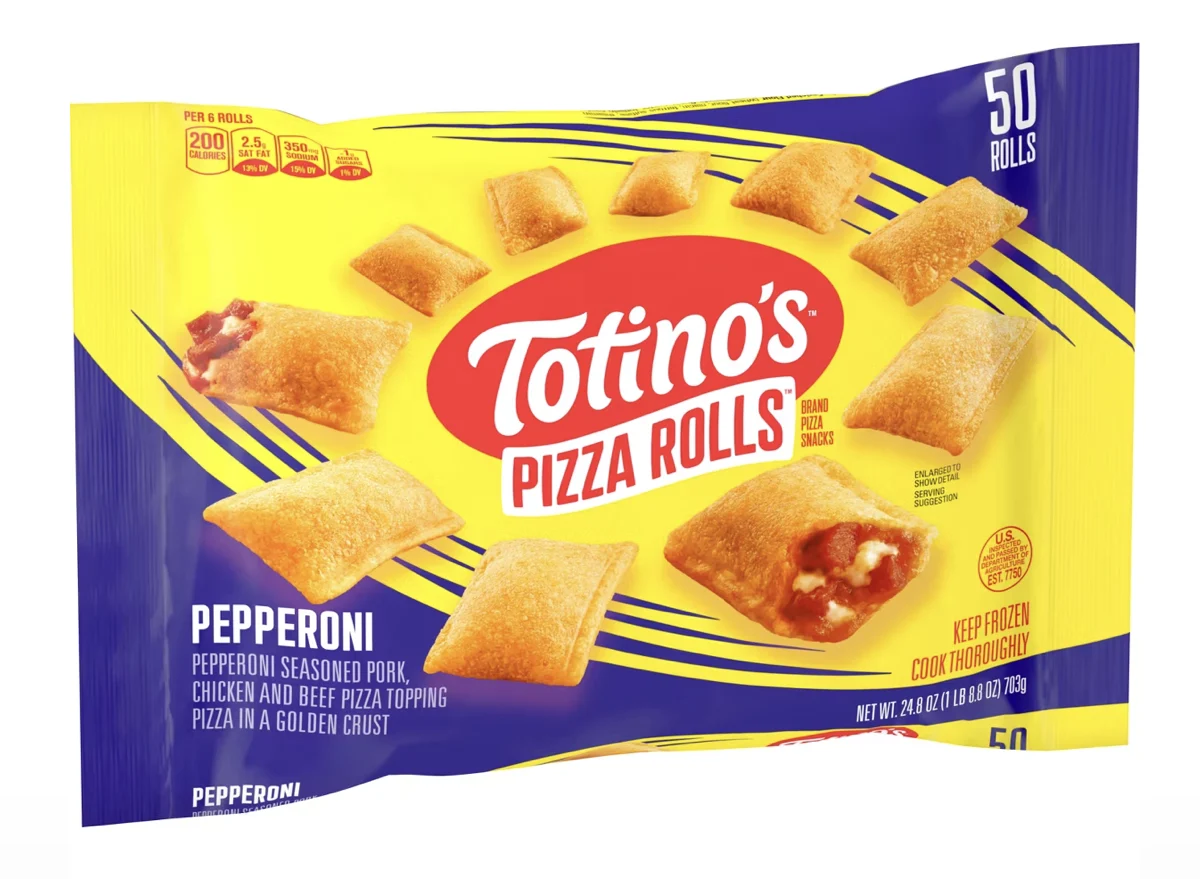
- 1988–1990s: The Pizza Roll Phenomenon. While Totino’s Pizza Rolls existed in the 70s, they hit their cultural stride in the 90s, becoming the quintessential after-school snack. Their rise coincided with the boom of the home microwave, turning them into a symbol of convenience for the latchkey generation.
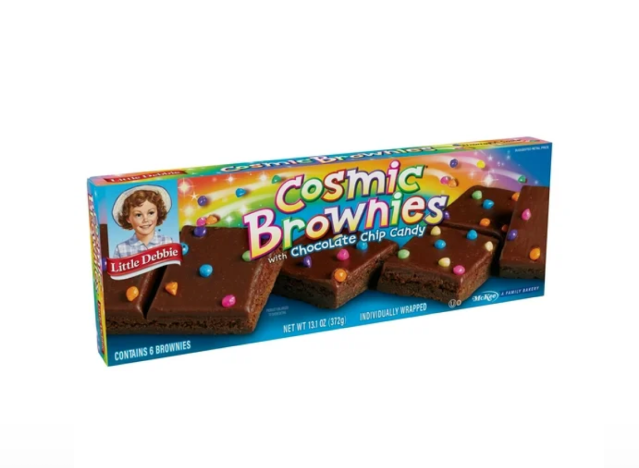
- 1999: The Cosmic Brownie Debut. Just as the millennium approached, Little Debbie launched the Cosmic Brownie. With its dense, fudge-like base and signature candy-coated chocolate chips, it captured the zeitgeist of the era, offering a premium snack experience at an accessible price point.
- The Lunchables Era: Originally launched in the late 80s, the "build-your-own-meal" concept reached its peak popularity in the 90s. It revolutionized the school lunch, turning a simple meal into a DIY activity that remains a massive revenue driver for Kraft Heinz today.
Supporting Data: The Economics of Nostalgia
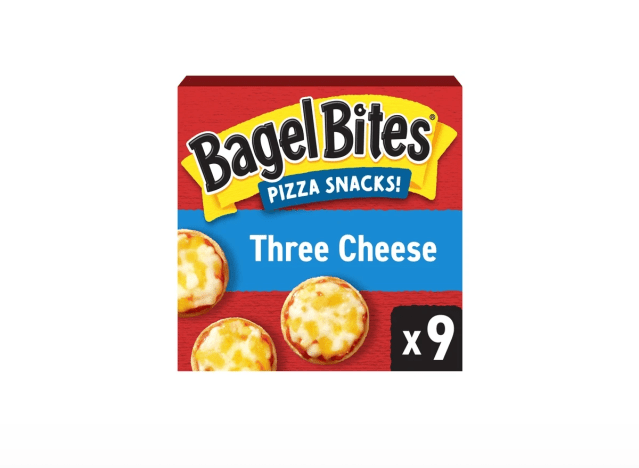
The endurance of these products is not merely a matter of sentiment; it is a calculated triumph of brand loyalty and market adaptation. According to consumer research, "nostalgia marketing" is one of the most effective tools for legacy food brands. When a consumer reaches for a box of Bagel Bites, they are not just buying frozen dough and cheese—they are purchasing a sensory trigger that transports them back to a simpler time.
Industry data indicates that even as health-conscious consumers pivot toward organic or non-GMO options, the "legacy snack" category sees consistent year-over-year growth. For instance, the transition of many of these products to include "cleaner" labels—such as the move toward dye-free fruit snacks—has allowed them to survive in a market that is increasingly skeptical of artificial ingredients. By updating the formulations while keeping the iconic branding intact, manufacturers have successfully bridged the gap between Gen X, Millennials, and now, Gen Z.
The Cultural Impact: Why We Can’t Let Go
The popularity of these snacks has been bolstered by their frequent appearances in pop culture. The inclusion of Totino’s Pizza Rolls in Netflix’s Stranger Things was not just a clever piece of product placement; it was a nod to the shared memory of a generation. When a show set in the 80s features a snack that peaked in the 90s, it reinforces the product’s status as a timeless piece of American Americana.
Social media has further accelerated this trend. Platforms like TikTok and Instagram have become hubs for "retro snack reviews," where younger creators discover these items for the first time, often leading to a resurgence in sales. The "air fryer effect" has also played a significant role; consumers have found that modern kitchen technology makes these 90s snacks taste better than ever. A Bagel Bite cooked in an air fryer achieves a level of crispiness that a 90s-era microwave could never replicate, introducing these old-school favorites to a new, culinary-savvy audience.
Official Corporate Responses and Brand Evolution
Leading manufacturers have been careful not to "fix what isn’t broken" while acknowledging the changing needs of the modern consumer.
In recent statements, representatives from major snack brands have emphasized that while the recipes are constantly refined to meet updated FDA guidelines and consumer safety standards, the core identity of the product remains sacred. The shift toward removing artificial dyes from products like Fruit by the Foot is a testament to this balance. Brands have realized that they can maintain the "soul" of a 90s snack while removing the ingredients that modern parents find objectionable.
Furthermore, the expansion into new formats—such as larger party-size bags or varied flavor profiles—demonstrates a commitment to keeping the brands relevant. Brands like Little Debbie have mastered the art of the "limited edition," releasing seasonal variations of their classic brownies that keep the buzz alive without alienating the purists who prefer the original recipe.
Implications for the Future of Snacking
What does the persistence of these 90s icons mean for the future of the food industry? It suggests that convenience and comfort will always be primary drivers of consumer behavior. While the industry continues to experiment with plant-based meats and high-protein chips, there is a "flavor ceiling" that these products often hit. Consumers are willing to experiment, but they inevitably return to the flavors they grew up with.
The implication for manufacturers is clear: if you have a legacy product that resonates with a specific cultural moment, it is a brand asset worth protecting. The "nostalgia factor" acts as a protective moat, insulating these brands from smaller, trend-chasing startups.
As we look toward the next decade, it is safe to predict that these snacks will remain on shelves. They have survived the transition from the analog to the digital age, and they will likely survive the transition to whatever comes next. Whether it is the perfect, molten-hot center of a pizza roll or the satisfying crunch of a candy-topped brownie, these treats represent more than just calories; they represent a continuous thread of joy that connects the child of the 90s to the adult of today.
So, the next time you find yourself wandering the frozen aisle, pause for a moment before the familiar neon boxes. Dust off those memories, perhaps fire up your favorite 90s playlist, and enjoy a snack that has proven, through three decades of change, that some things are truly better when they stay exactly the same. The 90s may be long gone, but in the snack aisle, the party is still in full swing.
