

Retail Dive | Published August 3, 2026 | By Daphne Howland
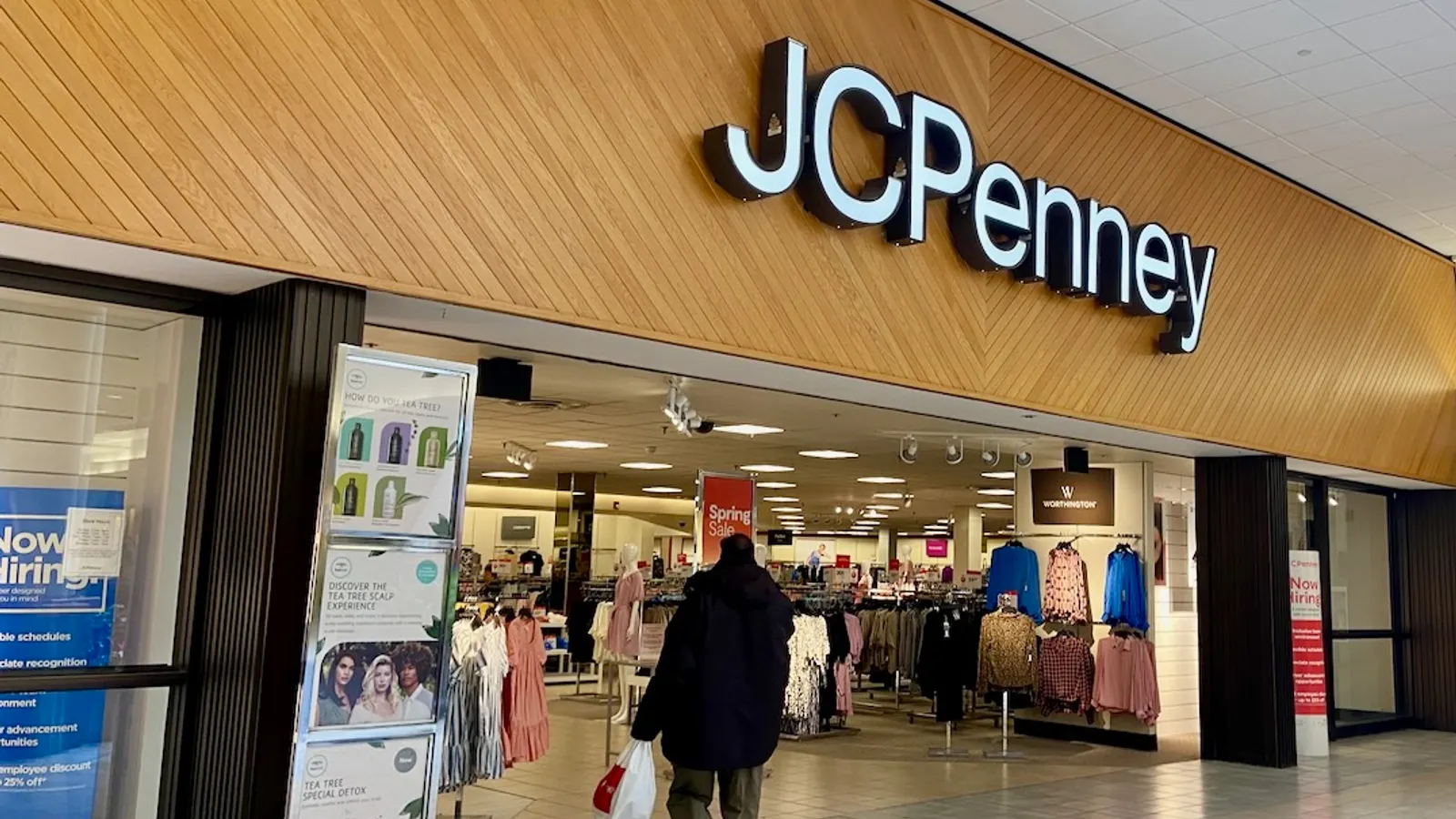
Onyx Partners, a private equity firm that previously saw its acquisition of a significant J.C. Penney store portfolio fall through, has re-entered the arena with a renewed offer of $934 million. This latest bid targets 117 J.C. Penney properties, a move that underscores Onyx’s persistent interest in the iconic department store’s real estate holdings, even as the broader retail sector navigates a period of profound transformation. The proposed transaction, if successful, would represent a significant real estate divestment for the entities managing J.C. Penney’s legacy assets, potentially concluding a chapter initiated by the retailer’s 2020 bankruptcy.
Onyx Partners’ Persistent Pursuit: A Renewed Offer
The $934 million offer from Onyx Partners represents a substantial commitment to acquiring the remaining prime J.C. Penney properties. This figure averages out to approximately $8 million per store, a valuation consistent with the firm’s prior, unsuccessful bid. According to a spokesperson for Onyx Partners, the current proposal mirrors the foundational terms agreed upon in May 2025, with financing fully secured and a projected closing date of September 25th. This indicates a well-structured and financially prepared approach from the private equity firm, suggesting a deliberate and strategic re-engagement after the initial deal’s collapse.
The previous agreement, which aimed to acquire a portfolio of roughly 120 J.C. Penney stores across multiple states, ultimately unraveled in December of the preceding year. While the precise reasons for the deal’s dissolution remain undisclosed, market speculation at the time pointed to investor scrutiny surrounding the valuation and potential alternative strategies for the assets. Executives from Copper Property CTL Pass Through Trust, the entity established to manage these J.C. Penney leases post-bankruptcy, faced a barrage of questions from investors regarding the specifics of the transaction, including pricing and strategic alternatives.
A Chronology of Divestment and Re-engagement
The story of these J.C. Penney properties is intrinsically linked to the retailer’s 2020 Chapter 11 bankruptcy filing. In the wake of this significant restructuring, the Copper Property CTL Pass Through Trust was created with a dual mandate: to manage the leases for 160 J.C. Penney stores and six distribution centers, and ultimately, to facilitate their sale. Over the years, the trust has systematically divested itself of these assets, selling more than 40 properties to various buyers. The 117 parcels currently under consideration by Onyx Partners represent the final, and perhaps most strategically significant, portion of this real estate portfolio, according to Copper Property documents.
Onyx Partners’ initial foray into acquiring this portfolio marked a pivotal moment in the divestment process. The firm’s subsequent renewed interest, backed by secured financing and a clear timeline, signals a strong conviction in the underlying value of these retail locations. The failure of the first bid, while a setback, appears to have provided Onyx with valuable insights, enabling them to refine their approach and present a more robust offer this time around. The current proposal, if accepted, would bring a definitive conclusion to the Copper Property Trust’s long-standing objective of liquidating these J.C. Penney assets.
Supporting Data: The Financial Landscape and Lease Agreements
The $934 million offer from Onyx Partners for 117 J.C. Penney properties translates to an average acquisition cost of approximately $8 million per store. This valuation is crucial in understanding the underlying economics of the deal. The properties are spread across 35 states, indicating a broad geographical footprint and potentially diverse market dynamics.
Crucially, a spokesperson for Catalyst Brands, the operator of J.C. Penney stores, has emphasized that all 117 stores are operating under long-term leases. This detail is paramount, as it suggests that a real estate transaction would be a transfer of ownership of the physical structures and underlying land, rather than a direct impact on J.C. Penney’s operational lease obligations. "Any potential transaction is merely a transfer of ownership of the physical stores and would not change the nature of our long-term leases on these locations," the Catalyst spokesperson stated. This reassurance is vital for both Onyx Partners, who are acquiring the real estate, and Catalyst Brands, who continue to operate within these spaces.

The financial performance of J.C. Penney itself, while not directly impacting the real estate deal’s structure, provides a broader context for the retail environment. The department store experienced a challenging holiday quarter, and its first fiscal quarter (Q1) performance did not mirror the robust results seen by many other retailers early in 2026. Q1 net sales for J.C. Penney declined by nearly 5% year over year, reaching $1.25 billion, accompanied by a contraction in gross margin. Despite these headwinds, net losses reportedly decreased, and some industry analysts view Catalyst Brands’ backing as a strategic move to provide the retailer with the necessary time to execute its turnaround strategy. This operational context, while distinct from the real estate transaction, informs the overall perception of J.C. Penney’s market position.
Official Responses and Investor Implications
As of Monday, Onyx Partners has yet to receive a formal response to its latest offer. The spokesperson for Onyx stated that the firm is awaiting feedback from the Copper Property trust. Inquiries made by Retail Dive to the Copper Property trust and other representatives involved in the property management have not yet yielded a comment. This silence from the seller’s side leaves the status of the proposed acquisition in a state of flux.
The lack of immediate response from the Copper Property trust could be attributed to several factors, including internal deliberations, the need for further due diligence, or a desire to explore other potential avenues. However, given that these 117 parcels represent the final remaining assets managed by the trust, a resolution to this divestment process is likely a priority.
For investors in Copper Property CTL Pass Through Trust, the outcome of this Onyx Partners bid holds significant implications. A successful sale at the proposed $934 million valuation would mark the culmination of the trust’s mission to liquidate the J.C. Penney real estate portfolio, potentially returning capital to stakeholders. The history of investor questions surrounding the previous deal suggests that transparency and a favorable valuation will be key considerations as negotiations, if they proceed, unfold.

Broader Implications for the Retail Real Estate Market
The ongoing situation with the J.C. Penney property portfolio is emblematic of broader trends shaping the retail real estate landscape. As traditional brick-and-mortar retailers grapple with evolving consumer behaviors and the persistent rise of e-commerce, the ownership and utilization of physical store footprints are undergoing a fundamental re-evaluation.
For private equity firms like Onyx Partners, opportunities arise to acquire well-located retail assets at potentially attractive valuations, especially from entities seeking to divest legacy portfolios. The strategy often involves repositioning these assets, perhaps through redevelopment, repurposing for alternative uses, or leasing to a diverse array of tenants, thereby creating new value streams.
The fact that the J.C. Penney stores in question are under long-term leases provides a layer of stability for the underlying real estate investment. This model allows Onyx to acquire the properties with a predictable revenue stream, even as the operational performance of the tenant, J.C. Penney, faces its own challenges. This distinction between real estate ownership and operational retail success is increasingly crucial in understanding modern retail real estate transactions.
The retail sector continues to be a dynamic environment, marked by both consolidation and innovation. The eventual outcome of Onyx Partners’ bid for the J.C. Penney properties will be closely watched, offering further insights into the strategic decisions being made by both real estate investors and the legacy retailers they are engaging with. The ability of firms like Onyx to successfully acquire and manage these substantial retail assets will play a role in shaping the future of commercial real estate in the coming years.
