

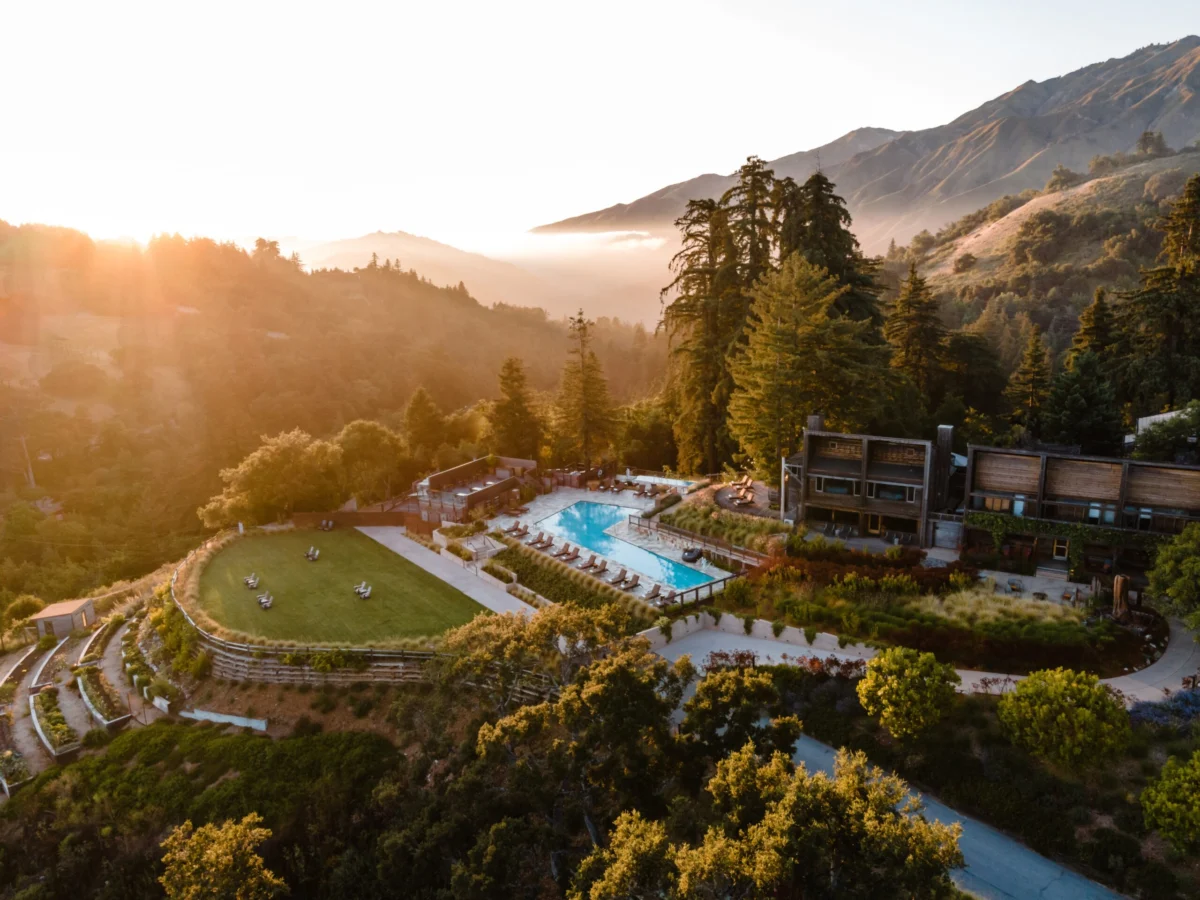
The idyllic, fog-drenched cliffs of Big Sur—a region synonymous with California’s rugged natural beauty and artistic legacy—finds itself in the crosshairs of a dangerous environmental crisis. The "Timber Fire," which ignited on Saturday night within the dense, steep wilderness of the Los Padres National Forest, has rapidly escalated into a significant threat to life, property, and the precarious economic recovery of one of the world’s most famous tourist destinations.
As of Monday morning, CalFire officials report that the blaze has consumed approximately 1,300 acres of terrain. With containment efforts currently hovering at a meager 5%, the fire continues to burn through challenging, high-altitude landscapes, forcing the closure of legendary establishments and prompting urgent evacuations that have sent shockwaves through the local community.
The Chronology of the Crisis
The Timber Fire began under conditions that fire meteorologists have long feared: a combination of dry, volatile vegetation and the unpredictable wind patterns characteristic of the coastal range.
- Saturday Night: The fire was first reported in the Los Padres National Forest, southeast of the Loma Vista area. Initial response teams were met with immediate difficulties due to the rugged, vertical nature of the terrain, which restricts ground access for fire engines and heavy equipment.
- Sunday: Throughout the day, the fire’s footprint expanded aggressively. The blaze doubled in size, fueled by low humidity and shifting coastal breezes. By Sunday evening, local authorities began issuing mandatory evacuation orders for residents and visitors in the direct path of the fire’s growth.
- Monday Morning: CalFire’s latest update confirmed the 1,300-acre threshold. Aerial support has been deployed to suppress the fire’s forward progress, but the steep canyons act as natural chimneys, creating turbulent conditions that make fire suppression a dangerous, slow-moving endeavor for crews on the ground.
A Cultural Corridor Under Threat
The reach of the Timber Fire extends far beyond the forest floor; it has struck at the heart of Big Sur’s cultural identity. Several institutions that have served as anchors for literature, hospitality, and history for decades are currently sitting in the shadow of the flames.
Hospitality and Preservation
The evacuation orders have effectively shuttered some of the most recognizable names in luxury travel. Guests have been safely evacuated from the Alila Ventana, the historic Deetjen’s Big Sur Inn, and the Post Ranch Inn. Each of these properties, known for their integration into the natural environment, now faces the uncertainty of the encroaching fire line.
Perhaps most poignant is the closure of Nepenthe, the iconic restaurant perched on the cliffs overlooking the Pacific. A bastion of the Big Sur experience, its closure serves as a stark indicator of the severity of the threat. Nearby, the Henry Miller Memorial Library—a nonprofit arts center dedicated to the legacy of the late writer—has become a voice of warning for the public. In a statement posted to their website, the organization urged, "We implore you: Do not come to Big Sur. This is an incredibly serious situation."
Parks and Public Land
In addition to private establishments, the region’s public treasures have been locked down. Both Julia Pfeiffer Burns State Park and Pfeiffer Big Sur State Park are closed to the public. These parks are not only vital for tourism but serve as critical stewards of the region’s biodiversity, much of which is now at risk of permanent alteration due to the intensity of the burn.
The Fragile Momentum of Economic Recovery
The timing of the Timber Fire is, by any metric, a cruel blow to the Big Sur community. For nearly three years, the local economy was strangled by the closure of Highway 1, following catastrophic landslides at Regent’s Slide and Paul’s Slide.
The reopening of this critical artery just seven months ago brought a sense of hope and a return to economic normalcy. Hotels were re-staffed, restaurants resumed full operations, and the steady stream of travelers that sustains the local economy had finally begun to return in earnest. Now, the Timber Fire threatens to shatter that fragile momentum.
"The psychological toll is as significant as the physical one," says a representative of a local tourism board. "Just as we were finding our footing again after the landslides, we are once again forced to tell the world to stay away. It is a devastating cycle for small business owners who rely on seasonal consistency."
Official Response and Operational Challenges
CalFire and local emergency responders are navigating a "perfect storm" of firefighting challenges. The geography of Big Sur—characterized by deep, steep-walled canyons and limited access points—is a nightmare for fire suppression.
Tactical Difficulties
- Limited Access: Unlike flatland wildfires, the Big Sur terrain prevents the easy deployment of firebreaks. Ground crews are often restricted to hand-line construction in areas where heavy machinery cannot traverse.
- Weather Volatility: The coastal influence creates unpredictable wind patterns. These winds can change direction abruptly, funneling fire through canyons at high speeds and trapping crews if they are not vigilant.
- Resource Allocation: California’s fire season is currently taxing the state’s resources. With multiple concurrent blazes across the state, the availability of specialized air tankers and elite hotshot crews is tighter than usual, forcing incident commanders to prioritize high-value assets with extreme precision.
Official guidance remains clear: Citizens and tourists must prioritize the instructions of local authorities. Residents and visitors are urged to monitor Watch Duty for real-time evacuation zones and to consult the CalFire incident information page for the most accurate data regarding containment and air quality alerts.
Implications and How to Help
The implications of this fire reach far beyond the immediate evacuation zones. Air quality across the Monterey Peninsula and beyond is expected to fluctuate as the fire continues to burn, and the potential for long-term ecological damage to the Los Padres National Forest remains a significant concern for environmentalists.
Supporting the Community
As the situation remains fluid, the most helpful action the public can take is to stay clear of the area. Congested roads hamper evacuation efforts and obstruct emergency vehicles.
Once the immediate threat is contained and the region begins the process of recovery, the focus will shift to helping the community rebuild. Supporting Big Sur businesses through future patronage is essential, but immediate assistance can be provided through the Community Association of Big Sur. Their Fire Adapted Big Sur (FABS) program is a critical initiative, providing the local workforce and residents with the education, resources, and tools necessary to live and work in an increasingly fire-prone landscape.
Conclusion: Living with Fire
The Timber Fire serves as a sobering reminder of the new reality facing California’s coastal regions. As climate change continues to influence weather patterns, the margin for error in fire-prone areas like Big Sur continues to shrink. The community’s resilience is once again being tested, and while the landmarks that define this region are currently at risk, the spirit of those who call Big Sur home remains focused on safety, recovery, and the eventual restoration of this unique American landscape.
For now, the world watches and waits, hoping that the efforts of the firefighters on the ground can halt the advance of the flames and spare the historic, artistic, and natural legacy of one of California’s most cherished destinations.
