

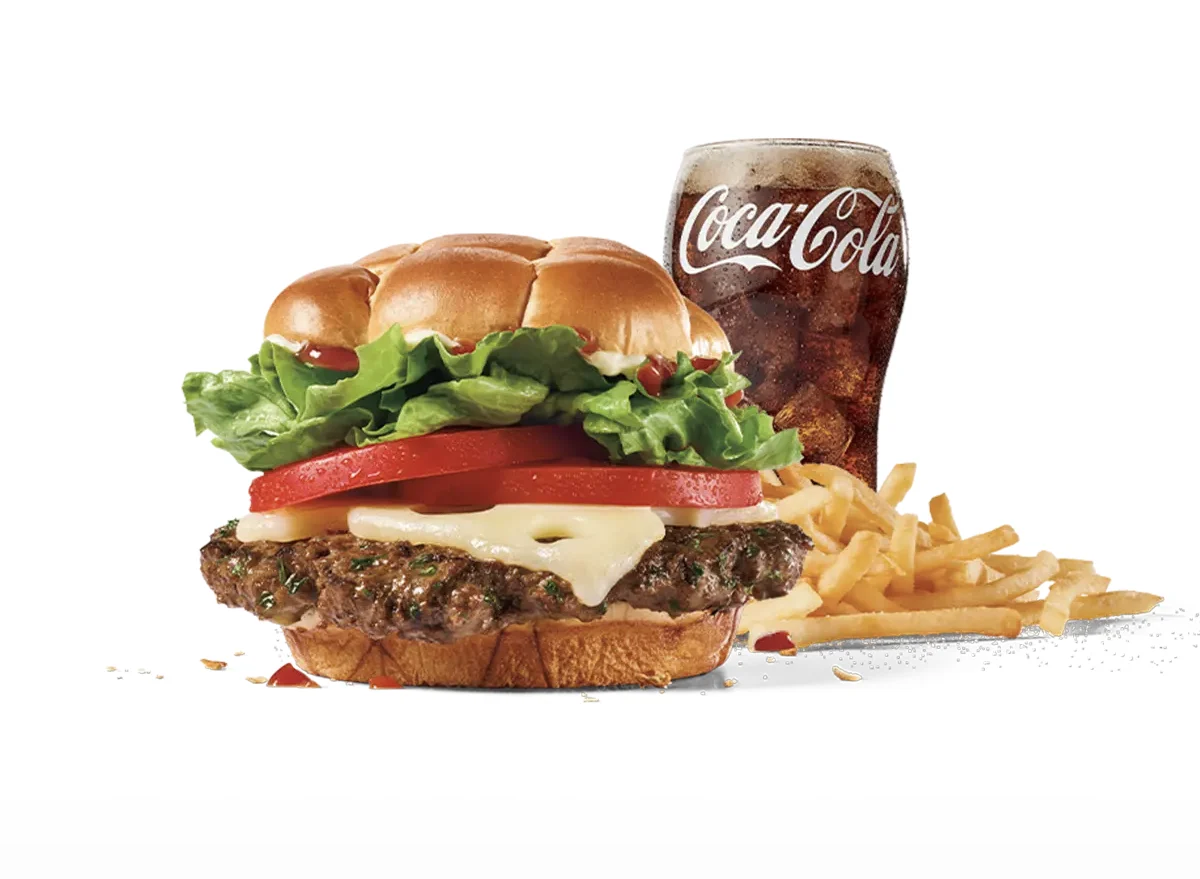
While the classic American cheeseburger is often cited as the pinnacle of casual dining, there is an elevated subset of the craft that takes the experience to a decadent new level: the ButterBurger. Born in the heart of the Midwest, this culinary staple relies on a simple yet transformative technique—incorporating butter directly into the cooking process—to create a flavor profile that is unmatched in richness and texture.
Whether the butter is melted onto a toasted bun or applied directly to the patty during the searing process, the result is a savory, melt-in-your-mouth experience that has captured the hearts of diners across the United States. While the concept originated in Wisconsin, the influence of the ButterBurger has transcended regional borders, with major national chains now competing to offer their own iteration of this indulgent treat.
The Origins: A Midwestern Culinary Tradition
The history of the ButterBurger is deeply intertwined with the dairy-rich heritage of Wisconsin. In the early 20th century, local diners and taverns began experimenting with ways to enhance the flavor of their ground beef patties. In a state where high-quality butter is as ubiquitous as the cattle that produce it, the solution was organic: adding a pat of butter to the patty or the bun added a creamy, silky mouthfeel that elevated a standard lunch into a gourmet event.
For decades, the ButterBurger remained a regional secret, enjoyed primarily in "supper clubs" and independent burger shacks scattered throughout the Upper Midwest. It wasn’t until the mid-to-late 20th century that the concept began to gain national recognition, driven largely by the expansion of regional fast-casual chains that brought these local delicacies to a wider audience.
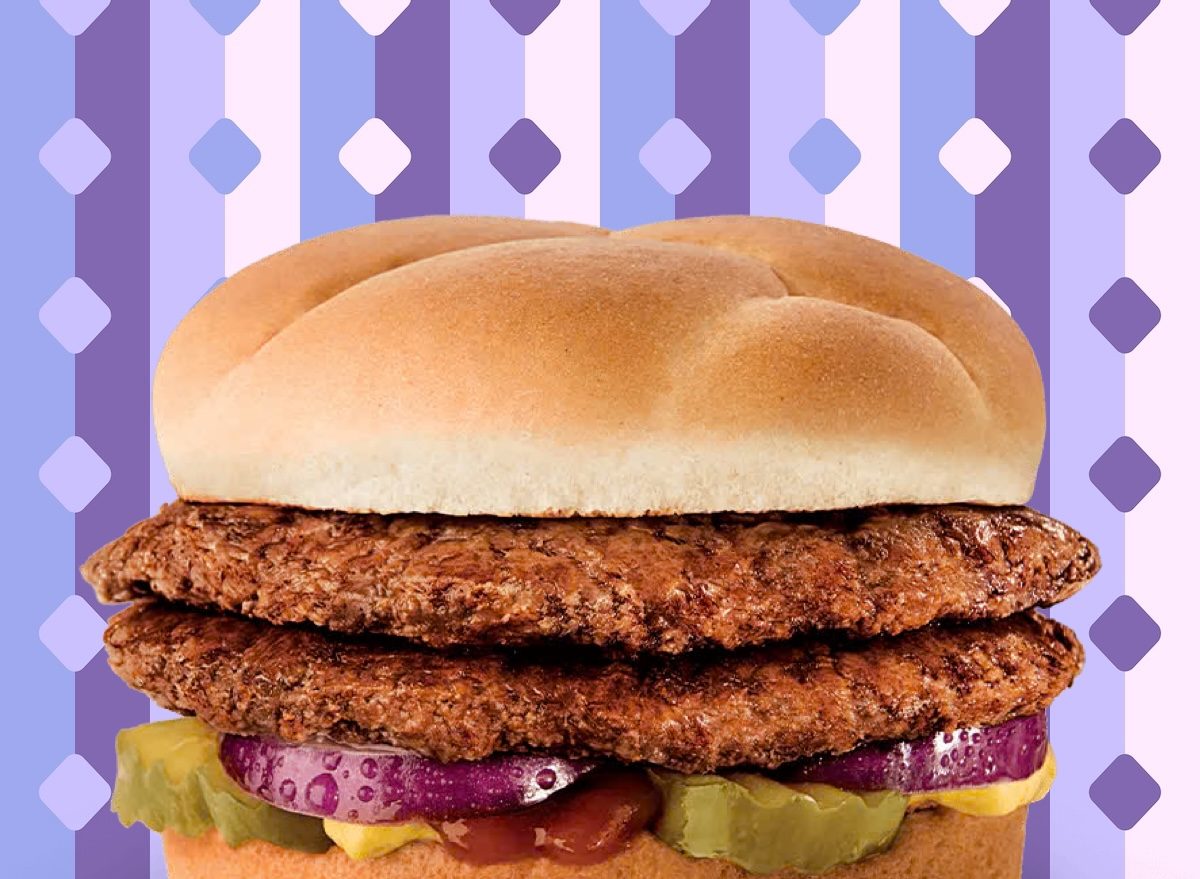
The Methodology: What Makes a Burger a "ButterBurger"?
To the uninitiated, a ButterBurger might sound like a simple greasy indulgence, but there is a specific culinary philosophy behind it. The goal is not merely to add fat, but to enhance the Maillard reaction—the chemical process responsible for the savory, browned crust on seared meat.
- The Bun Application: Many establishments toast their buns in a heavy layer of butter. This ensures that the bread is not only crispy and golden but also acts as a flavor carrier, absorbing the juices of the meat.
- The Patty Infusion: The more traditional Wisconsin approach involves placing a pat of butter on the patty as it finishes searing. As the butter melts, it bastes the meat, creating a rich, velvety coating that locks in moisture and adds a distinct dairy-forward depth.
- The "Smashed" Technique: Often, the butter is applied during the "smashing" process, where a ball of ground beef is pressed thin onto a scorching hot griddle, creating a crispy exterior that contrasts beautifully with the melting butter.
Top Destinations for the ButterBurger Experience
While many local diners across the country lay claim to the perfect recipe, four major chains have successfully industrialized the process, bringing this Midwestern comfort food to the masses.
1. Culver’s: The Gold Standard
Culver’s has become synonymous with the ButterBurger. By utilizing fresh, never-frozen beef and a commitment to made-to-order preparation, the chain has built a loyal following that views its menu as a cut above standard fast-food fare. Fans frequently point to the "freshness" factor, noting that the butter-toasted bun serves as the perfect vessel for their signature blend of chuck, sirloin, and plate beef. Online forums, including Reddit, are filled with testimonials from long-time fans who argue that despite the constant expansion of their menu, the original ButterBurger remains an "elite" culinary achievement.
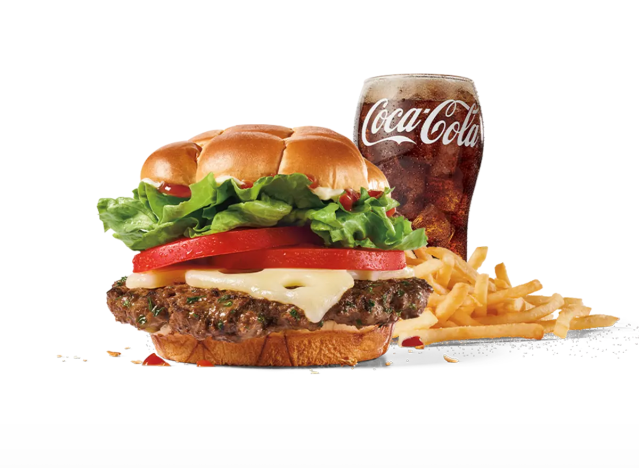
2. Jack in the Box: The "Buttery Smashed Jack"
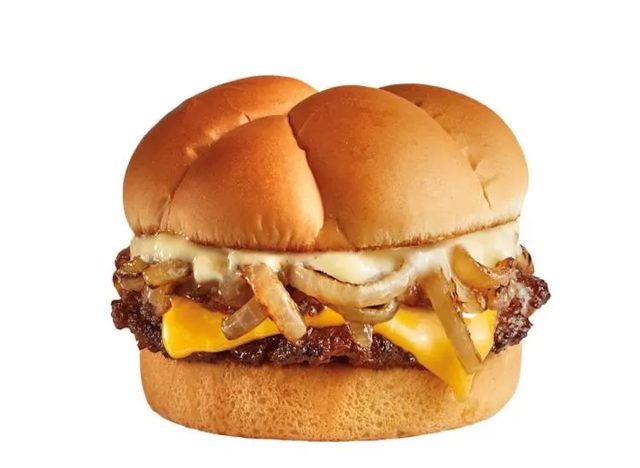
Jack in the Box entered the fray with the "Buttery Smashed Jack," a product designed to replicate the high-end smash-burger trend within a quick-service framework. By focusing on a "smashed" patty topped with savory butter, the chain has managed to capture a younger demographic seeking a premium texture. Diners have been vocal about the addictive nature of the sandwich, with many describing it as the "best hamburger" they’ve ever tasted in a fast-food environment, highlighting the intense, savory finish provided by the butter infusion.
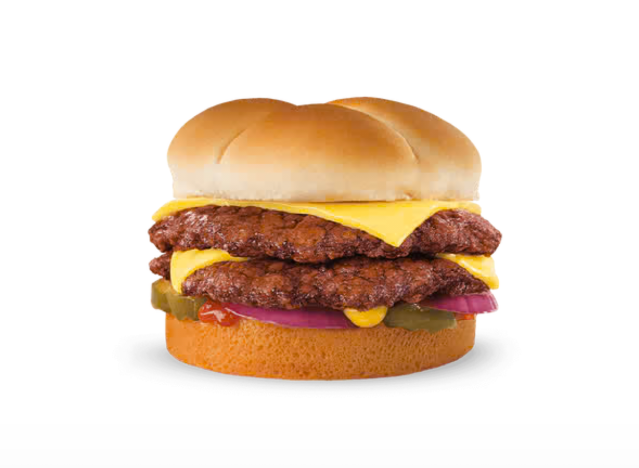
3. Steak ‘n Shake: The Classic Steakburger
Steak ‘n Shake holds a unique position in the market by branding their patties as "Steakburgers." Their approach to the ButterBurger—often served as a single or double—aligns closely with the traditional Wisconsin definition. It is treated as a core topping, much like American cheese or pickles, where a generous dollop of butter is added to the patty. This creates a signature "melted" quality that has defined the brand’s identity for years.
4. Smashburger: Modernizing the Tradition
Smashburger has taken a more contemporary approach, focusing on the "toasted bun" element of the butter tradition. By utilizing high-quality butter to toast their buns to a perfect crunch, they provide a textural contrast that allows the flavor of the beef to take center stage. Their commitment to fresh, high-quality ingredients has earned them a reputation as a destination for those who want a refined, "better-for-you" take on the traditional ButterBurger.
Supporting Data and Consumer Trends
Market research into the fast-casual sector reveals a significant shift in consumer preferences toward "premium" burger experiences. According to recent dining surveys, customers are increasingly willing to pay a higher price point for items that promise "artisanal" or "traditional" preparation methods. The ButterBurger taps into this trend by offering a sense of nostalgia and comfort, combined with a flavor profile that is perceived as higher quality than the standard fast-food patty.
Data from social media sentiment analysis shows that the word "ButterBurger" is frequently associated with descriptors like "rich," "juicy," and "worth the wait." This sentiment is particularly strong in regions outside the Midwest, suggesting that the "ButterBurger" brand has successfully transcended its geographic origins to become a recognized national category.
Official Responses and Culinary Evolution
Industry leaders have noted that the rise of the ButterBurger is part of a broader "premiumization" of the American burger. As chains like Culver’s continue to expand into new states, they are effectively educating the public on regional culinary traditions.
In official statements, executives from these chains have emphasized that the secret lies not just in the butter, but in the quality of the beef. "The butter is the final touch," says a representative from a top-tier chain. "But without the structural integrity of a high-quality, freshly seared patty, the butter would simply be a distraction. The magic is in the marriage of the two."
Implications for the Future of Fast Food
The success of the ButterBurger has significant implications for the future of the quick-service industry. As consumers grow more discerning, the "one-size-fits-all" burger model is facing increased pressure. Chains that adopt specific, flavor-forward techniques—like the butter infusion—are finding themselves better positioned to compete with both traditional fast-food giants and high-end "gourmet" burger bars.
Furthermore, the popularity of the ButterBurger has paved the way for other regional specialties to go national. If a Midwestern dairy-based tradition can win over the palates of Californians and New Yorkers, it stands to reason that other regional culinary treasures will soon find their way onto national menus.
Conclusion: A Timeless Indulgence
The ButterBurger is more than just a menu item; it is a testament to the power of simple, high-quality ingredients prepared with care. By focusing on the interplay between heat, fat, and beef, these chains have successfully elevated the humble hamburger into a staple of American comfort food. Whether you are a devotee of the classic Wisconsin-style patty at Culver’s or a fan of the modern, crispy approach at Smashburger, the ButterBurger continues to represent the very best of what happens when tradition meets the modern appetite. As the industry continues to evolve, one thing remains certain: the allure of the butter-toasted bun and the rich, savory finish of a perfectly buttered patty will keep diners coming back for years to come.
