


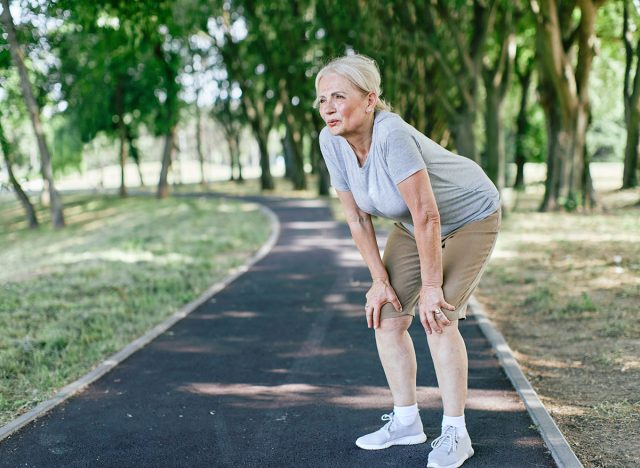
For many, reaching the age of 60 is a milestone marked by reflection, wisdom, and, unfortunately, a subtle but persistent decline in physical endurance. It is a common frustration: a previously simple walk up a local hill, an hour in the garden, or even the routine task of carrying groceries from the car to the kitchen suddenly leaves one breathless and depleted.
After nearly four decades as a personal trainer and 25 years serving as the director of TRAINFITNESS—the UK’s premier fitness education provider—I have witnessed this pattern across thousands of clients. The narrative is almost always the same: the "tank" that used to feel bottomless now runs dry without warning. However, this decline is not an inevitable consequence of aging. It is, in many ways, a symptom of a sedentary lifestyle that has inadvertently trained the body to lose its capacity for effort.
The Anatomy of the "Collapse Point"
The "collapse point" is the phenomenon I frequently describe to my clients. It is that precise moment during a daily activity when your energy levels plummet. It isn’t a gradual fade; it’s a sudden wall.
Why the Tank Runs Dry
The biological drivers behind this are threefold:

- Sarcopenia (Muscle Loss): As we age, we naturally lose muscle mass. Muscle is the engine of the body; with less of it, we have less metabolic "machinery" to perform work.
- Mitochondrial Efficiency: Our cells contain mitochondria, the microscopic "power plants" responsible for energy production. With age and inactivity, these mitochondria decrease in number and efficiency, meaning the body struggles to convert fuel into usable energy during exertion.
- Cardiorespiratory Decline: The heart and lungs become less efficient at delivering oxygen-rich blood to the muscles, resulting in quicker onset of fatigue.
Furthermore, there is a behavioral component. When we stop challenging our bodies with demanding tasks, our systems "forget" how to operate at higher outputs. Stamina is a classic "use-it-or-lose-it" system. By 60, many adults have spent years avoiding the very stresses that would keep their cardiovascular and muscular systems tuned.
The Flaw in Traditional Cardio
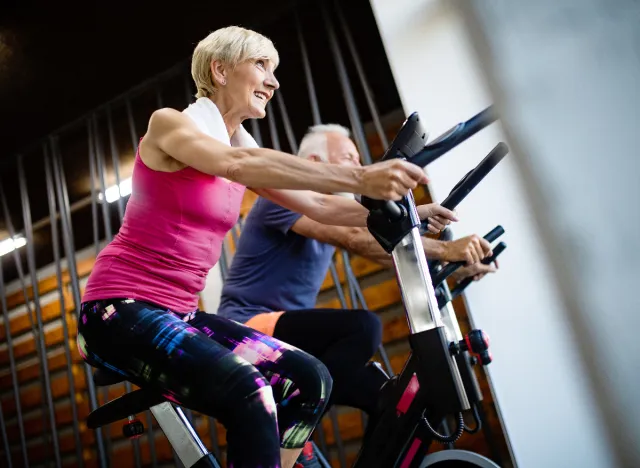
For decades, the standard advice for improving stamina has been "steady-state cardio"—jogging or cycling for 45 to 60 minutes. While this has its place, it presents three major hurdles for those over 60:
- Impact Trauma: Repetitive, high-impact activities like running can be taxing on aging joints, leading to inflammation or injury that halts progress entirely.
- The Boredom Barrier: Long, repetitive sessions often lead to poor adherence. If you don’t enjoy the activity, you won’t repeat it, and consistency is the cornerstone of fitness.
- The Muscle Paradox: Traditional cardio focuses on the heart but often neglects the muscles. As established, your stamina is housed within your muscles’ mitochondrial density. If you aren’t building muscle, you are missing half the equation.
The Strategy: A New Approach to Daily Stamina
To rebuild stamina effectively, we must shift the focus from long-duration, low-intensity training to short, high-frequency, functional movements. By integrating strength patterns with cardiovascular demand, we create a "double-duty" effect that builds endurance far more efficiently than standard gym workouts.
1. The Sit-to-Stand (Functional Power)
This movement is the ultimate test of independence. It recruits the glutes, quads, and core. By performing this for time, you elevate the heart rate while training the exact movement pattern required to get out of a chair, car, or bed.
2. Stair Step-Ups (Unilateral Endurance)
Using a single stair step, this exercise forces one leg to do the work at a time. It mimics the demand of climbing stairs, builds balance, and significantly taxes the cardiovascular system in a controlled environment.
3. Wall Push-Ups (Upper Body Capacity)
Many people over 60 struggle with "carrying fatigue." Wall push-ups develop the chest, shoulders, and triceps, ensuring that tasks like carrying laundry or moving household objects don’t leave your upper body shaking.
4. Standing March with Punches (Integrated Cardio)
Simply marching in place isn’t enough. By adding coordinated arm punches, you force the heart to work harder to supply oxygen to both the lower and upper body simultaneously. This is where real cardiovascular adaptation occurs.
5. Side-Steps with Arm Swings (Lateral Stability)
We rarely move laterally in daily life, which makes us prone to falls when we have to dodge an obstacle. This movement trains the hip stabilizers and keeps the heart rate elevated through rhythmic arm movement.
Chronology of Improvement: What to Expect
Fitness is not a linear journey, but there are clear markers of progress that participants can look forward to.
- Weeks 1–2 (The Neuromuscular Phase): You will notice the exercises themselves feel easier. This isn’t necessarily massive muscle growth yet; it is your brain and nervous system learning to coordinate your muscles more efficiently, reducing wasted effort.
- Month 1 (The Metabolic Shift): Everyday tasks become noticeably less draining. You’ll find you can carry groceries from the car without stopping, or finish a walk feeling energized rather than exhausted.
- Months 2–3 (The Expansion of the Tank): The "collapse point" moves. Where you previously felt winded after 20 minutes of activity, you can now sustain effort for 30 or 40 minutes. You are effectively shifting your aerobic threshold.
- Year 1 (The Biological Rebound): By sticking to this regimen, you are essentially reversing a decade of biological decline. With increased mitochondrial density and a stronger heart, your "stamina age" can be significantly lower than your chronological age.
Supporting Data and Evidence
Research in exercise gerontology consistently supports the efficacy of "circuit-style" training for older adults. A study published in the Journal of Aging and Physical Activity suggests that older adults who incorporate resistance-based intervals show significant improvements in VO2 max—the gold standard for measuring cardiovascular health—compared to those who stick exclusively to steady-state walking.
Furthermore, the American College of Sports Medicine (ACSM) notes that for adults over 60, "functional fitness"—exercises that mimic daily life—is more predictive of longevity and quality of life than traditional weightlifting or long-distance running.
Implications for Longevity
The implications of this training are profound. Stamina is not just about "not getting tired." It is about the ability to remain independent. When you possess the stamina to move through your day with ease, your risk of falls decreases, your mental health improves, and your ability to participate in hobbies, travel, and social events is preserved.
By dedicating just 10 to 15 minutes a day to these five movements, you are making a profound investment in your future. You are telling your body that you still have work to do, and your body, in turn, will build the infrastructure to ensure you can do it.
Getting Started: The Protocol
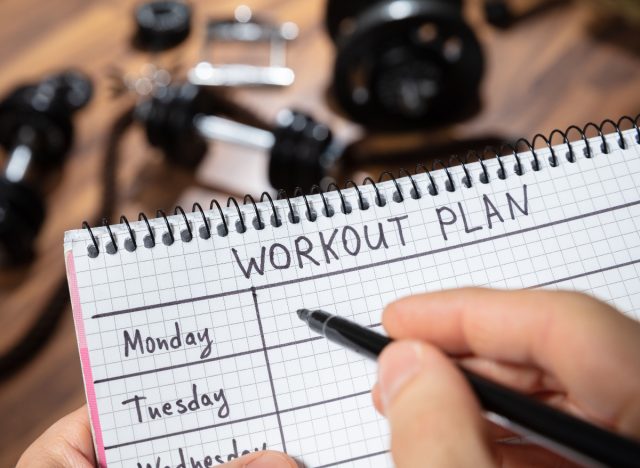
- The Circuit: Perform these five exercises back-to-back with 30 seconds of rest between each.
- Frequency: Aim for six days a week. Treat Sunday as a recovery day to allow your tissues to consolidate the gains made during the week.
- The "Base" Walk: Complement this with a 20-minute daily walk. This provides a steady aerobic foundation that allows your "all-out" circuit work to be more effective.
- Progression: After the first month, do not stop. Increase the intensity by adding 15 seconds to each exercise or adding a second (or third) round to the circuit.
Remember: the goal is not to train for a marathon; it is to ensure that your "tank" is full enough to handle whatever life throws at you—whether that’s a flight of stairs, a long walk, or an afternoon in the garden. Your stamina is waiting to be reclaimed; you need only start today.
