

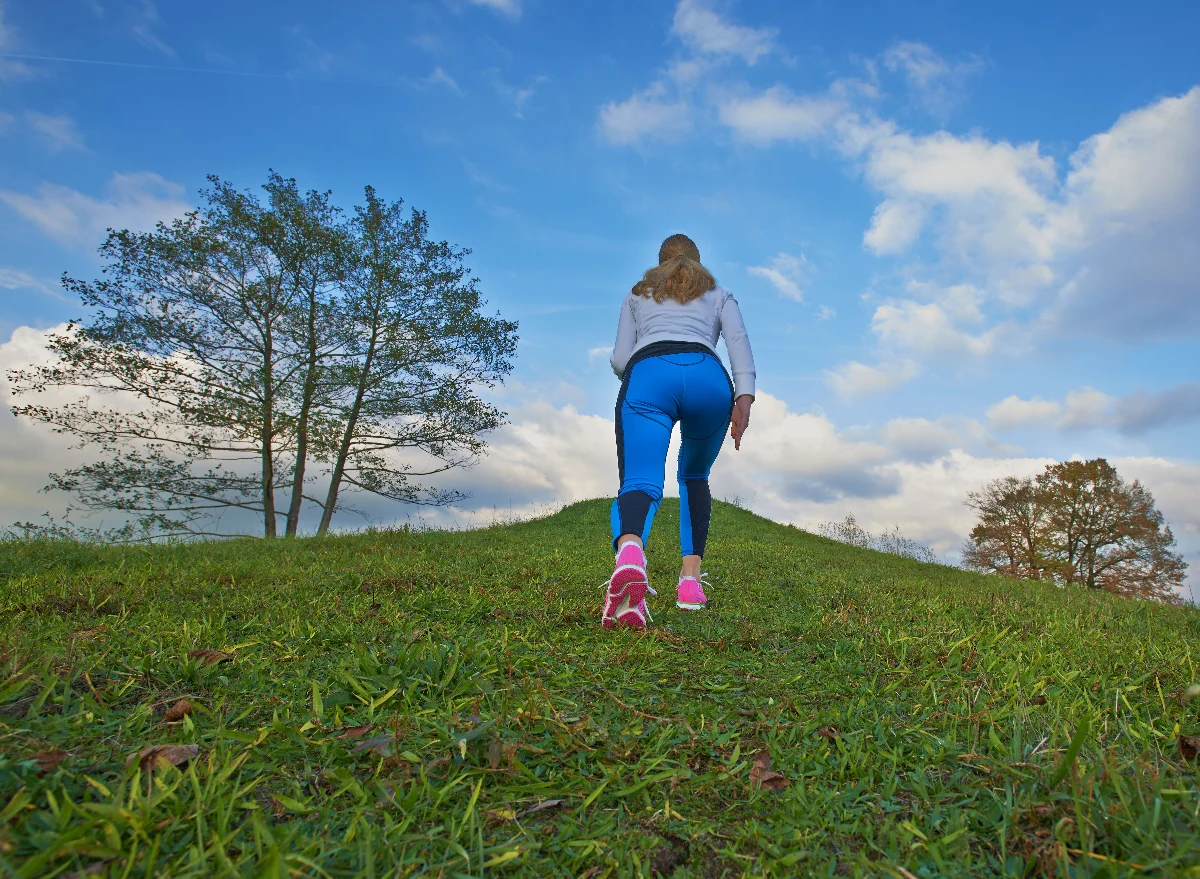
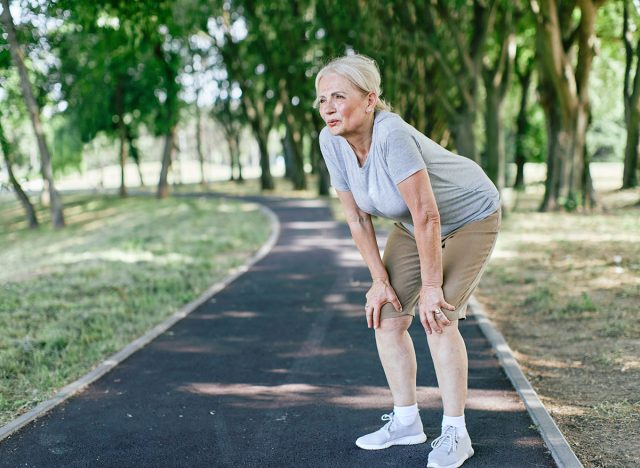
For many, the milestone of turning 60 brings with it a subtle but pervasive frustration: the "collapse point." It is that inexplicable moment when the energy tank hits empty—perhaps halfway through a flight of stairs, during a morning in the garden, or while hauling groceries from the car. The vigor that once seemed bottomless now appears to have a firm expiration date, and for millions of older adults, the transition from active to exhausted feels like a sudden cliff edge.
However, according to veteran fitness expert and director of TRAINFITNESS, the UK’s premier fitness education provider, this decline is not an inevitable consequence of aging. After four decades in the trenches of personal training, he argues that the traditional approach to cardio is actually failing the over-60 demographic. By shifting focus from long, steady-state endurance to high-utility, short-burst movement, it is possible to reclaim lost stamina and, in many cases, turn back the clock by a decade.
The Physiology of the "Collapse Point"
To understand why stamina vanishes, one must look at the cellular level. As we age, the human body undergoes a "perfect storm" of biological changes. Primarily, there is a decline in muscle mass—a process known as sarcopenia—which reduces the body’s functional power. Simultaneously, the cardiovascular system becomes less efficient, and the "mitochondrial density" within our cells begins to wane.
Mitochondria are the powerhouse organelles of our cells; they convert nutrients into the adenosine triphosphate (ATP) that fuels every movement. As these energy factories decrease in number and efficiency, the body loses its ability to sustain effort over time.
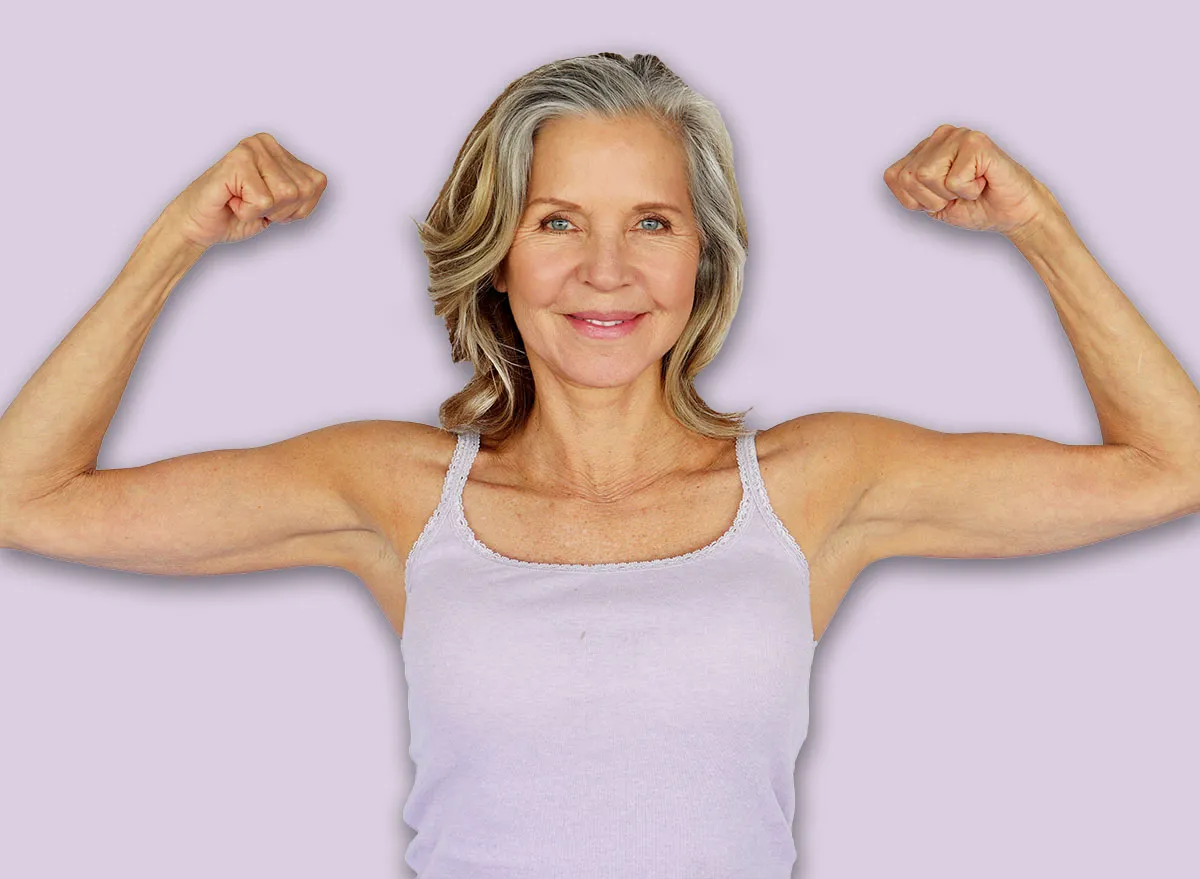
Furthermore, many individuals over 60 fall into a cycle of sedentary avoidance. When movement becomes difficult, the natural inclination is to move less. This creates a "use-it-or-lose-it" trap. Stamina is a system that demands constant calibration; when the body is not regularly challenged, it essentially "forgets" how to manage sustained exertion.
The Failure of Traditional Cardio
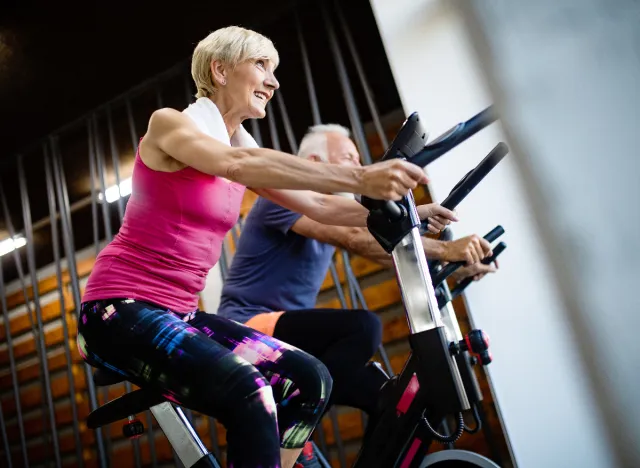
For decades, public health guidelines have touted 45 to 60 minutes of steady-state jogging, swimming, or cycling as the gold standard for heart health. However, for the post-60 demographic, this model is often flawed for three distinct reasons:
- Joint Integrity: The repetitive, high-impact nature of traditional jogging or long-duration cycling can exacerbate wear and tear on joints that have already seen sixty years of use.
- Psychological Fatigue: Boredom is a primary driver of non-adherence. Spending an hour on a treadmill is a psychological hurdle that many find impossible to maintain long-term.
- The Muscle Disconnect: Traditional cardio often neglects the strength-building component necessary to sustain effort. Without sufficient muscle engagement, the aerobic system lacks the foundation it needs to thrive.
A New Protocol: The 5-Move Daily Circuit
The solution is not to do more cardio, but to do smarter movement. The following five-move circuit is designed to be completed in under 15 minutes, requiring no gym equipment and minimal space. By focusing on functional strength and heart-rate elevation, this protocol mimics the intensity required by daily life.
1. The Sit-to-Stand (Functional Power)
This is the ultimate test of independence. By repeatedly rising from a chair without using your hands, you engage the quadriceps, hamstrings, and glutes—the body’s largest muscle groups. This movement is the foundation for walking, climbing, and lifting.
2. Stair Step-Ups (Load Management)
Using the bottom step of a staircase, this exercise forces the body to load one leg at a time. This unilateral training is critical for balance and stability, effectively training the body to navigate uneven terrain or sudden obstacles.
3. Wall Push-Ups (Upper-Body Endurance)
Many seniors lose the ability to perform overhead tasks because they lack upper-body endurance. The wall push-up provides a safe, scalable way to load the chest, shoulders, and triceps, ensuring that tasks like carrying laundry or reaching for kitchen items remain easy.
4. Standing March with Punches (Dual-Tasking)
While simple marching is beneficial, adding rhythmic arm movements (punches) forces the cardiovascular system to work harder. This "dual-tasking" approach challenges the brain-body connection, which is vital for coordination as we age.
5. Side Steps with Arm Swings (Lateral Stability)
Most daily movement occurs in a linear plane (forward and backward). Lateral movement, or moving side-to-side, is rarely practiced, leading to weakness in the stabilizers of the hip. This move corrects that imbalance while simultaneously keeping the heart rate elevated.
Chronology of Progress: What to Expect
The transformation does not happen overnight, but the trajectory of improvement is predictable and measurable.
- Weeks 1–2: The Neural Adaptation. During the initial phase, the routine will feel slightly awkward. This is your nervous system learning to coordinate the movements. You will notice that the exercises themselves feel easier to perform as the "wasteful" movements are smoothed out.
- Week 4: Increased Capacity. By the end of the first month, the "collapse point" begins to shift. Tasks that used to leave you breathless—like carrying a full load of groceries from the car to the kitchen—will begin to feel routine rather than daunting.
- Weeks 6–8: Stamina Expansion. This is where the physical changes become undeniable. Where a flight of stairs once required a recovery period, you will find yourself reaching the top with a normal breathing rate. The "tank" has effectively grown larger.
- 12 Months and Beyond: Biological Rejuvenation. Consistent, daily application of these moves leads to long-term mitochondrial health and improved cardiovascular efficiency. At the one-year mark, the cumulative effect is often described by participants as feeling 10 years younger in terms of functional vitality.
Expert Consensus and Supporting Data
While the personal trainer’s protocol focuses on simplicity, the underlying science is supported by decades of research in exercise gerontology. Studies consistently show that "functional training"—exercise that mimics the activities of daily living (ADLs)—is more effective at preserving independence than isolated machine-based training.
The American College of Sports Medicine (ACSM) notes that for older adults, the combination of resistance training and aerobic challenge is the "gold standard" for metabolic health. By performing these movements as a circuit with minimal rest, the heart is kept in an aerobic zone, which improves stroke volume (the amount of blood the heart pumps per beat) and vascular elasticity.
Implications for Longevity
The implications of this training method extend far beyond the ability to walk up a hill. By building "stamina reserves," individuals significantly reduce their risk of falls, improve their metabolic profile, and enhance their cognitive health.
When you strengthen the body’s ability to recover from short bursts of activity, you aren’t just training for the gym—you are training for life. The goal is to ensure that when an unexpected task arises, your body has the physiological overhead to handle it without hitting that dreaded "collapse point."
In an era where "active aging" is the goal for everyone, this protocol offers a democratized, low-barrier entry point to reclaiming physical agency. It requires no gym membership, no specialized equipment, and, most importantly, no "traditional" treadmill boredom. By dedicating less than 15 minutes a day, the promise of a more capable, energetic future is well within reach for anyone over 60 willing to put in the work.
