

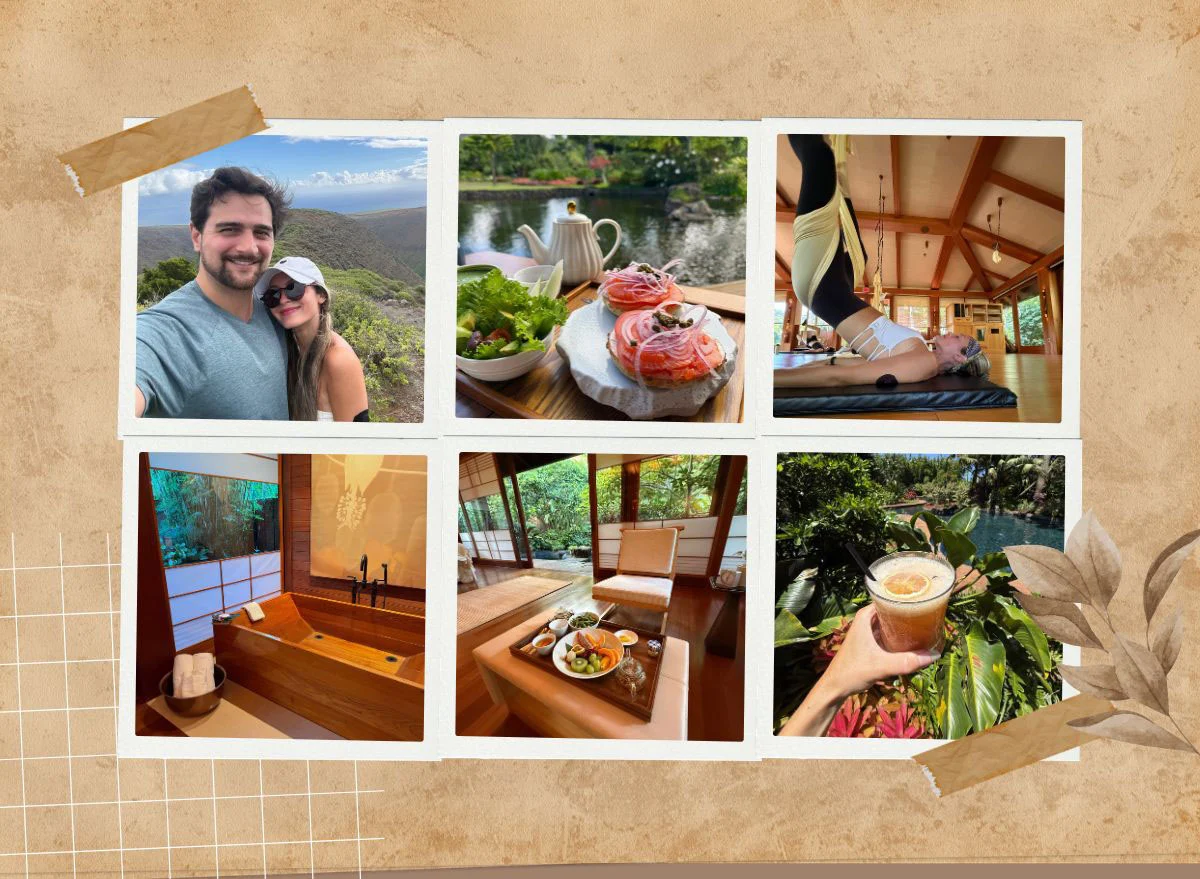
Imagine waking up to the gentle rustle of Cook pines in the uplands of Lānaʻi, Hawaii. Your day begins not with a jarring alarm, but with the quiet luxury of the Sensei Lānaʻi, a Four Seasons Resort. You step out onto your balcony to sip vanilla rooibos tea as the sun warms the lush gardens below. Breakfast is a deliberate choice: house-cured Ora King salmon on a bagel or whole wheat blueberry pancakes, enjoyed beside a tranquil koi pond.
This isn’t just a high-end vacation; it is a clinical deep-dive into the self. As the global interest in "longevity travel" shifts from simple spa relaxation to data-driven health optimization, resorts like Sensei are leading the charge. By integrating continuous glucose monitoring (CGM) into a five-night immersive retreat, guests are discovering that their metabolic health—the way their bodies produce, store, and utilize energy—is the master key to long-term vitality.
The Core of Metabolic Health
Metabolic health is often misunderstood as a synonym for weight management. In reality, it is a complex symphony of physiological processes. It reflects how your body manages energy intake and expenditure, influenced heavily by the interplay of sleep, chronic stress, physical movement, and nutrition.

At Sensei, the goal is to demystify these internal mechanics. The program includes three private, 60-minute sessions: Foundations of Metabolic Health, My Metabolic Edge, and Virtual Nutrition. The latter, conducted after the guest returns home, is a crucial component designed to bridge the gap between a curated retreat experience and the "real world," where habits are formed and sustained.
Chronology of a Data-Driven Retreat
During my recent stay, the integration of technology was immediate. Upon arrival, my husband and I were equipped with Continuous Glucose Monitors (CGMs). These small, wearable devices provide a real-time stream of data, turning abstract health concepts into tangible, minute-by-minute feedback.
Day One: The Baseline
The first day served as a calibration period. I started with a modest granola bar and coffee with milk, observing a predictable, minor glucose rise. The real test came during a strenuous, two-hour hike up the Koloiki Ridge. Despite the 4.9-mile trek and significant elevation gain, my glucose remained remarkably stable. This provided my first lesson: physical activity doesn’t always result in a downward trend on a glucose monitor. My body was efficiently tapping into stored glycogen and releasing glucose into the bloodstream to fuel my muscles for the climb.

The Mid-Stay: Meal Experiments
As the week progressed, I began to experiment with my diet to see how different macronutrient profiles influenced my readings. A mushroom toast and matcha latte breakfast triggered a more significant spike than the granola, yet it returned to baseline within an hour. An afternoon in the onsen plunge pools—a form of "thermal stress"—also triggered a minor, fascinating rise, illustrating that metabolic health is not just about calories; it is about how the body reacts to environmental stimuli.
The Final Stretch: Real-World Application
Transitioning toward the end of the program, I tested my new knowledge against everyday indulgences. A sunset picnic featuring a California roll resulted in a rapid spike beyond the 140 mg/dL threshold—a stark contrast to a dinner of steak fajitas, which saw a slower, more manageable rise. These observations were not meant to induce guilt, but to provide a blueprint for how I can navigate future dining choices.
Supporting Data: Why CGMs Matter
According to Danielle Hildreth, a Registered Dietitian, Certified Holistic Nutritionist, and Sensei Guide, the CGM is a paradigm shift in preventive care.

"While fasting glucose and routine blood work offer a snapshot, they are static," Hildreth explains. "A CGM provides a movie, not a photograph. It reveals how individual biologies respond to specific foods. Two people can eat the exact same apple, and their glucose response will be fundamentally different. A CGM helps us move past generic nutrition advice and toward a truly personalized plan."
The data supports the "protein-fiber-fat" triad. My readings confirmed what science suggests: pairing carbohydrates with protein and fiber (like avocado or lean steak) flattens the glucose curve, preventing the energy crashes that lead to brain fog and cravings.
Expert Perspectives: The Role of Lifestyle
The most striking takeaway from the Sensei program is that diet is only one pillar of metabolic health. Hildreth emphasizes that the "Metabolic Edge" is earned through behavior change.

"When guests see in real-time that a brisk walk after a high-carb meal significantly blunts the glucose spike, it creates a ‘lightbulb moment,’" says Hildreth. "That connection between action and outcome is the most powerful tool for sustainable habit formation. It turns the chore of ‘exercising’ or ‘eating vegetables’ into an act of self-optimization."
The resort’s focus on restorative sleep and stress management also plays a role in the metabolic equation. Elevated cortisol—the body’s stress hormone—can cause blood sugar to rise even in the absence of food. By balancing intense activity with aerial yoga and meditation, the Sensei program ensures that the nervous system remains in a state where metabolic efficiency is possible.
Implications for Long-Term Longevity
The implications of this retreat extend far beyond the five-night stay in Lānaʻi. The goal of this evidence-led experience is to empower guests to become the architects of their own health.

- Precision Nutrition: Guests leave with a deep understanding of which "healthy" foods might actually be causing them internal friction.
- Behavioral Agility: The ability to pivot—to take a walk after a large meal or prioritize a protein-heavy breakfast after a night of poor sleep—becomes second nature.
- Reduced Metabolic Burden: By keeping glucose levels stable, individuals can reduce the risk of chronic inflammation and metabolic syndrome, the underlying precursors to many modern diseases.
As the wellness industry continues to evolve, the "Sensei approach" marks a turning point. It replaces the passive luxury of a standard spa retreat with an active, participatory model of health.
Conclusion
My time with the metabolic health program at Sensei was not about restriction; it was about liberation through information. By approaching the data with curiosity rather than judgment, I learned to listen to my body’s signals.
As Hildreth noted during our final session, "Your success came from being engaged in the process." Whether you are looking to optimize your physical performance, improve your energy levels, or simply understand how your unique biology interacts with the world, the marriage of luxury travel and biometric data is proving to be the next frontier in human longevity. We are no longer just guessing what makes us feel well—we are measuring it, and in doing so, we are taking control of our futures.
