

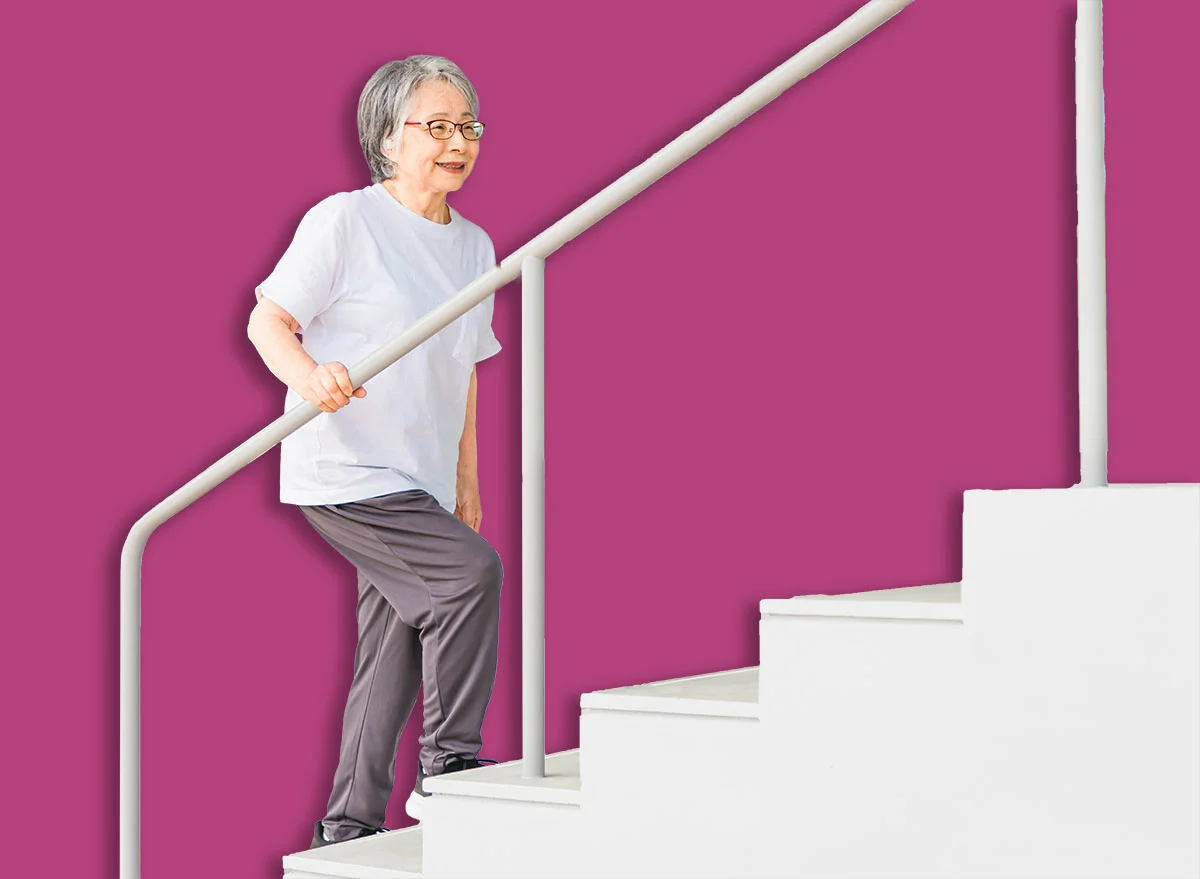
In the modern era of fitness, we often prioritize high-tech wearables, expensive gym memberships, and complex data tracking to monitor our health. However, some of the most effective diagnostic tools for assessing functional longevity are hiding in plain sight—often right in our own homes. For millions of aging adults, the humble staircase is not merely a household feature; it is an underutilized, highly effective tool for measuring lower-body power, cardiovascular health, and the risk of future mobility decline.
As we navigate the aging process, the natural, progressive loss of muscle mass—a condition known as sarcopenia—often takes center stage in health discussions. Yet, experts are increasingly highlighting a more subtle, equally critical culprit: the loss of "power." According to Steven Pungello, a doctor of chiropractic at Full Stride Spine & Sport, maintaining the ability to navigate stairs quickly and safely is a "gold standard" indicator of physical independence.
The Science of Power: Why Speed Matters More Than You Think
To understand why the "Staircase Challenge" is so significant, we must first distinguish between raw strength and power. Strength is the ability of a muscle to exert force against resistance. Power, conversely, is the product of strength and speed. It is the ability to exert that force quickly.
As we move past the age of 60, our bodies begin to undergo physiological changes that prioritize the preservation of endurance over explosive capability. Because we tend to avoid high-intensity or "explosive" movements as we age, we often fail to notice that our power is declining long before our actual muscle mass drops significantly.
"Power is a measurement of strength and time," explains Dr. Pungello. "Seeing how fast you can ascend a flight of stairs is an excellent way to determine if you have both the raw strength and the neurological capacity to utilize that strength in real-time. It is about ensuring you can navigate your environment safely without the risk of falls."

The Benchmark: Measuring Your Functional Longevity
The assessment recommended by experts is deceptively simple but provides a clear snapshot of where your fitness stands. For those seeking to gauge their current functional age, the standard target is to climb four flights of stairs in less than 60 seconds.
Reaching this milestone is considered a sign of "elite power" for those aged 60 and older. If you can achieve this feat, your leg power may effectively rival that of an individual a full decade your junior.
How to Conduct the At-Home Assessment
If you do not have a four-story home or access to a long staircase, you can still perform a valid diagnostic test. Follow these professional guidelines to ensure accuracy and, more importantly, safety:
- Preparation: Ensure the staircase is well-lit and the surface is slip-resistant. Wear supportive, athletic footwear.
- Execution: Begin with both feet planted firmly on the ground at the base of the stairs. Start your timer as you initiate the climb.
- The Climb: Proceed up and down the staircase at a pace that is challenging but safe for your current fitness level.
- Completion: Stop the timer only when both feet are once again planted firmly on the ground at the bottom.
- Safety First: It is entirely acceptable—and encouraged—to utilize the handrail. The goal is to measure your power while maintaining your balance.
If your home lacks a full staircase, you can adapt the test by finding a single step or a small platform. Perform a "step-up" cadence for two minutes. By tracking your total repetitions, you create a personal baseline that you can aim to improve over time.
A Chronological Look at Aging and Mobility
To understand the urgency of these exercises, one must look at the timeline of age-related physical decline.
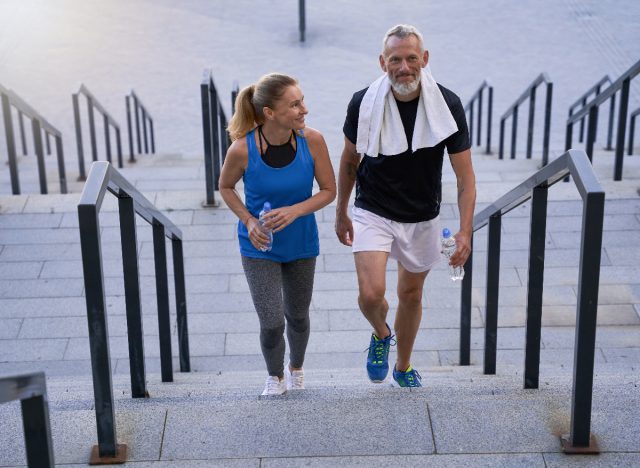
- The Mid-Life Plateau (Ages 40–50): Most adults reach their peak physiological performance in their 30s. During the 40s and 50s, unless a consistent resistance-training regimen is in place, there is a subtle but measurable decline in fast-twitch muscle fibers—the very fibers responsible for explosive power.
- The Threshold (Ages 60+): By the time we hit our 60s, the "functional buffer" begins to shrink. This is the period where the difference between "walking" and "walking with purpose" becomes critical. The ability to climb stairs quickly becomes a proxy for whether an individual can catch themselves if they trip or react quickly to an unexpected obstacle.
- The Long-Term Implication (Ages 70+): At this stage, mobility is the primary factor in determining the ability to "age in place." Those who have maintained their stair-climbing power are significantly less likely to experience the type of mobility-limiting falls that often force a move to assisted living.
Supporting Data: The Benefits of Vertical Training
Stair climbing is more than just a test; it is an exceptional form of exercise that engages multiple muscle groups simultaneously, including the calves, quadriceps, hamstrings, and glutes.
Research published in various physiological journals confirms that stair climbing provides a higher caloric burn per minute than jogging and acts as a weight-bearing activity that stimulates bone density. By forcing the body to lift its own weight against gravity, stair climbing acts as a functional weight-lifting session.
Furthermore, the act of descending the stairs is just as important as ascending. Eccentric muscle contractions—which occur while walking down—are essential for joint stability and strengthening the connective tissues around the knees and ankles.
Official Recommendations and Safety Precautions
While the "Staircase Challenge" is a valuable tool, health professionals emphasize that it should not be performed by anyone currently recovering from injury or those with significant balance disorders without prior consultation with a physician.
Key Tips for Safe Practice:
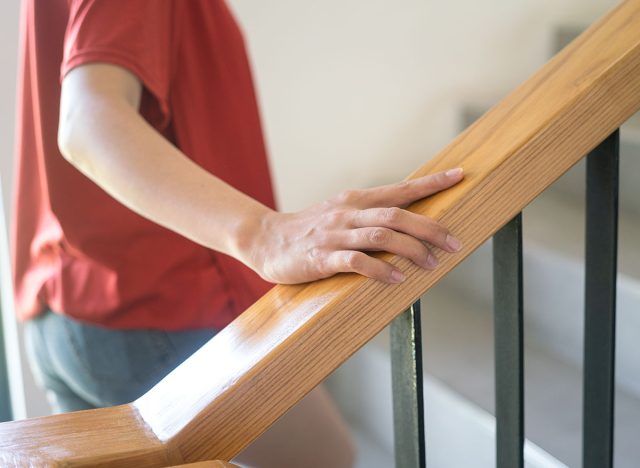
- Maintain Three Points of Contact: If you feel unstable, keep one hand on the railing at all times.
- Listen to Your Joints: Sharp pain in the knees or hips is a red flag. If you experience pain, stop immediately and focus on low-impact strengthening exercises, such as seated leg extensions, before attempting the stair test again.
- Consistency over Intensity: You do not need to sprint up the stairs daily. Integrating a few rounds of stair climbing into your weekly routine provides the necessary stimulus to maintain power without overtaxing your recovery systems.
Implications for Future Independence
The most profound implication of this data is the link between "stair power" and independence. We often think of exercise as a way to look better or lose weight, but for the senior population, exercise is the primary insurance policy against the loss of agency.
When you lose the ability to climb stairs, you lose access to parts of your home, your office, and your community. You become dependent on elevators, ramps, and the assistance of others. By using the staircase as a training ground, you are essentially "bankrolling" your future mobility.
Dr. Pungello’s research and advice highlight a shift in how we should view our homes. Instead of looking for single-story living spaces as we age, we should perhaps view our existing stairs as a "home gym" that is always open.
"As we age, we don’t do as many explosive activities," Pungello notes. "Stair climbing is an accessible way to test this, and you may be able to slow that power loss before you begin to rapidly lose muscle mass."
Conclusion: Take the First Step
If you are over the age of 60, take a moment to look at the stairs in your home today. Do you view them as an obstacle, or as an opportunity?

The beauty of the Staircase Challenge is its simplicity. It requires no equipment, no membership, and only a few seconds of your time. By establishing your baseline today and working toward the "elite" standard of four flights in under a minute, you aren’t just training for a fitness test—you are building the physical foundation required to remain active, mobile, and independent for years to come.
Start small. Time yourself, record your results, and focus on steady improvement. Your future self will thank you for the power you cultivate today.
