

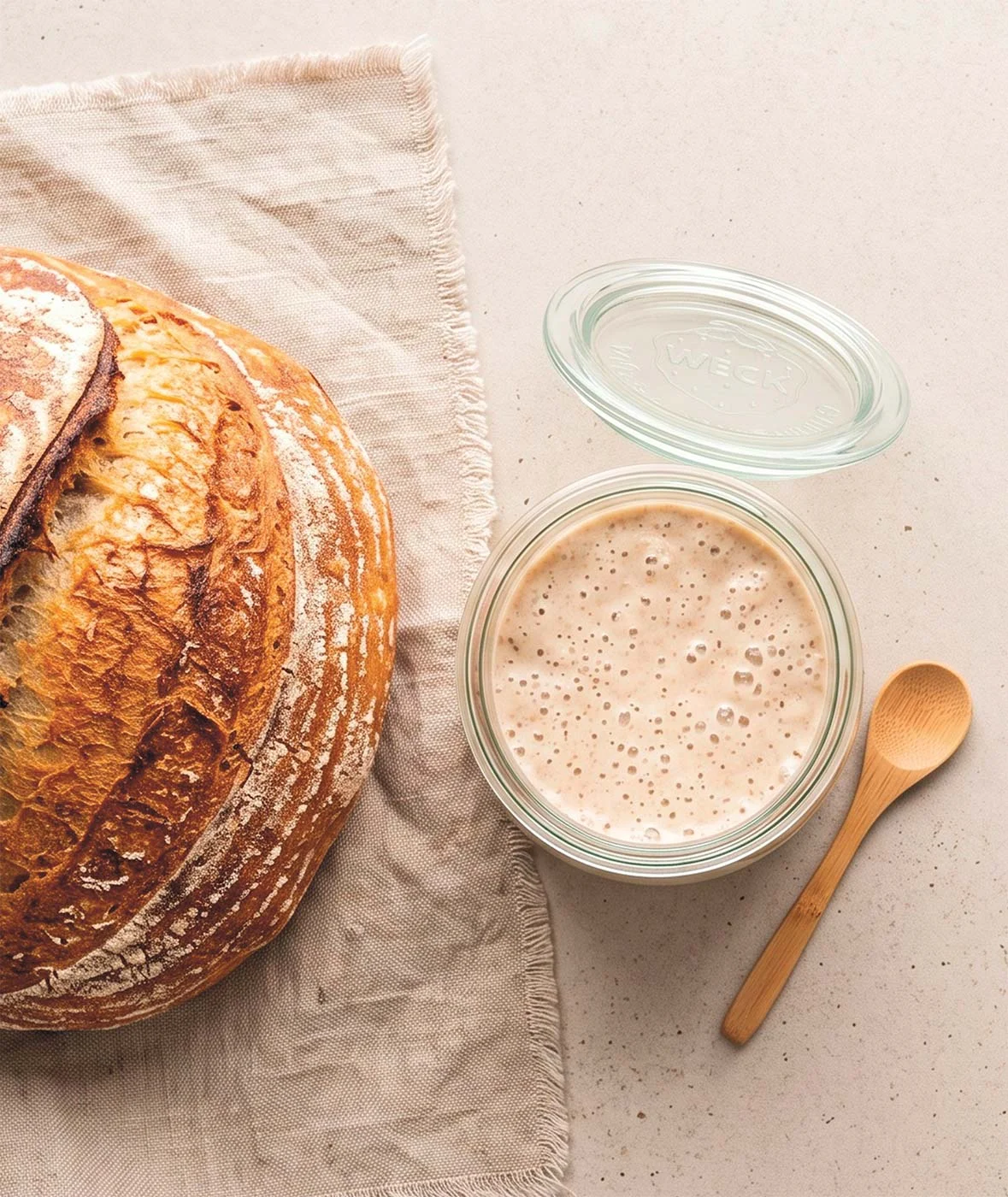
In the modern landscape of nutrition, bread has long been cast as a villain. Often relegated to the "empty calorie" category, the standard grocery store loaf is frequently associated with blood sugar spikes, inflammation, and digestive distress. However, a quiet revolution is taking place in kitchens and artisanal bakeries across the country. Sourdough—an ancient, fermented staple—is reclaiming its position as a cornerstone of a healthy diet.
Beyond its tangy flavor and characteristic chewy crust, sourdough represents a triumph of biological alchemy. By harnessing the power of wild yeast and beneficial bacteria, this traditional method of bread-making transforms simple flour and water into a nutrient-dense, gut-friendly superfood.
The Science of Fermentation: A Microbiome Ally
At the heart of the sourdough resurgence is the science of fermentation. According to Judy Dunlop, a Registered Dietitian and clinical nutrition manager at Capital Health in Trenton, we must rethink our relationship with fermented foods.
"Fermented foods have been around for thousands of years, and the process was originally used as a primary method for preserving meat, fish, fruit, and vegetables," Dunlop explains. "Today, we recognize that this natural preservation process does far more than just keep food from spoiling; it creates a bioactive environment that positively impacts human health, particularly in the gut."
The human microbiome is an intricate ecosystem consisting of trillions of organisms. Dunlop notes that modern dietary patterns often lack the diversity required to keep this ecosystem thriving. "Fermented foods like sourdough act as a delivery system for beneficial bacteria," she says. "By introducing these cultures into our digestive tract, we enhance microbiome diversity, which is intrinsically linked to systemic health."
When we consume sourdough, we aren’t just eating carbohydrates; we are consuming a product that has been pre-digested by beneficial microbes. This process imparts several health-promoting properties, including anti-inflammatory effects and the modulation of immune signals. Perhaps most significantly, fermentation makes the nutrients within the grain more "bioavailable," meaning our bodies can absorb minerals that would otherwise be locked away.
A Brief Chronology of the Sourdough Journey
The history of sourdough is, in many ways, the history of human civilization.

- Ancient Beginnings (c. 3000 BCE): While the exact origins are debated, historians point to ancient Egypt as the cradle of sourdough. It is believed that a mixture of flour and water was accidentally left out, allowing wild yeast from the air to colonize the dough. The resulting bread was lighter and more flavorful than unleavened flatbreads, and the practice spread rapidly throughout the Mediterranean and Europe.
- The Middle Ages to the 19th Century: Sourdough remained the primary method of leavening for thousands of years. It was a communal process; families and villages often maintained a single "mother" starter, passed down through generations.
- The Industrial Shift (Late 19th Century): The invention of commercial baker’s yeast (Saccharomyces cerevisiae) changed the world of bread. Engineered for speed and uniformity, commercial yeast allowed for rapid production, effectively sidelining the slower, more unpredictable sourdough process.
- The Global Pandemic (2020): Facing yeast shortages and an abundance of time at home, the world rediscovered the "mother." Sourdough became a symbol of self-reliance and wellness, sparking a global movement of home-baking that has continued to evolve into a serious culinary pursuit.
How Sourdough Outperforms Conventional Bread
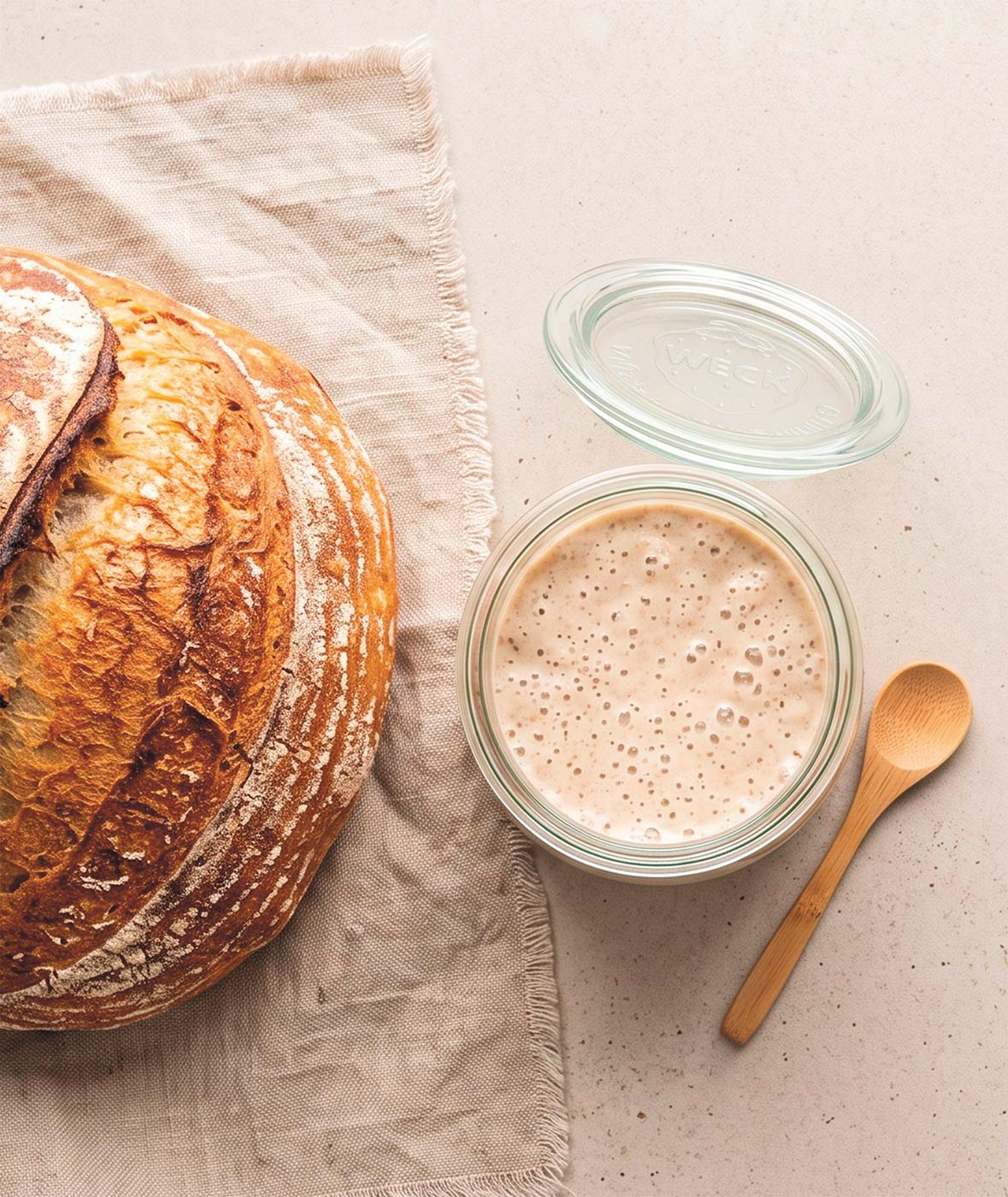
The fundamental difference between a commercial loaf and a true sourdough lies in the "starter." While commercial bread uses a monoculture of laboratory-grown yeast, sourdough relies on a complex, living ecosystem of wild yeast and lactic acid bacteria (primarily Lactobacillus).
The Breakdown of Gluten
"When the yeast and bacteria consume the carbohydrates from the flour, it produces beneficial acids, enzymes, and postbiotic compounds," Dunlop notes. One of the most critical transformations is the breakdown of gluten. During the long fermentation process, the Lactobacillus bacteria begin to break down the proteins in wheat. For individuals with mild gluten sensitivities, this pre-digestion can make the final product significantly easier to digest than bread leavened with commercial yeast.
The Phytase Factor
Grains contain a compound called phytic acid, which acts as an "anti-nutrient." It binds to minerals like calcium, magnesium, zinc, and iron, preventing the body from absorbing them efficiently. Sourdough fermentation triggers the production of an enzyme called phytase. This enzyme effectively neutralizes phytic acid, unlocking these essential minerals and making them readily available for the body to utilize.
Insights from the Artisans
Mary Parr, the proprietor of Sourland Bread in Ringoes, is a testament to the healing power of traditional baking. Having struggled with gluten sensitivity for years, she found relief only after discovering European-style sourdough.
"In Europe, I could eat bread and feel completely fine," Parr recalls. "It forced me to ask: what are we doing to bread in the States?" Her search for an answer led her to the complex world of wild cultures.
Parr emphasizes that a starter is more than just a leavening agent; it is a geographic record. "There are dozens of strains of bacteria in our environment, and your starter reflects that," she says. "It’s like wine—it has a terroir. I’ve traveled the country with my starter, and I even made a point to bring it to San Francisco to incorporate the famous Lactobacillus sanfranciscensis."
This commitment to the "culture" of the bread results in a depth of flavor and a nutritional profile that simply cannot be replicated in a factory.
The Hydration and Texture Connection
While the biological benefits are clear, the physical qualities of sourdough are equally impressive. One of the most common questions regarding sourdough is the origin of its signature "holes" and its long shelf life.
According to Parr, the secret is hydration. "Most commercial grocery store breads are about 50% water, leading to a tight, uniform crumb," she explains. "True sourdough often has a hydration level as high as 80%." This high moisture content is what creates the open, airy structure of a high-quality loaf.
Furthermore, this moisture acts as a natural preservative. While commercial manufacturers rely on dough conditioners—such as mono- and diglycerides or Bromelain—to keep bread soft, sourdough stays fresh for days without additives. "Our bread stays soft for a solid four days because of the natural fermentation process," Parr notes.
Practical Advice for the Consumer
For those looking to transition to a healthier loaf, the process of selection is critical. Parr suggests a "four-ingredient rule": if a loaf contains more than water, starter, flour, and salt, it is likely not a true, traditional sourdough.
- Check the Ingredients: Avoid loaves that include added sugars, oils, or commercial conditioners.
- Seek Nutrient Density: Look for bakers using heritage grains like spelt, rye, and einkorn. These grains, when fermented, offer superior nutritional profiles compared to standard refined white flour.
- Choose Organic: "Consuming grains sprayed with pesticides can cause an inflammatory response in the body," warns Parr. By choosing organic flour, you avoid the chemical load that can negate the health benefits of the fermentation process.
The Implications for Future Health
The shift back to sourdough is part of a broader, necessary movement toward "slow food." By rejecting the industrial speed of commercial baking, we are reclaiming a process that respects human biology.
The evidence is mounting: by supporting our microbiome through fermented foods, we aren’t just eating better bread—we are engaging in a form of preventative medicine. As we continue to learn more about the gut-brain axis and the role of the microbiome in systemic inflammation, the humble loaf of sourdough stands out as a simple, delicious, and scientifically sound way to improve our overall well-being.
Whether you are looking to master the art of the starter in your own kitchen or are simply seeking out a more nutritious option at your local bakery, the message is clear: when it comes to bread, fermentation is the key to rising to the occasion of better health.
