

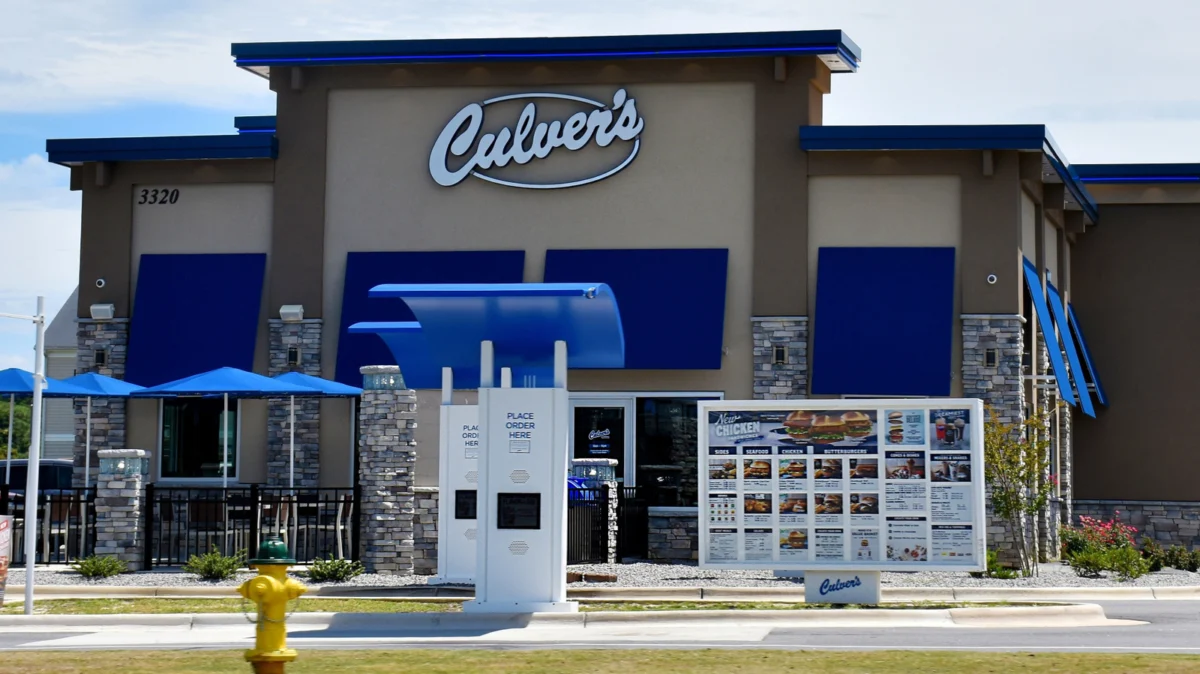
Culver’s has long occupied a unique, beloved position in the American fast-casual landscape. With its roots firmly planted in the Midwest, the chain has built a loyal following by serving high-quality fare—specifically its signature ButterBurgers, crispy Wisconsin cheese curds, and rich, decadent frozen custard. However, as the chain expands and consumer expectations for "fast" food continue to accelerate in an era of app-based delivery and ultra-efficient drive-thrus, a growing tension has emerged.
For many patrons, the Culver’s experience is defined by a paradox: the food is consistently rated among the best in the quick-service industry, yet the service model is increasingly the subject of viral complaints regarding prolonged wait times. This article explores the mechanics behind the Culver’s drive-thru experience, the debate over "fresh versus fast," and what the future holds for a brand caught between its commitment to quality and the demands of modern convenience.
The Core Conflict: When "Made-to-Order" Meets "Drive-Thru"
At the heart of the Culver’s experience is a commitment to the "cooked-to-order" philosophy. Unlike many of its direct competitors, which rely on warming drawers and pre-prepped ingredients, Culver’s prepares every sandwich and side only after the customer has placed their order. While this ensures that a customer receives a hot, fresh meal, it inherently imposes a physical limit on speed.
Recent social media discourse, spanning platforms from Reddit to Facebook, has highlighted a growing frustration among customers who view the drive-thru as an extension of the traditional fast-food experience. Complaints range from moderate irritation over 10-minute waits to more extreme anecdotes of 30-minute ordeals from the moment of arrival to the receipt of the meal. For a generation accustomed to the rapid-fire efficiency of major national chains, these wait times are being perceived not as a hallmark of quality, but as a systemic service failure.
Chronology of a Service Bottleneck
To understand why a simple lunch run at Culver’s can sometimes stretch into a half-hour event, one must look at the operational flow of a typical location.
- The Order Placement: The process begins at the speaker box. Because items like fish and fried chicken are cooked from scratch, the system immediately registers a "cook time" delay that doesn’t exist at competitors using heat-lamp storage.
- The Cooking Queue: Once the order is transmitted, the kitchen staff begins the process. A standard ButterBurger requires time on the grill; a side of cod or chicken tenders requires a full deep-fry cycle.
- The Packaging Phase: Unlike other chains where food is handed out almost instantly, Culver’s requires assembly. The final product must be boxed, bagged, and checked for accuracy—a manual process that adds precious seconds to every transaction.
- The Bottleneck Effect: Perhaps the most significant issue, according to current employees, is the physical architecture of the drive-thru lanes. Many locations utilize a 3×3 grid system. When a location hits maximum capacity, the line configuration can inadvertently trap vehicles, making it impossible for those who have already received their food to exit the line, thereby stalling the flow for everyone behind them.
Supporting Data and Employee Perspectives
While customer complaints focus on the "speed" metric, industry experts and employees point to the "freshness" metric as the primary driver of the Culver’s business model.
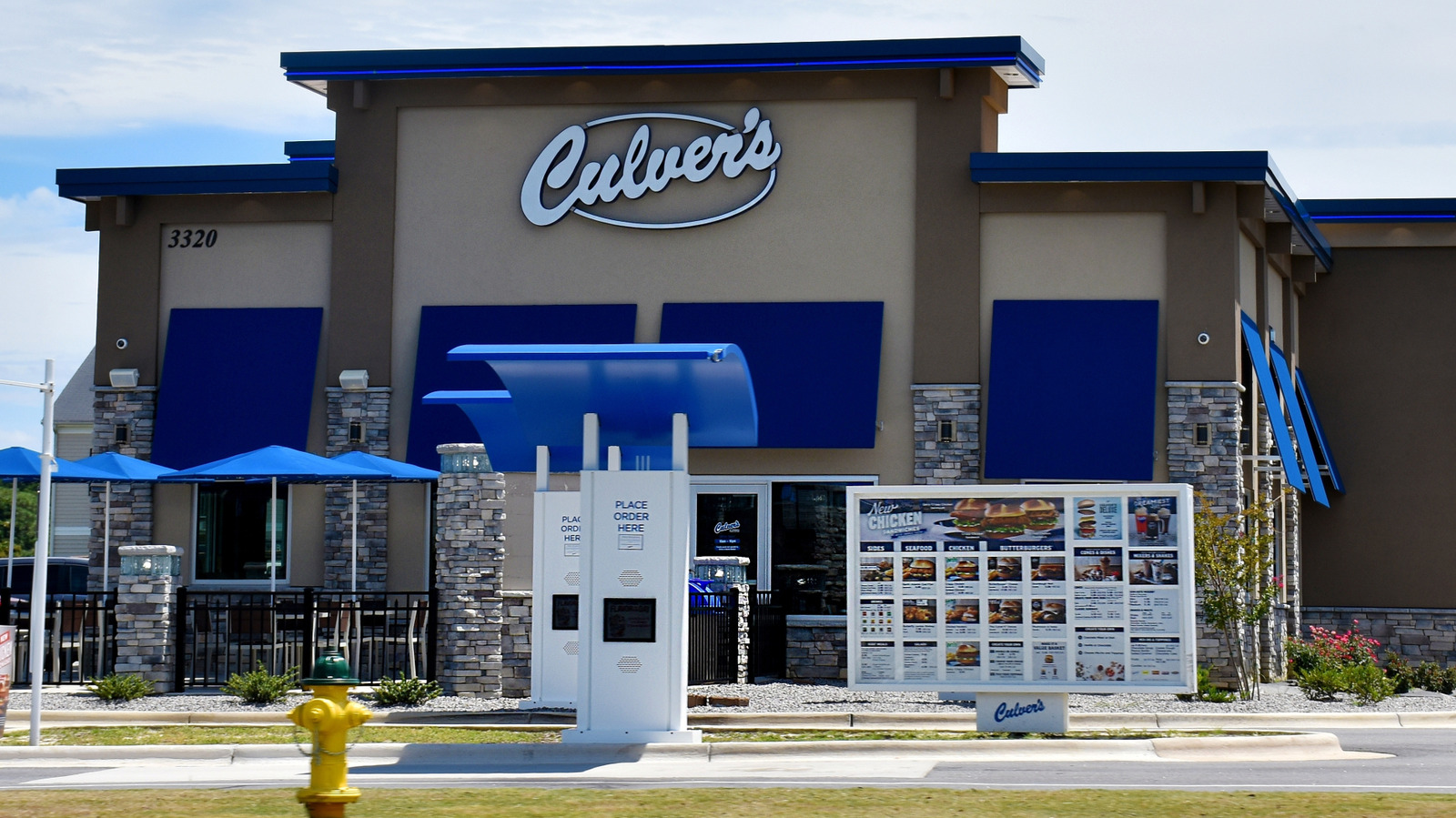
In internal discussions on platforms like Reddit, employees have noted that the goal for drive-thru service is generally four minutes, while walk-up orders aim for five. However, these goals are often undermined by complex orders or the inherent cook times of specific menu items. A key defense often cited by staff is the comparison to McDonald’s. As one former employee of a major competitor noted, the speed of other chains is often the result of "holding" food in warming drawers—a practice that is antithetical to the Culver’s brand promise.
"Our motto is fresh food made only AFTER you order," one employee emphasized. This perspective suggests that the wait time is not a mistake in the system, but a deliberate feature of the product quality. The dilemma is whether the average consumer—who may be on a short lunch break—is willing to prioritize the superior taste of a fresh ButterBurger over the necessity of a quick departure.
The Cultural Implications: Quality vs. Convenience
The friction at the Culver’s drive-thru serves as a microcosm of a larger shift in the restaurant industry. Consumers are increasingly torn between the desire for "gourmet" quality and the convenience of "fast" service.
The "McDonald’s Handbook" Debate
There is a segment of the customer base that believes Culver’s should adapt to the speed of its competitors. They argue that if the chain wants to compete in the fast-food space, it must adopt processes that minimize wait times. However, this raises a fundamental question: if Culver’s begins to precook its burgers and fries to increase speed, does it cease to be the Culver’s that customers love? The brand’s identity is built on the freshness of its ingredients. Diluting that quality to shave two minutes off a drive-thru time could result in the loss of the very demographic that keeps the company profitable.
Strategic Hacks and Customer Adaptability
For those who refuse to give up their Culver’s fix but are tired of the wait, the community has developed "ordering hacks" to mitigate the experience. Savvy customers often ask for fries to be "extra crispy," which ensures they remain palatable during the drive home, or utilize the chain’s customization options—such as the viral "grilled cheese bun" hack—to turn a standard meal into a customized experience. These interactions suggest that, despite the complaints, the relationship between the brand and its customers remains one of high engagement.
Official Responses and Operational Evolution
While Culver’s corporate has not issued a blanket statement regarding the "slow" drive-thru complaints, the company has been focused on strategic expansion and technology integration. The implementation of mobile ordering and dedicated pickup spots at many newer locations is clearly designed to offload the pressure from the traditional drive-thru lane.
By encouraging customers to order ahead through the app, the company is attempting to shift the "wait time" from the drive-thru window to the customer’s own schedule. This allows the kitchen to prepare the order before the customer even arrives, effectively bridging the gap between "fresh" and "fast."
The Future of the Culver’s Experience
Looking ahead, the challenge for Culver’s will be to scale its operations without compromising the culinary integrity that defines its brand. As the company continues to grow, it faces a critical juncture:
- Investing in Infrastructure: Building more robust, efficient drive-thru layouts that avoid the "trapping" grid systems of older locations will be essential.
- Technological Integration: Further refining the app and mobile ordering experience will be the most effective way to manage customer expectations and reduce on-site congestion.
- Managing the Narrative: Perhaps the most important task for the brand is transparency. By educating customers on why the wait exists—that their food is being cooked specifically for them—the company can potentially shift the perception of the wait from a "failure" to a "service standard."
Ultimately, the Culver’s experience is a reminder that in the world of food, you often get what you pay for—not just in terms of dollars, but in terms of time. The complaints about slow service are, in many ways, a testament to the brand’s success; customers are so attached to the quality of the product that they find the inevitable wait to be an agonizing obstacle.
For now, the trade-off remains: if you want a burger that has been sitting under a heat lamp for twenty minutes, there are plenty of options down the street. But if you want a ButterBurger that was sizzling on the grill seconds before it hit your hand, the wait at Culver’s is likely a price that most loyalists will continue to pay, albeit with a bit of grumbling along the way.
