

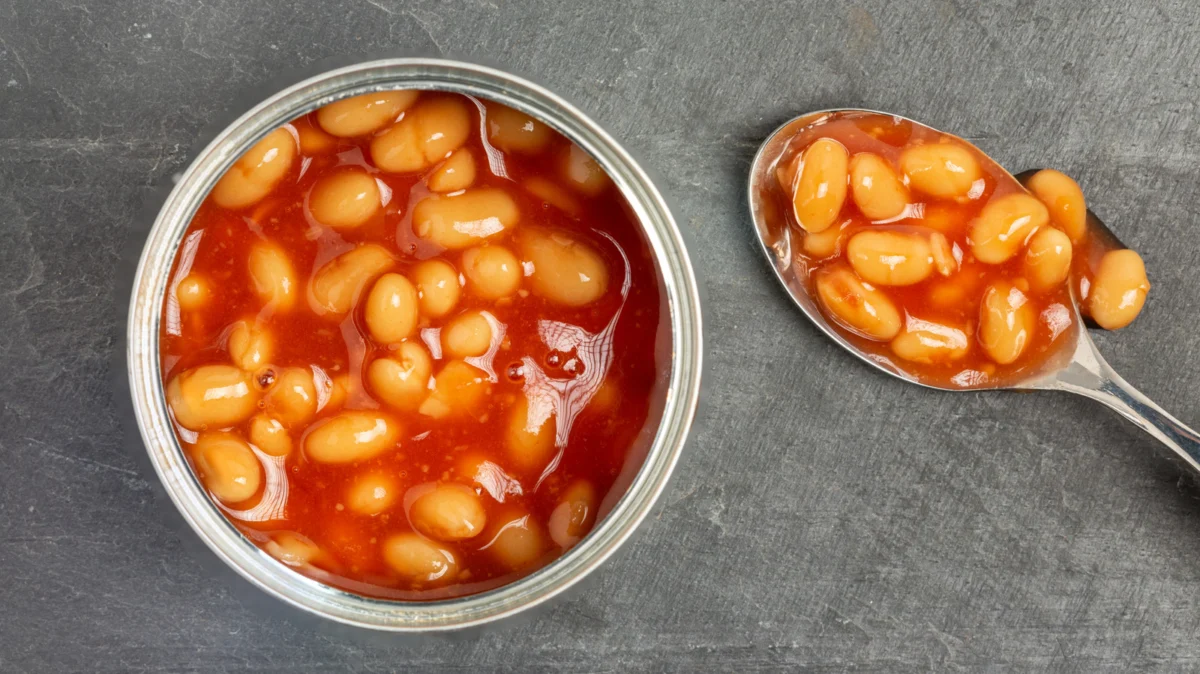
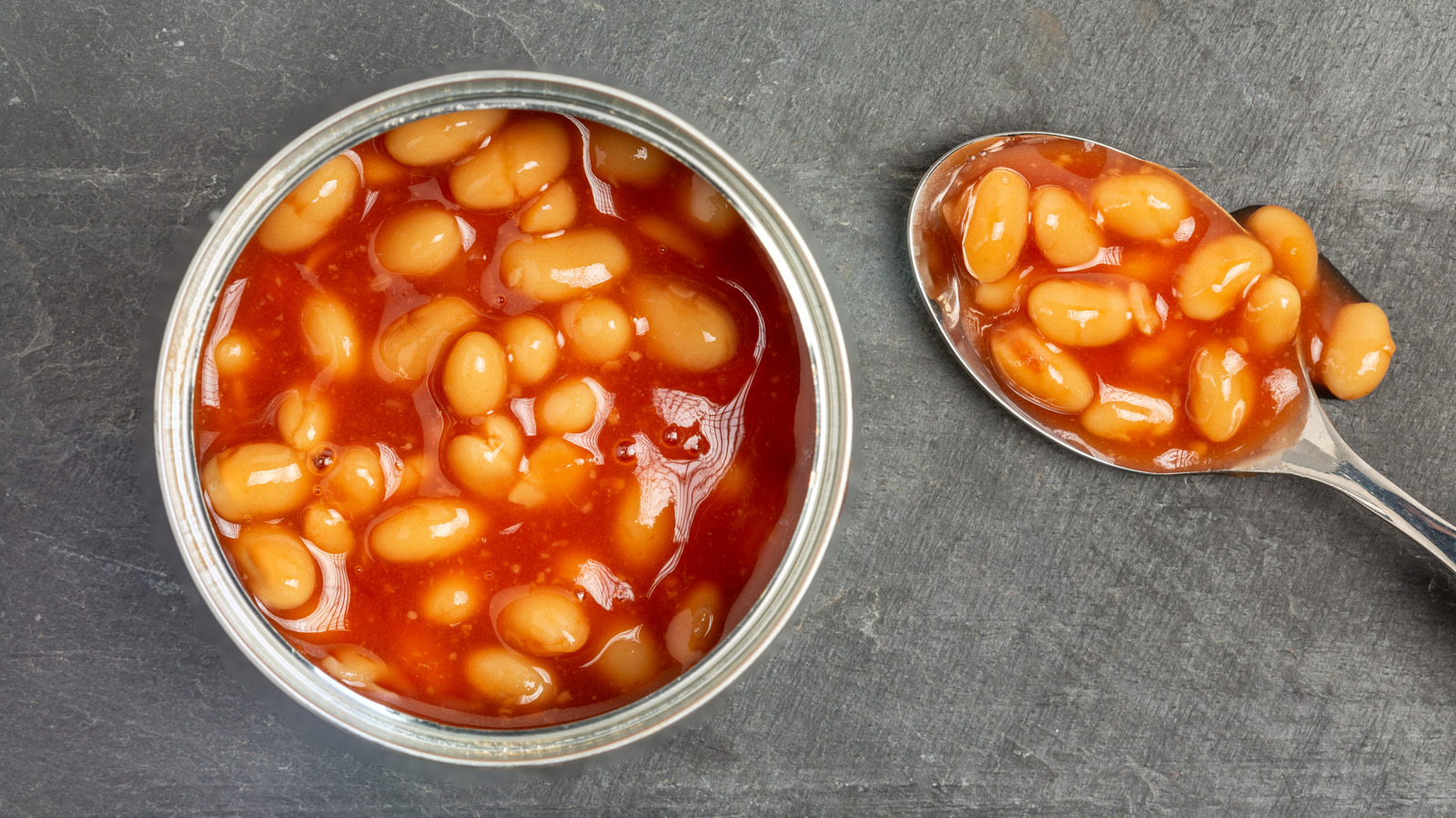
For generations, the humble can of baked beans has served as the quintessential pantry staple. Whether it’s a quick-fix side dish for a backyard barbecue, a hearty component of a full English breakfast, or a reliable, budget-friendly dinner during a busy week, the canned bean is a reliable culinary workhorse. However, while most home cooks are accustomed to doctoring their beans with a splash of barbecue sauce, a dollop of mustard, or a few strips of crispy bacon, a surprising new trend is elevating this simple legume to gourmet status: the addition of fresh apples.
Culinary experts and home cooks alike are discovering that the bright, acidic, and crisp nature of a fresh apple provides the perfect counterpoint to the dense, starchy, and often overly sweet profile of mass-produced canned beans. By integrating this fruit, home cooks can transform a standard side into a complex, multi-layered dish that rivals slow-cooked, from-scratch varieties.
The Core Concept: Why Apples and Legumes Work
The marriage of fruit and savory legumes is not a new concept in global gastronomy, but it is one that has been largely overlooked in modern Western home cooking. Baked beans are inherently sweet, often simmered in tomato-based sauces packed with brown sugar, molasses, or corn syrup. Adding an apple introduces a nuanced, fruit-forward sweetness that feels fresher and more sophisticated than the cloying notes of processed sweeteners.
The magic lies in the structural integrity of the apple. When simmered, apples release natural pectins and acids. The tartness cuts through the heavy, syrupy consistency of the bean sauce, effectively "brightening" the dish. Furthermore, the firm texture of specific apple varieties provides a necessary textural contrast to the soft, creamy legumes, creating a mouthfeel that is far more dynamic than a standard bowl of beans.
Selecting the Right Variety: The Granny Smith Advantage
Not all apples are created equal when it comes to the heat of the stove. Culinary experimentation has consistently pointed to the Granny Smith apple as the gold standard for this specific application.
The Granny Smith is prized for its high acidity and its ability to hold its shape under prolonged heat. Unlike softer varieties—such as Red Delicious or Gala—which might disintegrate into a grainy, unappealing sauce, the Granny Smith retains a pleasant bite even after thirty minutes of simmering. This structural resilience ensures that the beans don’t become a mushy, homogeneous mess. The green apple’s sharp, tart flavor profile also serves as the perfect foil for the earthy, umami-rich nature of the beans, preventing the dish from becoming one-dimensionally sweet.
A Step-by-Step Guide: Integrating Fruit into Your Beans
The process of incorporating apples into your canned beans is deceptively simple, requiring no specialized culinary skills. To achieve the best results, follow this refined methodology:
- Preparation: Start with one medium-sized Granny Smith apple per standard 15-ounce can of baked beans. Wash the fruit thoroughly, core it, and dice it into uniform ¼-inch cubes. Keeping the pieces small is essential; it allows the apple to distribute evenly throughout the pot, ensuring every spoonful contains a balance of bean and fruit.
- The "Sweat" Method: Before adding the beans, place the apple cubes into a saucepan or crockpot with a tiny amount of fat—either butter or a small amount of rendered bacon fat works best. Sauté the apples over medium heat for 3 to 5 minutes. This process, known as "sweating," softens the fruit slightly and begins the process of caramelization, deepening the flavor profile.
- The Simmer: Once the apples have softened, pour in the canned beans. Stir gently to combine, ensuring the sauce coats the fruit. Reduce the heat to a low simmer. Cover the pot and allow the mixture to cook for at least 15 to 20 minutes. This time is critical; it allows the pectin in the apples to dissolve slightly into the sauce, while the beans absorb the tart, fruit-forward essence of the apples.
Building the Flavor Profile: A Chronology of Enhancement
To understand why this method is gaining traction, one must look at the evolution of "doctored" beans. Historically, the evolution of canned bean enhancement has moved through three distinct phases:
- The Early Era (1950s–1980s): Enhancement was limited to basic pantry staples. A dash of yellow mustard or a squirt of ketchup was the height of innovation. The goal was simply to mask the "canned" taste.
- The "Meaty" Era (1990s–2010s): Focus shifted toward smoke and fat. Adding ham hocks, bacon, or ground sausage became the standard for elevating the dish. This moved the profile toward a heavy, savory, and smokey experience.
- The Modern "Complexity" Era (2020s–Present): Today’s home cooks are looking for balance. The introduction of fresh produce—specifically apples—represents a move toward a more balanced, "gastropub-style" flavor profile that incorporates sweet, savory, acidic, and umami notes simultaneously.
Supporting Ingredients: Creating a Culinary Symphony
While apples provide the backbone, they also act as a canvas for other flavor enhancers. Because the apple provides a tart sweetness, the dish becomes highly receptive to deeper, more complex seasonings.
The Sweet and Savory Balance
To lean into the traditional "Boston Baked Beans" aesthetic, consider adding brown sugar or molasses. The molasses provides an earthy, dark sweetness that complements the apple’s brightness, while brown sugar adds a caramelized depth.
The Umami Boosters
To ground the dish, integrate savory powerhouses. A tablespoon of Worcestershire sauce adds a fermented complexity that prevents the fruit from making the dish taste like a dessert. Similarly, a splash of high-quality balsamic vinegar can bridge the gap between the tart apple and the savory bean, adding an aged depth that mimics hours of slow cooking.
The Spice Rack
The inclusion of apple invites warming spices that are rarely associated with beans but pair beautifully with them. A pinch of ground cinnamon can enhance the natural sweetness of the apple, while a dash of ground mustard powder provides a sharp, dry heat that cuts through the starch. For those looking for an adult twist, a splash of bourbon added toward the end of the cooking process provides a complex, oaky finish that elevates the dish to a restaurant-quality side.
Implications for Home Dining
The "Apple-Bean" phenomenon is indicative of a broader trend in home cooking: the "pantry-hacking" movement. As food costs rise and consumers seek to minimize waste, finding ways to elevate inexpensive staples like canned beans with fresh, affordable produce is becoming an essential skill.
Furthermore, this trend highlights a shift in our collective palate. We are moving away from the purely salt-and-fat-forward dishes of the past and toward a preference for acidity and freshness. By incorporating fruit into a savory dish, home cooks are learning that "fresh" doesn’t just mean raw salads—it means using produce to alter the chemical composition and flavor trajectory of our most comfortable, everyday meals.
Conclusion: The New Standard for Side Dishes
The next time you open a can of baked beans, resist the urge to heat them straight from the tin. By taking ten extra minutes to dice a Granny Smith apple and sweat it before adding your beans, you are not just making a meal; you are engaging in a culinary experiment that proves even the most processed foods can be revitalized with a bit of fresh, seasonal produce.
Whether you keep it simple with just apples, or go all-in with bacon, brown sugar, and bourbon, the addition of fruit ensures that your side dish will be the most talked-about element of your next dinner. The humble baked bean has been transformed—and it has never tasted better.
