

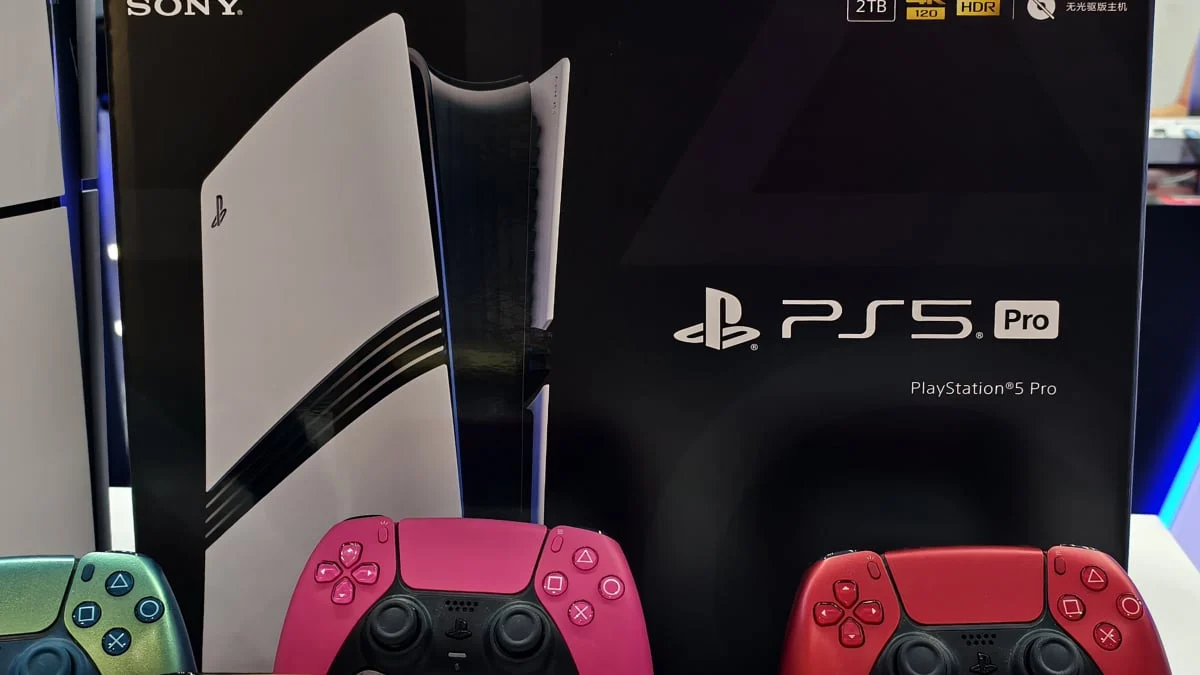
As the global gaming community counts down the days to the release of Rockstar Games’ Grand Theft Auto VI—a title widely considered the most anticipated piece of entertainment media in history—the hardware landscape is beginning to buckle under the pressure of expectation. In Japan, this pressure has manifested as a severe supply-chain bottleneck for Sony’s newly launched PlayStation 5 Pro. To manage the acute shortages, Sony Interactive Entertainment has resorted to an unconventional, high-barrier-to-entry lottery system, effectively turning the act of purchasing a console into an exclusive club membership.
The Collision of Hardware Hype and Software Fever
The intersection of the PS5 Pro’s release and the looming arrival of GTA VI has created a "perfect storm" in the Japanese gaming market. While the PS5 Pro promises enhanced graphical fidelity, faster rendering, and improved ray tracing—features that many enthusiasts believe will be essential to experiencing the sprawling, detailed metropolis of Rockstar’s next open-world opus—the supply of these units is currently failing to meet demand.
In the Japanese market, where console space is at a premium and collector culture is deeply ingrained, the announcement of a hardware upgrade just weeks before a blockbuster release has sent consumers into a frenzy. Recognizing that the inventory of PS5 Pro consoles will likely be snatched up by scalpers or casual buyers who might not prioritize the gaming ecosystem, Sony has moved to gatekeep the hardware.
Chronology of the Crisis: A Race Against Time
The timeline of this supply-chain saga is defined by a series of strict administrative deadlines aimed at curbing unauthorized resale and ensuring the hardware reaches "loyal" players.
- September 27, 2024: The start of the qualifying period. Sony began tracking user activity to establish a baseline for loyalty and hardware utilization.
- Early October 2024: As demand signals surged, Sony formally announced the restrictive lottery system for the Japanese market.
- October 7, 2024: The deadline for applications to the Sony Store lottery. This served as the final cutoff for interested buyers to enter their names into the pool.
- October 26, 2024: The date scheduled for the notification of lottery winners. Only those selected by the system will be granted the right to purchase a unit.
- Early November 2024: The distribution window. Successful applicants will receive their consoles in the first half of the month, narrowly beating the arrival of the most anticipated game of the decade.
- November 19, 2024: The global release of Grand Theft Auto VI.
Defining "Loyalty": The 60-Hour Threshold
Perhaps the most controversial aspect of Sony’s strategy is the "Proof of Play" requirement. To be eligible for the lottery, a consumer cannot simply have an active account; they must be a verified, active user.
Sony has mandated that applicants demonstrate a minimum of 60 hours of confirmed gameplay on either a PlayStation 4 or PlayStation 5 console during the one-year window between September 27, 2024, and September 27, 2025. This requirement effectively filters out bots, scalper-operated accounts, and individuals who have not invested significant time into the PlayStation ecosystem.
Industry analysts suggest this is a proactive measure against the secondary market. By forcing a time investment, Sony is attempting to ensure that those buying the hardware are genuine gamers who intend to use the machine for its intended purpose—namely, to play high-fidelity titles like GTA VI.
Supporting Data: Why the PS5 Pro Matters for GTA VI
The technical requirements of Grand Theft Auto VI are expected to push current-generation hardware to its absolute limit. With the game promising complex weather systems, high-density crowds, and massive draw distances, the enhanced GPU of the PS5 Pro—which offers 45% faster rendering than the standard model—becomes an attractive proposition for performance-oriented players.
In Japan, the PlayStation brand has faced stiff competition from the Nintendo Switch and a burgeoning PC gaming scene. However, for a title as culturally significant as GTA VI, the console market remains the primary battleground. Data indicates that during similar blockbuster launches in the past, console sales have spiked by as much as 30% in the quarter preceding the release. The current shortage is not merely a failure of production, but an indicator of an unprecedented demand surge that exceeds even Sony’s most optimistic internal forecasts.
Official Responses and Strategic Rationale
Sony has maintained a measured, if somewhat tight-lipped, stance regarding the inventory shortages. While the company has not explicitly blamed GTA VI for the scarcity, the timing of the lottery system implementation leaves little room for interpretation.
In official statements issued via the Sony Store Japan portal, the company emphasized that the goal is "fairness and the prevention of unauthorized resale." By restricting the sale to active account holders, Sony is effectively placing the power of purchase back into the hands of the dedicated fan base. This is a significant departure from the "first-come, first-served" models that have historically been exploited by automated scripts and bulk-buying resellers.
Industry observers note that this is a strategic move to preserve brand equity. By ensuring that genuine fans—those who have logged the required hours—are the ones securing the consoles, Sony is fostering brand loyalty. A fan who is forced to pay triple the price on a secondary market platform is unlikely to be a happy customer, regardless of the quality of the console.
The Implications: A New Standard for Hardware Launches?
The situation in Japan raises a significant question: Is this the future of high-end hardware distribution?
1. The Death of the "Day One" Retail Experience
The move toward lottery-based distribution suggests that the era of walking into a store and picking up the latest piece of gaming hardware on launch day may be coming to an end. As chips become more complex and supply chains remain fragile, companies may increasingly turn to data-driven gatekeeping to manage inventory.
2. The Rise of "Verified Fan" Retail
Similar to the ticketing systems used by major concert venues to prevent scalping, Sony’s "Proof of Play" requirement could become a template for other electronics manufacturers. By linking the ability to purchase hardware to usage data, companies create a tiered ecosystem that rewards engagement.
3. Impact on the Secondary Market
While the lottery system successfully keeps units out of the hands of casual scalpers who lack account history, it does not completely eliminate the risk of resale. It does, however, raise the barrier to entry significantly. A scalper now needs to maintain dozens of active accounts with 60+ hours of playtime each to even attempt to secure stock, which is a labor-intensive and expensive barrier that may drive many resellers out of the market entirely.
4. Psychological Impact on Consumers
The anxiety surrounding the PS5 Pro shortage has created a psychological "FOMO" (fear of missing out) effect. By making the console hard to get, Sony has inadvertently made it more desirable. Even those who might have waited to purchase the hardware are now rushing to meet the 60-hour requirement, further cementing the PlayStation ecosystem’s grip on its users.
Looking Ahead: The Rockstar Factor
As the calendar inches closer to November 19, all eyes are on the performance of these consoles. If the PS5 Pro delivers the definitive GTA VI experience, the current shortage will likely be remembered as a minor inconvenience in the face of a generational gaming event. However, if the hardware fails to provide a significant enough improvement over the standard PS5, the frustration of the lottery system could leave a bitter taste for many.
For now, the Japanese gaming community remains in a state of suspended animation. Thousands of players are currently logging their mandatory hours, hoping that their dedication will be rewarded with the chance to purchase a machine capable of running the game that will define the next decade of interactive entertainment.
The crisis in Japan is a testament to the enduring power of the Grand Theft Auto franchise. It is a rare moment in history where a single video game has the power to dictate the distribution strategy of a multi-billion dollar hardware conglomerate. As the lottery winners are selected and the consoles make their way into homes, one thing is clear: the road to Los Santos will be paved with unprecedented demand, silicon scarcity, and the relentless drive of the modern gamer to experience the best, no matter the cost or the obstacle.
