

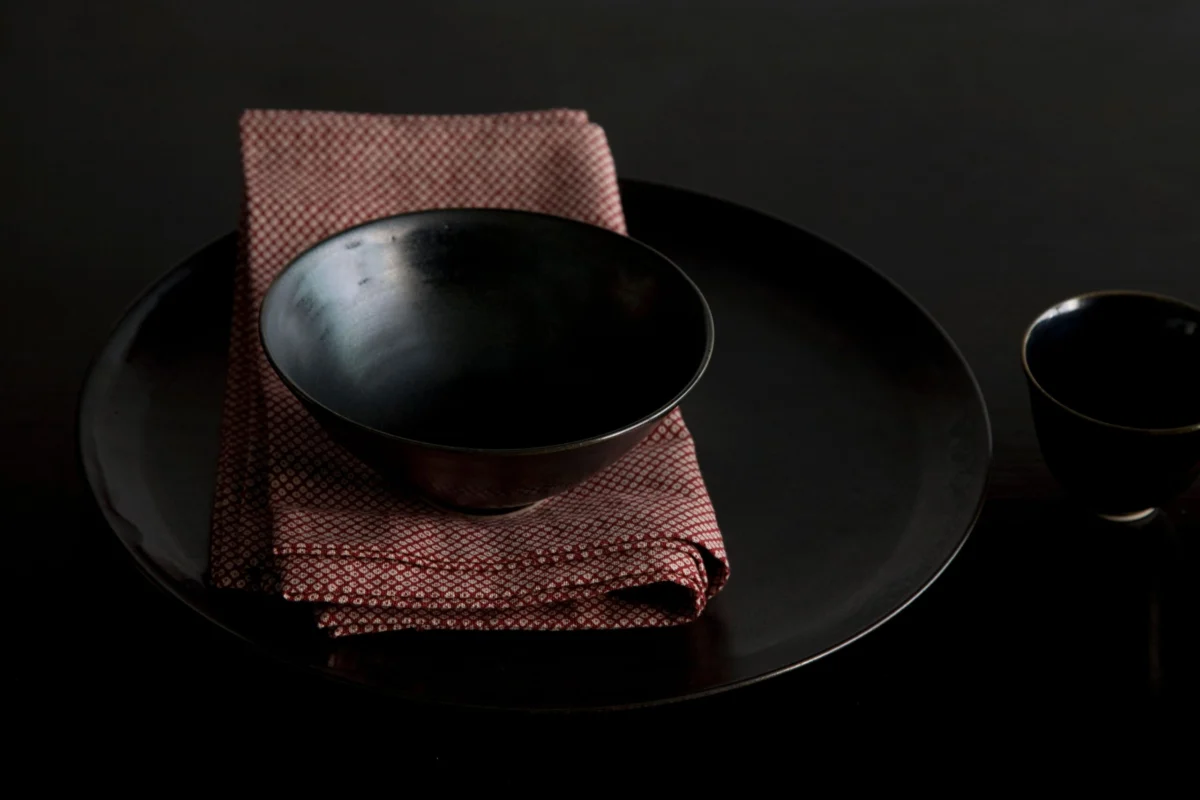
In the hierarchy of ceramic dinnerware, porcelain is the evening gown—elegant, fragile, and reserved for life’s most formal milestones. Stoneware, by contrast, is the perfectly worn-in denim jacket of the kitchen. It is the workhorse of the ceramic world, favored by design-conscious households that prioritize character, tactility, and the lived-in warmth of an unpretentious table.
Stoneware is not about rigid symmetry or matching sets that feel curated by a showroom; it is about the poetry of the imperfect. It celebrates visible throwing marks, the subtle weight of dense clay, and uneven, reactive glazes that ensure no two bowls or plates are identical. For the modern host, choosing stoneware is a statement that their home is a space for living, not just for display.
The Evolution of Stoneware: A Chronology of Craft
The history of stoneware is as deep as the earth from which it is pulled. Defined by its high-firing temperature—typically between 2,100°F and 2,300°F—stoneware becomes vitrified, non-porous, and remarkably durable.
- Ancient Origins: While early civilizations utilized earthenware, the development of true stoneware emerged in the Shang and Zhou dynasties of China. These potters discovered that when clay was fired at higher temperatures with wood ash, it produced a hard, stone-like surface.
- The Medieval Era: By the 12th and 13th centuries, European potters in the Rhineland began producing salt-glazed stoneware, which became the standard for functional, durable vessels that could withstand the rigors of daily use.
- The Studio Pottery Movement (20th Century): Figures like Bernard Leach and Shoji Hamada brought the Japanese wabi-sabi philosophy to the West, championing the beauty of the handmade. They elevated stoneware from purely utilitarian "kitchenware" to a respected art form.
- The Contemporary Renaissance (2011–Present): The last decade has seen a massive surge in demand for artisanal stoneware. From Mervyn Gers’s expansion in Cape Town (2011) to the digital-first success of brands like East Fork and Fable, stoneware has reclaimed the table, fueled by a collective desire to reconnect with the tangible objects in our lives.
The Anatomy of the Modern Table: Key Brands
To understand why stoneware has become the go-to for modern interiors, one must look at the pioneers currently defining the craft.
Mervyn Gers Ceramics: The Cape Town Original
Since 2011, Mervyn Gers has transformed a small Cape Town workshop into a powerhouse of artisanal production. With a team of over 50, the brand maintains a "rough and textural" ethos. Their hand-dipped glazes in rich, earthy tones provide a depth that mass-produced ceramics simply cannot replicate. Their small plates are an excellent entry point for those wanting to experiment with mismatched sets, while their lidded pots serve as both functional storage and sculptural centerpieces.
East Fork: The Cult Favorite
Perhaps no brand has done more to modernize the perception of stoneware than Asheville-based East Fork. Founded in 2009 by Alex Matisse—the great-grandson of the legendary painter Henri Matisse—the brand evolved from a wood-fired kiln on a tobacco farm into a national phenomenon. Their "Everyday" 5-piece setting, characterized by exposed clay rims and speckled glazes, is the gold standard for durable, beautiful stoneware. Recently, they have pushed the envelope with hand-painted designs like the "Tulip Crown" platter, which bridges the gap between functional kitchenware and fine art.
Lolly Lolly Ceramics: The "Cool Girl" Aesthetic
Founded in 2017 by Lalese Stamps, Lolly Lolly Ceramics started with a viral challenge: 100 mugs, 100 unique handles. This playful, experimental spirit remains the heartbeat of the brand. Their collaboration with Lulu and Georgia, the "Dew Drop" collection, is inspired by the organic, pooling shapes of rainwater. It is a collection designed for layering and stacking, perfect for those who want their table to feel dynamic and modern.
Year & Day: Weeknight Refinement
For those who prefer a more minimalist, pared-back aesthetic, Year & Day offers a sophisticated take on the medium. Made in Portugal, their ceramics feature semi-matte glazes in muted, calming colors. They are the antithesis of the "statement piece," instead providing a cohesive, elegant foundation for any meal. Their "Server Set" is particularly lauded for its utility in family-style dining.
Fable: The Zero-Waste Leader
Fable has distinguished itself by focusing on the ethics of production. Their ceramics are crafted in a zero-waste facility in Portugal’s Tagus Valley using locally sourced and recycled clay. Their "Ramen Set"—featuring generously sized bowls and hand-painted bamboo chopsticks—has become a cult favorite for its versatility, transitioning seamlessly from morning cereal to evening stews.
Noble Plateware: The Chef’s Choice
If you want to know what the professionals use, look to Noble. With deep roots in the New York City restaurant scene, supplying iconic spots like Momofuku, Noble creates dinnerware with a satisfying, industrial weight. Their "Grand Fish Platter" is a masterclass in functional design, built to anchor the center of a table for family-style feasts.
CB2: The Accessible Alternative
High-quality stoneware does not have to break the bank. CB2’s "Selene" line, designed by Aurélien Barbry, proves that organic, handmade-looking ceramics can be produced at scale without losing their soul. The collection’s tonal glazes and varied shapes offer the "artisan look" at a price point that makes it accessible for everyday use.
Supporting Data: The Practicality of Stoneware
Beyond aesthetics, the resurgence of stoneware is rooted in its functional superiority. Unlike porcelain, which can feel cold and brittle, stoneware offers:
- Thermal Retention: Stoneware holds heat better than almost any other ceramic, making it ideal for warm soups and hearty pasta dishes.
- Durability: Because it is vitrified at high temperatures, it is remarkably resistant to chipping and cracking, making it suitable for dishwashers and microwaves—a necessity for the modern family.
- Texture: The tactile nature of stoneware provides a sensory experience. The weight of a mug or the rough edge of a plate adds a layer of grounding to the act of eating.
Industry Implications: A Move Toward Conscious Consumption
The shift toward stoneware reflects a broader trend in interior design and consumer behavior. We are moving away from the "disposable" culture of cheap, mass-manufactured dinnerware toward a philosophy of "buying less, but better."
When consumers purchase from brands like East Fork or Fable, they are not just buying a plate; they are investing in a supply chain. These companies are increasingly transparent about their labor practices, their environmental impact, and their commitment to preserving traditional firing techniques. This is a direct response to a generation of shoppers who demand that their household goods align with their personal values.
Furthermore, the rise of the "host-at-home" trend—where entertaining is informal, frequent, and centered around shared platters—has made stoneware the practical choice. It is durable enough to survive a dinner party and beautiful enough to make a simple Tuesday night meal feel like a special occasion.
Conclusion: The Future of the Table
As we look toward the future of home dining, the allure of stoneware remains undiminished. It represents a bridge between the past and the present—a celebration of ancient craftsmanship applied to the needs of modern life. Whether you are building your first collection with pieces from CB2 or investing in the bespoke artistry of Noble Plateware, you are participating in a tradition that values the human touch.
Stoneware reminds us that the home is not a museum. It is a place of messes, of clinking silverware, of heavy bowls filled with comfort food, and of connections made over a shared table. In a world that often feels increasingly digital and detached, there is a profound, quiet power in holding a piece of fired earth in your hands. That, ultimately, is the enduring legacy of the stoneware movement.
