

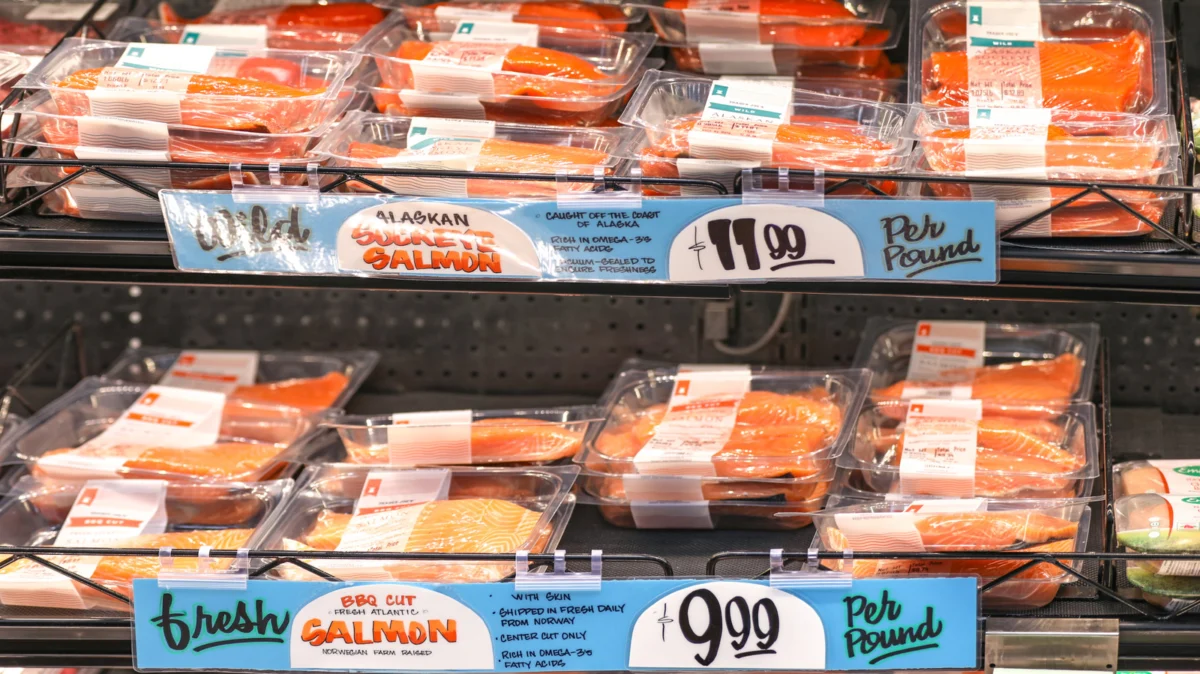
Trader Joe’s has long held a cult-like status in the American grocery landscape, primarily celebrated for its whimsical snacks, innovative frozen entrees, and an ever-evolving rotation of seasonal goods. While the chain is rarely the first destination that springs to mind for a traditional seafood counter experience, the grocer has quietly cultivated a sophisticated and highly accessible lineup of salmon products. For the modern shopper—balancing a desire for high-quality protein with the demands of a time-strapped schedule—Trader Joe’s offers a surprising masterclass in convenience and flavor.
Whether you are seeking a quick, protein-packed lunch or an elegant centerpiece for a weekend charcuterie board, the versatility of TJ’s salmon selection is undeniable. This report examines six stand-out products from their current rotation, evaluating their utility, flavor profiles, and the role they play in a modern, health-conscious pantry.
The Evolution of the Convenience Seafood Market
The rise of the "convenience-luxury" food segment has transformed the way consumers interact with proteins like salmon. Historically, buying fish meant a trip to the fishmonger or a dedicated seafood counter, requiring immediate preparation to maintain freshness. Trader Joe’s has disrupted this model by bridging the gap between raw, unprocessed fillets and fully prepared, "heat-and-eat" meals.
By leveraging cold-chain logistics and smart packaging, the retailer has managed to keep products like smoked salmon and seasoned fillets accessible at price points that often undercut traditional supermarkets. This shift has democratized high-quality Omega-3 consumption, allowing shoppers to maintain a consistent seafood rotation without the overhead of premium specialty store pricing.
A Deep Dive: The Top 6 Salmon Products
1. Norwegian Smoked Salmon
For many, smoked salmon is a prohibitive luxury, often reserved for brunch outings or high-end delicatessens. Trader Joe’s Norwegian Smoked Salmon challenges this perception. Priced at approximately $5.49, it offers a level of affordability that is difficult to find in the current retail environment.
The product is characterized by thick-cut slices that provide a substantial, meaty mouthfeel—a departure from the paper-thin, fragile slices found in many generic brands. The flavor profile is defined by a gentle, neutral smoke that avoids the overpowering woodiness often found in mass-market fish. This neutrality makes it an ideal base for creative culinary applications, serving as a clean canvas for capers, red onion, fresh dill, or a dollop of crème fraîche.
2. Caesar Salad with Salmon
The prepared foods section at Trader Joe’s is a tactical solution for the urban professional. The Caesar Salad with Salmon stands out as a balanced, "light-but-satisfying" lunch option. What sets this particular kit apart is the strategic use of kale alongside traditional romaine.
The inherent bitterness of the kale acts as a structural and flavor-balancing agent, cutting through the richness of the grilled salmon and the creaminess of the dressing. The inclusion of Parmesan crisps instead of traditional bread-based croutons is a stroke of culinary ingenuity, providing a salty, umami-rich crunch that maintains its texture far better than conventional croutons, which often turn soggy.
3. Everything But the Bagel Seasoned Smoked Salmon
Trader Joe’s Everything But the Bagel seasoning is arguably the company’s most successful branding phenomenon. By applying this blend—a mixture of poppy seeds, toasted sesame seeds, dried onion, and dried garlic—to their premium smoked salmon, they have created a "destination product."
The flavor intensity here is high. Unlike traditional lox, which relies on the interaction between the fish and the bagel, this product is self-contained. It simplifies the breakfast experience, allowing the consumer to pair it with a plain, neutral bagel or even a simple piece of sourdough, knowing that the seasoning profile is already delivering the classic "everything" experience.
4. Salmon Burgers
When evaluating frozen seafood, the primary concern is usually texture. Many salmon burgers fall into the trap of becoming dry or overly pulverized. However, the Trader Joe’s offering remains a staple for a reason. While they may not replicate the experience of a fresh-grilled fillet, they offer a convenient, high-protein alternative to red meat.
These patties excel when treated as a versatile ingredient rather than just a "burger." They serve as an excellent protein topper for grain bowls or, when crumbled and sautéed, a base for a quick seafood pasta. Their ability to hold up on a charcoal grill makes them a surprising hero for pescetarian guests at outdoor summer gatherings.
5. Blackened Salmon Seasoned Boneless Filet
The Blackened Salmon Seasoned Boneless Filet addresses the "decision fatigue" that often occurs at 6:00 PM on a weeknight. The pre-seasoned nature of the product eliminates the need for marinating or complex spice blending.
The seasoning—a blend of garlic, onion, sugar, and chipotle peppers—provides a balanced heat that is accessible to most palates. While the flavor is robust, it does not obscure the natural taste of the salmon. This product is best utilized with a simple squeeze of charred lemon, which introduces the necessary acidity to highlight the smoky notes of the blackened crust.
6. Pastrami Style Smoked Atlantic Salmon
Occupying the top tier of the retailer’s smoked fish offerings, the Pastrami Style Smoked Atlantic Salmon is a culinary outlier. By incorporating the aromatics of classic pastrami—coriander, paprika, and allspice—into the curing process, the fish undergoes a dramatic transformation.
It moves away from being a breakfast item and enters the realm of sophisticated charcuterie. When served alongside aged cheeses, artisanal crackers, and pickles, it provides a high-end appetizer experience that belies its grocery-store origins.
Methodology and Sourcing
The selection of these items was predicated on three primary metrics: Value, Flavor Integrity, and Utility.
- Value: Assessment was based on price-per-ounce relative to both specialty fishmongers and national grocery chains.
- Flavor Integrity: Evaluation considered the freshness of the product upon opening, the balance of seasonings, and the absence of "off-notes" often associated with mass-produced seafood.
- Utility: This metric measured how easily the product integrates into a household’s existing cooking routine. Does it require special equipment? Does it save time? Can it be used in multiple ways?
This analysis is rooted in consistent, multi-year observations of the Trader Joe’s inventory, noting that while the retailer maintains a high standard, the nature of their supply chain means that regional variations can occasionally occur.
Nutritional and Economic Implications
The broader implication of Trader Joe’s success in this category is the shift in consumer behavior toward more frequent fish consumption. Traditionally, the barrier to eating salmon has been two-fold: cost and the perceived difficulty of preparation. By offering "ready-to-cook" seasoned fillets and "ready-to-eat" smoked options, the grocer has effectively lowered these barriers.
From a nutritional standpoint, consistent access to high-quality salmon provides an essential source of Omega-3 fatty acids, vitamin B12, and selenium. By making these products accessible and flavorful, the retailer is inadvertently contributing to improved dietary habits among their customer base.
Conclusion: A New Standard for Home Seafood
Trader Joe’s has demonstrated that high-quality seafood does not need to be an intimidating or overly expensive endeavor. Through a combination of clever seasoning, thoughtful packaging, and a focus on the modern consumer’s need for efficiency, they have elevated the standard for grocery-store salmon.
Whether one is a novice in the kitchen or a seasoned home cook, these six products provide a reliable, delicious, and efficient pathway to incorporating more fish into one’s diet. As the grocery market continues to evolve, it is clear that Trader Joe’s strategy of curated, high-impact items will keep them at the forefront of the consumer’s mind—and their shopping cart.
