

By Anna Lee
The vibrant heart of the Las Vegas Arts District, usually a sanctuary for creativity, community, and local commerce, was transformed into a scene of terror on the evening of Tuesday, October 6. During the monthly iteration of the beloved First Friday arts festival, a shooting claimed the life of 15-year-old Carth Onasi Jacobs-Rodgers, casting a long, somber shadow over one of the city’s most significant cultural gatherings. The incident, which also left two others injured, has triggered an urgent citywide conversation regarding public safety, the future of open-access community festivals, and the escalating crisis of youth-involved gun violence.
The Incident: A Night of Celebration Turned to Chaos
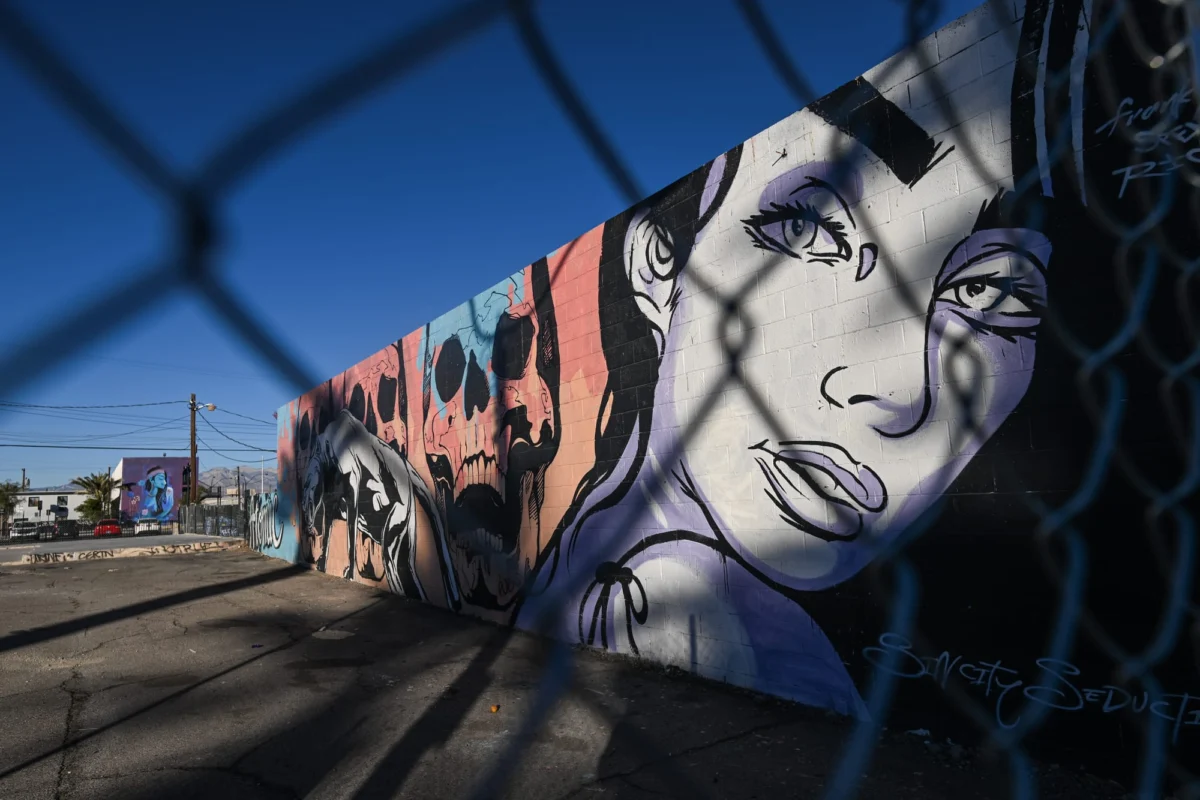
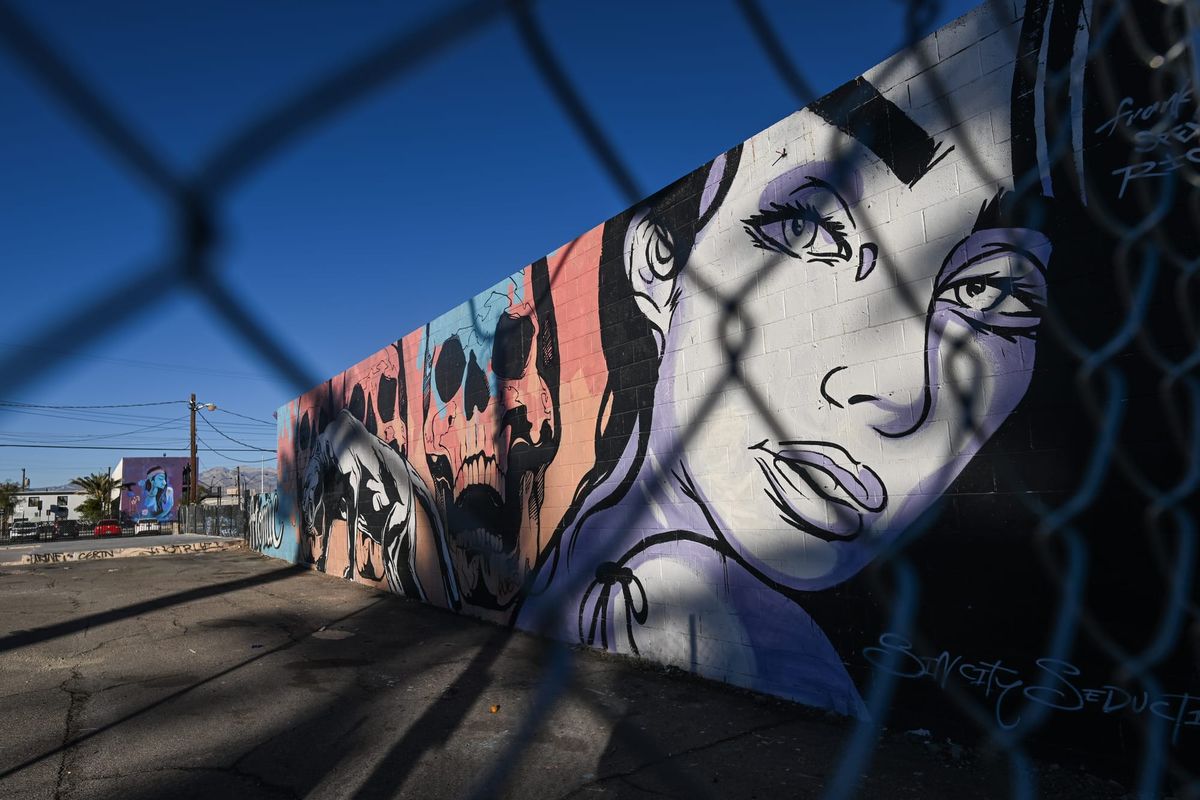
The October edition of First Friday was intended to be a showcase of local talent. The festival, which transforms the downtown area into a sprawling outdoor gallery, featured public murals by artists such as Black Sheep One, live painting demonstrations, and an array of artist residencies. Thousands of residents and tourists had gathered to enjoy the mild autumn evening, moving between galleries, food trucks, and live music stages.
According to an official report from the Las Vegas Metropolitan Police Department (LVMPD), the tranquility of the event was shattered at approximately 10:17 pm. Officers stationed in the area reported hearing multiple gunshots. The ensuing panic saw hundreds of attendees fleeing for cover as police swarmed the scene.
Tragically, 15-year-old Carth Onasi Jacobs-Rodgers was struck during the violence. Despite the rapid response of emergency personnel and his subsequent transport to a local hospital, Jacobs-Rodgers was pronounced dead. Two other individuals were also wounded in the shooting; their conditions were treated by medical staff, though the incident has left the entire community in a state of profound shock.
Law enforcement moved swiftly to secure the perimeter. A 17-year-old suspect was apprehended shortly after the shooting. The youth now faces grave charges, including murder with a deadly weapon and two counts of attempted murder with a deadly weapon. The identity of the suspect has not been released due to their status as a minor, but the severity of the charges underscores the gravity of the incident.
A Chronology of the Evening
The timeline of the tragedy highlights the suddenness with which the atmosphere shifted.
- 7:00 pm: The First Friday festival reaches peak attendance. Streets are crowded with families, artists, and music lovers enjoying the temperate weather.
- 9:00 pm: LVMPD’s pre-existing curfew protocols for the downtown area go into effect. While the festival remains open to all ages, official reminders are circulated via social media, alerting parents that minors must be accompanied in the downtown corridor.
- 10:17 pm: Multiple gunshots ring out, turning the Arts District into a crime scene.
- 10:25 pm: LVMPD units converge on the area, securing the site and beginning the process of clearing the crowd.
- 10:45 pm: Emergency services confirm the transport of three victims to medical facilities.
- 11:30 pm: The First Friday Foundation issues an initial statement on social media, confirming the incident and announcing the immediate cessation of festival operations.
- Late Night: Police confirm the arrest of a 17-year-old suspect and the death of Jacobs-Rodgers.
The Human Impact: Voices from the District
For those who view the Arts District as a second home, the violence feels like a betrayal of the community spirit. Alexxis Ryan, a local musician who performed with her band, The X-Flowers, during the evening, had departed only shortly before the gunfire erupted.
"This is just a shock for everyone," Ryan told Hyperallergic. "You come to First Friday to celebrate art and humanity. To have something like this happen here is devastating. It’s important that our community comes together right now, not just to mourn, but to figure out how we keep these spaces safe for our children."
Ryan’s sentiments reflect a broader anxiety shared by many in the creative community. The festival has long been touted as a family-friendly environment—a place where teenagers can explore art, music, and the social fabric of their city without the need for expensive entry tickets or exclusive access. The prospect of losing that openness is a heavy burden for local vendors and artists who rely on the event for their livelihood and community outreach.
Official Responses and Political Repercussions
The response from municipal leadership has been immediate and somber. Las Vegas Mayor Shelley Berkley issued a statement condemning the violence and pledging a comprehensive review of the city’s event management strategies.
"This is not what is intended at First Friday, and it is unacceptable," Mayor Berkley stated. "The city is working with metro police, the First Friday Foundation, and stakeholders to explore what changes can be made. There are many ideas, and we will explore them to determine what will be the best outcome for everyone in the arts district."
The First Friday Foundation, the nonprofit entity responsible for coordinating the massive monthly undertaking, has opted to pause all future events indefinitely. In a statement posted to Instagram, the foundation expressed their deep condolences to the families affected by the tragedy. As of this writing, they have not provided a timeline for when or how the festival might return.
Broader Implications: A Pattern of Public Violence
The shooting in the Las Vegas Arts District is not an isolated event; it is part of a disturbing national trend that has seen community spaces transformed into sites of violence. Less than one month prior, a 16-year-old bystander was killed during a First Friday event in Manassas, Virginia. That tragedy also resulted in the immediate suspension of local programming and reignited nationwide debates regarding gun reform and the vulnerability of public gatherings.
The United States has seen a proliferation of gun violence in spaces once considered safe havens: schools, places of worship, grocery stores, and now, community art festivals. These events have sparked intense activism, with advocacy groups calling for stricter background checks, age-restricted zones, and enhanced security measures.
For Las Vegas, the weight of this event is compounded by the city’s historical trauma. In 2017, the city was the site of the deadliest mass shooting in modern American history, when a gunman killed 60 people and wounded over 800 at the Route 91 Harvest music festival. While the circumstances of the Arts District shooting are different in scale, the collective memory of the 2017 massacre makes every instance of gunfire in a public space feel particularly heavy for the local populace.
The Path Forward: Security vs. Accessibility
As harrowing footage of the October 6 event continues to circulate on social media—showing crowds scrambling for safety as police sirens wail—the debate over the future of public festivals has intensified.
Critics and concerned citizens are calling for a fundamental restructuring of how First Friday is managed. Proposed measures include:
- Strict Age Restrictions: Some argue that, given the increase in youth-involved violence, the festival should implement strict age-verification at entry points or enforce a strict curfew for unaccompanied minors.
- Heightened Security: There are calls for increased police presence, metal detectors at entry points, and a more robust perimeter security plan to ensure that no weapons enter the festival grounds.
- Community Policing: Others advocate for a softer approach, emphasizing the need for more youth mentorship programs and social services to address the root causes of violence before it manifests in public spaces.
"It’s important for teenagers and young children to have a place to go," Ryan noted, "but everyone needs to be safe. We cannot have a world where our fear of violence stops us from gathering and sharing our art. But the current model clearly requires change."
The challenge for the City of Las Vegas and the First Friday Foundation is to find a middle ground that maintains the festival’s identity as an accessible, inclusive, and free-flowing creative space while guaranteeing the safety of every attendee. As the investigation into the death of Carth Onasi Jacobs-Rodgers continues, the city is left to grapple with the painful reality that the spaces built for connection are now in urgent need of protection.
For now, the Arts District remains quiet. The murals, once a backdrop for celebration, now serve as a silent witness to a tragedy that has left a community searching for answers, healing, and a path forward that ensures no more families are forced to mourn in the wake of a Friday night out.
